





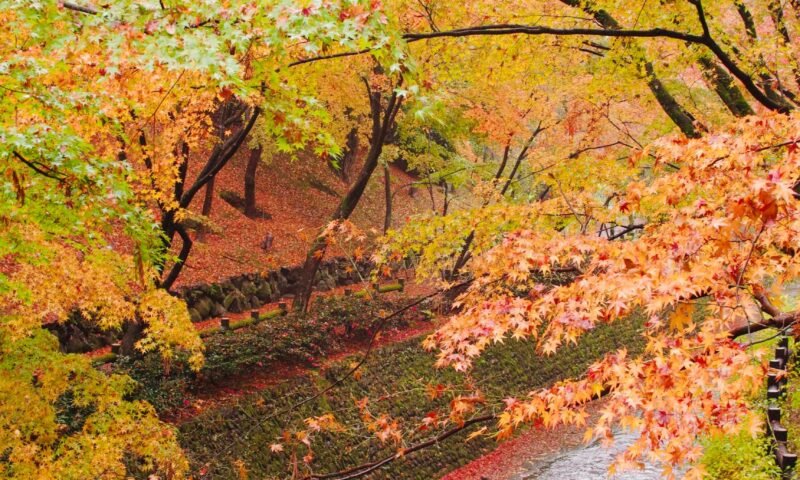
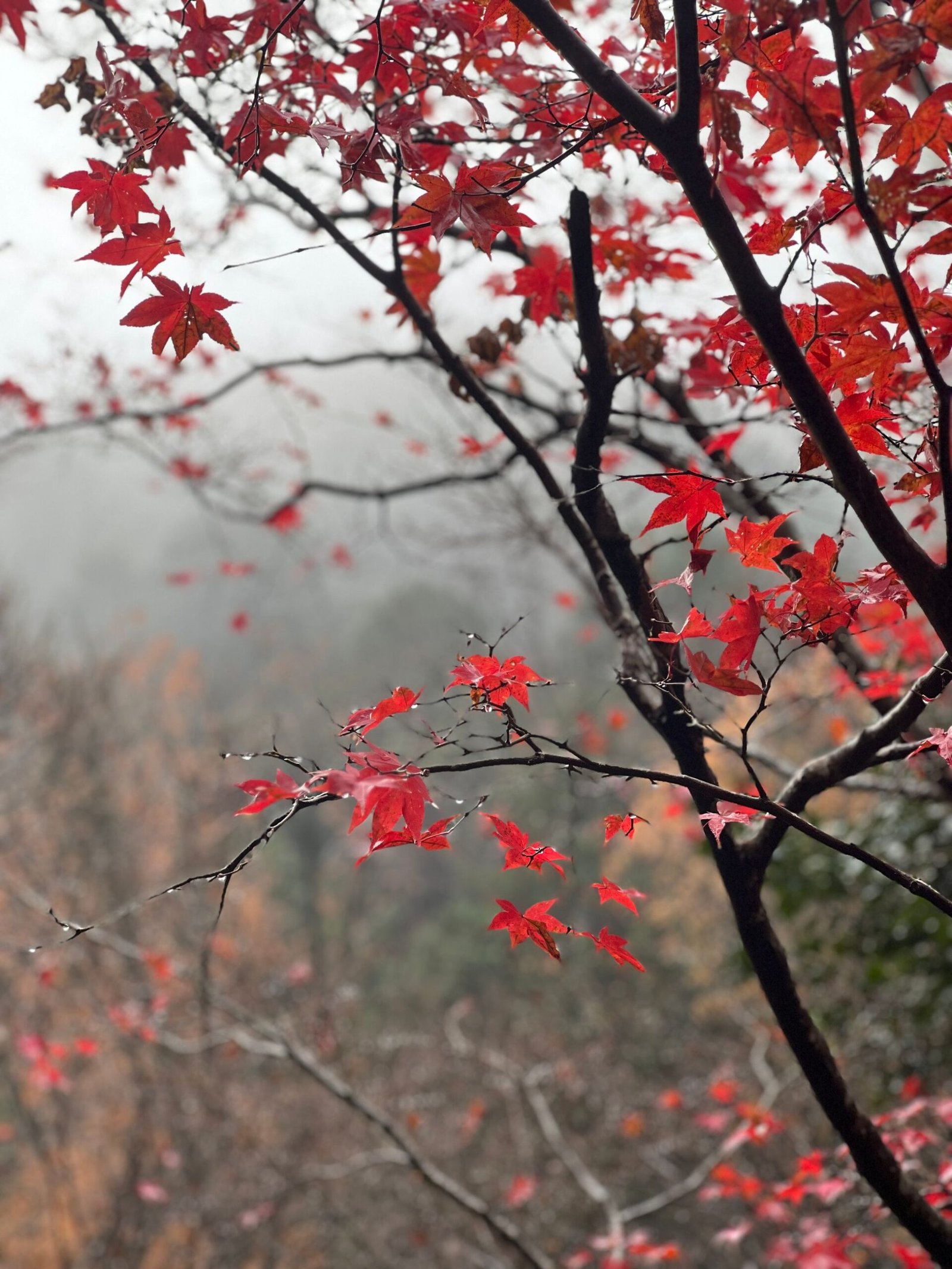
I’ll be honest: I went into this year’s leaf-peeping season a little bitter. I’d tried to see the famous momiji at a temple in Kyoto two weekends earlier and spent most of the visit staring at the back of someone’s selfie stick. So when a friend from Nagoya told me, almost offhandedly, “you know Aichi has its own famous one, right? Korankei,” I didn’t expect much. Aichi isn’t exactly the prefecture that comes up first when people talk about autumn in Japan. But I took the train out to Toyota City anyway, half out of curiosity and half because I’d already used up my vacation mood on disappointment. I’m glad I went. Korankei turned out to be the kind of place that sneaks up on you — not because it’s hidden, exactly, but because almost nobody outside Japan seems to have heard of it, despite roughly four thousand maple trees lining a river gorge that a Buddhist monk started planting almost four hundred years ago.
A Monk, a River, and Four Thousand Maples
The story behind Korankei is one of my favorite things about the place, because it didn’t start as a tourist attraction at all — it started as an act of devotion. Back in 1634, the eleventh head priest of Kojaku-ji, a small temple on a hill above the Tomoe River, planted the first maples and cedars along the approach to his temple one by one, reciting the Heart Sutra as he went. He wasn’t thinking about autumn selfies. He was planting a path.
It took a few centuries for the rest of the gorge to catch up. In the Taisho era, in the early twentieth century, local residents added more maples and cherry trees along the riverbank running down from Iimori hill, filling in what the priest had started until the whole ravine was threaded with trees. The name “Korankei” itself is newer than you’d think — it was only coined in 1930, combining the “ko” from Kojaku-ji with “ran,” a word for the mist that rises off the gorge. Standing at the riverside in the late afternoon, watching the air go slightly hazy gold as the light dropped, I finally understood why someone bothered naming a valley after its mist. It’s a strange, quiet kind of beautiful that doesn’t photograph as well as it feels.
Crossing Taigetsukyo as the Lanterns Come On
Korankei’s unofficial symbol is a bridge called Taigetsukyo, built in 1953 right where the Tomoe River meets the smaller Asuke River. It’s not an old bridge by Japanese standards, and it’s not particularly grand, but it’s the spot where everyone instinctively stops — maybe because it’s the one place where you can see the gorge opening up in both directions, maple canopies leaning in from both banks like they’re trying to meet in the middle.
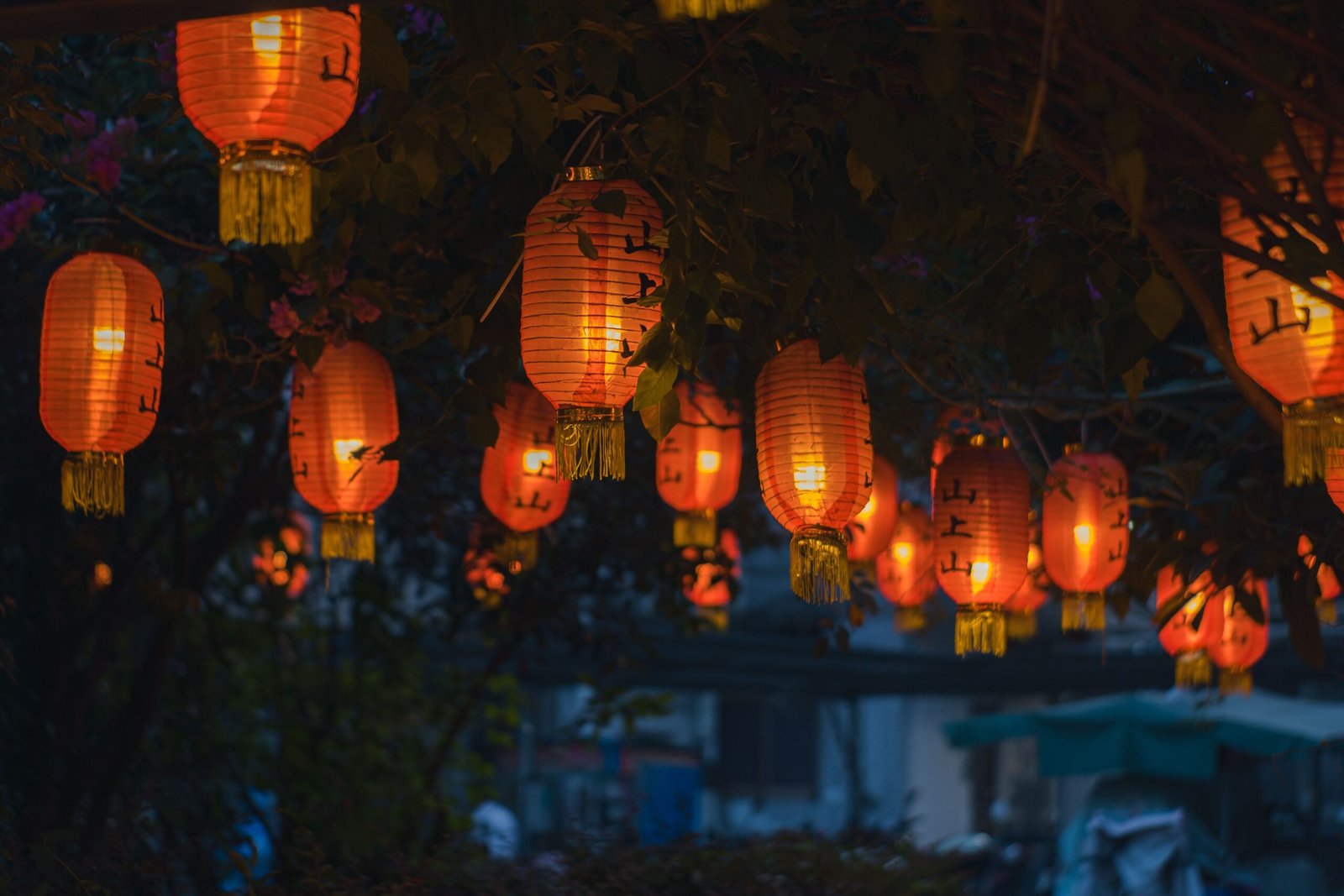
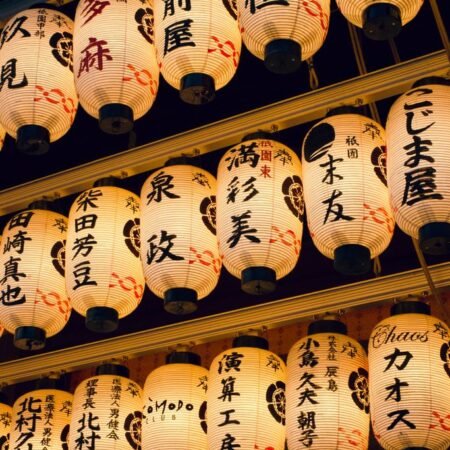
I’d timed my visit for the Korankei Momiji Matsuri, the autumn festival that runs the entire month of November, when the trees are lit up after dark. I’d read about the illumination beforehand, but I still wasn’t prepared for how different the gorge feels once the sun is down and the lanterns take over. The maples go from red-orange in daylight to something closer to lit coals, and the river underneath picks up just enough of the glow to look like it’s smoldering too. I stood on Taigetsukyo for probably twenty minutes longer than I meant to, just watching families and couples cross back and forth with their phones out, everyone a little stunned in the same quiet way.
Festival Crowds, Old Asuke, and a Few Practical Notes
If you’re picturing a sleepy nature walk, adjust your expectations for festival weekends — Korankei draws serious crowds during peak color, which usually lands in mid-to-late November, and the narrow riverside paths and the Toyota Oiden bus into Asuke both get packed. I went on a weekday evening specifically to dodge some of that, and even then the area around the bridge was busy enough that I had to wait my turn for a clear view. If you can manage a weekday or an early arrival, do it.
Getting there isn’t complicated, just a little multi-step: from central Nagoya, I took the subway’s Higashiyama Line to Fujigaoka, switched to a Meitetsu line bound for Toyota City, got off at Josui Station, and then caught a Toyota Oiden bus the rest of the way — altogether a little over an hour of travel, with the bus itself taking close to an hour depending on traffic into Asuke. There’s also a direct Meitetsu bus route from Higashi-Okazaki Station if you’re coming from that direction instead, which takes roughly an hour and change on its own.
Once you’re there, don’t just do the gorge and leave. The old merchant town of Asuke, a few minutes’ walk from the Korankei entrance, has a preserved Edo-period street that’s worth wandering even if you’ve already filled your camera roll with maple shots. I stopped at a riverside teahouse for grilled salt-ayu, which felt like exactly the right thing to be eating with a gorge full of fire-colored trees in front of me, and poked around the Sanshu Asuke Yashiki folk museum nearby, which has been open since 1980 and gives you a sense of what the region looked like before anyone was selling momiji-themed snacks on the street corner. Bring cash for the smaller food stalls, wear shoes you don’t mind getting a little damp near the riverbank, and budget more time than you think you’ll need — I planned for two hours and stayed for almost four.
Why I’d Go Back
I don’t think Korankei is trying to compete with Kyoto’s big-name temples, and that’s sort of the point. Nobody planted these trees for Instagram. A monk planted the first ones out of devotion in 1634, his neighbors kept going three centuries later out of pride in their own valley, and now, every November, the whole gorge lights up like it’s still trying to live up to a name it didn’t even have until 1930. I went in expecting a quieter, lesser-known substitute for the famous spots I’d missed elsewhere. I left thinking Korankei was never a substitute for anything — it’s just been doing its own thing, mist and all, for a very long time.
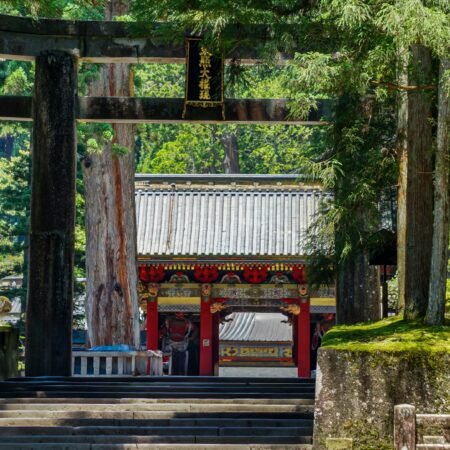
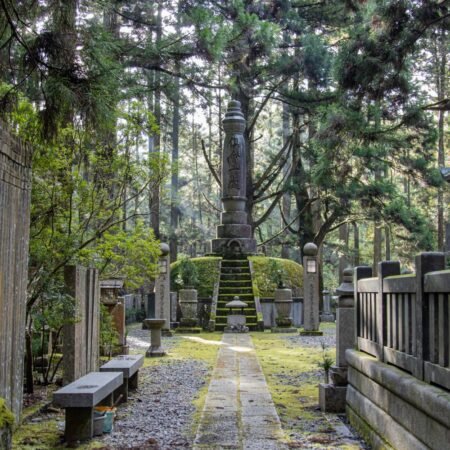
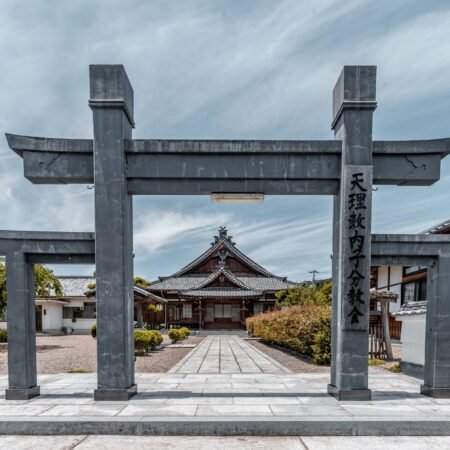
A quick note on photos: some of the images here are stock photos I’ve used to set the mood — they may not be the exact spot or moment I’m describing, just close in spirit.
コメント