





I first went to Dazaifu Tenmangu for entirely the wrong reason. I’d heard there was good ume-boshi in the shopping street outside the shrine, and I figured I’d wander through the grounds afterward out of politeness more than curiosity. What I found instead, wedged between the plum blossoms and the crowds of students clutching wooden prayer plaques, was one of the best-documented ghost stories in Japanese history, one that ends not with an exorcism but with a promotion. The vengeful spirit at the centre of it all didn’t get banished. He got deified.
The man in question is Sugawara no Michizane, a ninth-century scholar, poet, and politician who, according to the historical record, was one of the most gifted bureaucrats of the Heian court. His career should have ended in triumph. Instead, in 901, court rivals engineered his fall, and he was exiled from the capital in Kyoto to Dazaifu, a regional government outpost in what is now Fukuoka Prefecture, on charges that most historians now regard as fabricated. He died there two years later, in 903, reportedly in poverty and despair, far from his family and the political life he’d built.
That, on its own, would be a sad but unremarkable footnote of Heian-era politics. What happened next is the part that turned Michizane into one of Japan’s most enduring supernatural figures.
When the Sky Itself Seemed to Take Sides
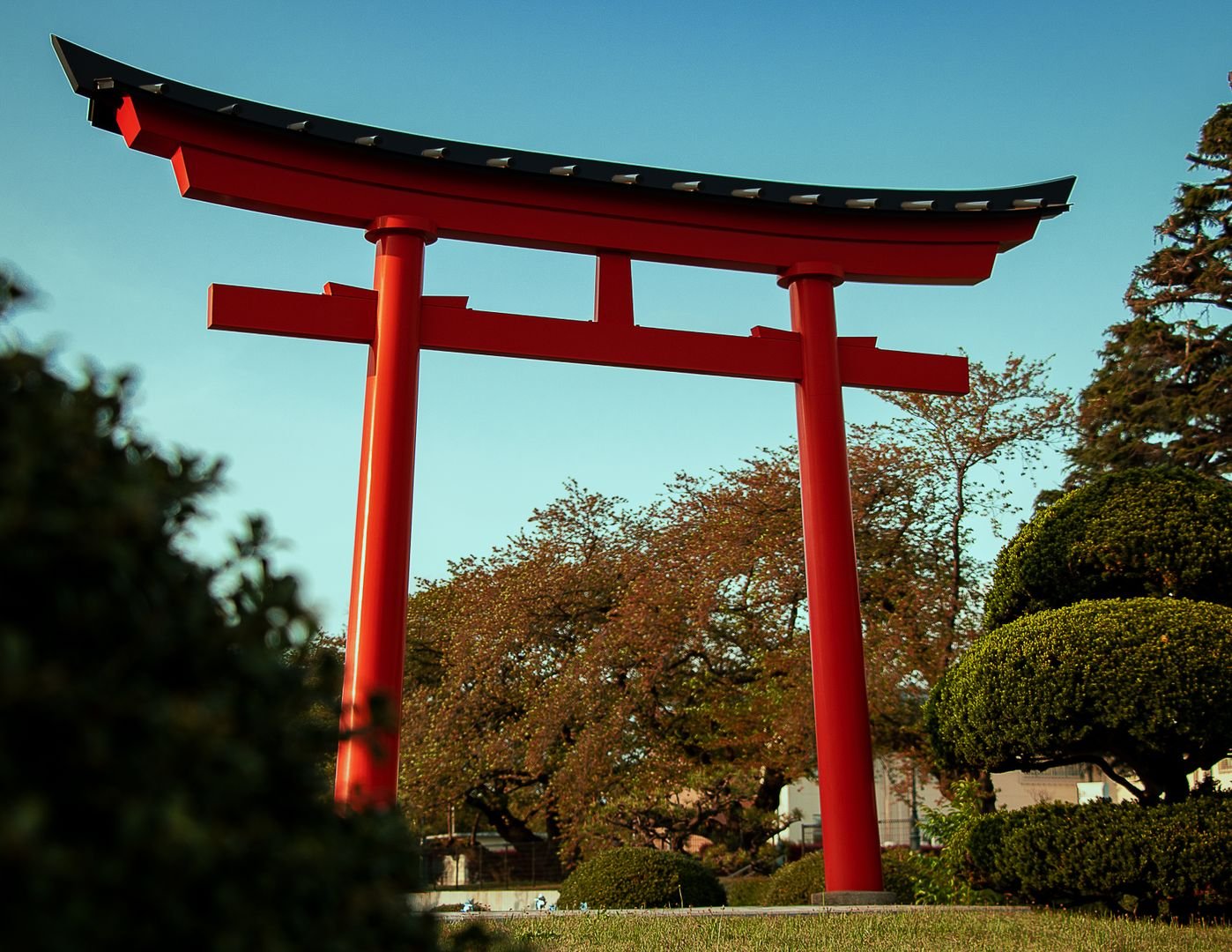
In the years after Michizane’s death, Kyoto suffered a string of disasters. Drought and plague swept the capital. Several of the courtiers who had plotted against him died in quick succession. Then, in 930, lightning struck the imperial palace itself, killing a number of officials in the very chamber where policy against Michizane had reportedly been discussed. Court chronicles of the period link these events directly to Michizane’s wrath, and the emperor’s own son is said to have died not long after, deepening the sense that something was very wrong.
I want to be careful here, because this is exactly the kind of story that’s easy to overstate. There’s no way to verify a causal link between a ninth-century thunderstorm and a political grudge, and I’m not going to pretend otherwise. What we do know, from contemporary court records, is that the people living through it were convinced. They believed Michizane’s spirit, an onryo, a vengeful ghost empowered by the injustice of his death, was responsible, and that belief shaped what happened next.
Rather than attempt to suppress the spirit, the court did something distinctly Japanese: it tried to appease him. Michizane was posthumously restored to his original court rank, his exile officially expunged from the record, and in 947 a shrine, Kitano Tenmangu, was built in Kyoto specifically to enshrine and honour him. Dazaifu, the place where he’d actually died and was buried, had already become a site of worship a few decades earlier, and the shrine that grew up around his grave is the one I was standing in, plum stains still on my fingers from the shopping street.
The strategy, by all accounts, worked. Once venerated as a kami, Michizane’s posthumous title became Tenjin, and the disasters attributed to his fury are said to have stopped. Centuries on, that transformation is more or less complete. Tenjin is now worshipped not as a vengeful spirit but as the god of scholarship, and Dazaifu Tenmangu is one of the most important sites in the country for exactly that.
The Plum Tree That Followed Him
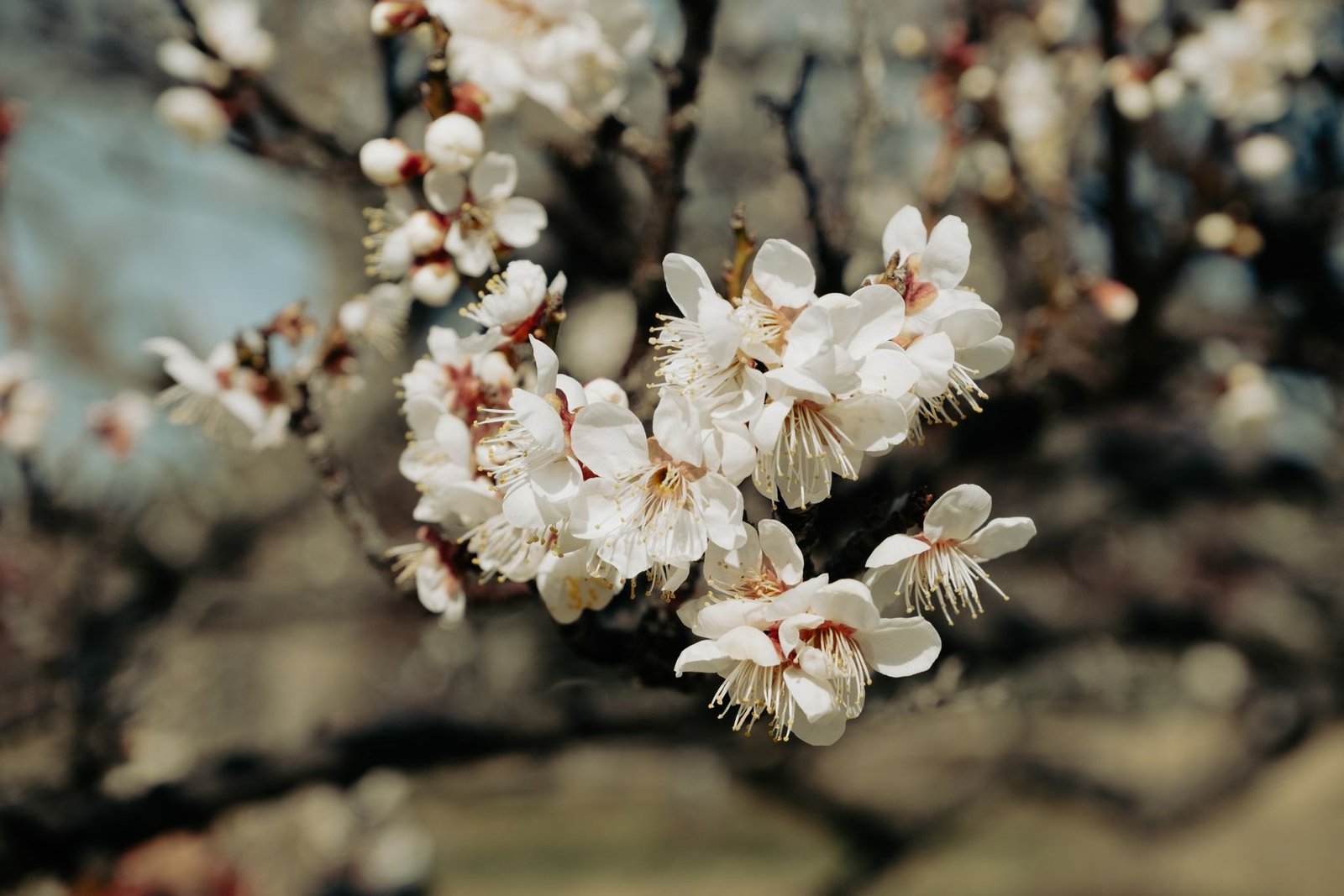
Michizane was famously devoted to plum blossoms, and local legend holds that when he left Kyoto for exile, he composed a poem to a plum tree in his garden, asking it not to forget him just because its master was gone. According to the story, as the tale goes, one particular tree loved him so much that it uprooted itself and flew through the night to Dazaifu to be near him, taking root beside the shrine. That tree, known as the tobiume, or “flying plum,” is said to still bloom earlier each spring than any other tree on the grounds, a small, sweet detail that softens a story that begins in exile and grief.
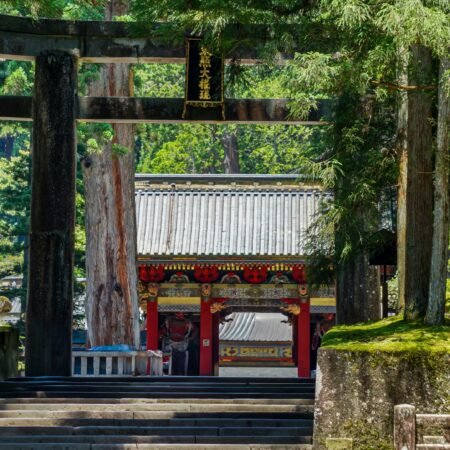
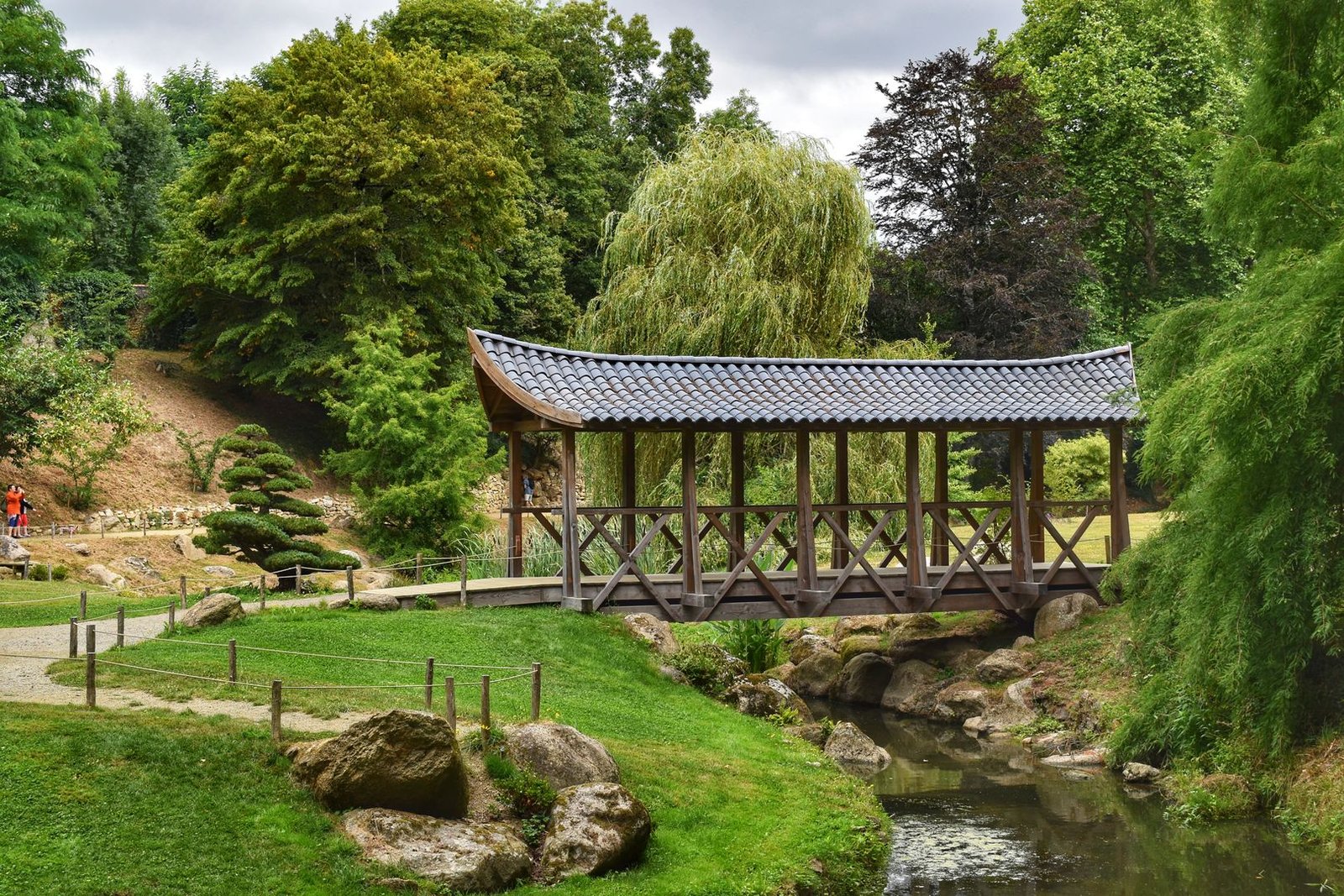
Walking the shrine precincts today, you cross the Taiko-bashi, a red drum bridge arched over a pond shaped like the character for “heart.” The bridge is divided into three sections, said to represent the past, present, and future, and tradition holds that stumbling on any of them brings bad luck. I watched a group of teenagers navigate it with theatrical care before hurrying on to the honden to pray, presumably, for exam results rather than protection from an angry ninth-century ghost.
That’s the strange double life of this place. Michizane’s story is, structurally, a classic ghost story: injustice, death, supernatural retribution. But almost nobody visiting Dazaifu Tenmangu today experiences it that way. They come with pencil cases and university applications, not sceptre and salt. Somewhere over eleven centuries, the fear curdled into reverence, and the onryo became one of the most approachable, most visited deities in the country.
A Living Shrine, Not a Relic
It’s worth remembering that Dazaifu Tenmangu isn’t a ruin or an abandoned site people sneak into after dark. It’s a fully active shrine, one of the busiest in Kyushu, with regular festivals throughout the year, including the Jinkosai in September and the Usokae bullfinch-exchange ritual in January. None of the access information here involves anything beyond what any visitor can do during normal opening hours, on the shrine’s own grounds.
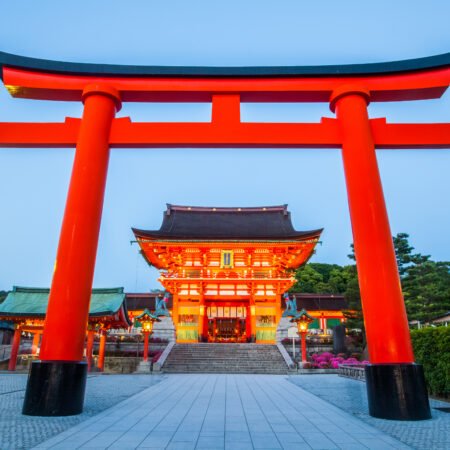
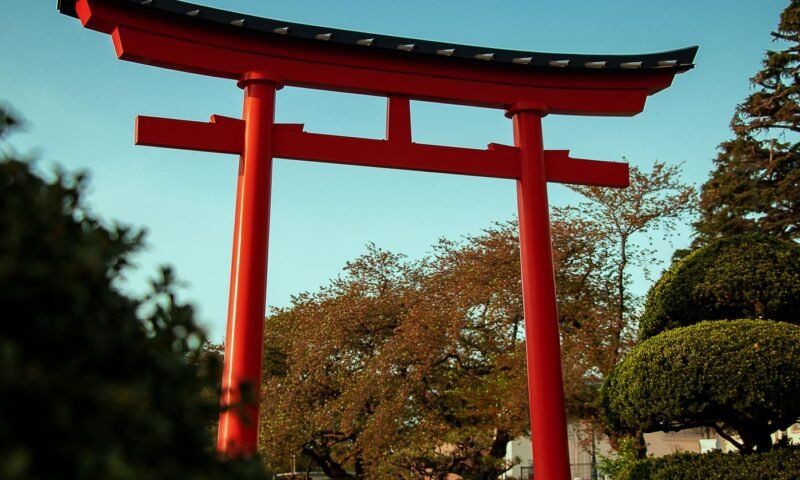
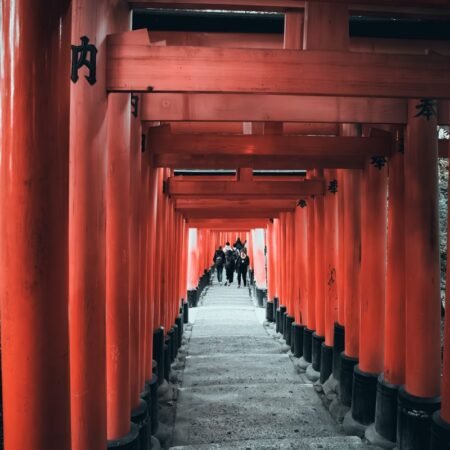
If you do visit, the etiquette is the same as at any Shinto shrine, and worth taking seriously precisely because so many people treat Tenjin as approachable. Bow once before passing through the torii, keep to the sides of the main path (the centre is traditionally reserved for the kami), and follow the standard purification steps at the temizuya before approaching the honden. During exam season, from January through March, the grounds get extremely crowded with students and their families, so patience and a bit of quiet are appreciated more than usual. Photography is generally fine in the outer grounds, but be mindful around people who are clearly there to pray rather than sightsee, and never treat someone’s private moment at the shrine as a photo opportunity.
What draws me back to stories like this one isn’t the scare, it’s the reversal. Somewhere between the ninth century and now, a court’s fear of a dead man’s grudge turned into a nationwide, entirely benevolent tradition, one that still shapes how Japanese teenagers spend their New Year’s shrine visits. I don’t know that I believe a ghost caused a lightning strike in 930. But I believe that a great many people did, and that their belief built one of the loveliest shrine complexes I’ve visited in this country.
Note: images accompanying this article are illustrative stock photos and do not necessarily show the specific site discussed.



コメント