






I took the night train to Obasute Station on a whim, mostly because the name on the timetable made me uncomfortable. “Obasute” means, more or less, “abandoning the old woman.” Not the kind of word you expect to see printed cheerfully on a JR East platform sign, next to a seasonal poster for autumn leaves.
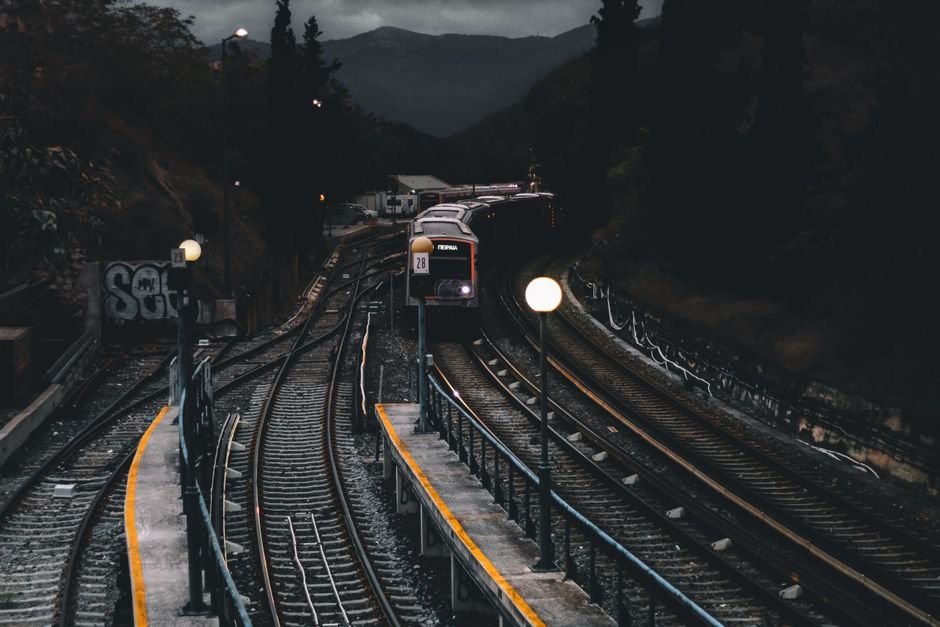
The station itself does nothing to soften the name. It’s a small, unstaffed switchback halt on the Shinonoi Line, built in 1900, clinging to a hillside above the Chikuma Valley in what is now Chikuma City. On a clear night, the lights of the valley spread out below the platform like something poured from a cup, and somewhere above you, mostly unseen in the dark, is the mountain everyone still calls Obasuteyama, even though its official name is Kamuriki-yama. I’d come to see the view the trains are famous for. I left thinking more about the story the mountain is named after, and about a ghost who, according to one old play, only comes out once a year.
A Story Fourteen Centuries Have Kept Retelling
The legend of ubasute, the “casting away of the old woman,” is one of the oldest and most uncomfortable threads in Japanese storytelling. The basic shape of it, as it’s told in the tenth-century Yamato Monogatari and later in Konjaku Monogatari, isn’t quite the version most people assume. It isn’t usually a desperate farmer leaving his starving mother to die in a famine. In the version tied to this mountain, a man is pressured by his wife into carrying his elderly aunt, who raised him, up into the hills and abandoning her there. He goes through with it, and almost immediately regrets it. Unable to sleep for grief and shame, he climbs back up under the full moon and brings her home.
It’s worth sitting with that detail, because according to local legend it’s the regret, not the abandonment, that gave the mountain its second meaning: a place people came to associate not with cruelty rewarded, but with cruelty confessed. Whether anything like this ever actually happened here, as an everyday practice rather than a story, is genuinely disputed. The most careful assessment I’ve come across, from a Japanese encyclopedia of folklore, is blunt about it: ubasute is the subject of legend, but it doesn’t seem to have ever been a widespread real custom. Most historians treat it as a moral tale about duty and old age rather than a record of what people actually did on this particular slope.
The Ghost Who Only Dances Once a Year
What turned the legend into something closer to a ghost story is a Noh play, simply titled Obasute, one of a small, rarely performed group of “old woman” plays in the classical repertoire. In it, a traveling monk comes to this exact mountain on the night of the harvest moon and meets an old woman in white robes. As the night deepens, she reveals herself as the spirit of the aunt left here centuries before. She dances, once, under the full moon, caught somewhere between sorrow and release, and vanishes with the coming of dawn.
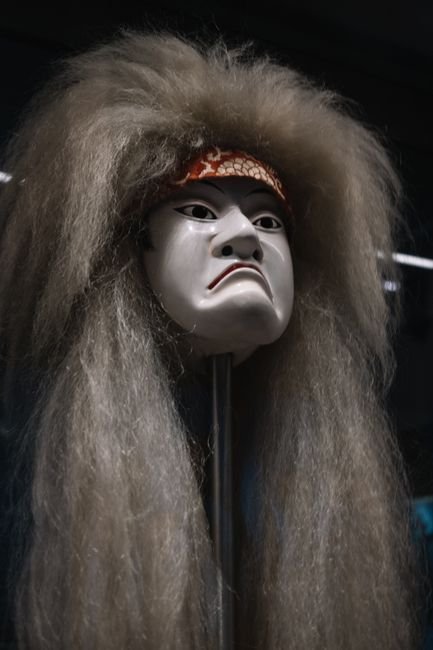
I want to be careful about how I describe that, because it isn’t a “sighted at midnight by three separate campers” kind of story. According to the play, this is a spirit bound to a single, specific night of the year, not a resident haunting in the way a creaking old house might be. It’s closer to the moon-viewing poetry that this whole area is famous for than to a modern horror story, and I’d argue that’s exactly why it’s stayed in the repertoire for so long: it’s a ghost built out of guilt and grief rather than malice, which is a much harder thing to perform, or to shake off, than a jump scare.
A Village That Became Famous for the Moon Instead
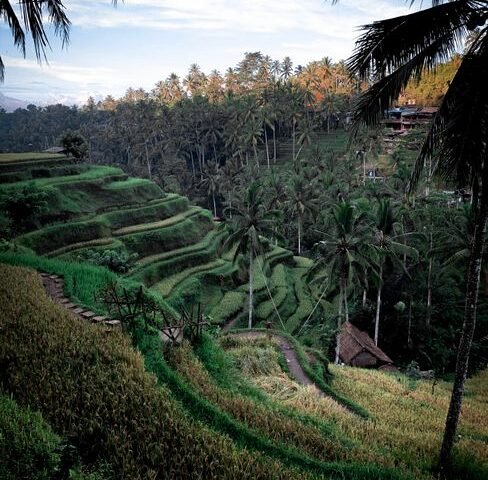
Here’s the part of this story I didn’t expect: the place leaned into the sorrow and turned it into something closer to reverence. Rather than quietly renaming the mountain to escape the association, locals built an entire cultural identity around the moonlight that the legend is soaked in. The terraced rice paddies that climb the slope below Obasute Station were officially certified in 1999 as one of Japan’s top rice-terrace landscapes by the agriculture ministry, and designated a Place of Scenic Beauty by the national cultural affairs agency in the same year. The area still markets itself, without irony, as the “village of the famous moon,” home to the phrase tagoto no tsuki, “the moon in every paddy,” describing how a single autumn moon seems to multiply itself across dozens of flooded terraces at once.
The tenth-century Sarashina Diary, written by a Heian-era noblewoman passing through this district, is cited locally as part of where the place name settled into the landscape. JR East still runs seasonal night-viewing trains out to this unstaffed little station specifically so passengers can watch that reflected moonlight from the platform, which tells you something about how thoroughly a sad old legend got absorbed into a much gentler, much more marketable tradition of moon poetry.
Visiting With Some Care
If you want to see it for yourself, Obasute Station is a normal, fully public stop on the Shinonoi Line, and the rice terraces are visible from public paths and the platform itself, so there’s no need to go wandering onto anyone’s working farmland to get the view everyone comes for. That said, it is a small, unstaffed station in a quiet rural community, not a theme park, and the terraces are somebody’s actual livelihood. Keep to the marked paths, don’t climb onto the paddy banks for a better photo, and remember that the “seasonal night train” crowds are still sharing a working village with people trying to sleep. If you go for the moon-viewing season, go in autumn, dress for a cold platform, and give yourself a moment, as that monk in the old play does, to actually sit with the story rather than just photographing the view and leaving. A legend built on regret seems like the wrong one to rush through.
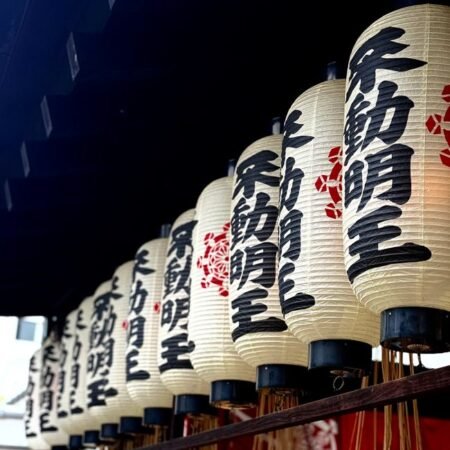
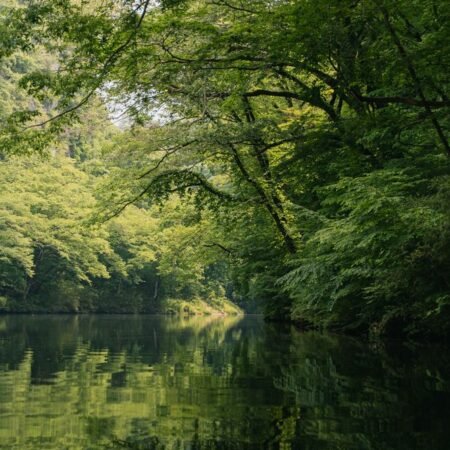
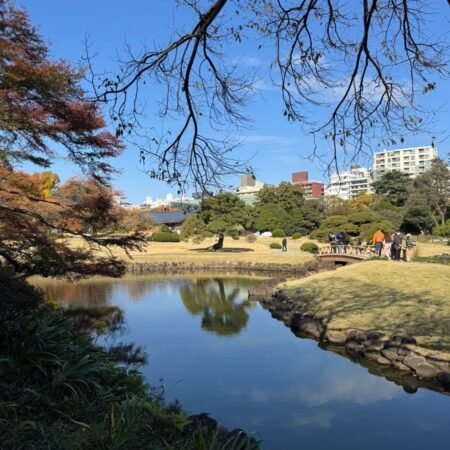
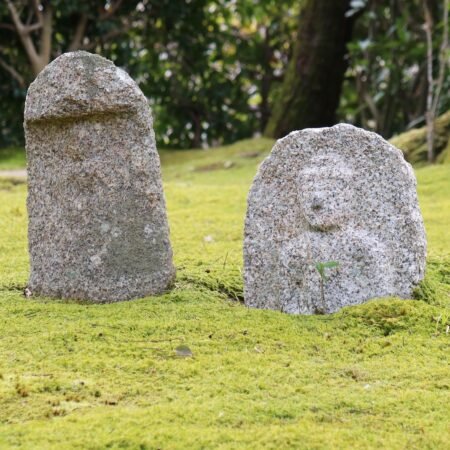
Note: images accompanying this article are illustrative stock photos and do not necessarily show the specific site discussed.

コメント