




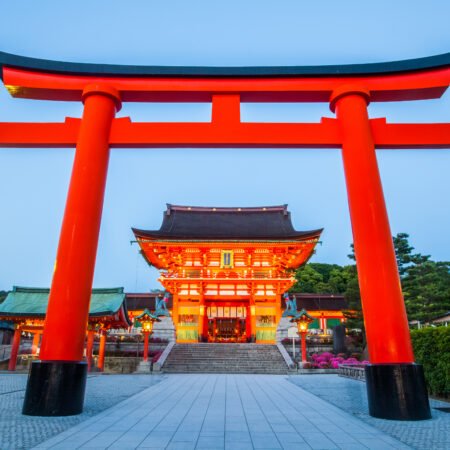

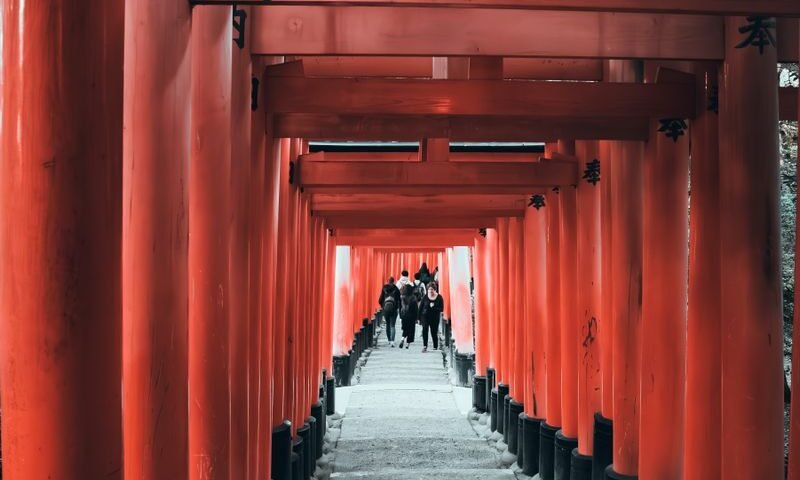
I nearly walked past it. That is the first thing worth saying about the Oiwa Inari Tamiya Shrine, tucked into a quiet residential block of Samon-cho in Shinjuku. No queue, no incense stalls, no tour groups snapping photos of a torii gate. Just narrow lanes, parked bicycles, and a small shrine gate wedged between ordinary houses. If you didn’t know the name Oiwa, you would walk past without a second glance. I nearly did, on a grey Sunday afternoon a few autumns ago, before I noticed the little wooden ema plaques hanging by the entrance, each one printed with the pale, disfigured face that has haunted Japanese horror for two centuries.
That face belongs to Oiwa, the central figure of Yotsuya Kaidan – according to most people I’ve spoken to here, the single most famous ghost story in Japan. I’ve spent a good chunk of my seven years in this country chasing down places like this: not to scare myself silly, though there’s always a bit of that, but because I like the moment when a scary story turns out to be sitting on top of something more complicated and more human. Yotsuya Kaidan is a good example. The story is fiction. The shrine is real. And the woman it’s named after may have been neither the victim nor the monster the legend made her.
The Making of a Ghost Story
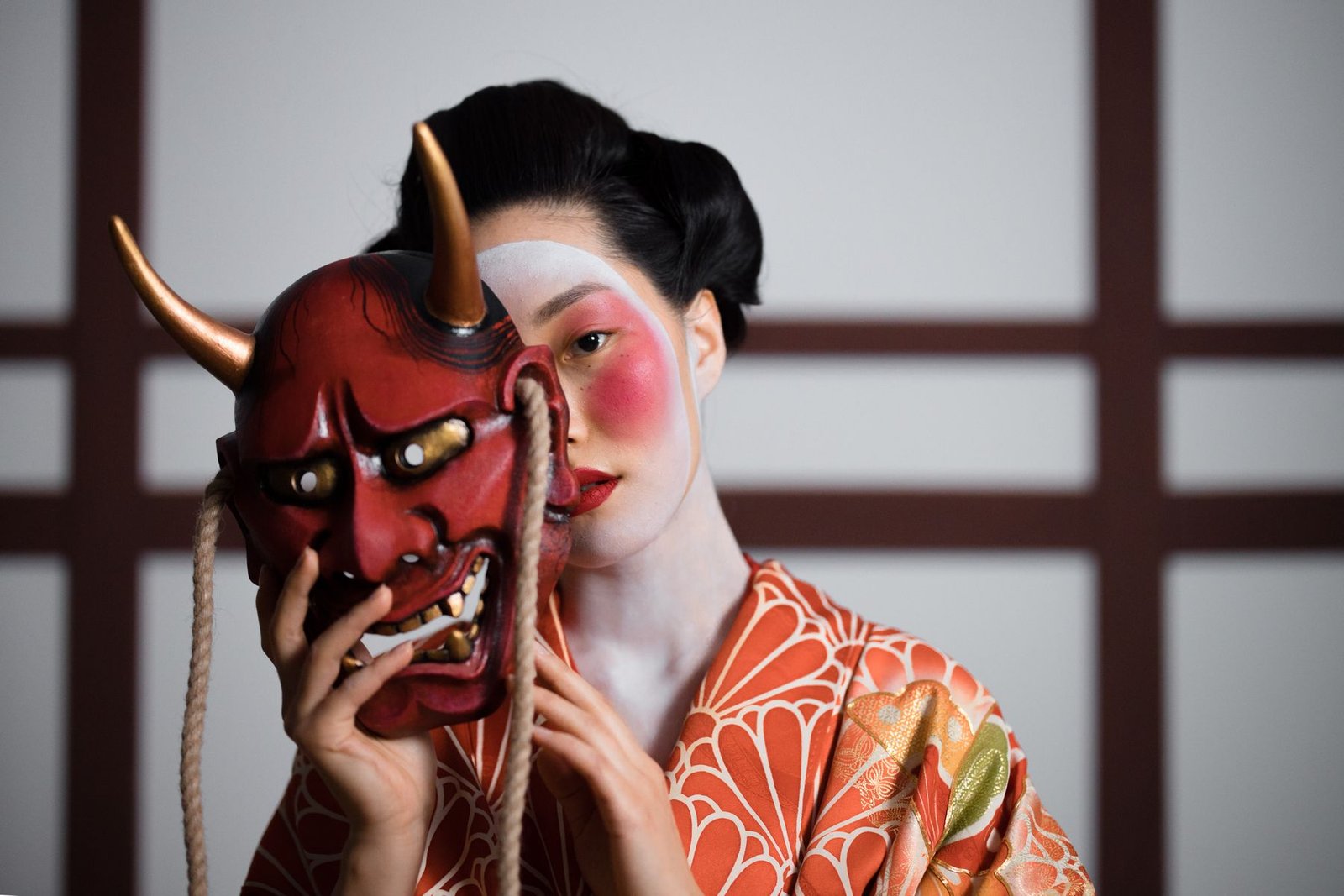
Yotsuya Kaidan as most people know it today took shape as a kabuki play, written by Tsuruya Nanboku IV and first staged at the Nakamuraza theatre in Edo in 1825. The plot, in brief: a ronin named Tamiya Iemon grows tired of his wife Oiwa, disfigures her with poisoned medicine supplied by a rival family, and sets in motion a chain of betrayals that ends with Oiwa’s death. She returns as an onryo, a vengeful spirit, and drags Iemon and everyone connected to his cruelty down with her.
What I find more interesting than the plot, honestly, is what Nanboku was doing when he wrote it. By most accounts, he stitched the story together from at least two separate, real criminal cases from the Edo period – a poisoning and a punishment of an unfaithful retainer – and grafted them onto the name of a woman who had lived roughly two hundred years earlier. It’s less a ghost story with a factual basis than a piece of theatre built to feel true, using real names and half-remembered scandals as raw material. That distinction matters, and it’s one the shrine itself seems keen to make.
Who Was the Real Oiwa?
This is the part of the story that changed how I think about the whole genre of “real” haunted spots. According to the shrine’s own account, and to several local histories I’ve come across, an actual woman named Oiwa did exist, married into the Tamiya family generations before Nanboku ever picked up a pen. The record suggests she was, by all accounts, happily married, well regarded, and by some tellings even credited with restoring the family’s fortunes through hard work and devotion to her household’s Inari shrine. None of the poisoning, the disfigurement, or the revenge described in the kabuki play appears to have happened to her.
So how did her name end up attached to one of the darkest stories in Japanese theatre? The most common explanation I’ve heard, repeated by shrine literature and local guides alike, is a kind of borrowed prestige turned sour: Nanboku wanted a name the Edo audience would recognise, and the real Oiwa’s reputation for good fortune made her name useful, whether or not it was fair to her memory. It’s a reminder that “true story” horror is very often a story about reputation and storytelling as much as it is about the supernatural. I try to keep that in mind whenever a spot’s reputation rests on a name rather than on documented events, and it’s part of why the content policy I hold myself to here avoids treating local legend as settled fact.
A Shrine Actors Still Won’t Skip
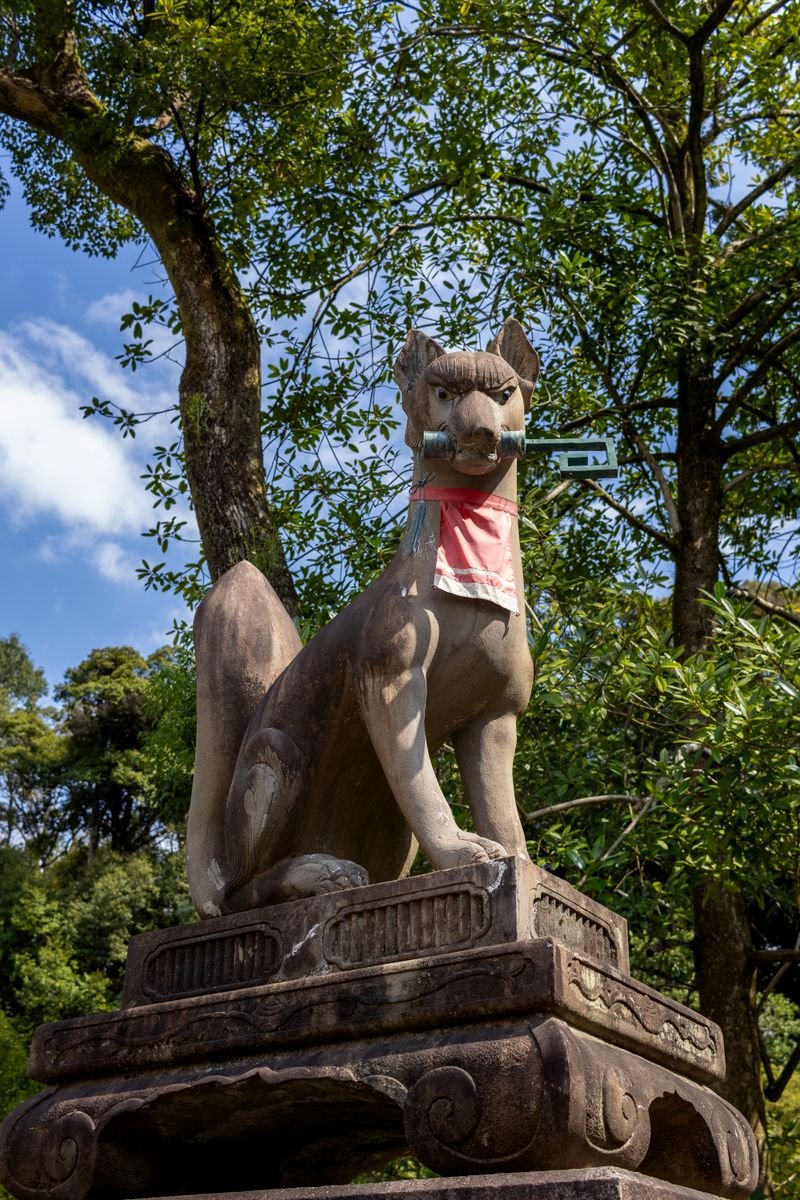
Whatever the historical murkiness, the cultural weight of the legend is not in question. Long after the kabuki premiere, the shrine associated with the Tamiya family became a genuine site of ritual observance, particularly within the entertainment industry. It’s widely reported, and repeated to me by more than one Tokyo-based actor over the years, that directors and cast members involved in film, television, or stage adaptations of Yotsuya Kaidan still make a point of visiting to pay their respects before production begins. The idea isn’t so much fear of a literal curse as a kind of professional courtesy – a nod to the story’s cultural weight and, I suspect, no small amount of insurance against bad luck on set. Several productions over the decades have reportedly suffered accidents or delays that got blamed, fairly or not, on skipping the visit. I’m not in a position to confirm any of that as cause and effect, and neither, really, is anyone else. But the custom persists, which tells you something about how seriously this story is still taken, generations on.
Visiting Oiwa Inari Tamiya Shrine Today
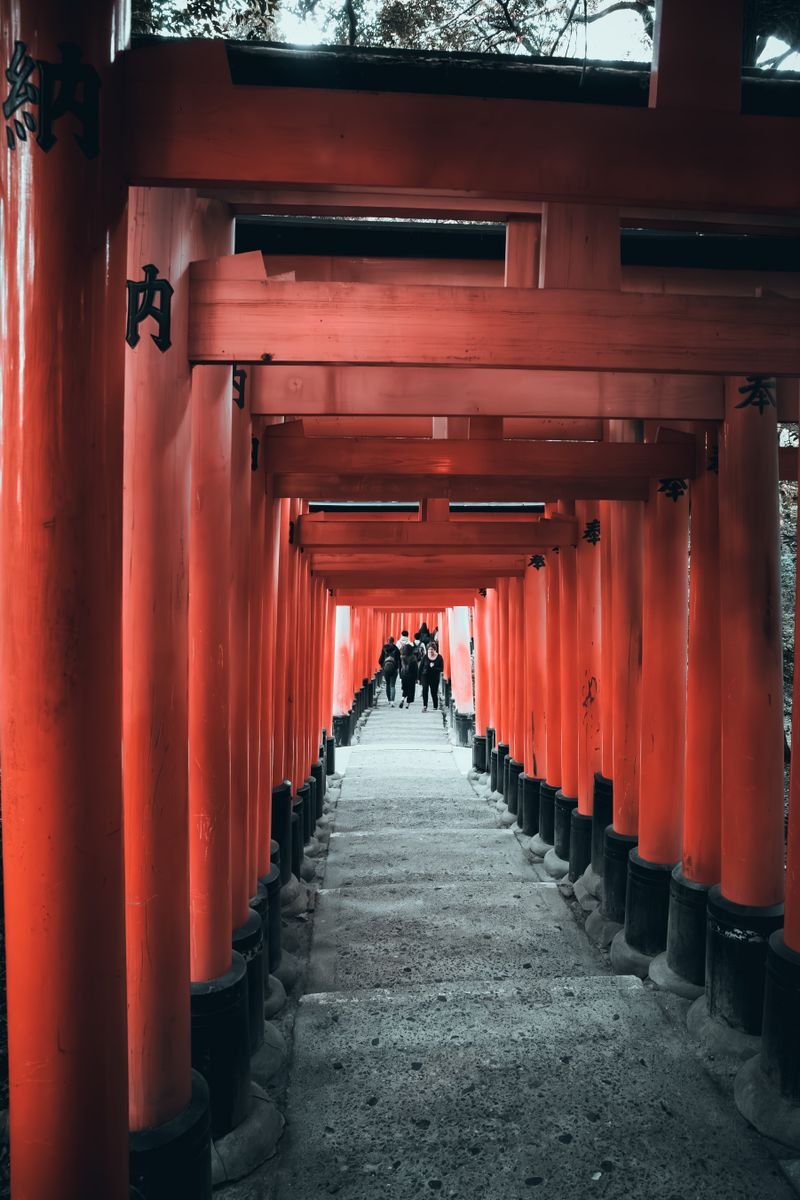
The shrine sits at a residential address in Samon-cho, a short walk from Yotsuya-sanchome Station, and it costs nothing to visit. There’s no admission gate, no set opening hours posted that I could confirm beyond daylight hours, and no attendant hovering nearby. It is, first and foremost, a working neighbourhood shrine, and it’s treated as one by the people who live around it. That’s worth bearing in mind before you go: this isn’t a theme park attraction, and the appropriate way to visit is the same as at any Shinto shrine – a small bow at the torii, quiet voices, and no wandering into areas that aren’t clearly part of the public shrine grounds.
If you’d like to see something connected to the story, you can also visit Myogyo-ji temple in Sugamo, said to hold the grave of the historical Oiwa, though I’d treat that pilgrimage with the same respectful curiosity rather than as a horror-tourism checkbox. Whatever you find there is, after all, someone’s actual resting place, not a film set.
A Few Notes on Visiting Respectfully
I’ll end the way I try to end most of these pieces, because I think it matters more than the spooky details. Oiwa Inari Tamiya Shrine is on private residential land in a quiet part of Shinjuku, so keep noise down, don’t block the narrow street for other visitors or residents, and don’t treat the ema plaques or offerings as photo props. Nothing about this location involves abandoned buildings, closed-off ruins, or any kind of trespassing – it’s an active, public shrine, and that’s exactly why it’s worth visiting on its own terms. Go for the story, by all means. Just remember that, real or not, someone’s name is still attached to it, and a bit of quiet respect costs nothing.
コメント