





I almost missed it. I was cutting through Shinanomachi on my way to meet a friend near Aoyama, half-jogging because I was late, when I turned a corner and just… stopped. The whole street had gone gold. Not “pretty autumn leaves” gold — I mean the air itself looked gold, like someone had tinted the light. I stood there blocking foot traffic for a solid minute before I remembered where I was: the ginkgo avenue at Meiji Jingu Gaien, which I’d heard about from basically every Tokyo friend I have and somehow never actually gone looking for on purpose. Turns out you don’t really need to look for it. In late November, it finds you.
I ended up going back three more times that week, which tells you everything about how this place gets under your skin.
A Street Built to Be Looked Down
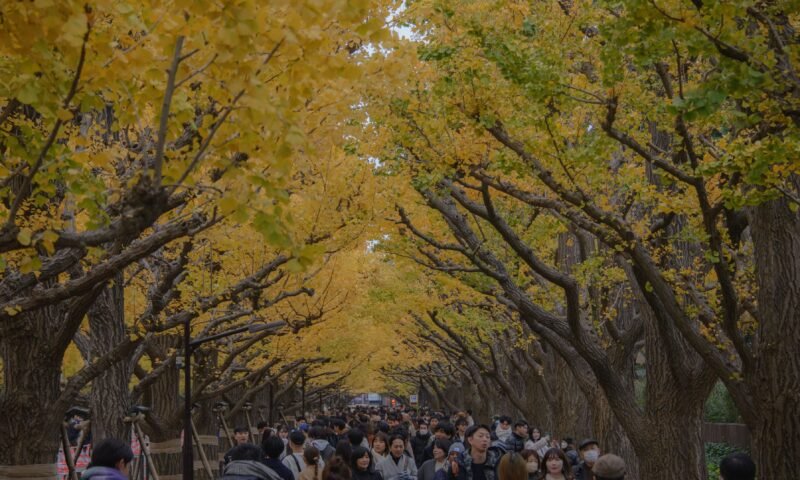
The avenue is part of Meiji Jingu Gaien, the outer garden complex built in 1926 as a memorial to Emperor Meiji, and it’s a lot smaller than I expected from the photos — about 300 meters, lined on both sides with roughly 150 ginkgo trees. What the photos don’t quite prepare you for is the geometry of it. The trees were planted so the avenue narrows slightly toward the far end, where it lines up with the old Meiji Memorial Picture Gallery, so when you stand at the near end and look straight down the row, you get this almost engineered vanishing-point effect — gold walls funneling toward a building that looks like it’s been waiting there since the Taisho era, because it has.
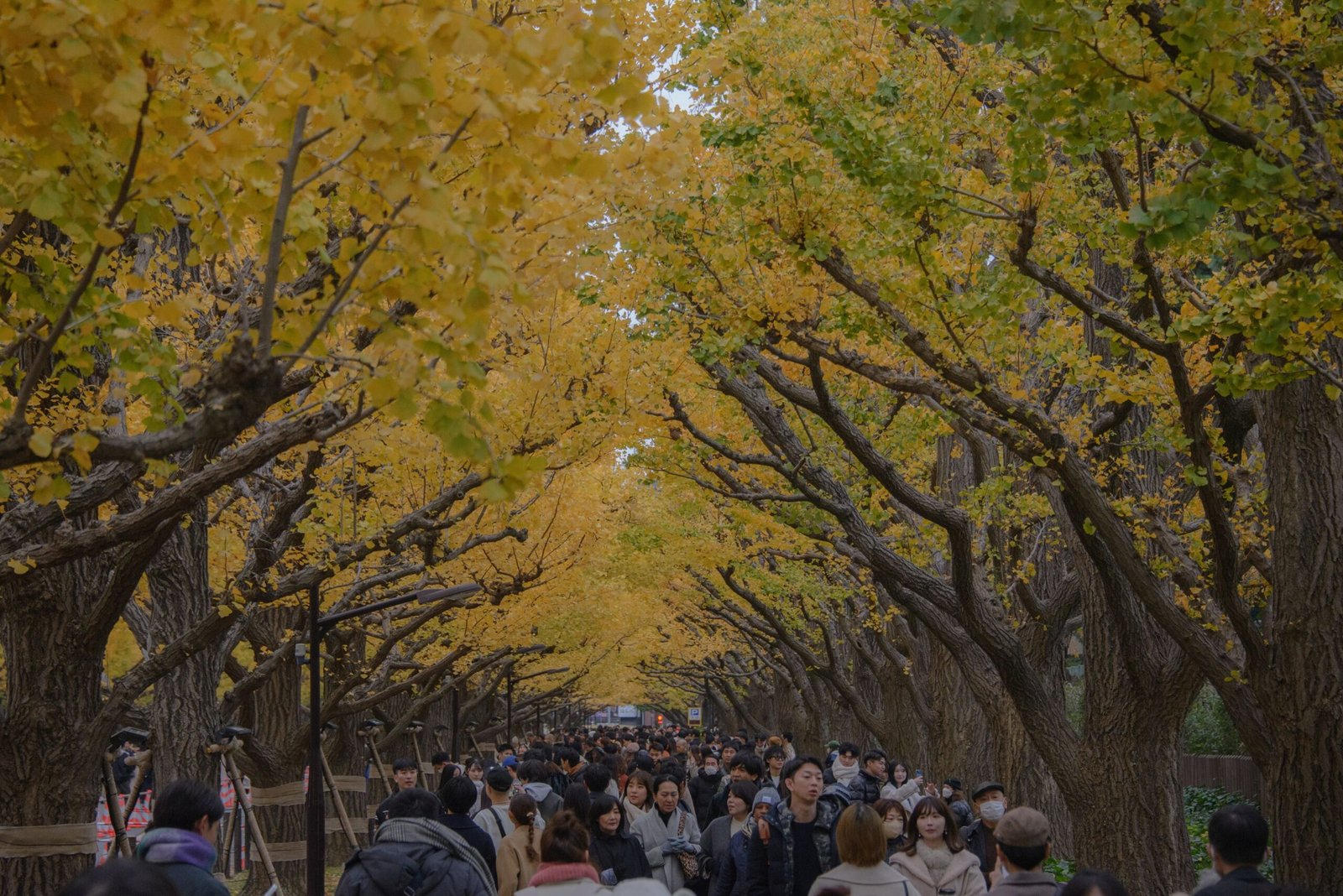
Ginkgo trees are weirdly dramatic about turning color. Most of the year they’re just… trees. Then sometime in mid-to-late November, almost all at once, every leaf on every tree flips to this saturated egg-yolk yellow, and they tend to drop in a short window too, which is why the ground under them turns into its own second carpet. I’d grown up thinking of autumn leaves as a red-and-orange thing, so the first time I saw an entire boulevard go monochrome gold, it genuinely looked unreal to me, like a color grade someone had applied to real life.
A quick practical note: when I visited, part of the avenue closest to the gallery end was fenced off for construction work, which blocked that classic head-on photo spot. It didn’t ruin the walk at all, just something to expect rather than something to be caught off guard by — ask at one of the festival information points if you want to know exactly how much is open on the day you go.
The Ginkgo Festival Turns It Into an Event
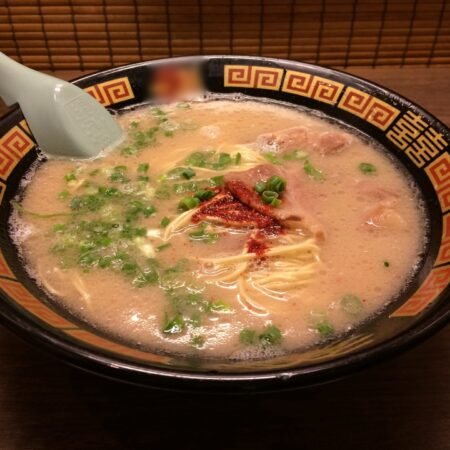
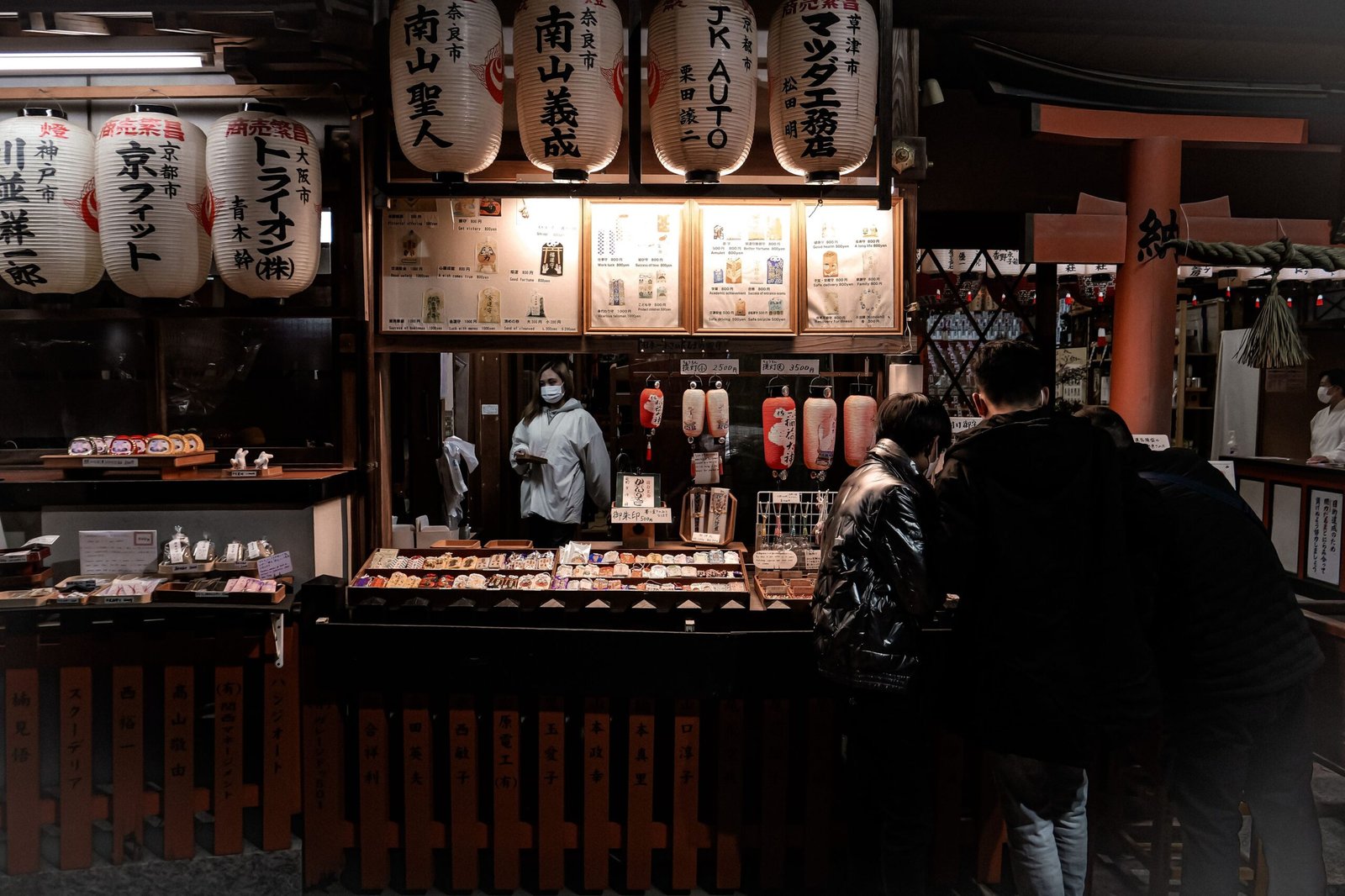
What makes this more than “nice tree, would recommend” is that the city runs an actual festival alongside the avenue for the back half of November into early December — the Jingu Gaien Icho Matsuri, or Ginkgo Festival. Along the avenue and the surrounding plaza, dozens of food stalls set up (I counted well over twenty the day I went, and I’ve seen the number quoted as high as thirty-plus some years), each one representing a different region of Japan rather than just generic festival food. I had grilled Hokkaido scallops standing up at a folding table, then went back ten minutes later for something from a stall selling Kyushu-style tonkotsu, which is not a combination I’d recommend eating in that order but absolutely do not regret.
Ginkgo nuts themselves show up on menus too, usually skewered and lightly salted or tucked into chawanmushi, the savory egg custard. They taste sort of like a cross between a pine nut and a soft-boiled chestnut, slightly bitter in a way I’ve grown to like after exactly one try. Don’t eat a huge pile of them in one sitting, though — ginkgo nuts contain a compound that can cause mild poisoning in large quantities, especially in kids, so a few as a festival snack is the move, not a bagful as dinner.
On weekend evenings during the festival the avenue gets lit up from around 4:30 to 7:30pm, and this is honestly when I liked it best — the stall lanterns, the string lights woven into some of the trees, the gallery glowing faintly in the background, and the gold of the leaves somehow reading even deeper under artificial light than in the afternoon sun. It gets crowded, shoulder to shoulder in spots, but it has a genuinely festive, neighborhood energy rather than a tourist-trap one. I saw as many elderly couples on an evening stroll as I did groups of students with phones out.
Getting There and Timing It Right
The avenue sits between several train stations, which is unusually convenient for Tokyo — Shinanomachi, Sendagaya, Gaienmae, Aoyama-itchome, and Kokuritsu-Kyogijo are all within a five-to-ten minute walk, so pick whichever lines up with where you’re coming from. Entry to the avenue and the festival area is free, which I appreciated after a run of pricier autumn-leaf spots elsewhere in the city.
Timing matters more here than at a lot of Tokyo sights, because ginkgo color is brief and a little unpredictable year to year depending on the weather. Mid-to-late November is generally the safest bet, and I’d aim for a weekday afternoon if you want fewer crowds, or a weekend evening if you’re there for the lantern-lit atmosphere and don’t mind the squeeze. Go on a clear day if you can — the whole point of this place is the light, and a flat gray sky takes a lot of the magic out of it.
If you’re coming for the color and not the food stalls specifically, you can also just treat the avenue as a quiet detour on a longer walk — it connects easily to a wander around the National Stadium area or over toward Aoyama, so I never felt like I was making a special pilgrimage just for this, which honestly made it feel less like sightseeing and more like a nice accident I kept choosing to have again.
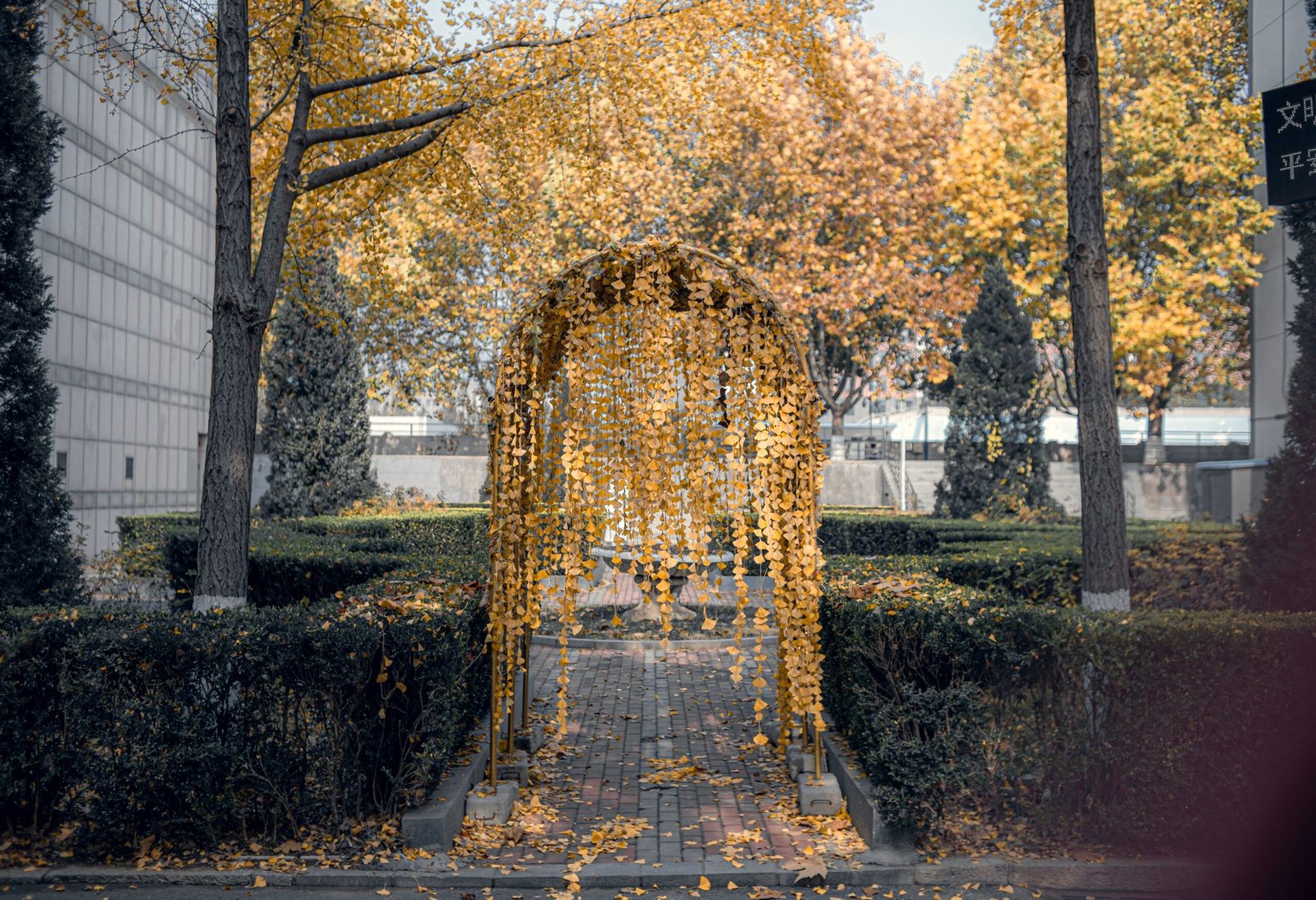
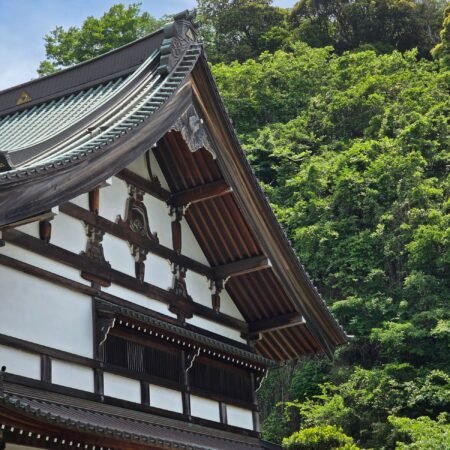
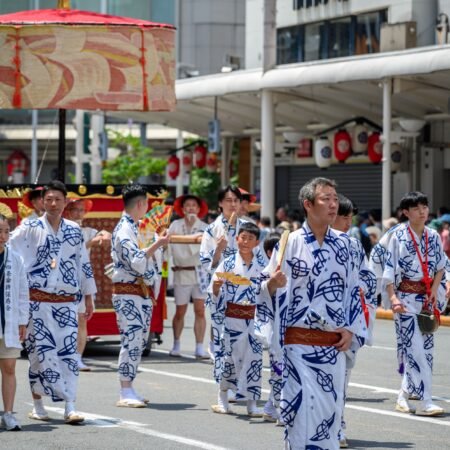
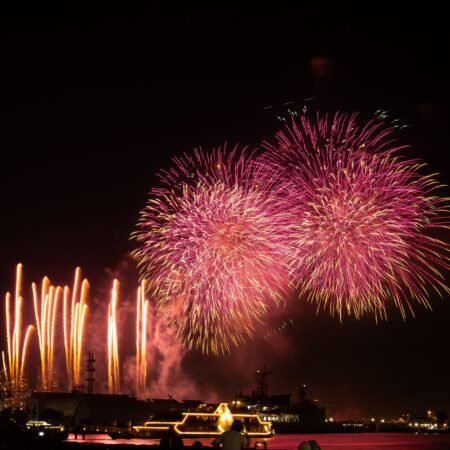
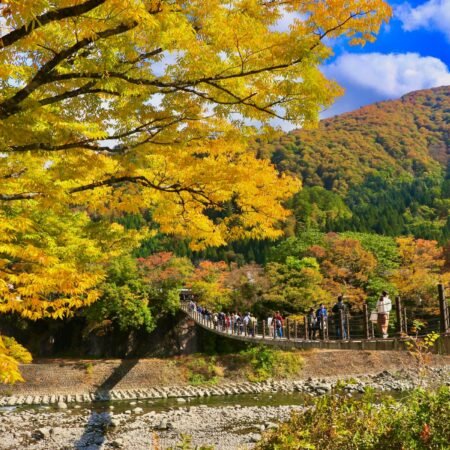
A quick note on photos: some of the images here are stock photos I’ve used to set the mood — they may not be the exact spot or moment I’m describing, just close in spirit.
コメント