













The first thing anyone tells you about the Nakasendo trail is to ring the bell. Not metaphorically — there are actual brass bells bolted to posts every few hundred meters along the forest path between Magome and Tsumago, and you’re supposed to give them a good clang before you walk past, just in case a bear is dozing in the undergrowth nearby. I rang every single one. Twice, in a couple of cases, because I wasn’t sure the first clang had been assertive enough. If any bears were in the area that morning, I imagine they left long before I arrived.
I’d taken the train out from Nagoya on a whim, after a friend described the walk as “like stepping into an Edo-period woodblock print, except you’re sweating.” That turned out to be an accurate description. The Magome-Tsumago stretch is the most famous surviving piece of the old Nakasendo, one of the five great roads that connected Kyoto and Edo (modern-day Tokyo) during the Edo period, and it’s the part most people mean when they talk about “walking the Nakasendo” today, even though the full route once ran well over 500 kilometers through the mountains of central Honshu.
Two towns that refused to modernize
Magome and Tsumago were both post towns, or shukuba, where travelers and their horses could rest, eat, and change porters on the long journey along the Kiso Valley. By the mid-twentieth century, like a lot of rural Japan, both towns were quietly falling apart, their wooden buildings crumbling while younger residents moved to the cities for work. Tsumago is the one that changed course first. In 1968, residents adopted a local preservation pledge — don’t sell, don’t rent, don’t destroy — that’s now credited as one of the earliest grassroots conservation movements in Japan, and it eventually fed into national cultural-heritage preservation law.
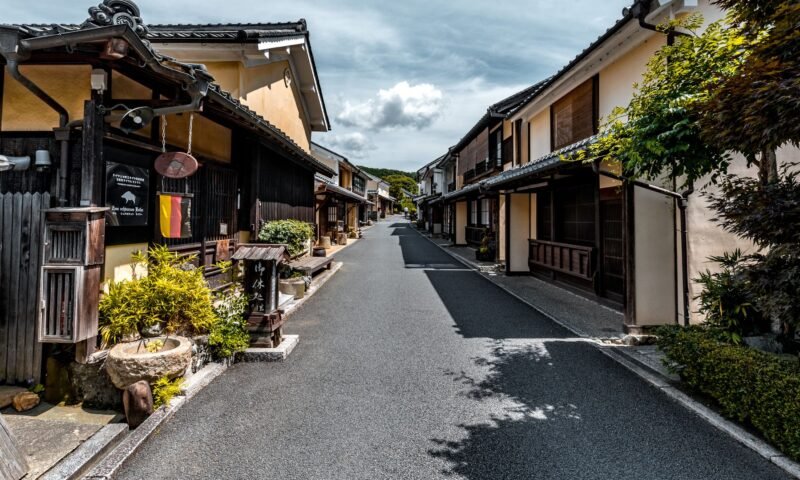
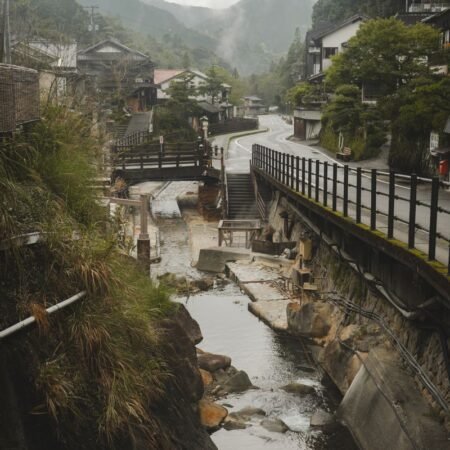
Walking into Tsumago now, you can see exactly what that pledge bought them. Power lines are buried, vending machines and visible modern signage are banned from the main street, and cars are kept off the central lane during the day. The wooden lattice facades, the sloped tiled roofs, the lanterns hung outside inns that have operated continuously since the 1800s — none of it is a reconstruction. It’s a town that simply declined to become anything else.
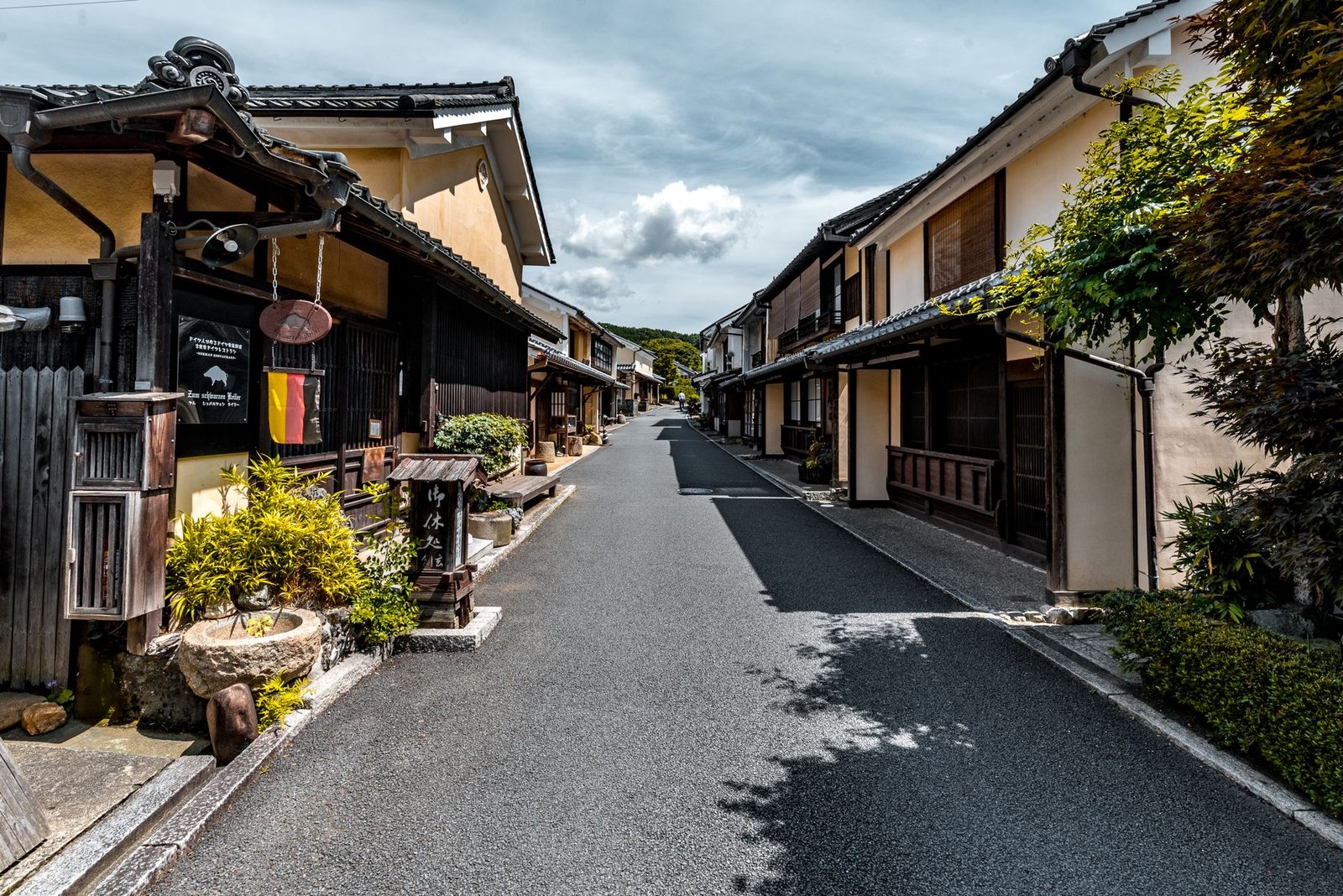
Magome, up on the opposite end of the trail in Gifu Prefecture, has a different character — it’s built up a steep hillside, with a stone-paved street zigzagging past souvenir shops, teahouses, and a small museum dedicated to Shimazaki Toson, the novelist who was born there and wrote about the valley in his historical novel Before the Dawn. Magome was actually rebuilt after a fire in 1895, so it has a slightly tidier, more curated feel than Tsumago, but it’s no less pleasant to wander around with an iced coffee in hand before or after the hike.
The walk itself
The trail between the two towns is about eight kilometers, and it took me a little under three hours at an unhurried pace, including several stops to take photos and one long pause at a vending machine that, against all odds, did exist at the halfway point. The path climbs out of Magome through tea fields and past a lookout with a clear view toward Mt. Ena on a good day, then crosses the Magome Pass before dropping down through cedar forest into the Kiso Valley.
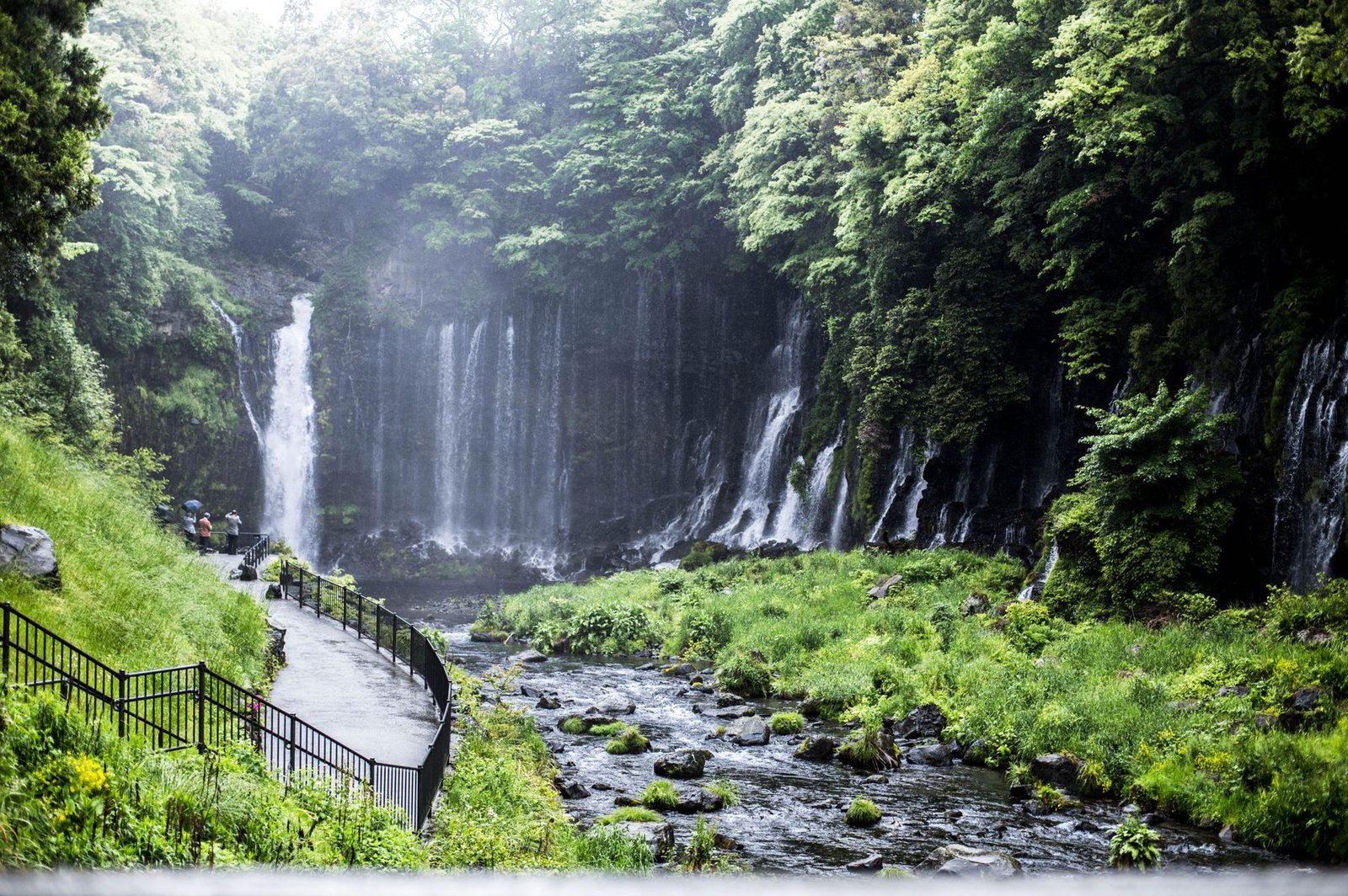
About two-thirds of the way along, the trail passes two waterfalls, known as O-daki and Me-daki — “male falls” and “female falls” — where the path narrows and the temperature drops a few noticeable degrees under the tree cover. It’s a good place to stop, refill a water bottle if you’ve got a filter, and listen to absolutely nothing but water and cicadas. I’d been half-expecting the forest sections to feel like padding between the two towns, but they ended up being my favorite part of the whole walk.
The trail is well-marked with English signage the whole way, and there’s a baggage-forwarding service, run out of the tourist information centers in both towns, that will transport your bags between Magome and Tsumago for around 1,000 yen so you can walk with just a day pack. I used it and have no regrets whatsoever about not carrying my overnight bag up a mountain pass.
Getting there and making it work
Most people base themselves in Nagoya or Nagiso and treat it as a long day trip. From Nagoya, take the JR Chuo Line limited express to Nakatsugawa Station, then a local bus to the Magome trailhead (about 25–30 minutes). Coming from the other direction, Nagiso Station on the JR Chuo Line connects to Tsumago by local bus in around 10 minutes. I walked from Magome to Tsumago, which is the more popular direction since it’s slightly more downhill overall, but either way works.
A few practical notes from my own trip: start early if you can, both to beat the midday heat in summer and because the bus schedules on either end thin out later in the day. Wear real hiking shoes rather than sandals — the trail is unpaved in long stretches and can get muddy after rain. And budget time in Tsumago afterward for a plate of gohei mochi, a local specialty of grilled, skewered rice cakes coated in a sweet-savory walnut or sesame miso sauce. I ate two on the spot and bought a third for the train ride home, which did not survive the train ride home.
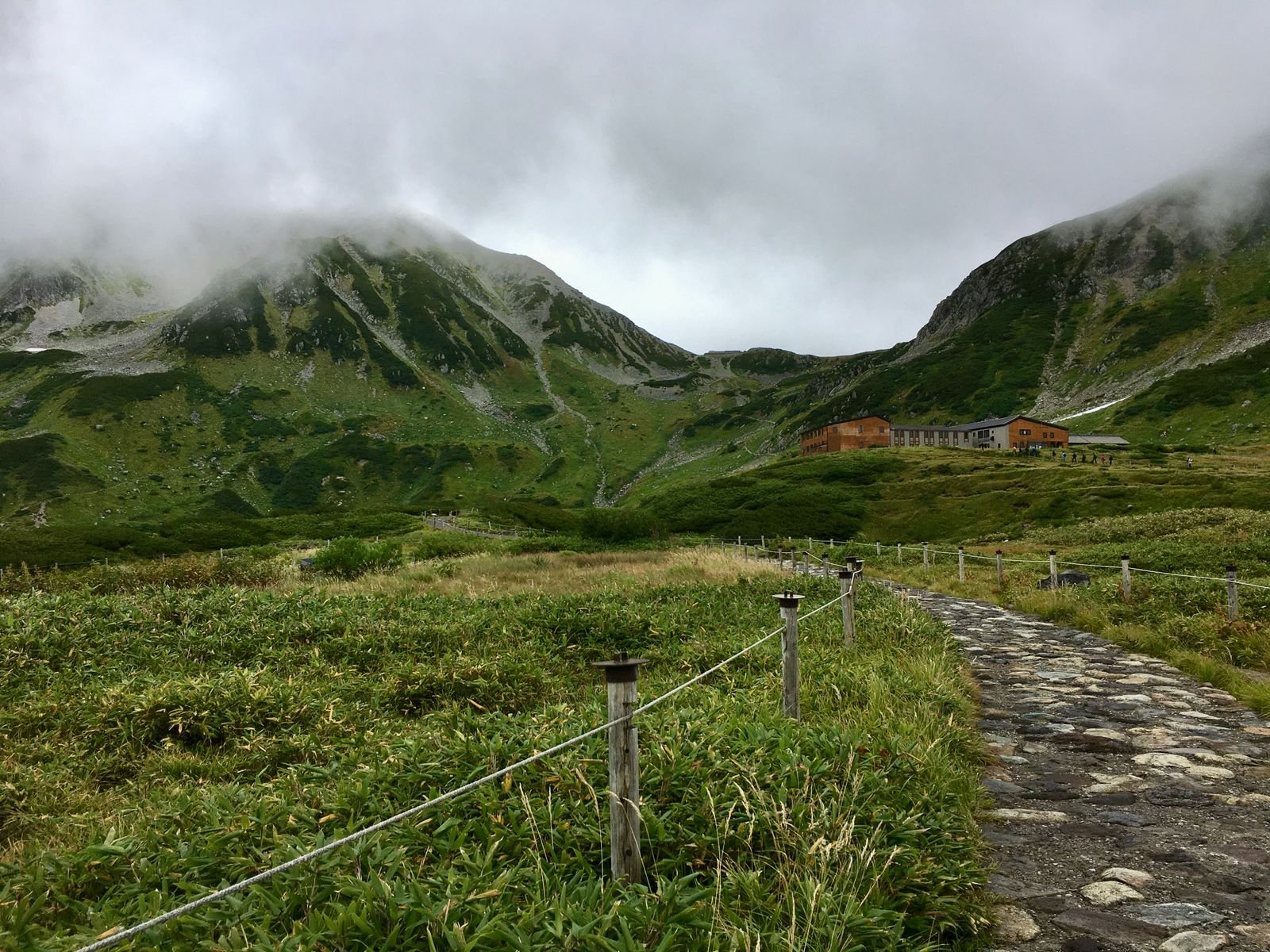
What stuck with me most, a few days after I’d gone home and washed the trail dust out of my socks, wasn’t any single view or photo stop. It was how quiet the whole thing was — not empty, there were other hikers around, but quiet in the sense that nothing was trying to sell me anything or compete for my attention. Just a stone path, some cedar trees, a couple of bells, and two towns that decided, a long time ago, to stay exactly as they were.
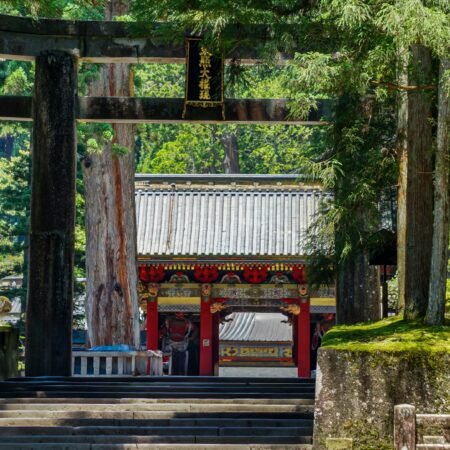
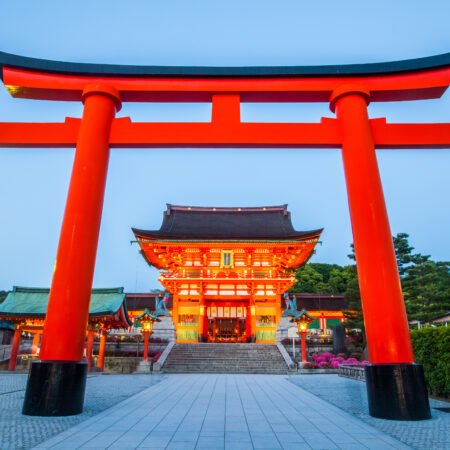
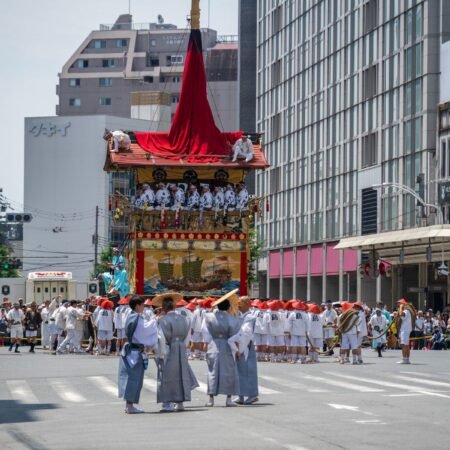
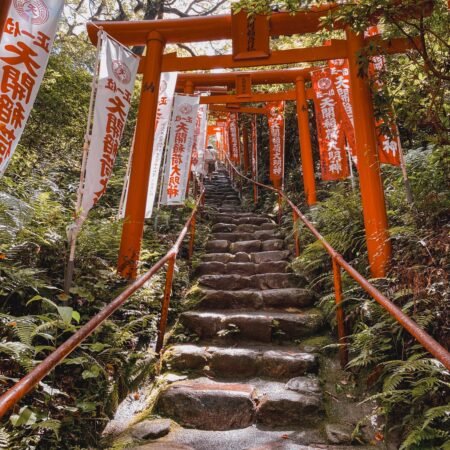
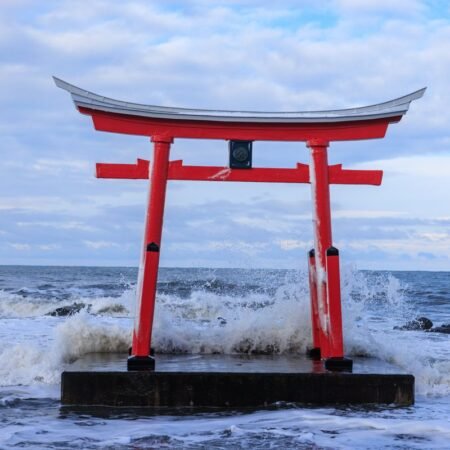
A quick note on photos: some of the images here are stock photos I’ve used to set the mood — they may not be the exact spot or moment I’m describing, just close in spirit.


コメント