






I first heard about Lake Iruka the way I hear about most of Japan’s quieter haunted places: secondhand, half as a joke, from a friend in Nagoya who grew up nearby. “There’s a lake past my grandmother’s village,” she told me, “where a ghost used to play the trumpet at night.” She said it the way you’d mention an eccentric uncle — fondly, and without much surprise. It took a weekend trip out to Inuyama in Aichi Prefecture, and a few evenings afterward reading old irrigation-ministry records, before I understood why a reservoir built to water rice paddies had become, over nearly four centuries, one of the quietly unsettling bodies of water in central Japan.
An Edo-Period Engineering Gamble
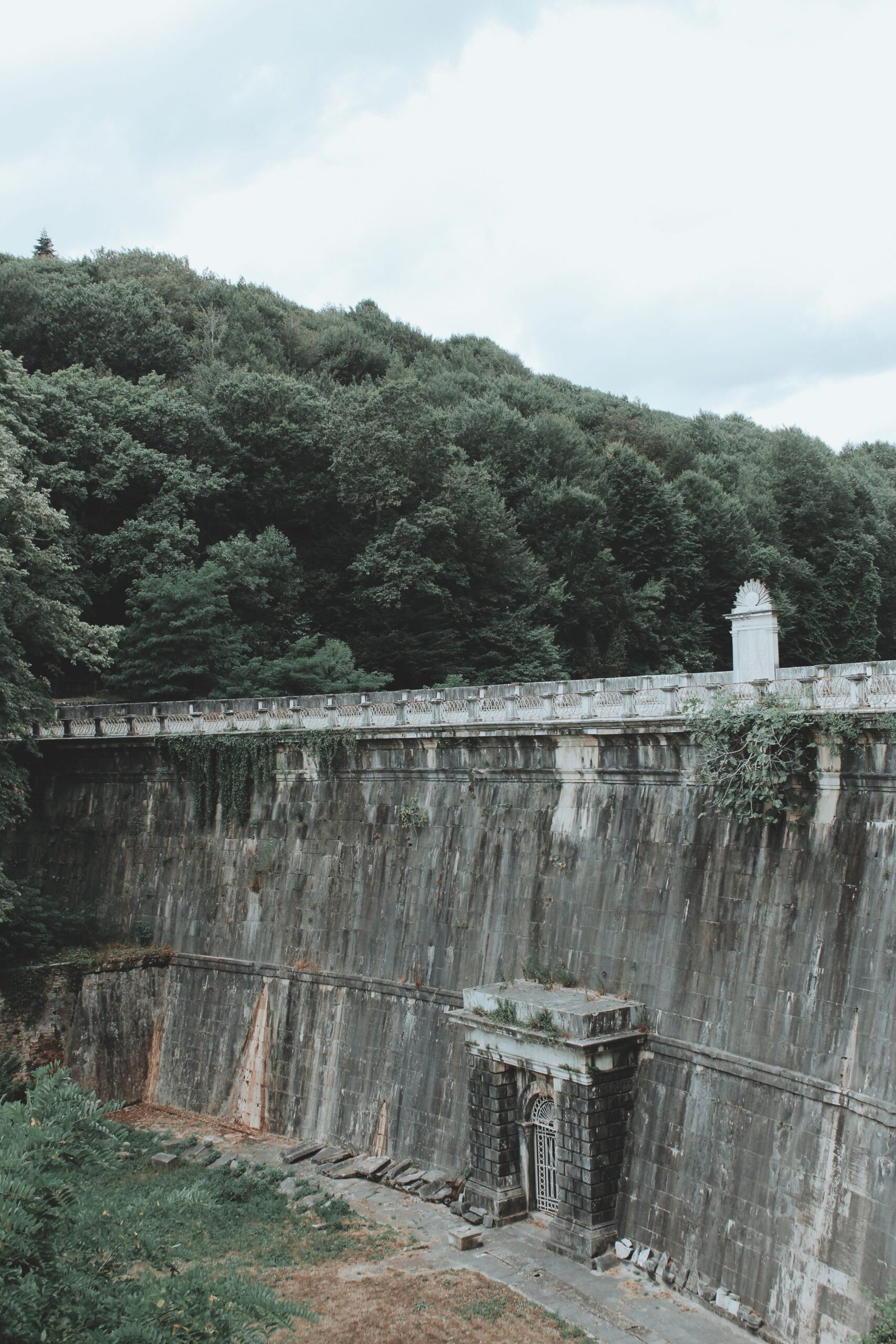
Iruka-ike, as it’s known locally, doesn’t look like a haunted place. It looks like what it is: a very large irrigation pond, ringed by wooded hills, popular today with bass anglers and weekend cyclists. But the pond itself was never natural. According to records kept by Japan’s agriculture ministry, a group of masterless samurai known as the Iruka Rokunin-shu — led by two men named Suzuki Sakuemon and Esaki Zenzaemon — first proposed damming the valley in 1628, hoping to irrigate the dry plateau around what are now Komaki and Kasugai. Their early attempts collapsed. The Owari domain, under Tokugawa Yoshinao, eventually took the project over as a domain undertaking, and after repeated failures the embankment was finally completed in 1633 using a reinforcing method called tana-zukuri.
What they built was substantial: a reservoir with a shoreline some sixteen kilometres around and a capacity of nearly seventeen million cubic metres, regularly described as among the largest irrigation ponds in Japan. The project mattered because the Kiso River, the obvious water source, had become harder to draw from after Tokugawa Ieyasu’s engineers walled off its banks early in the seventeenth century — a flood-control measure for Nagoya that left villages further out fighting over what was left. Iruka-ike was, in that sense, a very practical piece of hydraulic engineering. It is also, I’d argue, the reason this place has ghosts at all: you don’t get drowning legends without first building something large enough to drown in.
The Flood Nobody Can Quite Date
The embankment held for 235 years. Then, in the late spring of 1868 — the very first year of the Meiji era, with the old shogunate barely dissolved — a stretch of heavy rain overwhelmed it, and part of the dam gave way. Local histories, and the agriculture ministry’s own published record of the reservoir, state that the resulting flood is said to have killed around a thousand people in the farmland and villages downstream. I want to be careful with that figure: it is the kind of nineteenth-century casualty estimate repeated for a century and a half without anyone pointing to a register behind it, and no individual victim survives in anything I could find. What survives is the number itself, treated locally less as a statistic than as inherited grief — the understanding that the placid lake people fish beside today sits on top of a disaster whose full human cost was never really tallied.
The embankment was repaired and extended twice more, in 1882 and 1884, and rebuilt again as part of a dedicated flood-prevention project between 1978 and 1991. The reservoir today is managed by a local water-users’ association, and by every modern engineering account it is safe. But in a country where restless spirits are conventionally said to linger at the site of sudden, unresolved deaths, a reservoir with an unquantified nineteenth-century body count was always going to accumulate stories.
The Ghost With the Trumpet
The stories, as they’re told around Inuyama, are mostly the familiar kind: shapes glimpsed near the waterline at dusk, which people who grew up here will tell you, without much drama, are the drowned coming back to look at the water that took them. I treat this the way I treat every denshō in this column — as something that is said, not something I can verify, and as a way communities keep hold of a tragedy that has otherwise faded out of living memory.
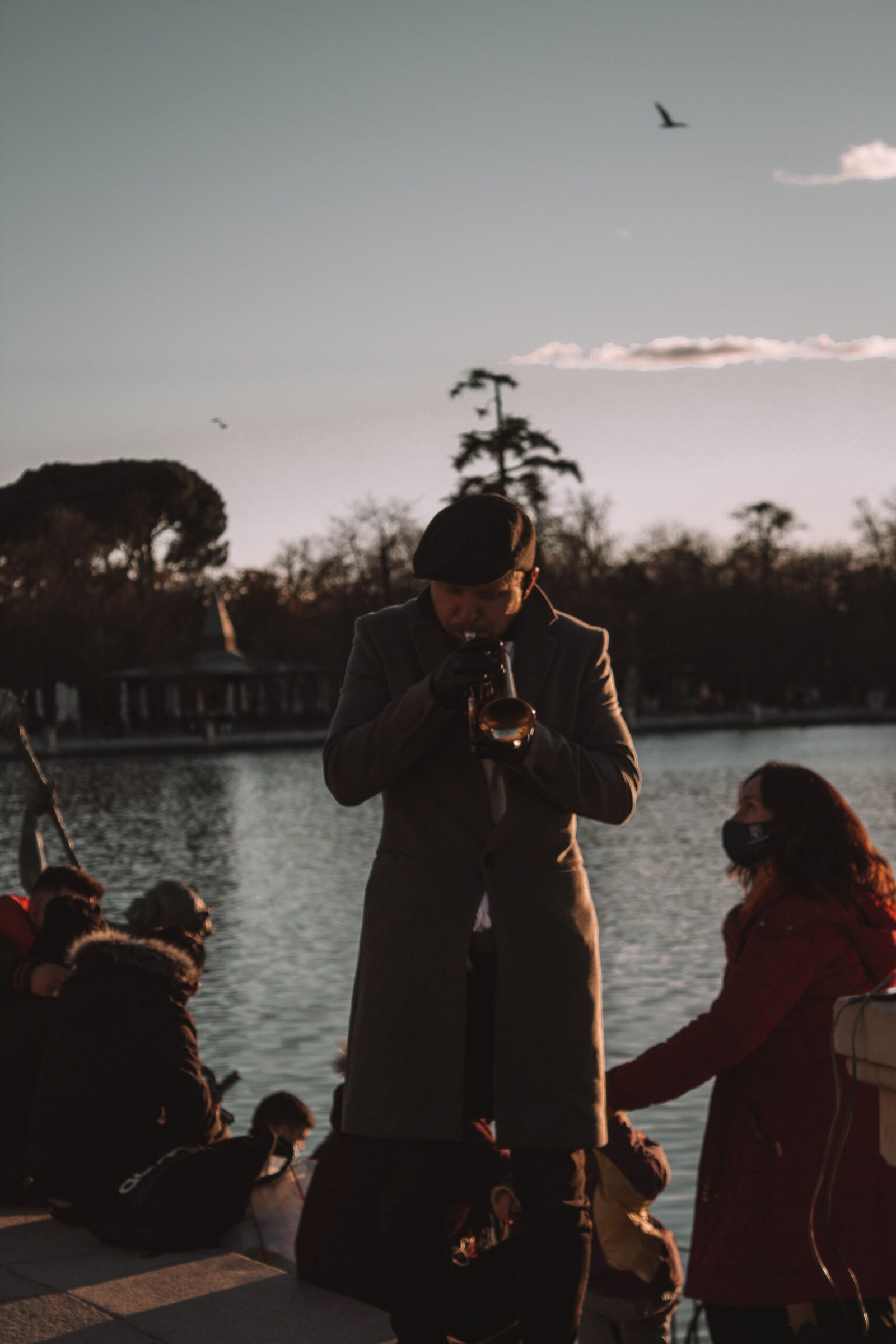
What made Lake Iruka unusual, though, was a far stranger and more specific rumour: that on certain nights, walkers and fishermen along the shore heard a trumpet, or a military bugle, carrying faintly across the water — and that it belonged, storytellers said, to the ghost of a soldier. The legend had apparently been circulating for decades, passed around well before social media gave it a second life. In January 2019, an account that catalogues Japan’s reputed “spirit spots” posted about the lake’s reputation online, and the story briefly went around again.
What happened next is the part I like best. A man replied, under his own account, to say that he was the trumpet — or rather, that as a schoolboy he used to slip out to the lakeshore after dark to practise, reasoning that an empty reservoir was the one place he wouldn’t disturb the neighbours. He later turned up playing with a local brass ensemble. It’s a tidy resolution, though not an airtight one: several people who’d heard the ghost-bugler story said they remembered it from twenty years earlier, which doesn’t line up neatly with one schoolboy’s practice schedule. I suspect the truth is a scene playing out at this lake across several decades, with more than one nervous teenager finding the same quiet spot to rehearse. Either way, it’s a rare Japanese ghost story that resolves not with an exorcism, but with someone owning up online.
Visiting Lake Iruka
There’s no single “spot” to seek out at Iruka-ike the way there is at a haunted tunnel or a single shrine — the lake is the whole story, and most people who come here now are doing entirely ordinary things: casting for black bass, which the reservoir is genuinely well regarded for, cycling the perimeter road, or walking out in early spring when the cherry trees along the embankment are in bloom. That everyday, unbothered use is, in its own way, the most honest tribute to what happened here in 1868 — a working reservoir doing the job it was built for.
If you do visit, treat the embankment as what it is: both active agricultural infrastructure and, by the ministry’s own account, the site of a real disaster. Stick to the designated paths and fishing areas rather than wandering the darker stretches of shoreline after nightfall, follow the water-users’ association’s rules if you’re fishing or boating, and resist the urge to go looking for ghosts along the water’s edge after dark — not because anything will happen to you, but because it’s somebody’s working embankment, not a stage set, and the drowned deserve a bit more dignity than a flashlight tour. If you hear a trumpet, it’s almost certainly the Nobi Brass Society. Give them a round of applause instead.
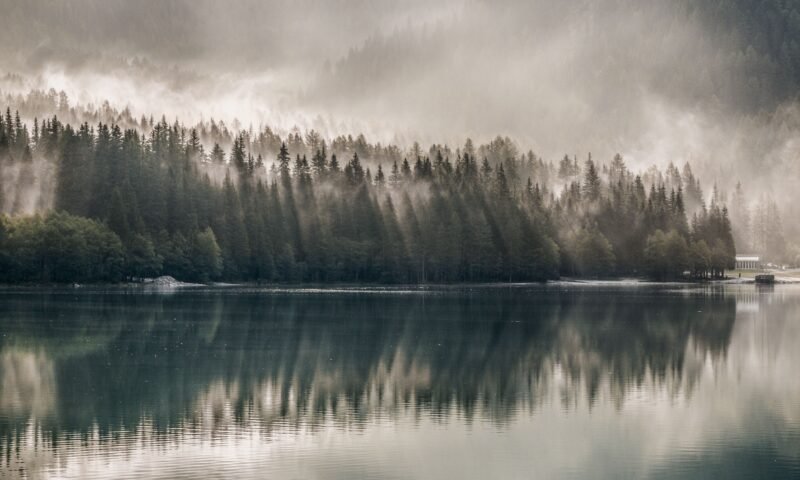
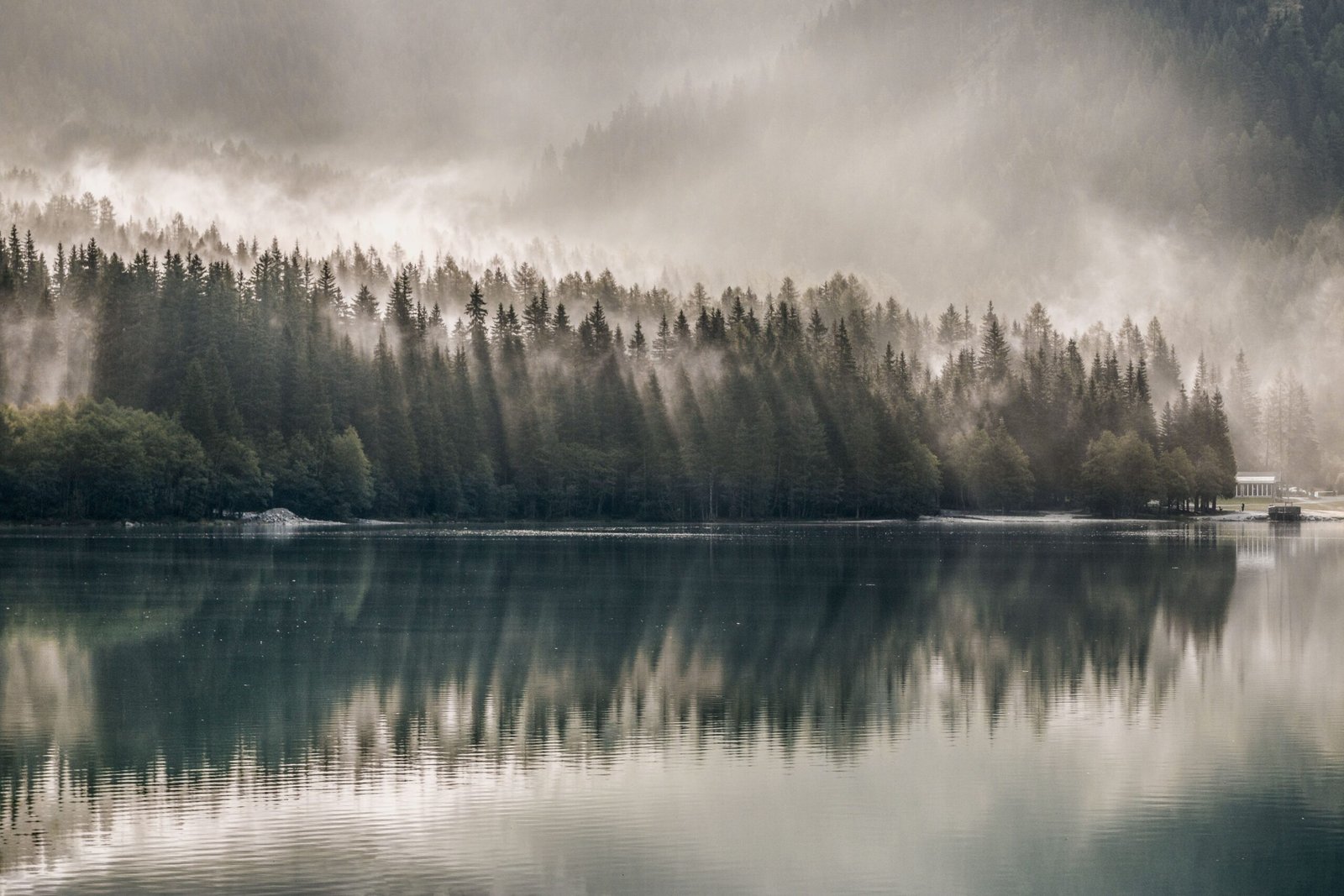
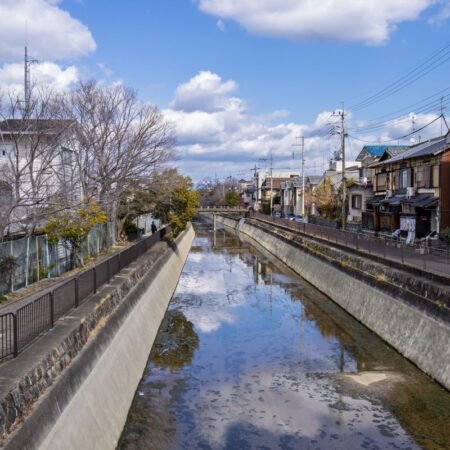
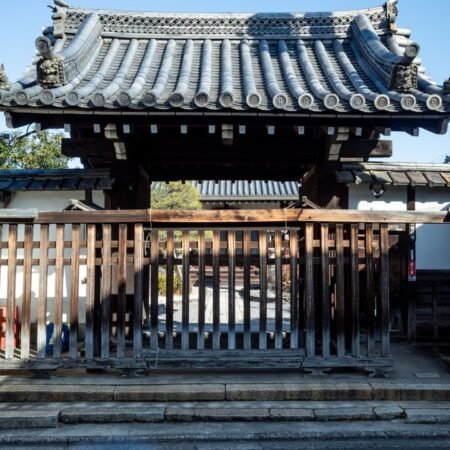
Note: images accompanying this article are illustrative stock photos and do not necessarily show the specific site discussed.

コメント