





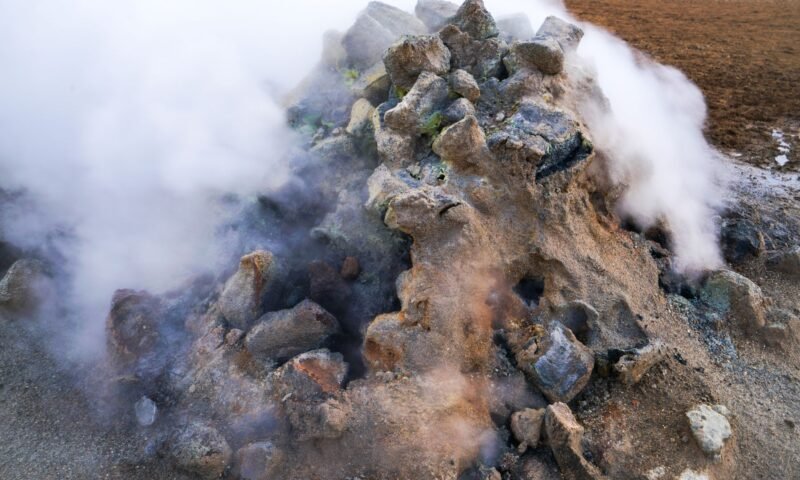
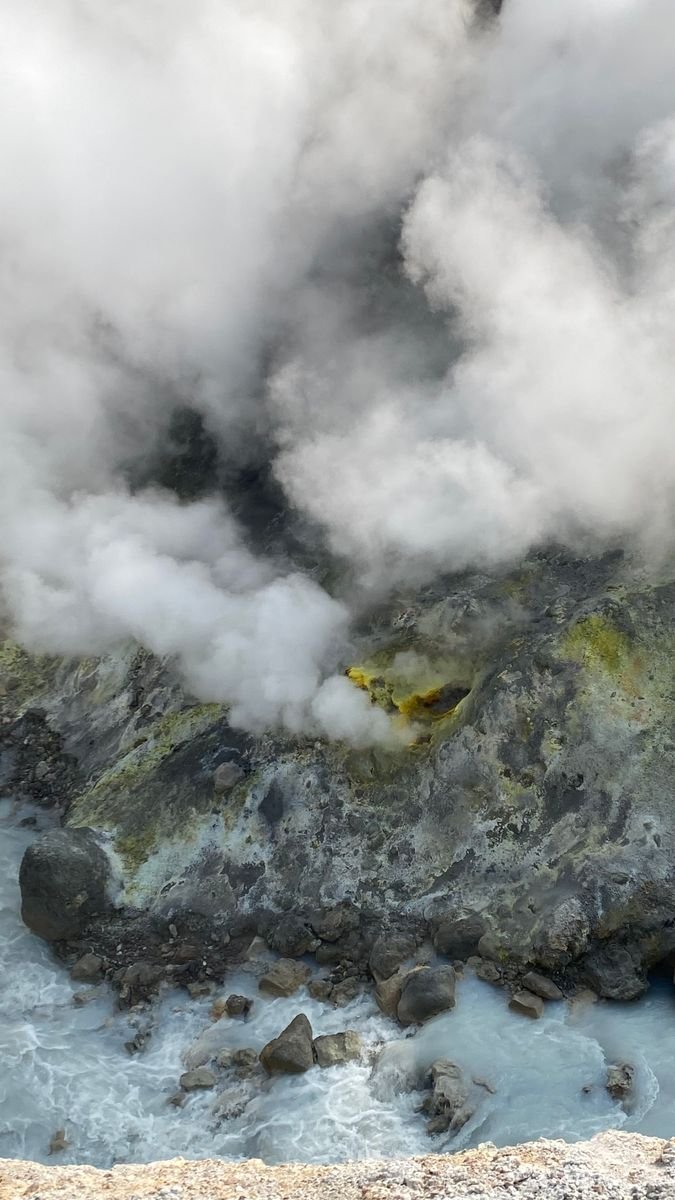
The first time I walked the boardwalk at Unzen Jigoku, it was just past five in the evening, the light was already failing, and the valley was doing that thing volcanic ground does when the temperature drops: breathing harder. Sulphur fog drifted low over the wooden walkway, and somewhere off to my left a vent let out a long, rising note that did not sound like steam. It sounded like someone clearing their throat before they were about to say something I didn’t want to hear. I have spent seven years now tracking down the real history behind places like this, and I can tell you that Unzen is one of the rare spots where the ghost story and the history book are, almost uncomfortably, describing the same thing.
Unzen Jigoku sits in the hills above Unzen Onsen on Nagasaki’s Shimabara Peninsula, a cluster of roughly thirty bubbling, hissing fumaroles and acidic pools spread across a short, well-marked walking course. “Jigoku” simply means “hell,” and the name is not a modern marketing flourish. It is centuries old, and it was chosen on purpose.
A Hell Named by Monks, Not by Ghost Hunters
Long before anyone came here looking for a scare, Buddhist monks associated with the mountain’s temples gave the individual vents names drawn directly from sutra descriptions of the sixteen hells of Buddhist cosmology. The most famous of them is Daikyokan Jigoku, the “Great Howling Hell,” traditionally one of the realms reserved in scripture for liars. It is also, according to the local tourism board’s own English-language guide, the most violently active vent in the whole valley, throwing up columns of steam that can reach thirty to forty metres and water that measures around 120°C at its hottest.
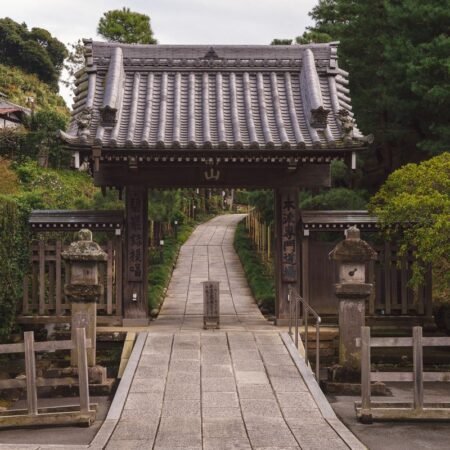
Walk the course and you pass others: Oito Jigoku, where a small café now sells onsen tamago, eggs slow-cooked in the naturally boiling water; Seishichi Jigoku; and Hachiman Jigoku, whose name is said to gesture at the eighty-four thousand torments described in Buddhist hell-lore. One former vent, Kyū-Hachiman Jigoku, has gone quiet enough that it is now simply called Gensei Marsh. The valley itself has been a site of worship since at least 701, when the monk Gyōki is traditionally credited with founding Manmyō-ji, and the mountain remained a pilgrimage destination for Buddhist ascetics for thousands of years before anyone thought to bring a ladle full of boiling water up here for a darker purpose.
The Steam That Swallowed the Martyrs
That darker chapter begins in 1627. Under Matsukura Shigemasa, the daimyo who governed Shimabara at the time, and continued under the Nagasaki magistrate Takenaka Shigeyoshi from 1629, the shogunate’s campaign to stamp out Christianity turned this literal hell into a tool of forced apostasy. Christians who refused to renounce their faith were brought up to the steaming pools and scalded with boiling water drawn from the very vents that still fume today. The persecution continued in various forms into the early 1630s, and the Catholic Church today recognises thirty-three martyrs connected to Unzen, among them Father Antonio Ishida, for whom the small church in Unzen Onsen is named.
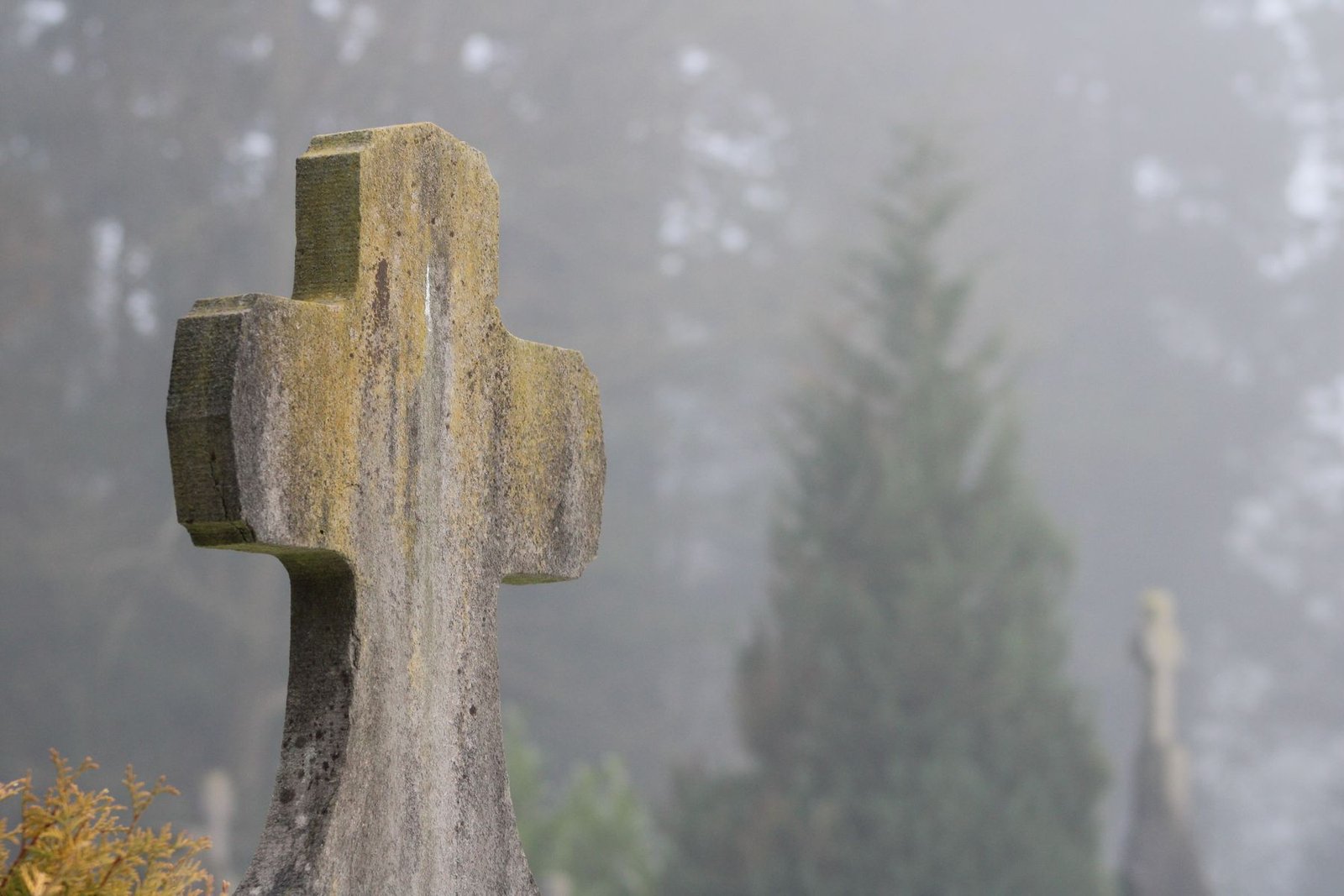
The valley has not tried to hide from this history, nor to sensationalise it. A stone marker dating to 1939 carries a line of commemorative poetry by Ikuta Chōsuke. A cross erected in 1961 names six of the martyrs. A rock tablet added as recently as 2011 records further names. On the hill overlooking the hells, visitors, Japanese and foreign alike, still occasionally stop to pray. None of this reads to me as a tourist attraction dressed up with a tragic backstory. It reads like a community that has decided the least it can do is remember properly.
Why the Ground Still Sounds Like It’s Screaming
Here is the part that keeps Unzen on lists of Japan’s eeriest places, and it is worth being precise about where the claim actually comes from. It is not, in this case, an anonymous internet forum. The region’s own official audio guide describes the gas escaping from Daikyokan Jigoku as capable of sounding “like wailing from the underworld,” particularly after dark, and a widely read French-run travel guide to the site describes the roar of the main vent as resembling “the screams of the dead.” That is, by any reasonable definition, a ghost story — it just happens to be one that the local tourism authority is comfortable repeating in its own literature.
According to the stories told by guides on site, the vents seem to hiss loudest on the quietest nights, nearest the memorial crosses, as though the valley has not entirely let go of what happened there. I want to be careful here: there is a complete, unremarkable physical explanation for the sound, which is simply pressurised, acidic, hydrogen-sulphide-laden steam forcing itself through narrow volcanic fissures, and that explanation accounts for everything you will hear on the boardwalk. But I’ll admit that once you know a hell named for punishing liars was later used to punish people for refusing to lie about their own faith, it becomes very difficult to walk past Daikyokan Jigoku after sunset and hear only steam.
Visiting Unzen Jigoku Today
The hells are easy to visit and entirely safe if you keep to the marked route. A raised wooden boardwalk loops through the main vent field in well under an hour, ending at a free footbath where you can sit and thaw out cold feet while the valley keeps muttering around you. Along the way there are stalls selling onsen tamago cooked in the pools themselves, and the walk up to the hilltop memorial cross is a short, worthwhile detour if the weather is clear.
A few things I’d ask of anyone planning to go. Stay on the boardwalk: the ground is genuinely unstable in places, the water is scalding, and the gas is not something you want to breathe in concentrated form, whatever the ghost stories do or don’t tell you. Treat the memorial stones and the cross as what they are, a place of mourning, not a backdrop for a dramatic photograph, and keep your voice down if you find other visitors praying there. And don’t go wandering off the path after dark chasing the loudest vent for a better recording of it screaming. The living have no reason to test what, if anything, is actually listening back.
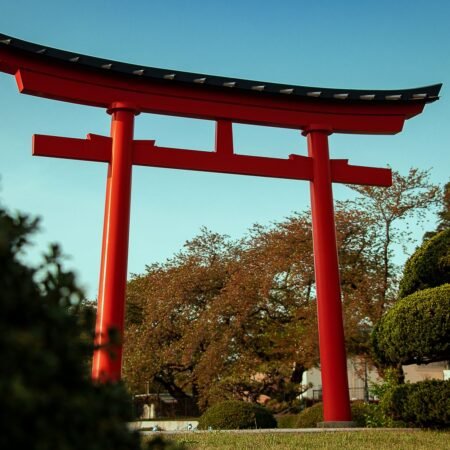
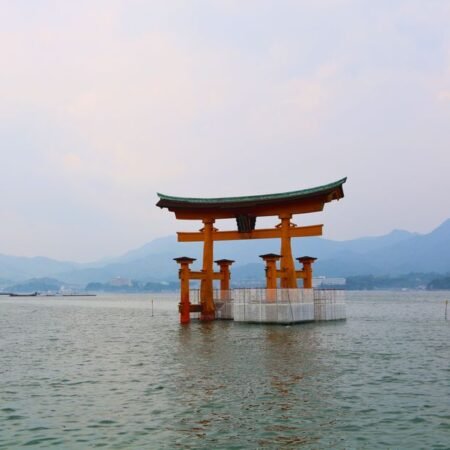
Note: images accompanying this article are illustrative stock photos and do not necessarily show the specific site discussed.
コメント