






I was standing outside a bike rental window at JR Onomichi Station, soaked from a morning drizzle, when the guy behind the counter handed me a helmet and said, “Just follow the blue line.” That was it. No map, no detailed instructions, just a painted stripe on the pavement that was apparently going to guide me across six islands, over the Seto Inland Sea, and into a different prefecture by sundown. I’d lived in Japan for five years at that point and thought I’d run out of ways for this country to surprise me. The Shimanami Kaido proved me wrong within the first hour.
For anyone who hasn’t heard of it, the Shimanami Kaido is a roughly 70-kilometer cycling route that links Onomichi, in Hiroshima Prefecture, to Imabari, in Ehime Prefecture, hopping between small islands in the Seto Inland Sea by way of a chain of bridges built for cars, but generously fitted with a dedicated path (and that blue line) for cyclists and pedestrians. I’d pictured something flat and scenic and easy. It is scenic. It is not always easy. But it might be the single best way I’ve found to feel the size and shape of this part of Japan — not from a train window, but at the pace of your own legs.
Follow the Blue Line
The route is designed so you don’t actually need to think very hard, which as someone with a famously bad sense of direction, I appreciated enormously. You rent a bike at one end — Onomichi or Imabari’s Sunrise Itoyama terminal — and you’re free to return it at any rental station along the way, which means you don’t have to double back if you run out of steam or daylight. The blue line marks the whole course, and at every junction where you might otherwise panic and pull out your phone, there’s a sign confirming you haven’t gone insane.
The ride crosses a string of islands — Mukaishima, Innoshima, Ikuchijima, and onward — each with its own tiny-town rhythm: citrus groves on the hillsides, grandmothers selling mikan from card tables, cats sprawled across someone’s front step like they own the place. I stopped more than I biked, honestly. There’s no rule that says you have to do it in one day, and plenty of riders split it into two, overnighting on one of the islands.
A Marble Hill in the Middle of the Sea
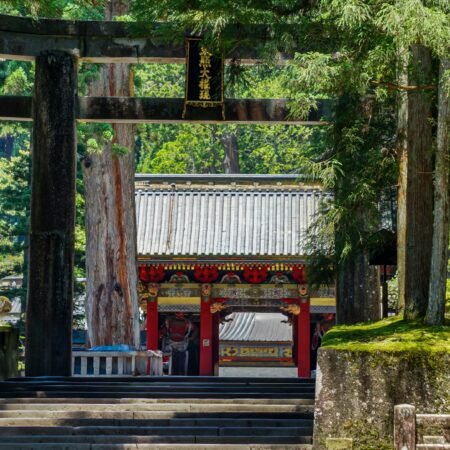
About thirty kilometers in, on Ikuchijima — specifically the town of Setoda — I took a detour I’m still thinking about: Kosanji Temple. A wealthy businessman built it starting in 1936, reportedly out of devotion to his mother, and it took more than thirty years to finish. The result is less a single temple than a greatest-hits collection of Japanese religious architecture, with replicas of famous structures like Nikko’s Yomeimon Gate and the Phoenix Hall of Byodo-in all clustered together in a way that should feel chaotic and somehow doesn’t.
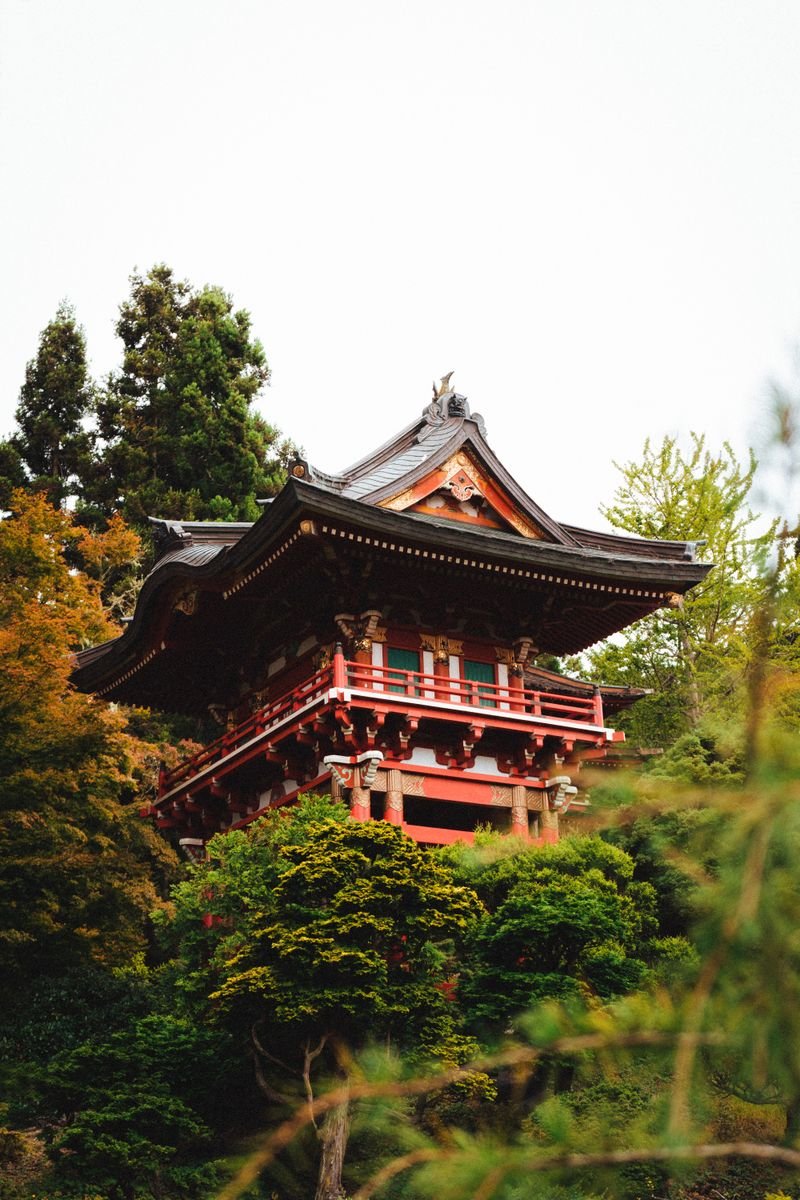
Then there’s the part nobody warns you about: a long, dim cave underneath the temple grounds depicting the torments of Buddhist hell, which is a genuinely unsettling way to spend ten minutes on a bike trip. You climb back out into daylight and onto Miraishin no Oka, the “Hill of Hope,” an entire hillside carved from Italian marble, dotted with abstract white sculptures that look like they got lost on their way to a different country. It’s strange and a little surreal, and exactly the kind of detour that makes a long ride worth the extra hour.
Swords, Camphor Trees, and the Ghosts of Pirates
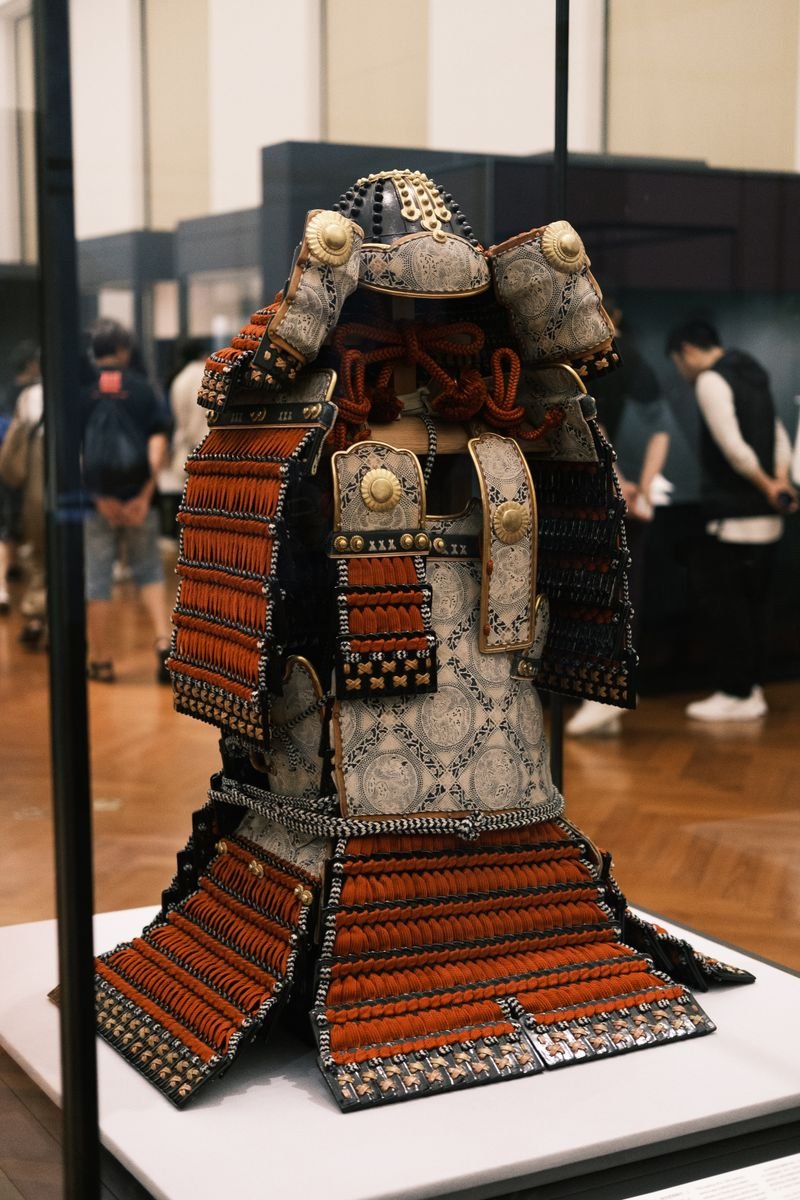
Further along, on Omishima Island, I pulled off to see Oyamazumi Shrine, said to be the oldest shrine in Ehime Prefecture and the head shrine for roughly ten thousand Yamazumi and Mishima shrines around the country. For centuries, generals and sailors came here to pray before battle — and, if things went well, to leave their weapons and armor behind as thanks. That tradition is apparently why the shrine’s Treasure Hall now holds something like 80 percent of all the armor and weaponry in Japan that’s designated a National Treasure or Important Cultural Property. I’m not a museum person, as a rule, but I spent much longer in that hall than I meant to.
Outside, the shrine grounds are shaded by around two hundred camphor trees, including one estimated at roughly 2,600 years old — a tree that was already ancient when a lot of what we think of as “ancient Japan” was still being written. Nearby on Oshima Island, there’s also a museum dedicated to the Murakami Kaizoku, the “pirates” — really more like armed sea lords — who controlled these waters for centuries and taxed, escorted, or occasionally plundered the ships passing through. Pedaling past the straits they once ruled gives the whole stretch a different kind of weight.
The Bridge That Ends It All
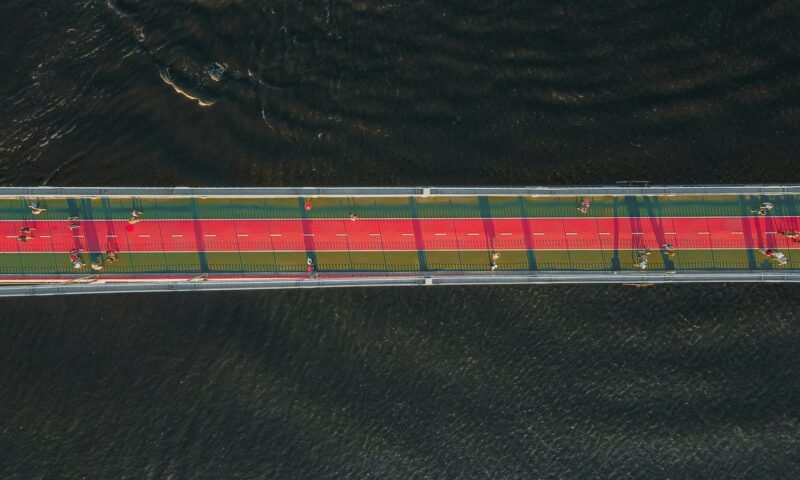
The last big climb of the ride — both physically and emotionally — is the Kurushima-Kaikyo Bridge, which carries you from Oshima Island into Imabari and the island of Shikoku proper. It isn’t one bridge so much as three suspension bridges strung together end to end, and when it was completed in 1999, it was the longest suspension bridge structure in the world. By the time I reached the Imabari side, my legs were done, my phone battery was at four percent, and I was grinning like an idiot on the pedestrian walkway, watching enormous cargo ships slide underneath me through the strait.
I won’t pretend the Shimanami Kaido is effortless. There are real hills, the wind off the water can be brutal, and by hour five my hands had gone slightly numb from gripping the brakes down the bridge ramps. But I’ve done a lot of “big” things in Japan over the past five years — hiked ancient trails, danced through festivals I didn’t understand the rules of, sat through tea ceremonies I was terrified of getting wrong — and this ride belongs right up there with the best of them. If you’re going to try it, go in spring or autumn when the heat won’t flatten you, rent a bike with a basket for the mikan you will absolutely buy along the way, and don’t skip the detours. The main route gets you across the sea. The side trips are what make you remember it.
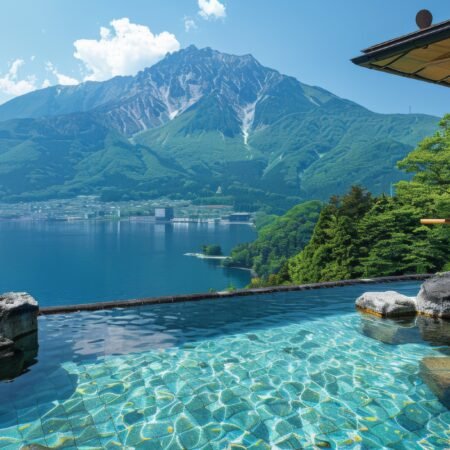
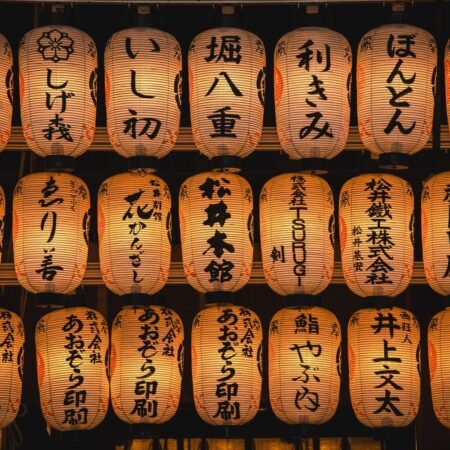
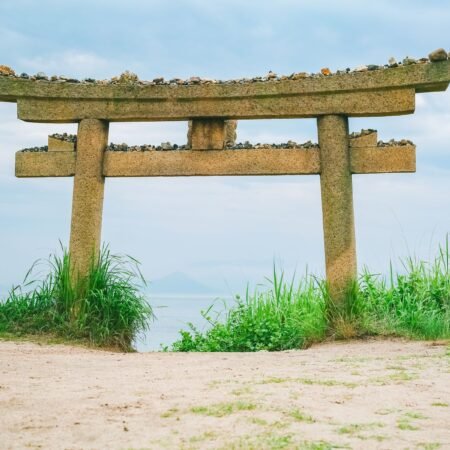
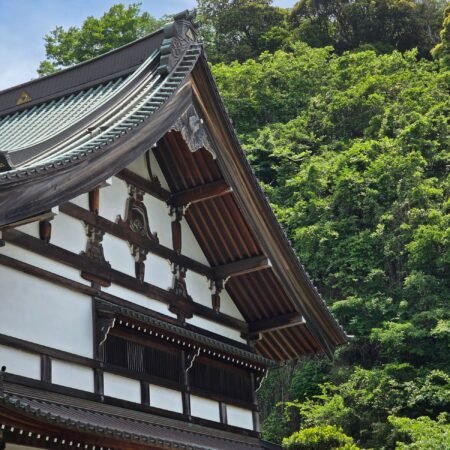
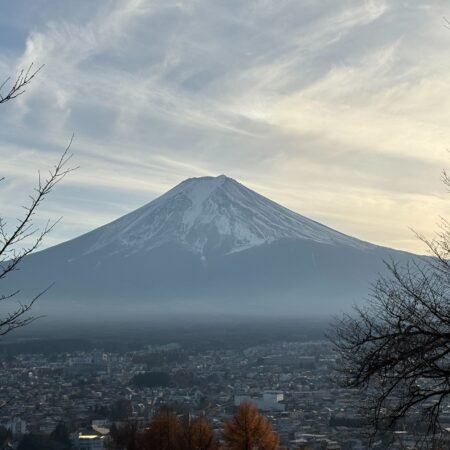
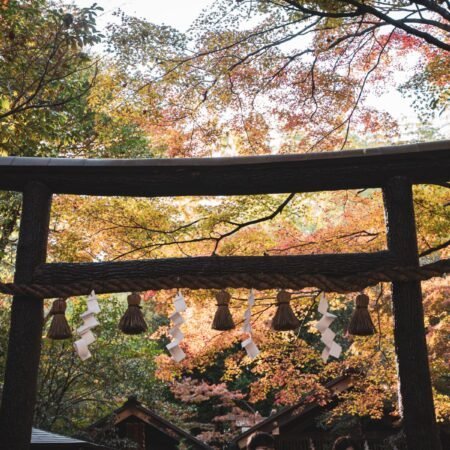
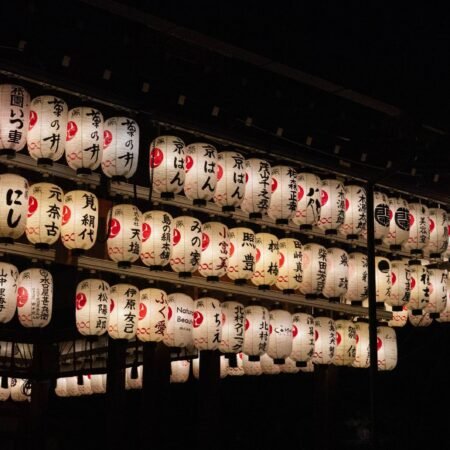
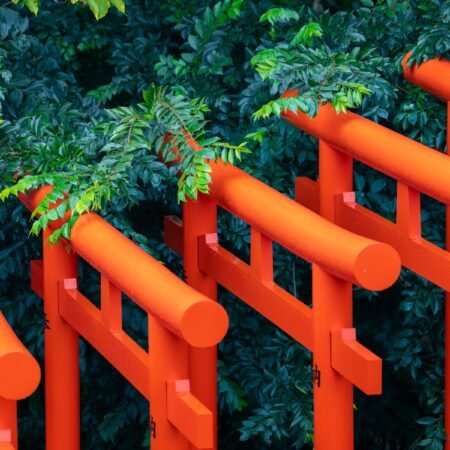
A quick note on photos: some of the images here are stock photos I’ve used to set the mood — they may not be the exact spot or moment I’m describing, just close in spirit.
コメント