





The first thing that hits you isn’t the view. It’s the smell. I was still three minutes’ walk from the entrance to Jigokudani when the sulfur reached me first — that unmistakable boiled-egg smell drifting up through the pines — and I remember thinking, half-laughing to myself, “okay, this is either going to be amazing or deeply unpleasant.” It turned out to be the former, by a wide margin. I’d come to Noboribetsu, a hot spring town tucked into the hills of southwestern Hokkaido, on a whim after a friend told me it had a valley literally named “Hell.” I am, it turns out, extremely easy to lure somewhere with a name like that.
What “Hell Valley” Actually Is
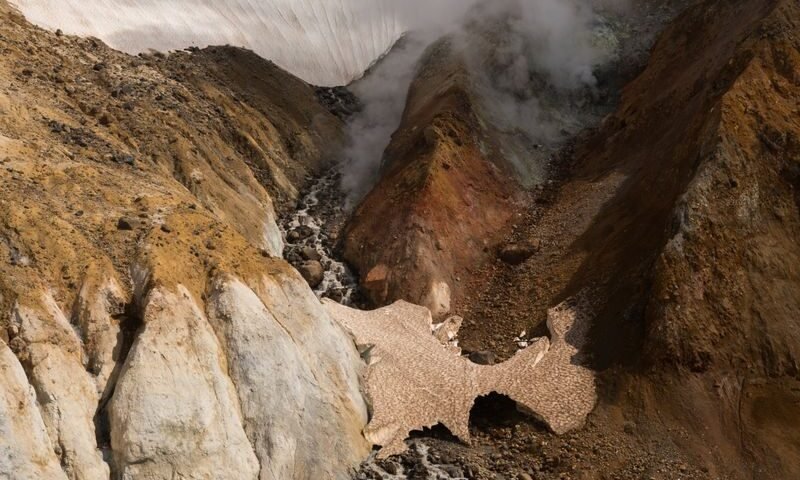
Jigokudani translates straight to “Hell Valley,” and once you’re standing at the rim of it, the name stops feeling like marketing. It’s a volcanic crater left behind by an eruption roughly 10,000 years ago, and it’s still very much alive — steam vents hiss out of the rust-colored, mineral-streaked ground, little craters bubble away, and the whole basin smells like a geology lesson that got personal. This isn’t a metaphor or a theme-park version of hell; it’s the actual source of the hot spring water that the entire town of Noboribetsu is built around. Every ryokan bath, every footbath, every steaming pipe you see running along the street starts somewhere in this valley.
There’s a wooden walking path that loops along the crater rim, and I’d budget at least thirty or forty minutes to do it properly — longer if, like me, you keep stopping to just stare at the steam curling up against the tree line. Up on Jigokudani Observation Hill sits a small Kannon statue that a monk named Enku is said to have carved with a hatchet back in 1666, long before anyone had turned this place into a tourist stop. It’s a strange, grounding detail to find in the middle of all that hissing steam: people have been quietly paying respect to this valley for over 350 years.
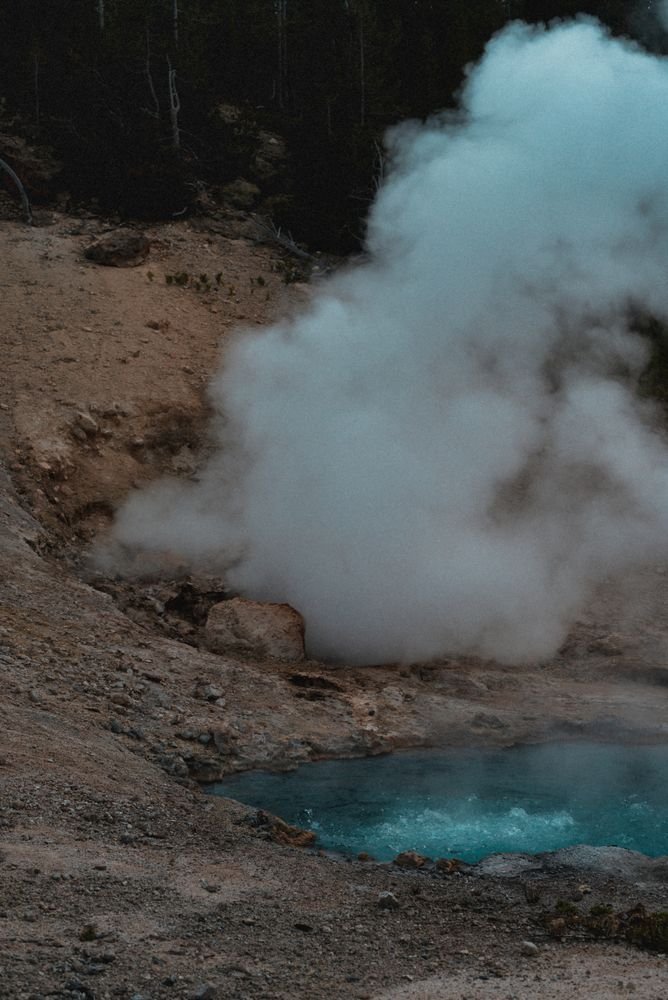
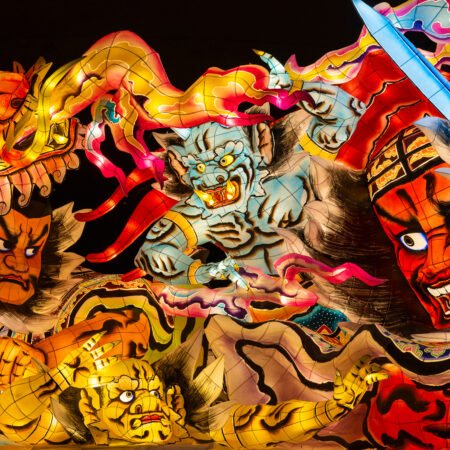
Noboribetsu leans into the “hell” branding with a sense of humor rather than dread. Down in Sengen Park there’s a geyser that erupts roughly every three hours, guarded by a cheerful demon statue. Since 1964, the town has even held an annual Jigoku Matsuri — a “Hell Festival” — complete with a demon-shaped portable shrine and an Oni Odori demon dance. I missed it by a few weeks, which just means I already have an excuse to go back.
A Town Built on Nine Kinds of Hot Water
Here’s the thing that actually surprised me most: Noboribetsu isn’t just one hot spring. Locally, it’s often described as having nine distinct types of onsen water flowing out of the same valley — sulfur springs, iron springs, sodium chloride springs, and several others, each with a different mineral makeup and supposedly different effects on your skin and muscles. The sulfur ones are the most dramatic, running a cloudy, milky white and smelling exactly like you’d expect from a place called Hell Valley. I soaked in one at my ryokan that evening and came out smelling like eggs for the rest of the night. Worth it.
The town’s onsen history goes back to 1858, when a merchant named Kinzo Takimoto formally opened the hot springs here after, according to local lore, his wife’s skin condition improved from bathing in the water. A few years later, in 1861, a samurai from the Nanbu domain was said to have had an eye ailment cured near a shrine dedicated to Yakushi Nyorai, the Buddhist healing deity. Whether or not you take the healing stories literally, they tell you something about why people kept coming back to this specific patch of boiling, smelly ground for over a century and a half — including, in 1954, the Showa Emperor himself.
Soaking My Feet in a River That Starts in Hell
The part of the day I actually keep thinking about, though, wasn’t the big dramatic crater. It was a quiet walk through the forest to the Oyunuma River Natural Footbath. Oyunuma itself is a sulfurous pond nearby — its surface sits around 40 to 50°C, while the springs feeding it from below can reach a scalding 130°C — and the water that flows out of it cools as it travels downstream, eventually settling into a gentle, soakable warmth by the time it reaches the footbath area.
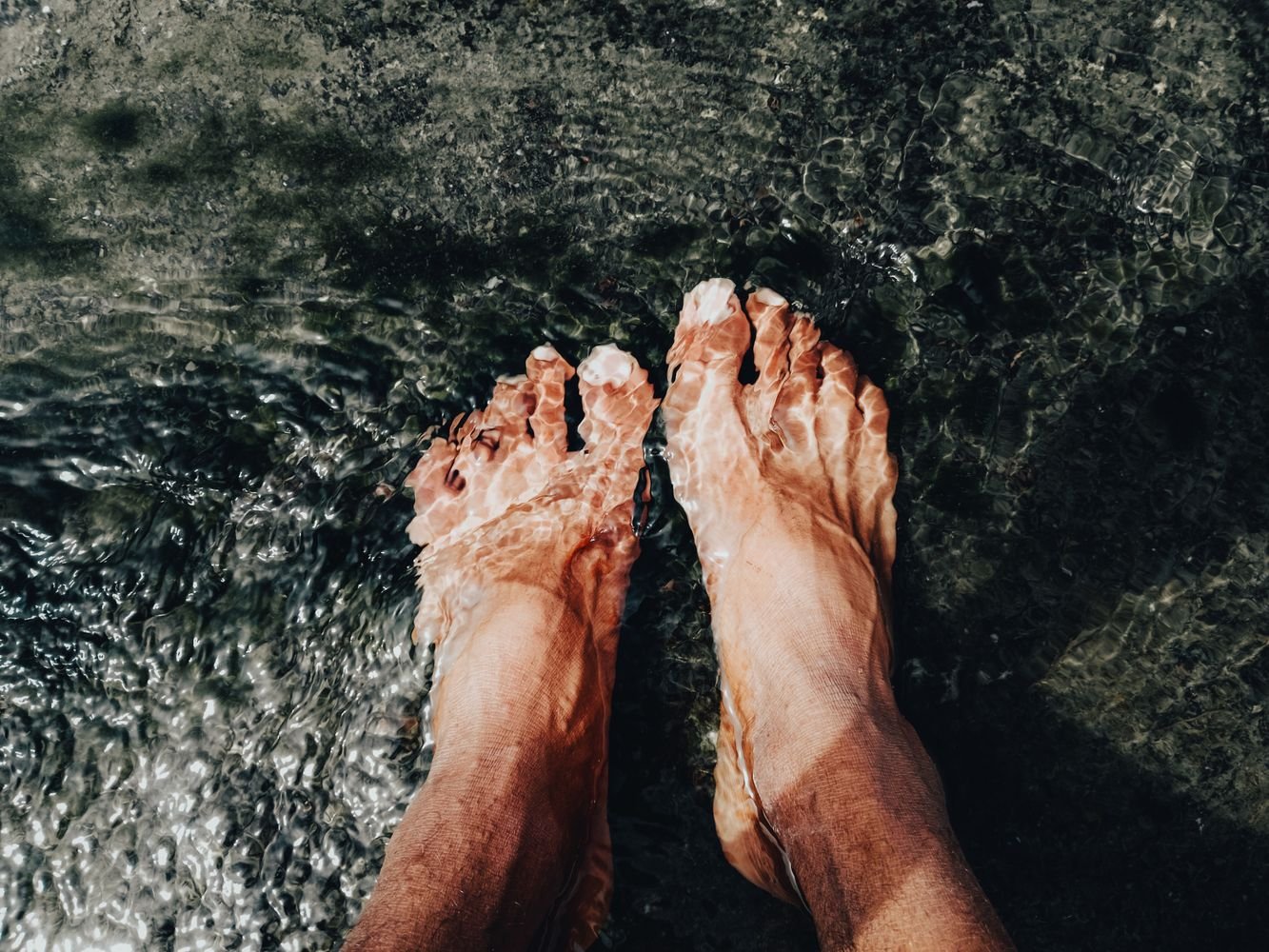
I sat on a wooden bench with my shoes off and my feet in a shallow, naturally heated river, surrounded by nothing but trees and the occasional other visitor doing the exact same thing, equally silent. No jets, no tiled walls, no entrance fee gate — just water that genuinely starts its journey in a volcanic crater called Hell Valley, mellowing out just enough by the time it reaches your ankles. It’s one of those experiences that sounds almost too simple to be worth writing about, and yet it’s the thing I’d tell a friend to prioritize if they only had an afternoon here. Bring a small towel, because there’s nowhere official to dry off afterward.
Getting There and Making a Day of It
Noboribetsu is an easy day trip or overnight from Sapporo. I took a JR Limited Express train (the Hokuto or Suzuran lines run this route) to Noboribetsu Station, which took a little over an hour, then transferred to a local Donan Bus for the last fifteen to twenty-five minutes up into the onsen town itself. If you’d rather skip the transfer, there’s also a direct highway bus from Sapporo Station that takes around an hour and forty minutes, though I’d check the return schedule carefully since it doesn’t always allow for an easy same-day round trip.
Once you’re there, the whole experience is walkable: Jigokudani, Oyunuma, Sengen Park, and the footbath are all within reach of the main onsen street, and the surrounding Noboribetsu Primeval Forest — protected as a natural monument since 1924 — makes the whole walk feel more like a nature outing than a typical tourist stop. If you want someone explaining the geology and history as you go, there are guided scenic forest walks available that run a few hours and, in winter, sometimes switch to snowshoes. I just wandered on my own with a half-formed plan and no regrets.
Hokkaido gets so much attention for its snow festivals and its lavender fields that Noboribetsu sometimes gets treated as a quick stopover rather than a destination in its own right. I’d push back on that a little. There’s something genuinely humbling about standing at the edge of an actively steaming volcanic valley, reading about monks who carved statues there centuries before tourism existed, and then ending the day with your feet in a river that started life as literal hellfire. Few places let you do both the dramatic and the quiet version of the same landscape in one afternoon.
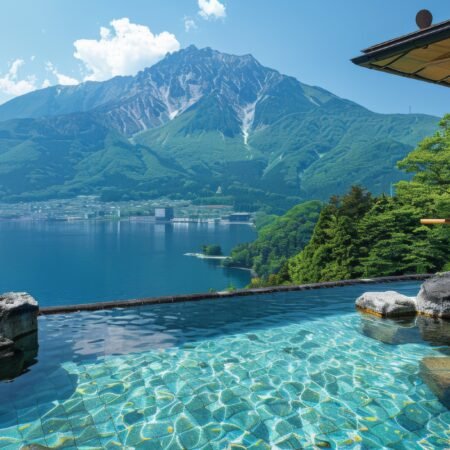
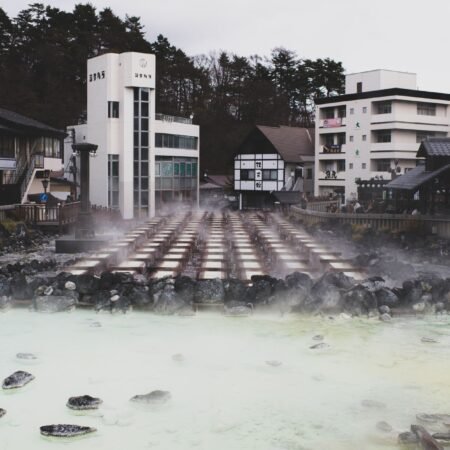
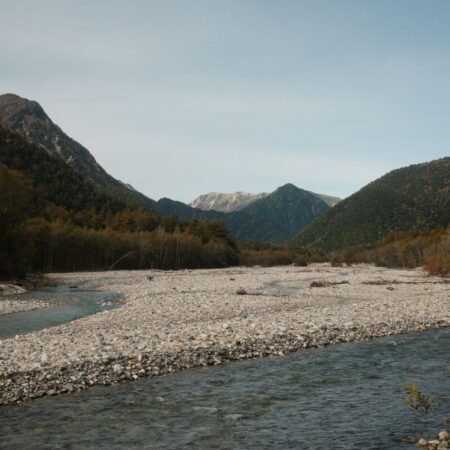
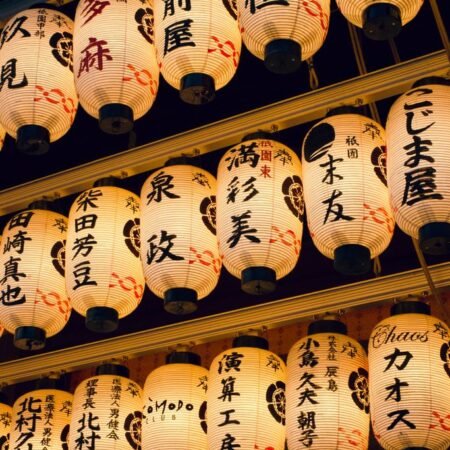
A quick note on photos: some of the images here are stock photos I’ve used to set the mood — they may not be the exact spot or moment I’m describing, just close in spirit.

コメント