





The first time I sat in the reception hall at Dainichibo Temple, in the hills above Tsuruoka, I assumed the elderly man behind the desk was warming up for the standard talk about seasonal flowers or the mountain’s autumn colours. Instead, within the first minute, he told me that behind the curtain at the end of the corridor sat a man who had died in 1783, and that he was, in the temple’s own words, still alive.
That man is Shinnyokai, one of a small number of Buddhist monks in this corner of Yamagata Prefecture known as sokushinbutsu — self-mummified monks who, through years of near-starvation, mountain austerity, and finally a sealed burial underground, attempted to reach what their tradition calls nyujo rather than ordinary death. I had read about them before coming to Japan, filed mentally somewhere alongside stories of mummies from Egypt or Peru. Sitting a few feet from Shinnyokai’s enshrined body, I understood how badly that filing had missed the point. This was not an exhibit. It is, and still seems to be treated as, an act of worship.
The Practice They Called Nyujo
According to the temples’ own accounts and the handful of academic studies that have examined the mummies, the path to sokushinbutsu unfolded over years, not days. A monk would undertake mokujikigyo, or “tree-eating austerities”: long stretches, sometimes repeated across more than one thousand-day cycle, living on nuts, seeds, bark, and roots gathered from the mountain, while giving up the grains that make up most of the human diet. The goal, within the Shugendo tradition practised on Mount Yudono — where Shinto mountain worship and esoteric Shingon Buddhism overlap — was to strip the body of the fat and moisture that cause it to decay after death.
In the final stage, some monks are said to have drunk tea made from the sap of the urushi lacquer tree, the same toxic resin used to varnish bowls and furniture, in a last effort to make their own tissue inhospitable to the insects and bacteria that break down a corpse. When a monk judged himself ready, he would be sealed into a narrow underground chamber, sometimes lined with charcoal to draw out moisture, with only a thin bamboo tube for air and a small bell to ring each day. For as long as the bell sounded, he was still alive. When it stopped, those keeping watch above sealed the tube for good.
After roughly three years, the chamber would be opened. By temple tradition, most bodies had simply decomposed, and these monks, whatever their sincerity, were quietly reburied without further ceremony. On rare occasions the body was found intact. That monk was dried, dressed in formal robes, and installed in the temple not as a relic but as a Buddha in his own right — to be prayed to and cared for until, in theory, he chooses to return and help the living.
Shinnyokai, Tetsumonkai, and the Few Who Are Still Here
Sources I checked differ on the exact number — estimates range from around sixteen to eighteen surviving sokushinbutsu across Japan — but there is no real disagreement that the largest concentration, around eight, is in Yamagata, most of them within a short drive of Tsuruoka and the slopes of Mount Yudono. Shinnyokai, enshrined at Dainichibo, is usually described as the oldest and best preserved of them; temple records give his entry into nyujo as 1783, at the age of ninety-six.
A short drive away at Churenji sits Tetsumonkai, who by temple tradition entered his chamber in 1829. The story told there is that decades earlier, during an outbreak of eye disease in Edo, he gouged out his own left eye and offered it in prayer for the sick — a tale I pass on exactly as it’s told, as temple legend, not as confirmed history. What can be confirmed, because visitors can see it for themselves, is that his mummified body is indeed missing its left eye. Other Yamagata sokushinbutsu, including Chukai and Enmyokai at nearby Kaikoji and Tetsuryukai at Nangakuji, are venerated in the same quiet, matter-of-fact way: not as curiosities, but as elders the temples consider still, in a theological sense, present.
What a Closer Look Found, and What It Didn’t Change
In the 1960s, a research team led by the folklorist Ando Kosei, working with Waseda University, was given rare permission to examine several of the mummies directly. They found clear evidence of deliberate preparation rather than accidental preservation, along with some insect and rodent damage, but — notably — no sign that internal organs had been removed, as is standard in Egyptian-style mummification. Whatever happened to these bodies appears to have happened largely through the monks’ own choices while they were still alive, not through later embalming.
That finding is, I think, part of what unsettled me most, sitting in that cold hall at Dainichibo. It would almost be easier if this were something done to a body after death. What the evidence instead suggests is that these were living men who spent years, by small increments, preparing their own bodies for what they believed was a continued ministry after death. The practice was outlawed after the Meiji Restoration, as part of a wider move against folk religious customs the new government judged incompatible with a modern state, and no attempt is known to have succeeded since. What remains are this handful of monks, still dressed, still prayed to, still — their temples would say — at work.
Visiting With Respect
Dainichibo and Churenji are working temples, not museums, and they ask to be treated accordingly. Entry to view the mummies usually costs a modest fee, and in return you’re generally seated for a short ritual or explanation, often in Japanese, before the curtain is drawn back. Photography of the monks themselves is not permitted, and I’d urge anyone tempted to sneak a photo to simply not: these are, in the temples’ own understanding, still members of the community, not photo opportunities. Dress modestly, keep your voice down, and follow the priest’s lead on when to bow and when to simply sit quietly.
Practically speaking, neither temple is well served by public transport, so a taxi or rental car from Tsuruoka is the realistic way to reach either one. I’d also suggest confirming opening hours and any reservation requirements before setting out, since these can change with the season and with temple events. However you arrive, I’d go with the attitude I eventually settled into myself — not hunting for a horror story, but visiting an elder who has, by his own tradition’s account, simply not finished yet.
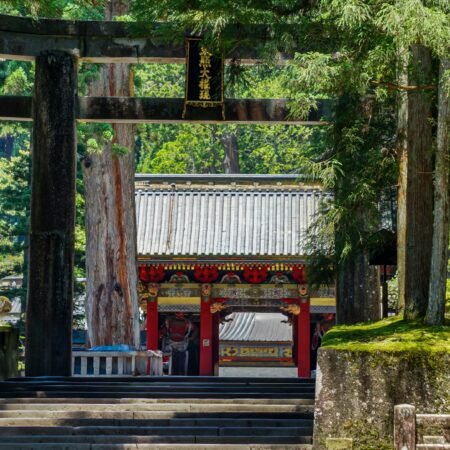
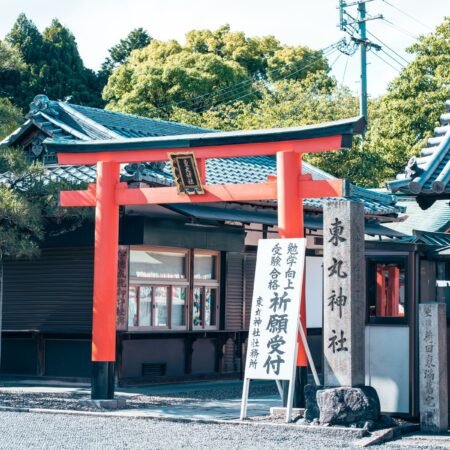
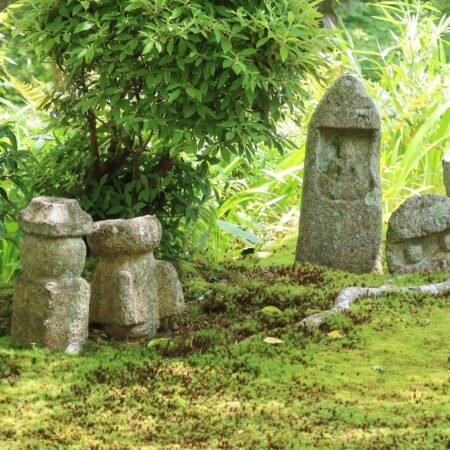
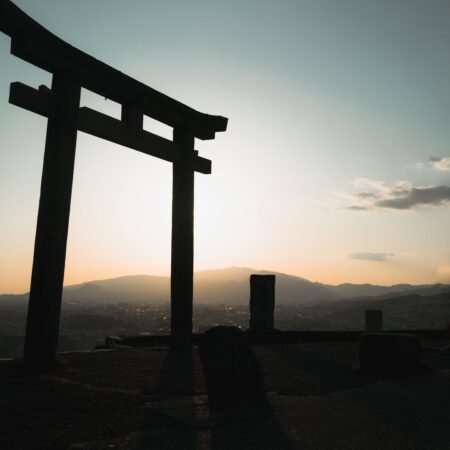
Note: images accompanying this article are illustrative stock photos and do not necessarily show the specific site discussed.

コメント