





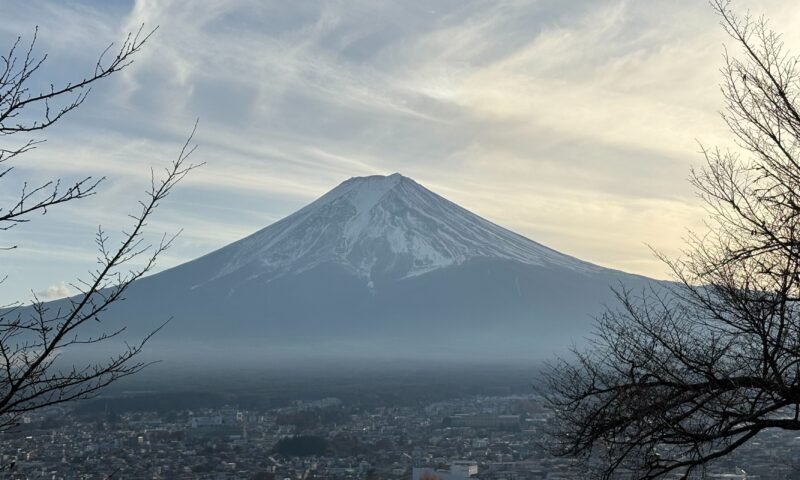
I smelled the festival before I saw it. I’d gotten off the train at Fujisan Station in Fujiyoshida expecting the usual Yamanashi quiet — vending machine hum, mountain air, maybe a shrine bell somewhere — and instead walked straight into a haze of woodsmoke drifting down from the direction of Mt. Fuji itself, which was turning a deep, bruised purple against the evening sky. That was my introduction to the Yoshida Fire Festival, and five years into living in Japan, it’s still the most unsettling, most wonderful festival I’ve been to.
Officially it’s Yoshida no Himatsuri, held every August 26th and 27th in the Kamiyoshida neighborhood at the northern foot of Mt. Fuji, jointly hosted by Kitaguchi Hongu Fuji Sengen Shrine and Suwa Shrine. It’s counted among Japan’s three strangest festivals, a title I didn’t fully understand until I was standing in the middle of it, eyes stinging from smoke, watching a crowd physically slam a shrine into the pavement.
Seventy Fires Along the Mountain Road
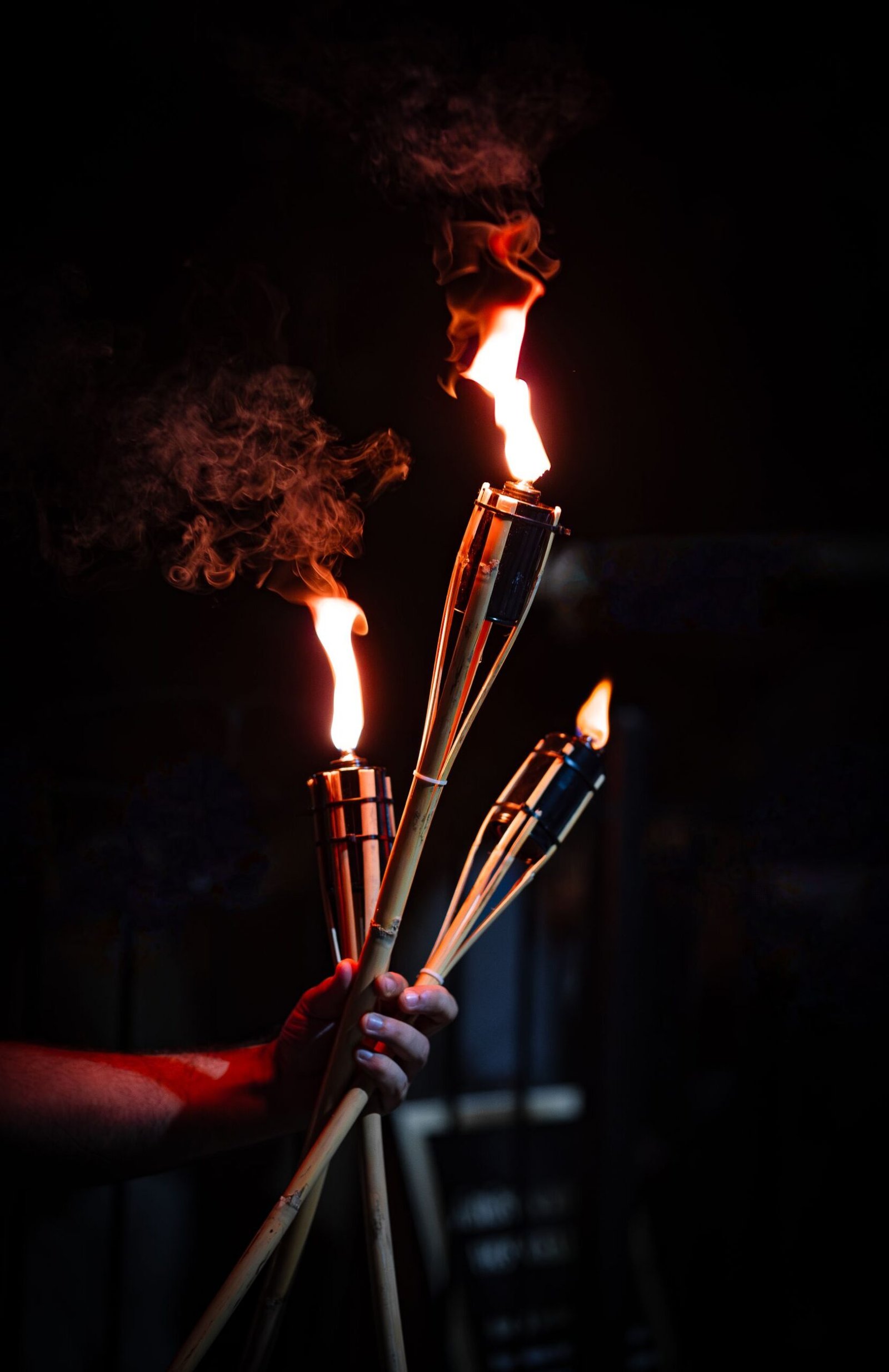
The festival exists to mark the close of Mt. Fuji’s climbing season — a kind of farewell bow to the mountain before the weather turns. But nobody tells you that the farewell involves nearly seventy wooden torches, each almost three meters tall, planted at intervals along a roughly two-kilometer stretch of National Route 139 through Kamiyoshida, better known locally as Honcho-dori.
I got there early enough to watch them get lit, just after 6:40pm, and the effect built slowly and then all at once. One torch catches, then the next, then the one after that, until the whole street is a corridor of orange light with Mt. Fuji looming dark and enormous at the far end of it, visible in flashes between the flames whenever the smoke shifted. Stalls selling drinks and snacks had set up along the sidewalks, and kids were weaving between legs with sparklers while their parents craned their necks to watch the torches go up one by one. The fires burn until around 10pm, and by the time the last one guttered out, my jacket smelled like a campfire for two days.
The Mountain That Gets Dropped on Purpose
What I wasn’t prepared for was the mikoshi. Two portable shrines are carried through the neighborhood over the two days — Omyojin-san, which always leads the procession, and Goei, also called Oyama-san, which is said to represent Mt. Fuji itself in an unstable, almost eruptive state. This second mikoshi weighs over a ton, and every so often, when the bearers stop to rest, they don’t just set it down. They drop it, hard, onto the ground — three times — in a ritual meant to calm the mountain down.
The first time I saw it happen I actually flinched and grabbed the sleeve of the stranger next to me, who laughed and told me this was completely normal. There’s a rawness to it that’s hard to square with the more serene festivals I’d seen elsewhere in Japan. This one has teeth. The bearers, sweating and chanting under the weight, looked less like they were performing a tradition and more like they were wrestling an actual force of nature into submission, which I suppose is exactly the point.
Pampas Grass and a Quieter Second Morning
If day one is all fire and noise, day two is the deep breath afterward. The following afternoon, the mikoshi make their way back through town and circle the taka-amahara, a sacred space said to represent the heavens, while parishioners and worshippers follow along holding susukino tamagushi — ritual offerings made from pampas grass. This half of the festival, sometimes called the Susuki Matsuri, happens around Kanadori Crossing, just a few minutes’ walk from Fujisan Station, and it has a completely different mood: slower, more hushed, more obviously reverent.
I liked being able to watch both halves back to back. The first night convinced me the mountain needed taming. The second afternoon felt like watching the town actually tend to it, gently, with grass instead of fire. Together they’re a more complete picture of how people living in Mt. Fuji’s shadow have related to it for generations — equal parts awe and negotiation.
If You Want to Go
Fujiyoshida is reachable on the Fujikyuko Line, and Fujisan Station — a short walk from Fuji Sengen Shrine — is your target stop; from Tokyo, that usually means a train to Otsuki or a direct limited express, or a highway bus from Shinjuku if you’d rather not deal with transfers. If you’re driving, the shrine is about five minutes from the Kawaguchiko interchange on the Chuo Expressway.
Go early if you can. The festival runs rain or shine, parking fills up fast, and Route 139 gets dense with people once the torches start catching. I’d also recommend clothes you don’t mind smelling like a bonfire afterward, and comfortable shoes — you’ll want to walk the length of Honcho-dori at least once just to take in the whole corridor of fire with Fuji behind it. Nothing I’d read beforehand quite prepared me for how loud and how physical the whole thing is. It’s not a delicate festival, and I mean that as the highest compliment.
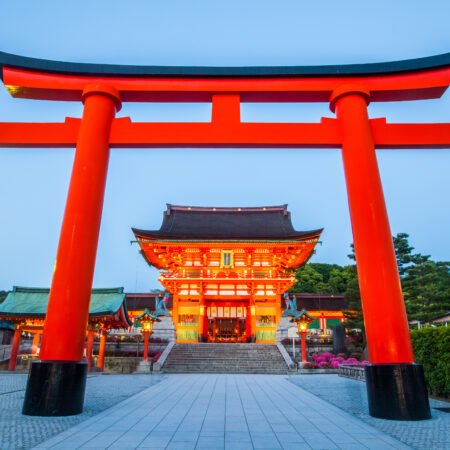
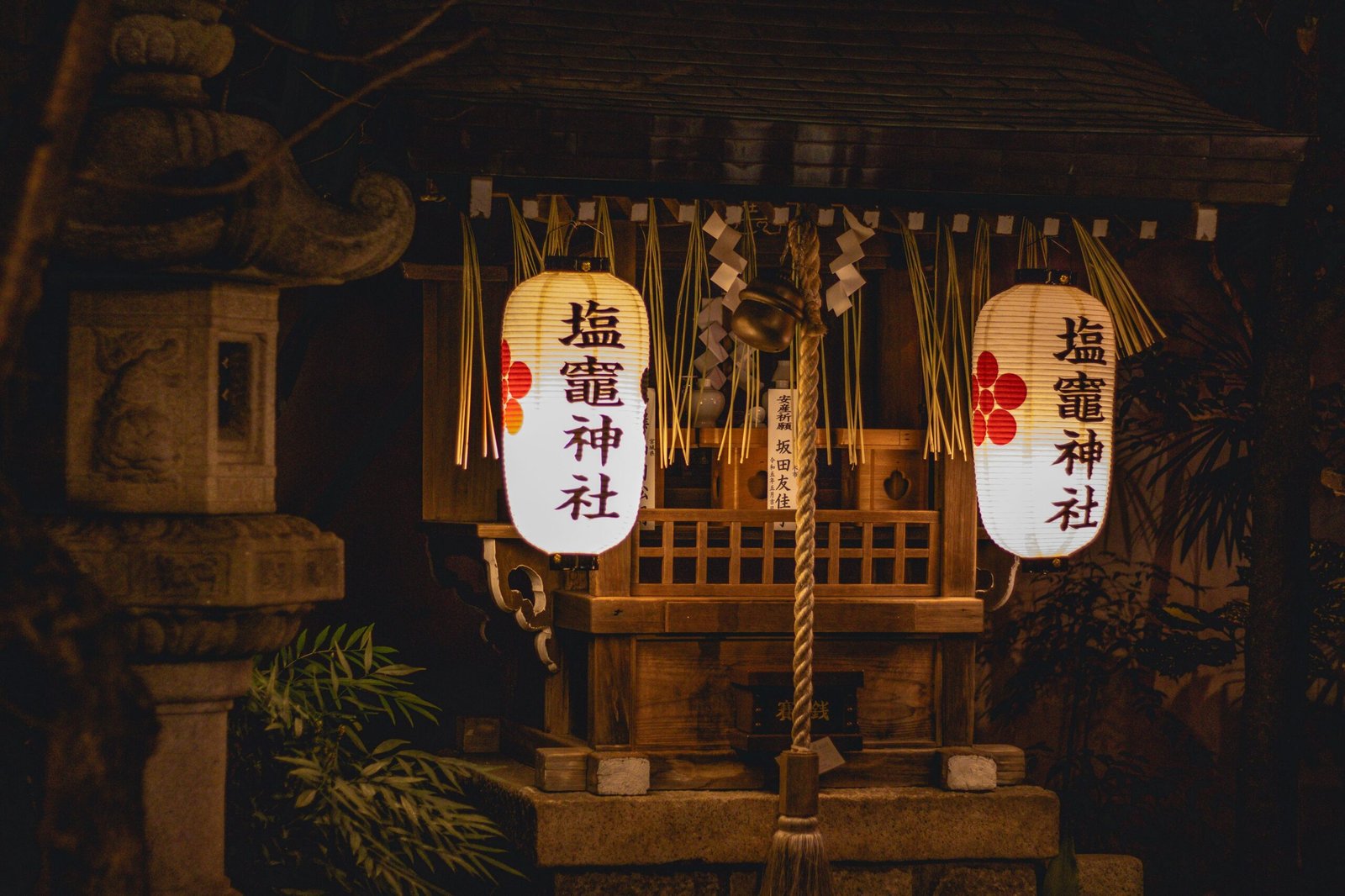
A quick note on photos: some of the images here are stock photos I’ve used to set the mood — they may not be the exact spot or moment I’m describing, just close in spirit.

コメント