









I’d been in Japan for a little over a year when a friend in Wakayama first told me about the bell. We were driving back from a fishing trip along the coast, and she mentioned, almost in passing, that we were about to pass “the temple where the woman turned into a dragon.” I made her stop the car.
That was my introduction to Dōjō-ji, a working Tendai temple in Hidakagawa, a quiet town on the Hidaka River about ten minutes by taxi from Gobō Station. I’ve been back twice since, and each time I’ve come away more interested in the gap between the story everyone tells and the patient, slightly contradictory record the historians have actually managed to piece together. That gap, more than the ghost itself, is what keeps me coming back.
The Night Anchin Broke a Promise
According to local tradition, a travelling monk named Anchin stopped for the night at a steward’s house on his way to worship at the Kumano shrines. The steward’s daughter, Kiyohime, fell for him instantly. Anchin, keen to be on his way, made her a promise he had no intention of keeping: he would stop by again on his way home. He didn’t.
What happens next depends entirely on which version you’re told. In the version most people know today, Kiyohime chases him in a fury, and when a ferryman refuses to carry her across the Hidaka River on Anchin’s instruction, she swims it anyway, transforming into a serpent — or a dragon, depending on the telling — as her rage builds. Anchin reaches Dōjō-ji first and begs the monks to hide him. They lower the temple’s great bronze bell over him. It doesn’t help. The serpent coils around the bell and burns it, and the man inside it, with fire born of her own fury.
It’s worth saying plainly that this is a legend, not a police report. The oldest surviving written account, in a Buddhist tale collection from around the year 1040, doesn’t even give the woman a name — she’s an unmarried mistress of the house who simply dies of grief, after which a serpent is said to emerge from her room and pursue the monk on its own. The name “Kiyohime” doesn’t show up in any text historians have found until a puppet-theatre script from 1742, nearly seven hundred years later. So when I tell people this story, I try to tell it the way it was told to me — as denshō, a thing passed down and reshaped by each generation that retold it, not as a settled account of something that happened to a real family.
The Bell That Isn’t There Anymore
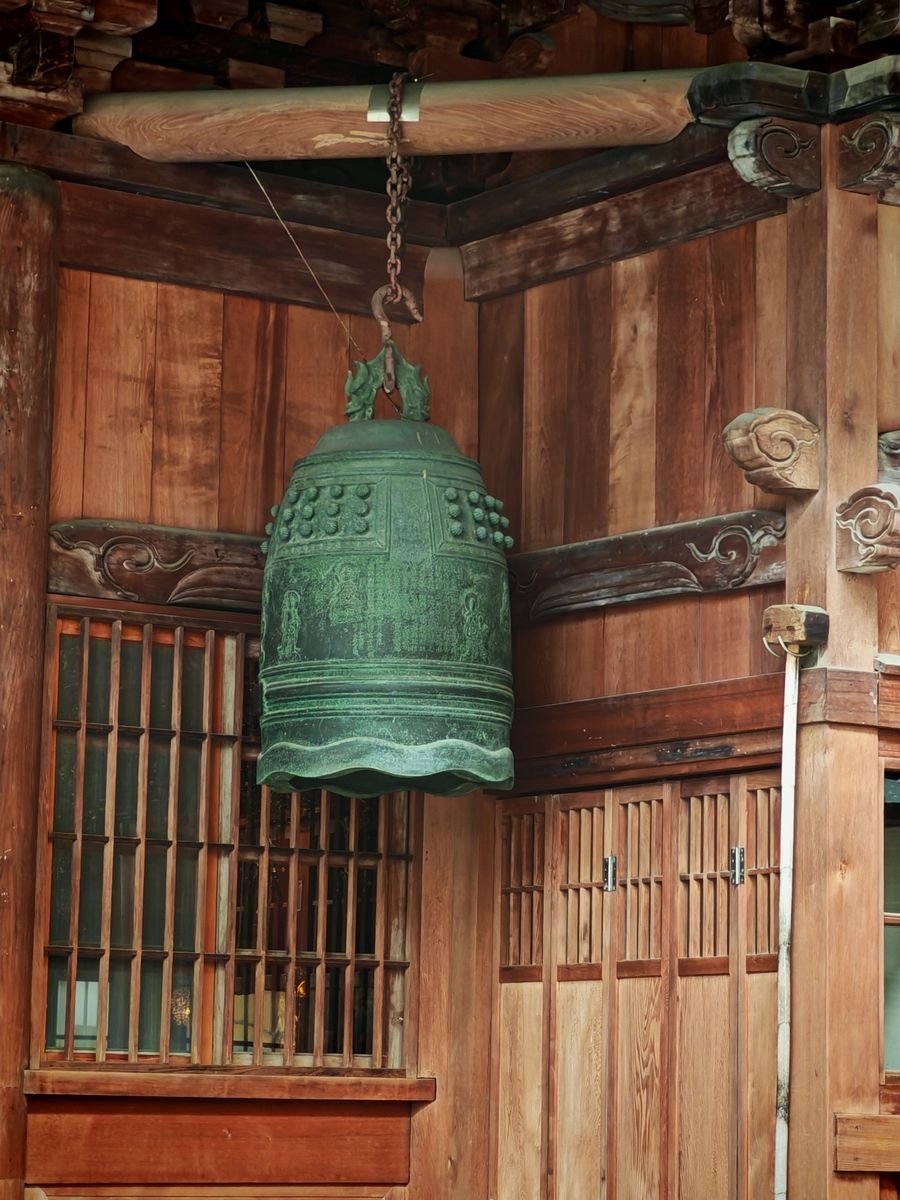
Here’s where the history gets more solid, and in some ways stranger than the legend. Dōjō-ji’s own records describe the temple being largely burned during Toyotomi Hideyoshi’s campaign through Kii Province in 1585, and say the original bell was carried off during that same fighting. Whether that bell had anything to do with a serpent is impossible to verify — but it genuinely vanished, centuries after the legend was already being told about it, which is the kind of detail that makes a story like this so sticky. The temple you visit today has a later bell. Stories about exactly where the old one ended up still circulate locally, but I haven’t found a source solid enough to repeat as fact here, so I’ll leave it where the record leaves it: lost in 1585, and never conclusively accounted for since.
From the Nō Stage to a Hundred Retellings
Whatever the original event was or wasn’t, the story’s real afterlife has been on stage. The Nō drama “Dōjōji” is still considered one of the most demanding plays in the entire repertoire, largely because of a single prop: the bell itself, which the lead performer must leap inside from a height, in full costume, without being seen to move. By 1752 the story had become a Kabuki dance-drama in Kyoto, “Musume Dōjōji,” famous for its lead dancer’s nine costume changes performed in full view of the audience using a quick-change technique called hikinuki. Temple literature I’ve seen puts the number of theatrical variations on the Dōjōji story at over a hundred, spanning Nō, Kabuki, bunraku puppet theatre, and even a couple of twentieth-century films. Very few ghost stories get that kind of a stage career, and I think it says something about the story’s actual subject — not really a monster, but jealousy, broken promises, and what a person becomes when devotion curdles into obsession.
There’s a gentler thread running underneath all of this, too, which I find easy to miss on a first visit. In that oldest 1040 version, the tale doesn’t end with the fire. The dead monk appears in a senior priest’s dream and asks for a chapter of the Lotus Sutra to be copied on his behalf — and, according to that telling, both he and the serpent are ultimately freed and reborn into better circumstances. It’s a Buddhist story about release built underneath a folk story about rage, and the temple itself seems to hold onto both halves at once.
What’s Actually There Today
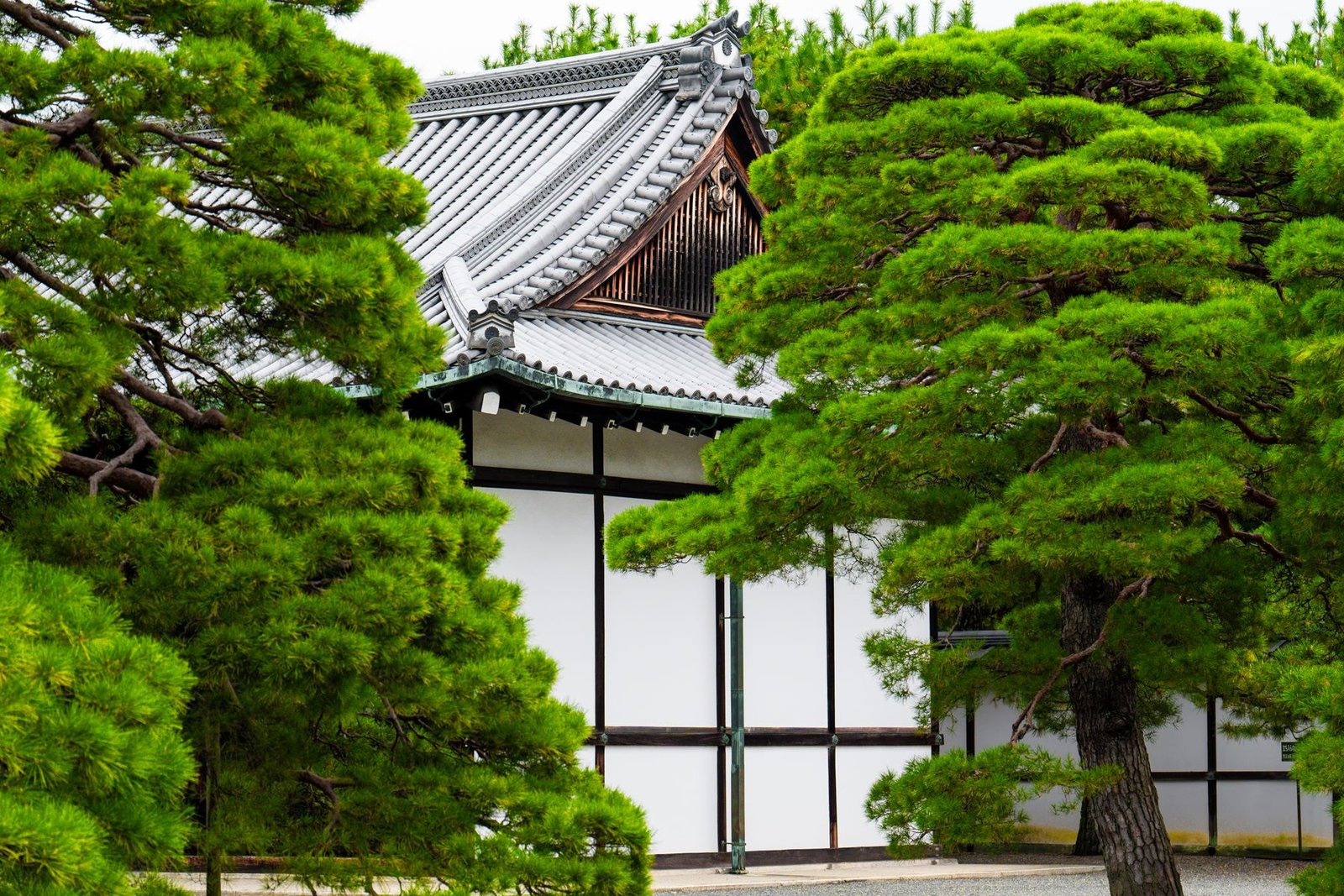
Dōjō-ji is still an active place of worship, not a roadside attraction, and that shapes a visit. The main hall standing today dates to 1357 and is a nationally designated Important Cultural Property, and the temple’s principal image, a Heian-period thousand-armed Kannon, is a National Treasure, along with two flanking Bosatsu statues. The temple grounds themselves were designated a National Historic Site in 2013. For a small fee, a resident storyteller narrates the Dōjōji Engi, the temple’s own illustrated scroll of the legend, at a set hall on the grounds — it’s by far the most interesting way to hear the story, since you’re hearing it the way the temple itself has chosen to preserve it, images and all. A treasure hall nearby holds a further collection of statuary for anyone who wants to stay longer.
Getting there takes a little planning. The nearest station, Dōjōji, is unstaffed, and the temple itself suggests arriving via Gobō Station instead and taking a short taxi ride, since taxis can be hard to find waiting at the smaller stop.
Visiting With Some Care
This is a working temple with its own congregation, so I’d treat a visit the way you would any other — quietly, and on its schedule rather than yours. If you sit in on the picture-scroll narration, that’s a paid, timed presentation rather than a casual wander-through, so it’s worth checking ahead for the day’s timing rather than assuming you can walk straight in. The statues and scrolls are centuries-old cultural properties, so keep hands off and cameras down where staff ask. And if, like me, you leave more curious about the gap between the eleventh-century grieving widow and the eighteenth-century named jealous lover than about the fire-breathing serpent in between, that’s probably the point. The bell may be long gone, but the questions it left behind are still very much on display.
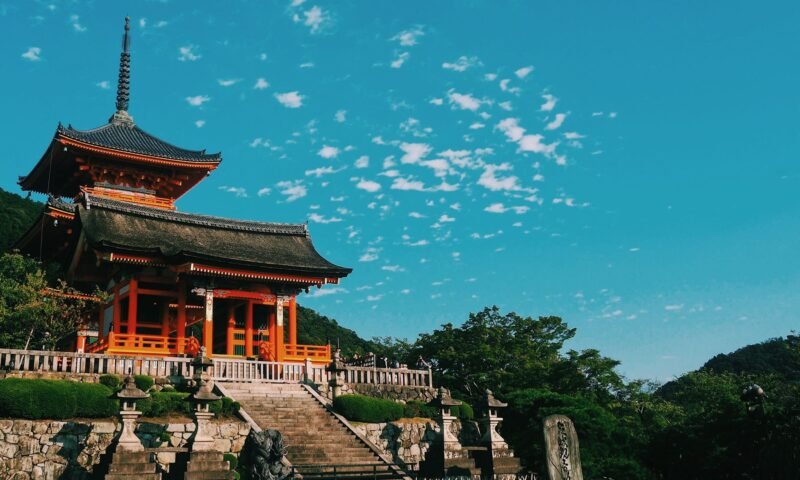
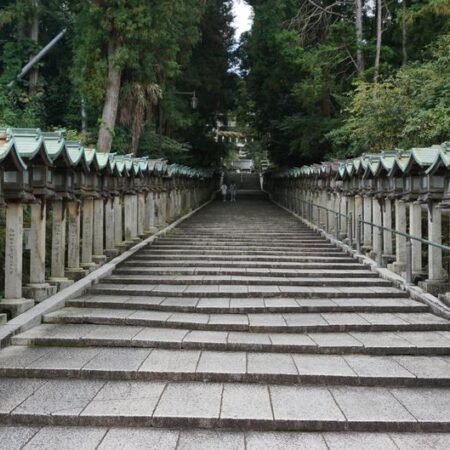
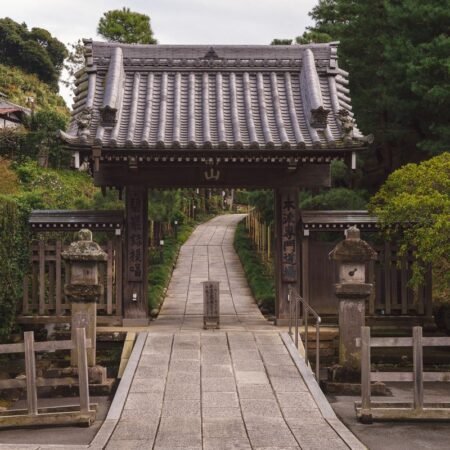
Note: images accompanying this article are illustrative stock photos and do not necessarily show the specific site discussed.



コメント