





The first time I went to Gion Matsuri, I didn’t actually plan to go. I’d just moved to Kyoto that July, my apartment still full of unpacked boxes, and I stepped outside one evening to find Shijo Street closed to cars, strung with paper lanterns, and smelling like grilled corn and charcoal smoke. I had no idea what was happening. A woman next to me, fanning herself with a folding fan, told me I’d wandered straight into the middle of one of Japan’s three greatest festivals. Five years later, I still think it’s the best accident I ever had in this country.
Gion Matsuri isn’t a single parade or a single night — it’s basically all of July. Kyoto quietly hands the entire month over to it, and once you’ve been through it once, everything else on the summer festival calendar feels a little smaller by comparison.
A festival born out of a plague, not a party
What surprised me most, once I actually looked into it, was how serious the origins are. Gion Matsuri traces back to the year 869, when the capital was in the middle of an epidemic and the emperor’s court held a purification ritual called a goryo-e to appease the vengeful spirits believed to be causing it. According to the story, 66 ceremonial halberds — one for each province of Japan at the time — were carried to the Shinsen-en garden as an offering. That ritual, tied to Yasaka Shrine and its deity Susanoo-no-mikoto, eventually grew into the enormous, elaborate festival Kyoto puts on today. It’s a strange thing to keep in mind while you’re eating a skewer of grilled squid on a hot summer night, but I think it’s part of what makes the festival feel like it has real weight to it, not just spectacle.
Yoiyama nights: lanterns, folding screens, and the whole city out walking
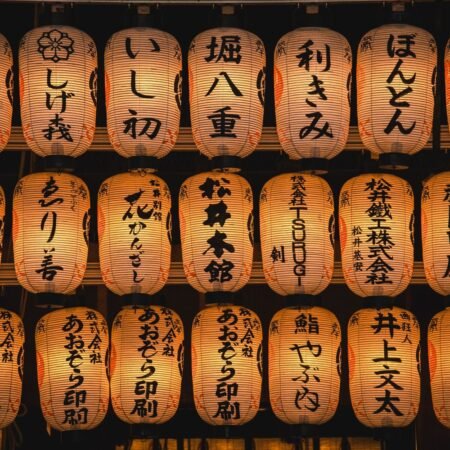
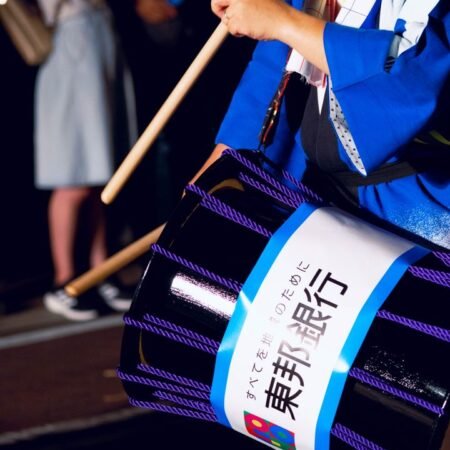
If I had to send someone to just one part of Gion Matsuri, it would be yoiyama — the evenings leading up to the big parades, when the streets around the floats are closed off and lit with rows of paper lanterns. Musicians perched on the floats play the festival’s signature bayashi music, a repetitive, hypnotic little melody that Kyoto locals call “kon-chiki-chin” after the sound of the bells and drums. You just walk. Everyone just walks, in yukata, eating festival food, stopping to look up at these enormous wooden floats lit up against the sky.
One of my favorite, least-touristed parts of yoiyama is something called Byobu Matsuri, the “folding screen festival.” Old merchant families in the neighborhoods around the floats open up the street-facing rooms of their traditional townhouses and put their family’s folding screens, scrolls, and antiques on display, visible right from the sidewalk. It’s not staged for visitors particularly — it’s more like these families are quietly showing off heirlooms they’ve kept for generations, and you happen to be allowed to look. I’ve gone back to the same few streets every July since, half for the art and half because it’s the closest I’ve felt to actually being let inside someone’s home in Kyoto.
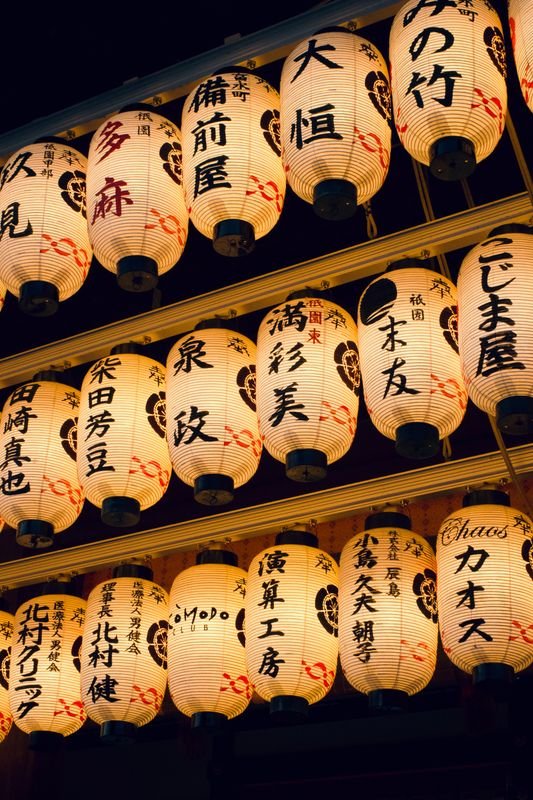
At nearly every float, you can also buy chimaki — not the sticky rice dumplings you might be picturing, but small bamboo-leaf charms, each one specific to that particular float’s history and blessing. You’re meant to hang one above your front door and keep it there for the whole year to ward off illness and bad luck, then swap it out for a new one the following July. I have five years of them stacked in a drawer because I can never bring myself to throw the old ones away.
The Yamaboko Junko: watching a multi-ton wooden float turn a corner
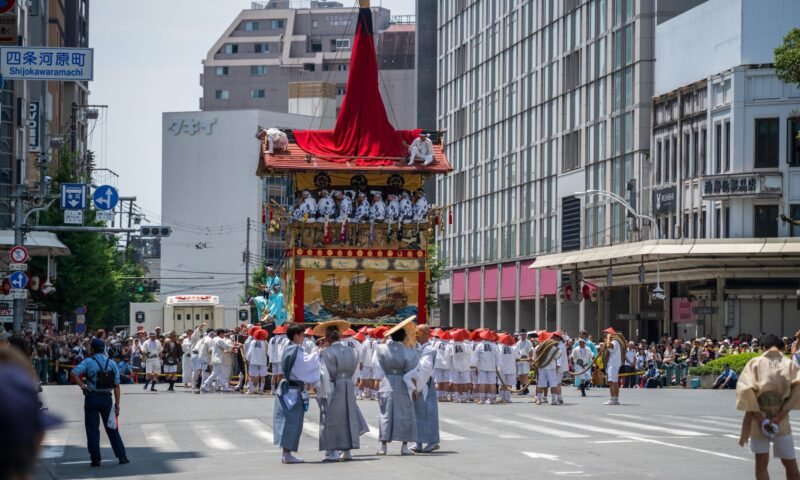
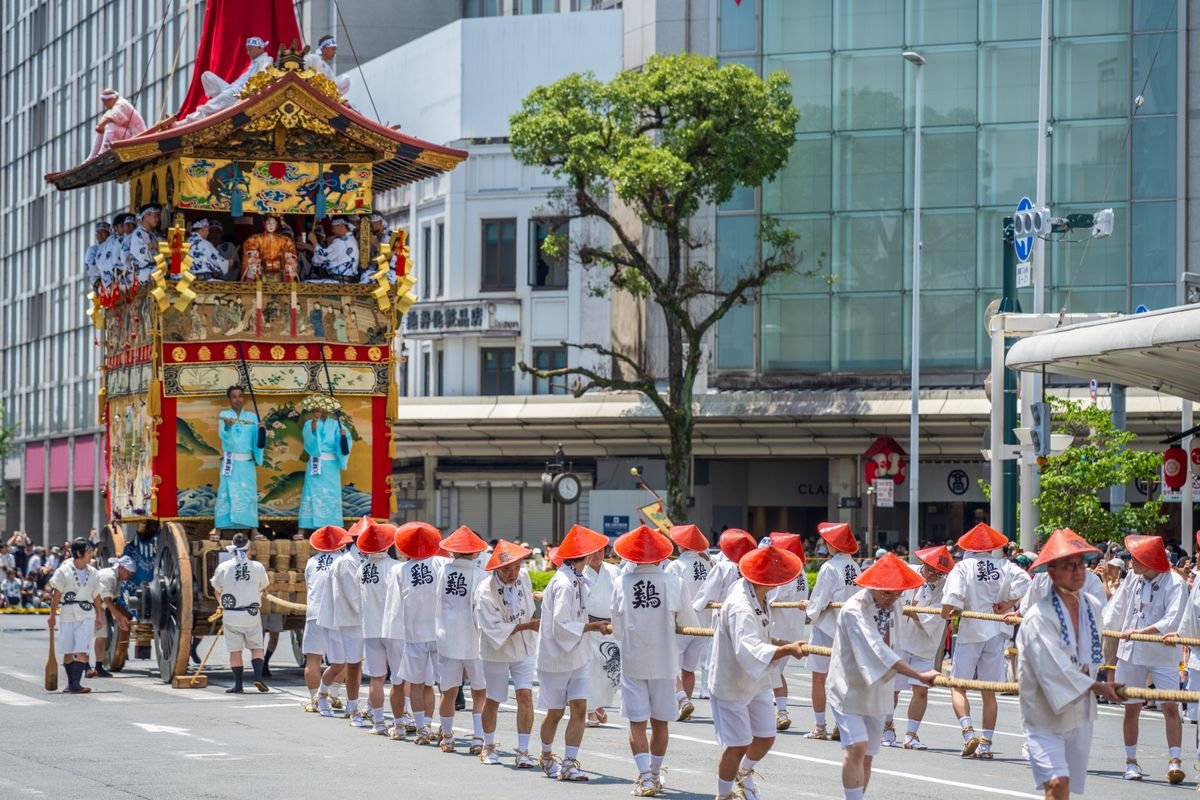
The centerpiece of it all is the Yamaboko Junko, the procession of the actual floats, which today happens in two parts: the Saki Matsuri parade on July 17, with around 23 floats, and the smaller Ato Matsuri parade on July 24, with around 11. The two-parade format is actually a modern-old revival — Kyoto ran it this way for centuries, consolidated it into one big parade in 1966 for logistical reasons, and then split it back into two in 2014.
Leading the Saki Matsuri parade every single year is the Naginata Boko, the “halberd float,” and it’s the only one that still carries a chigo — a young boy chosen as a sacred page for the festival, dressed in elaborate court robes. Traditionally, once the chigo is selected, he isn’t allowed to touch the ground and has to be carried everywhere until his ceremonial duties, which include cutting a sacred shimenawa rope to officially open the parade, are finished. Watching a kid probably younger than any of my nieces or nephews carry that kind of ceremonial weight is honestly one of the more moving things I’ve seen at any festival here.
The moment that gets the crowd loudest, though, is the tsujimawashi — the corner turns. These hoko floats are enormous, some several tons of wood and textile with no nails holding them together, just an intricate rope-lashing technique. To turn one 90 degrees at a street corner, the crew lays down bamboo slats, pours water onto the ground to cut the friction, and then hauls the whole thing sideways in short, straining bursts while a crowd holds its breath. It takes real effort not to gasp every time.
Some practical notes, from someone who’s overheated there more than once
If you’re thinking about going: Gion Matsuri’s Yamaboko Junko events were recognized by UNESCO as Intangible Cultural Heritage back in 2009, and later folded into a wider 2016 listing covering float festivals from across the country, so it’s the kind of thing that draws serious crowds. For yoiyama, the streets around Shijo-Karasuma and Kawaramachi-Oike get packed shoulder to shoulder in the evenings of July 14–16 (before Saki Matsuri) and July 21–23 (before Ato Matsuri), so I’d get there earlier than you think you need to, especially if you want a decent view of a corner-turn during the daytime parades. It is also brutally hot and humid in Kyoto in July, so bring water, something to fan yourself with, and sunscreen if you’re out during the day — I learned that the hard way during my first summer here. Both parades and the surrounding streets are free to watch from the sidewalk, though reserved paid seating is available if you’d rather not stand for hours. The nearest stations are Karasuma or Shijo on the subway, or Kawaramachi if you’re coming from the east side of the river.
Five Julys into living here, Gion Matsuri is still the one festival I structure my whole month around. It’s loud, it’s hot, it’s crowded, and somehow it still feels like it’s letting you in on something old and half-secret. If you only make it to one Kyoto festival in your life, I’d make it this one.
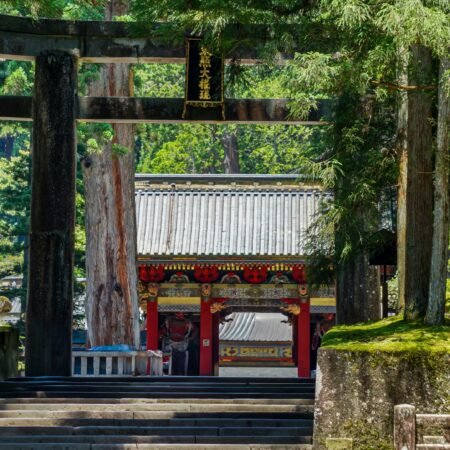
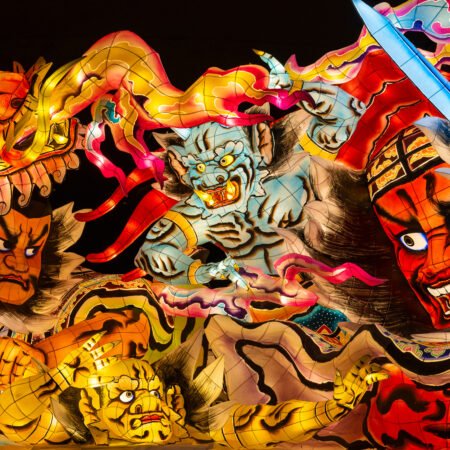
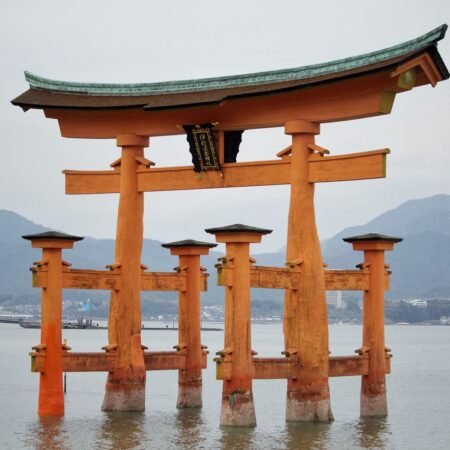
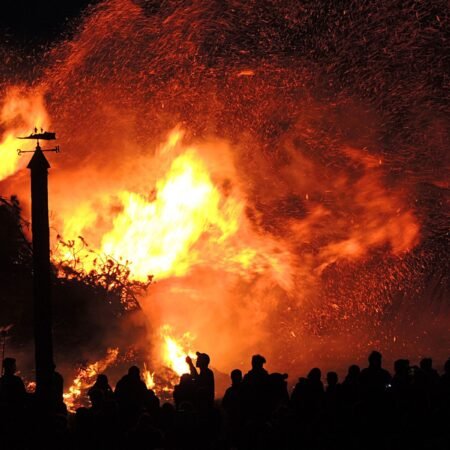
A quick note on photos: some of the images here are stock photos I’ve used to set the mood — they may not be the exact spot or moment I’m describing, just close in spirit.
コメント