





I found Rokudo Chinnoji almost by accident. I had been wandering the backstreets east of Kiyomizu-dera, following a narrow shopping lane called Matsubara-dori, when the crowds of tourists heading toward the temple thinned out and the street name on a small stone marker caught my eye: Rokudo-no-Tsuji, the “Crossroads of the Six Realms.” I had read about it years earlier in a footnote to a book on Heian-period folklore and had more or less forgotten about it. Standing there, in a quiet residential corner of Higashiyama a few minutes’ walk from one of the most photographed streets in Japan, I felt like I had stepped through a seam in the city.
The temple itself, Rokudo Chinnoji, is modest. There is no five-story pagoda, no sweeping veranda, nothing that would make it onto a “top ten Kyoto temples” list. What draws people here, myself included, is a well in the corner of the grounds and the story attached to it: that a Heian-era nobleman used it, every night, as a private commute route into hell.
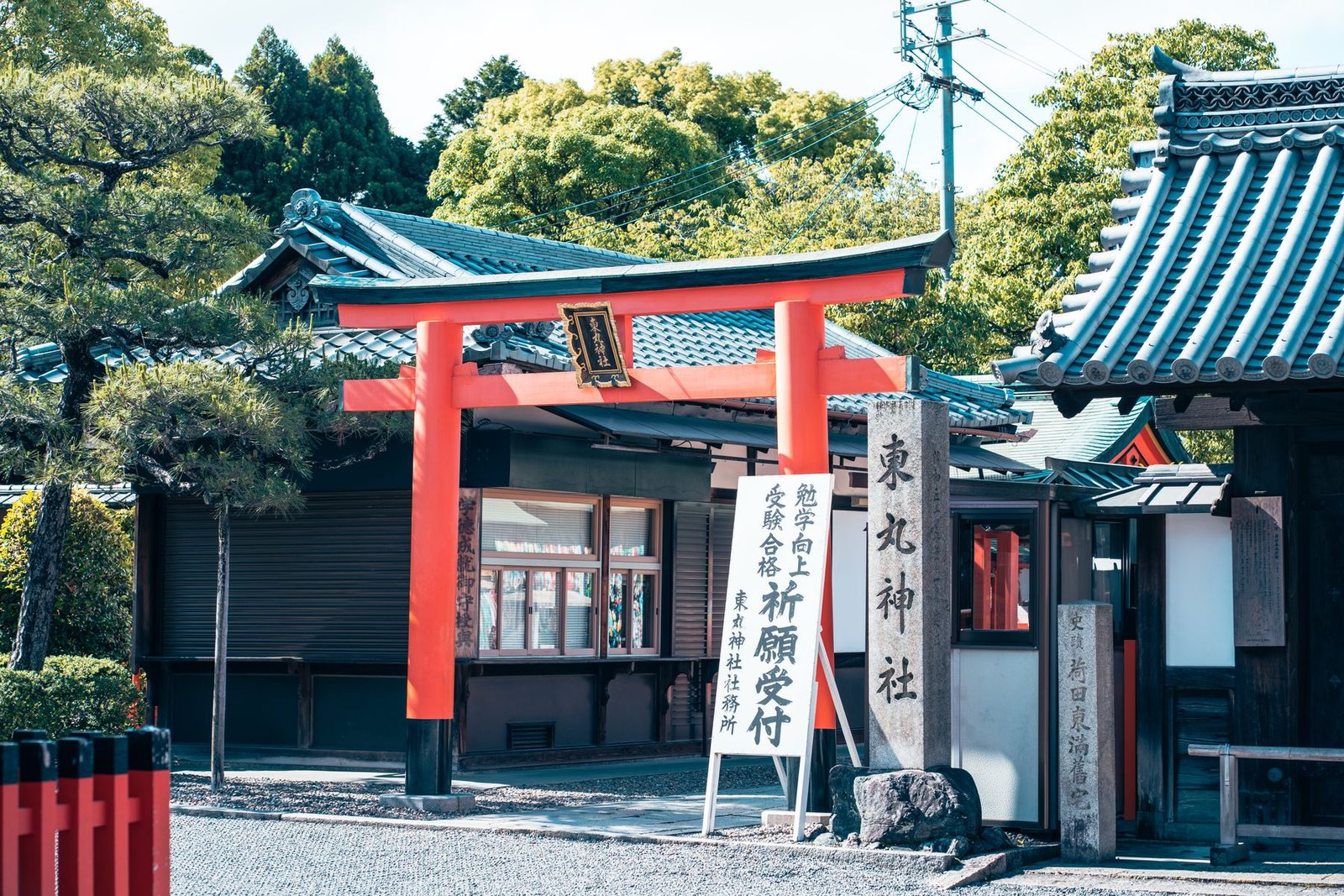
A Temple at the Edge of the City of the Dead
According to temple tradition, Rokudo Chinnoji was founded in the early ninth century, with different accounts crediting either the priest Keishun or the monk Kukai (Kobo Daishi) as founder; by the mid-Heian period it had come under the Shingon and later the Rinzai Zen tradition it belongs to today. What matters more than the exact founding date is where it stands. This stretch of Higashiyama, at the base of the hills leading up toward Kiyomizu-dera, once marked the eastern edge of the Heian-kyo capital, and beyond it lay Toribeno, one of the city’s principal cremation and burial grounds for well over a thousand years.
In a worldview where the living and the dead occupied adjoining but separate territory, this intersection earned the name Rokudo-no-Tsuji, referencing the six realms of Buddhist rebirth: heaven, the realm of fighting spirits, the human world, the animal world, the realm of hungry ghosts, and hell. The story goes that this was the last point where mourners in the Heian period would formally part ways with the deceased before the body continued on to Toribeno for cremation. In other words, this was, quite literally, understood as the border crossing between our world and the next.
The Nobleman Who Worked the Night Shift in Hell
Into that liminal setting steps a very real historical figure: Ono no Takamura (802-852), a high-ranking Heian court official, celebrated poet, and scholar of Chinese classics whose verses still appear in the Hyakunin Isshu anthology studied by Japanese schoolchildren today. By day, Takamura served the imperial court. According to legend that developed around him in the centuries after his death, by night he supposedly walked to a well behind what is now Rokudo Chinnoji, descended it, and reported for a second job as a judge in the court of Enma, the ruler of the underworld, helping to weigh the deeds of the recently deceased.
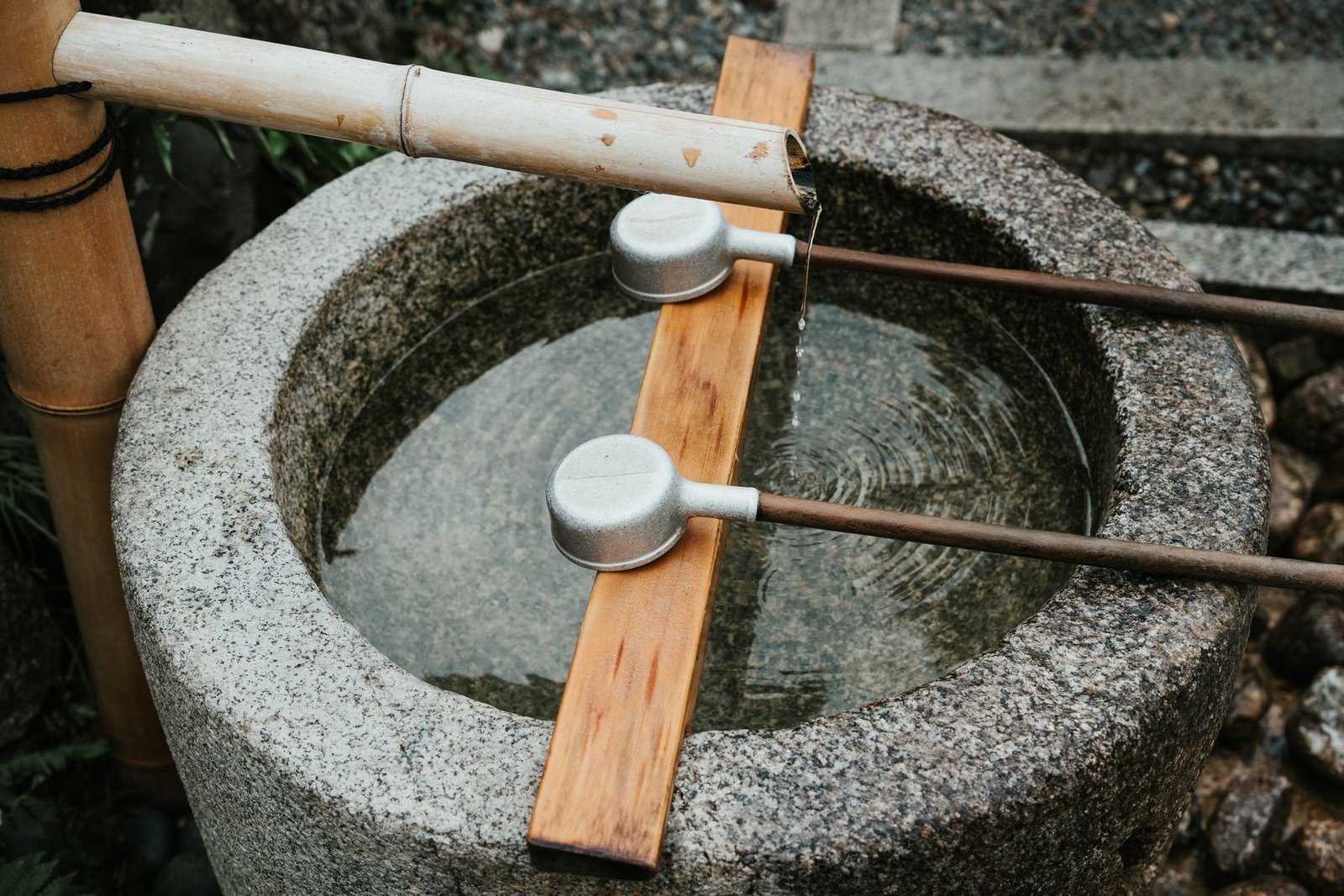
The well said to be his nightly entrance still exists in a small enclosed garden at the back of the temple grounds, visible to visitors, though the temple keeps close control over public access to the immediate area out of respect for the site’s function as an active place of worship. A separate well, understood in the legend as Takamura’s return route back to the world of the living, was rediscovered in 2011 during renovation work at a nearby subtemple associated with Rokudo Chinnoji, lending the story a curious real-world footnote: an actual well, unearthed roughly where old records said it should be.
I want to be careful here: it is easy to flatten a story like this into a claim of fact. Nobody, including the temple itself, presents this as verified history. It belongs to the same category as many of Japan’s enduring ghost stories: setsuwa, the medieval anecdotal tales blending real people, real places, and supernatural elaboration, reshaped by storytellers for centuries. What is verifiable is that Ono no Takamura existed and had a reputation for sharp, biting intelligence, and that later generations found something irresistible about giving an underworld double life to a man whose day job already involved judging cases in an earthly court.
A Bell for Calling the Dead Home
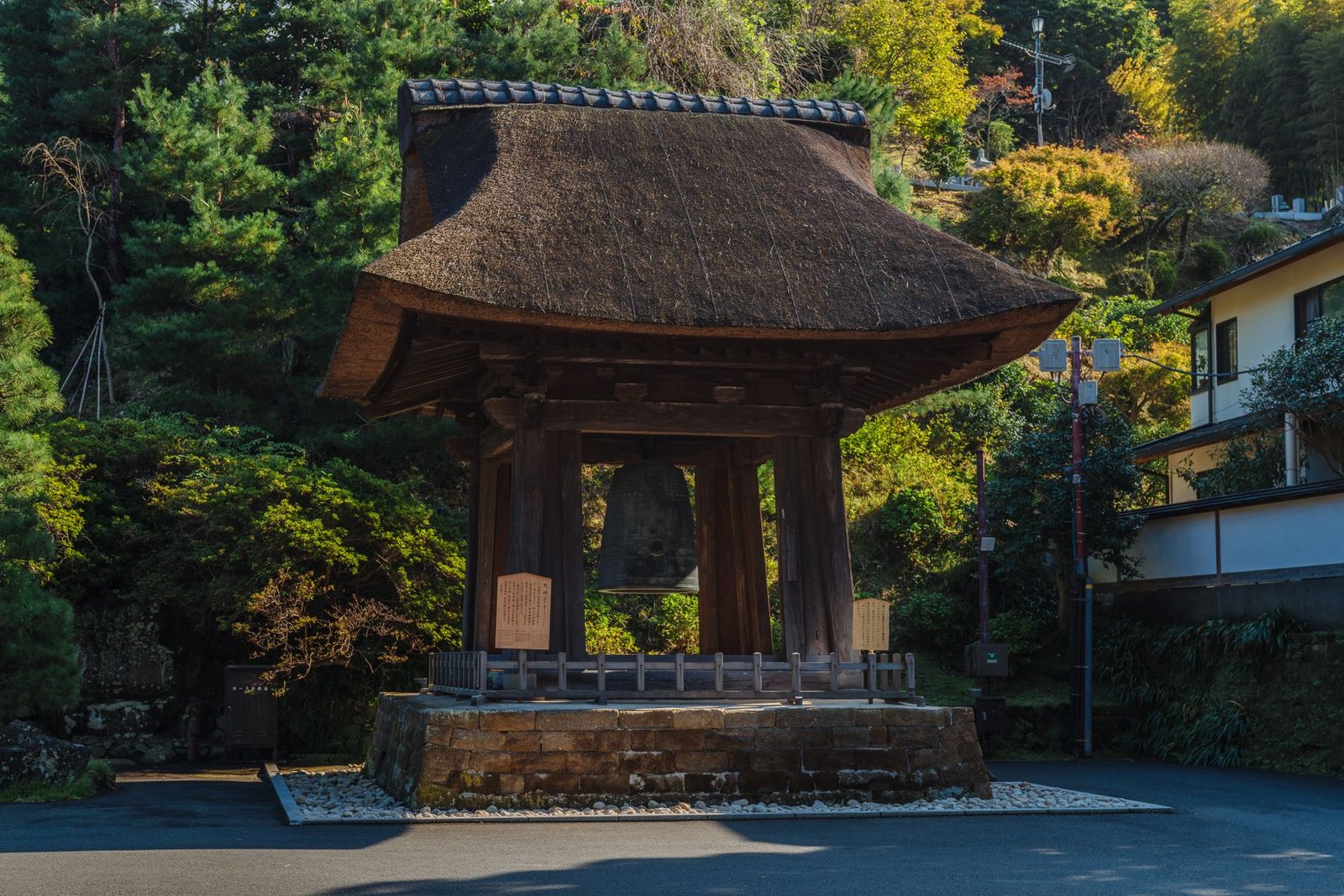
What struck me most on my visit was not the well itself, which is only partly visible from the path, but the bell tower just inside the main gate. Every year from August 7th to 10th, the temple holds a rite called Rokudo Mairi, during which local families come to symbolically welcome the spirits of their ancestors back for the Obon holiday. Visitors purchase a thin wooden stick called a mizutoba, inscribed with the name of the deceased, and pull a rope to ring the temple’s old bell, a sound said to carry down through the earth and reach the realm of the dead, summoning the spirit to follow the sound home for a few days before it is sent back at the end of Obon.
Standing at that bell rope during a quieter afternoon outside festival season, I found the atmosphere less frightening than genuinely moving. The idea underneath the Takamura legend and the Rokudo Mairi custom is the same one that runs through so much of Japanese folk religion around death: the boundary between this world and the next is not a wall but a door, one that opens briefly and predictably if you know the right season and the right ritual. A well that leads to hell and a bell that calls spirits home are, in that sense, two versions of the same idea.
Visiting Rokudo Chinnoji Today
The temple sits a short walk from Kiyomizu-dera and Yasaka-jinja, making it an easy, low-key addition to a Higashiyama itinerary rather than a destination that requires a special trip. It is a working temple with its own congregation, not a museum exhibit, and that distinction matters for how visitors should behave here.
A few notes on visiting respectfully. The well sits in a restricted section of the grounds, only fully open to public view during specific exhibition periods the temple announces in advance; outside those times, admire it from the permitted viewing area and never enter any roped-off or private section. If you visit during Rokudo Mairi in August, remember that for the families around you this is a solemn occasion tied to real grief, not a spectacle for visitors, so keep photography discreet and voices low. As with any of Kyoto’s older temples nestled among private homes, be mindful of the residential streets nearby, particularly in the evening. And as always with places tied to the deceased, a little quiet and a little humility go a long way.
I left Rokudo Chinnoji without having seen the famous well up close, and oddly, that felt appropriate. Some doors, I think, are more interesting closed.
Note: images accompanying this article are illustrative stock photos and do not necessarily show the specific site discussed.



コメント