








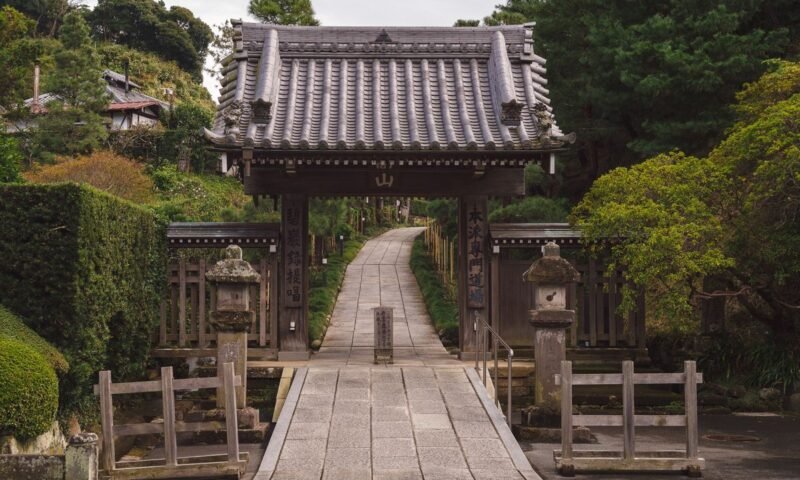
I found the entrance to Kasaigayatsu valley by accident, really. I was cutting through the backstreets of Omachi, on the quieter side of Kamakura Station, trying to find a coffee shop a friend had recommended, when I noticed a narrow lane running up between two houses and dead-ending at a chain-link fence. Behind the fence, the ground rose steeply into a wooded hollow, and a small wooden sign explained, in weathered kanji, that I was standing at the edge of a National Historic Site: the ruins of Tosho-ji, the family temple of the Hojo regents, and the place where their seven generations of rule over Japan ended in a single afternoon of fire in 1333.
There isn’t much to see from the fence line. That, I would learn, is rather the point.
The Hojo, and the Fire That Ended Them
The Hojo clan had governed Japan as shikken, or regents, since the early thirteenth century, ruling in the name of shoguns who were often little more than figureheads. Their family temple, Tosho-ji, was founded around 1237 by Hojo Yasutoki in this narrow valley just east of central Kamakura, and for the better part of a century it served as the spiritual home of the most powerful family in the country.
That ended on the fourth of July, 1333, when the rebel general Nitta Yoshisada broke through Kamakura’s defenses and set the city ablaze. According to the Taiheiki, the great medieval chronicle of the period, the last regent, Hojo Takatoki, gathered his retainers and family at Tosho-ji as the shogunate’s capital burned around them. Rather than surrender, an estimated 870 members of the Hojo clan and their followers are said to have taken their own lives inside the temple grounds that day, ending a hundred and fifty years of Hojo rule in a single, catastrophic afternoon.
It is worth pausing on that number. Nearly nine hundred people, by the traditional account, chose death over capture in the space of a few hours, in a temple no larger than a modest neighborhood shrine. Archaeological digs carried out in 1976, 1996 and 1997 uncovered stone walls, paved paths, gate foundations and roof tiles bearing the Hojo family’s distinctive three-scale crest, along with scorched stones that seem to confirm the fire described in the old chronicles. The site was formally designated a National Historic Site in 1998. Today the excavated areas have been carefully backfilled to protect them, and the whole valley is fenced off, which is exactly the view I was looking at that afternoon in Omachi.
The Cave Named for the Last Regent
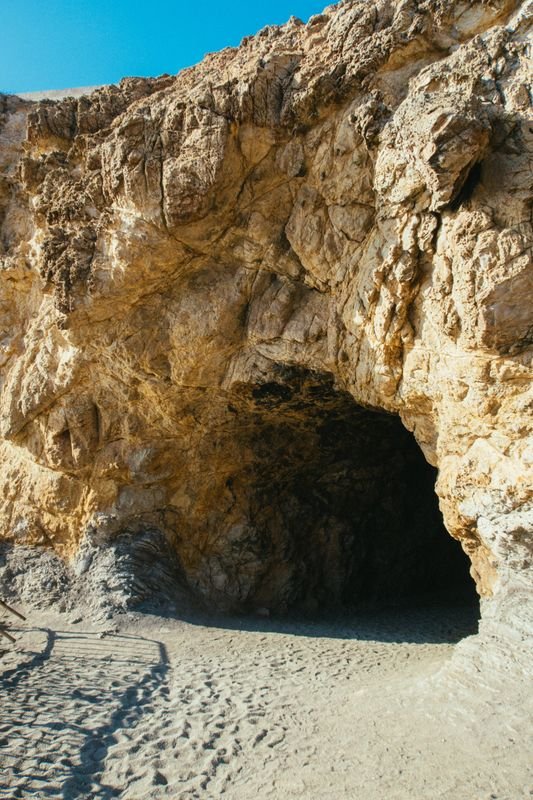
A short, steep climb above the temple ruins, tucked into the hillside, is a small rock-cut cave known as Harakiri Yagura, or the harakiri cave. Local tradition holds that this is where Hojo Takatoki himself, having watched his family and retainers die below, finally took his own life. Whether that is historically precise or a detail added by later storytellers is difficult to say with any confidence; Takatoki’s actual grave is generally recognized to be at Engaku-ji, a temple across town, and by at least one detailed account no bones or funerary urns have ever actually been documented inside the yagura itself. What is certain is that the cave has carried his name and his story for centuries, and that the story has only grown heavier with each retelling.
It’s easy to see why the site has picked up a reputation as one of the most haunted places in Kamakura, if not in Japan. A cave linked to a mass suicide of this scale, tucked into a quiet, half-forgotten valley, is the kind of location that seems built for ghost stories, and locals and visitors alike have long spoken of an oppressive stillness in the yagura, of the air itself feeling wrong. I want to be careful here, because “the local reputation says” and “this happened” are two very different sentences, and it would be easy to write the second when I only have grounds for the first. What I can say is that the reputation exists, that it has existed for a long time, and that it has shaped how the site is treated today in ways that go well beyond ghost stories.
Why the Fence Is There
Here is the part of the story I think matters most for anyone curious about visiting. Harakiri Yagura is currently closed to the public entirely, fenced off because of a genuine, ongoing risk of falling rock inside the cave. That is not a polite fiction designed to keep out the superstitious; it is a structural safety measure, the same kind you’d find at any unstable rock-cut chamber nearly seven hundred years old.
Unfortunately, the site’s grim history has made it a magnet for exactly the wrong kind of attention: people slipping past the fencing for late-night kimodameshi, or courage tests, and in some reported cases for drinking parties held in and around the ruins. Local residents have pushed back on this for years, and at least one descendant of the Hojo family has personally asked visitors online to stop treating the site as a haunted attraction to be dared into, and to remember that it is, first and foremost, a grave.
I found that request stuck with me more than any of the ghost stories did. Whatever you make of the paranormal claims, roughly nine hundred people are traditionally said to have died within a few hundred meters of where that fence now stands. Climbing past a safety barrier to film yourself in a collapsing cave for the thrill of it treats their deaths as a prop, and it puts the person climbing at real physical risk from rockfall in the process. Neither the temple ruins nor the yagura are places to test your nerve; they’re places to stand quietly at the boundary and think about what happened there.
Visiting Tosho-ji Today
None of this means the site is off-limits to a respectful visitor. The valley itself, in Omachi, is a short walk from Kamakura Station’s east exit, and the terraced landscape of the old temple grounds can be viewed perfectly well from the public path and the fence line, without setting foot inside. It’s a strangely peaceful spot, more residential lane than tourist attraction, and I suspect that quietness is part of why it still feels weighty in a way that some of Kamakura’s larger, more polished temples don’t.
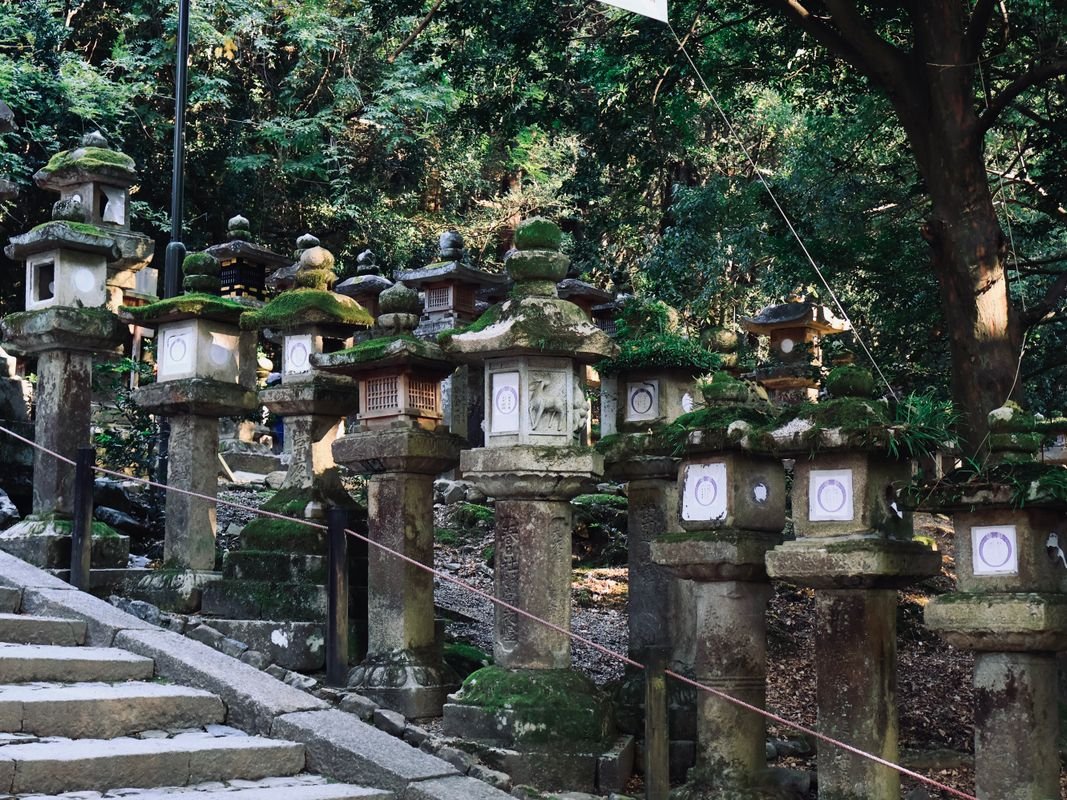
If you go, I’d treat it less as a haunted spot to tick off a list and more as a war grave hiding in a suburban valley, because that is closer to what it actually is. Stay on the public side of the fencing, keep your voice down out of consideration for the neighbours who live around the site, and resist any temptation, however strong the ghost stories make it, to go looking for Harakiri Yagura itself. It isn’t open, it isn’t safe, and the people who died there deserve better than to have their resting place treated as a dare.
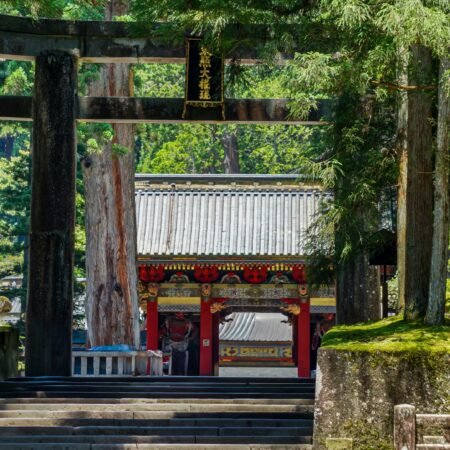
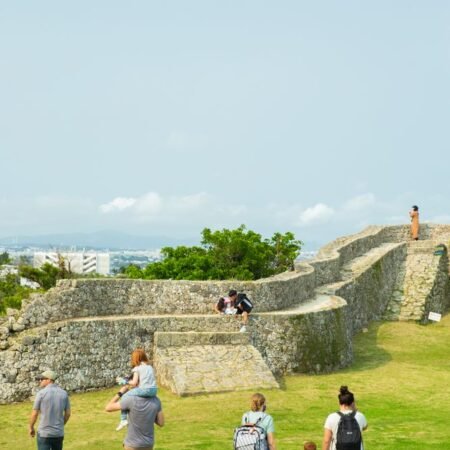
Note: images accompanying this article are illustrative stock photos and do not necessarily show the specific site discussed.


コメント