






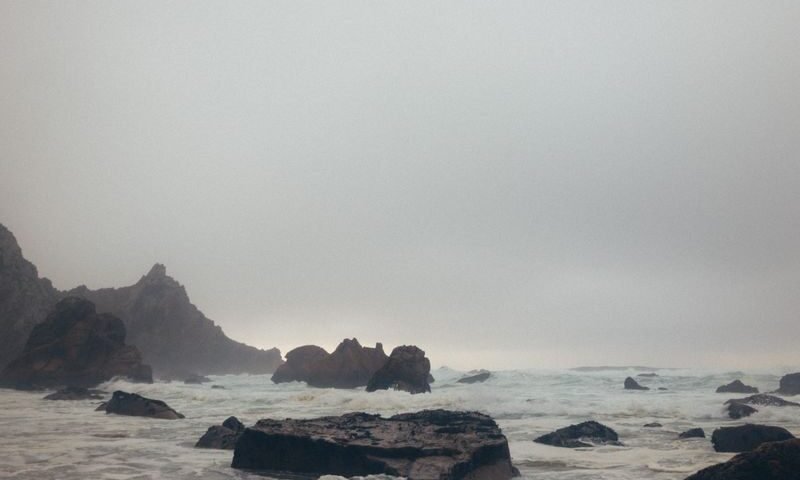
The tide was out at Sharihama when I got there, which meant a long walk across wet, ribbed sand before I reached the water. It’s not a beach that appears on many tourist maps. Kamisu, on the Pacific coast of Ibaraki, is better known for its football club and its industrial port than for anything supernatural. But somewhere along this stretch of the Kashima-nada coast, according to a handful of Edo-period manuscripts, a strange round vessel is supposed to have washed ashore in 1803, carrying a woman nobody could identify and a box nobody was allowed to touch.
I’ve spent seven years now translating things for a living, and there’s a particular pleasure in reading a 200-year-old document and realising that people back then were arguing about believability in exactly the way we do now. The utsuro-bune, or “hollow ship,” is one of Japan’s strangest pieces of Edo-period writing, and it’s often filed under UFO folklore rather than ghost stories. I’d argue it belongs on any list of Japanese haunted-spot lore anyway, because what draws people to Sharihama today isn’t the ship. It’s the unease of an encounter that was never resolved.
The document that started it all
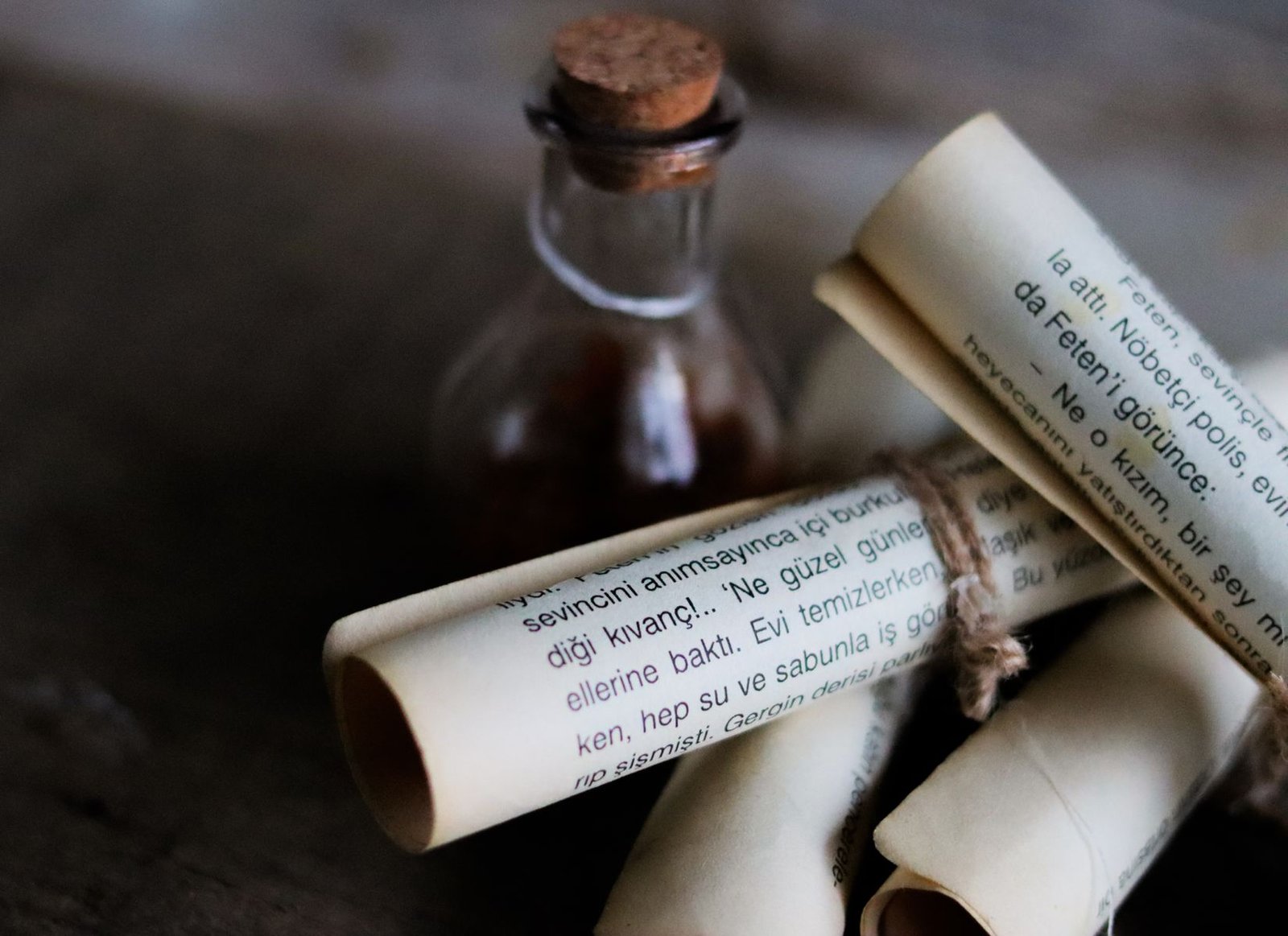
The most detailed account of the utsuro-bune comes from Toen Shōsetsu, a collection compiled around 1825 by Kyokutei Bakin, the novelist best known for the samurai epic Nansō Satomi Hakkenden. Bakin wasn’t a witness. He was recording a story that had already been circulating, and at least ten other Edo-period sources mention a version of the same event, with varying place names and dates clustered around February 1803. That kind of scattered, inconsistent paper trail is exactly what you’d expect from a rumour that traveled faster than anyone could verify it, and it’s also, frustratingly, what you’d expect from something that actually happened and got garbled in the retelling. Nobody who has studied it seriously claims to know which.
According to these accounts, fishermen off the Hitachi coast spotted a round vessel drifting in the shallows, roughly three metres high and five metres across, described in the language of the time as looking something like an incense burner. It was reportedly built of red-lacquered wood banded with metal, with windows fitted with glass and iron bars, and inside were containers of water, some food, and a woven mat. When the villagers hauled it in, they found a young woman aboard, said to be in her late teens or early twenties, with pale skin and reddish hair unlike anything they’d seen locally. She spoke no language they recognised. She was, according to every version of the story, calm.
The woman and the box nobody would touch
This is the detail that tends to stick with visitors, and it stuck with me too: the woman was carrying a rectangular box, roughly two feet long, and she would not let anyone near it. Some versions say she cradled it the entire time she was on shore. The villagers, the story goes, eventually decided the wisest course of action was to put her back in the vessel, provision it again, and set it adrift, on the theory that whatever had brought her there — and whatever she was guarding — was not theirs to interfere with.
There’s a strange kind of mercy in that response, if the story is true in any of its particulars. No trial, no imprisonment, no attempt to force her secret out of her. Just a decision, made by ordinary coastal villagers with no framework for what they were looking at, to let the mystery leave the way it arrived.
A legend built out of real anxiety
Professor Tanaka Kazuo of Gifu University has spent years trying to pin the story to an actual place and event, cross-referencing old maps against the beach names mentioned in the manuscripts — Harayadori, Haratono-hama — and he’s proposed that these correspond to what is now called Hitachihara Sharihama, the stretch of coast near Hasaki in modern Kamisu. The folklorist Yanagida Kunio, working decades earlier, was more skeptical, treating the whole genre of “hollow ship” tales as invented set-pieces rather than distorted memory.
Tanaka’s more recent argument is that the level of technical detail and the tight clustering of dates across independent sources suggest the story may have started with something real — quite possibly a foreign vessel, Russian ships were pushing into Japanese waters around this period, misread through the lens of a society that had almost no vocabulary for encountering outsiders. Sakoku, the shogunate’s isolation policy, was still firmly in place. A woman who looked foreign, speaking an unintelligible language, arriving by sea in an unfamiliar kind of boat, would have been almost impossible for a fishing village to categorise. The legend, on this reading, isn’t really about aliens or ghosts. It’s about what a closed society does with an encounter it has no framework for.
Standing on Sharihama
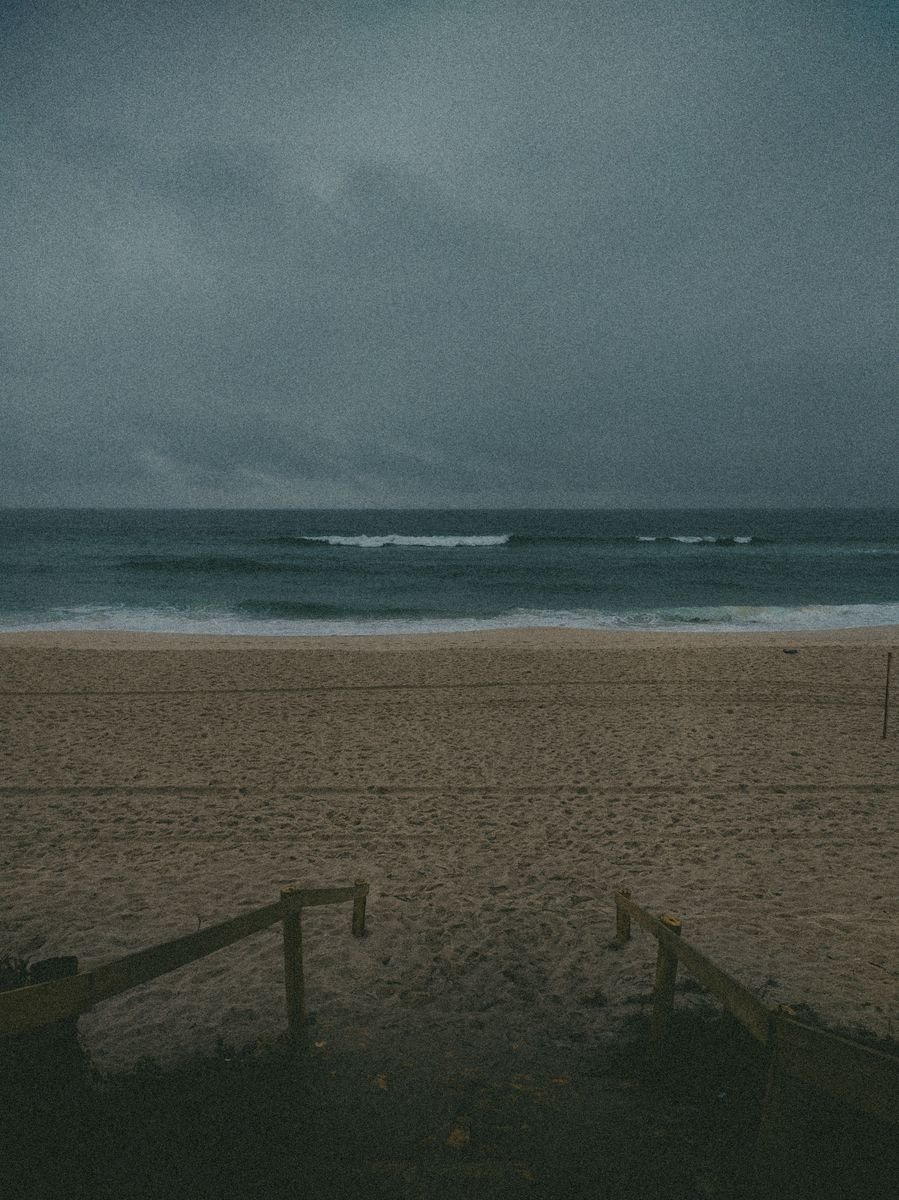
I won’t pretend I found anything on that beach beyond sand, wind, and a few container ships on the horizon heading into Kashima port. That’s more or less the point. Unlike a lot of the places I write about, there’s no shrine here, no marker, no torii gate to orient yourself by. If Tanaka’s identification is right, the actual site is an unremarkable, still-working stretch of coastline, which somehow makes the story more unsettling rather than less. Most of Japan’s ghost stories come with a place to focus your unease — a well, a bridge, a gate. This one just has open water and the tide coming in twice a day, indifferent to whatever happened, or didn’t, in 1803.
Whether you read the utsuro-bune as an early UFO account, a mistranslated shipwreck, or an Edo-period story about the fear of the outside world washing up on your own shore, it’s held on for two centuries for a reason. I’d rather leave that reason open than pretend I’ve solved it.
Visiting Sharihama: manners and safety
Sharihama is a working coastal area near Kamisu’s port facilities, not a managed tourist attraction, so there’s no formal visitor infrastructure and nothing to seek permission for beyond ordinary beach courtesy. If you go, stick to the public beach and walking paths, keep well clear of the port’s operational areas and any fishing equipment left along the shore, and be aware that this coast can have a strong undertow and sudden weather changes, so it’s not a place to wander at night or alone in poor conditions. There’s no site to disturb and no ruin to trespass into here, which is part of what makes it worth remembering respectfully rather than treating as a photo backdrop.
Note: images accompanying this article are illustrative stock photos and do not necessarily show the specific site discussed.
コメント