






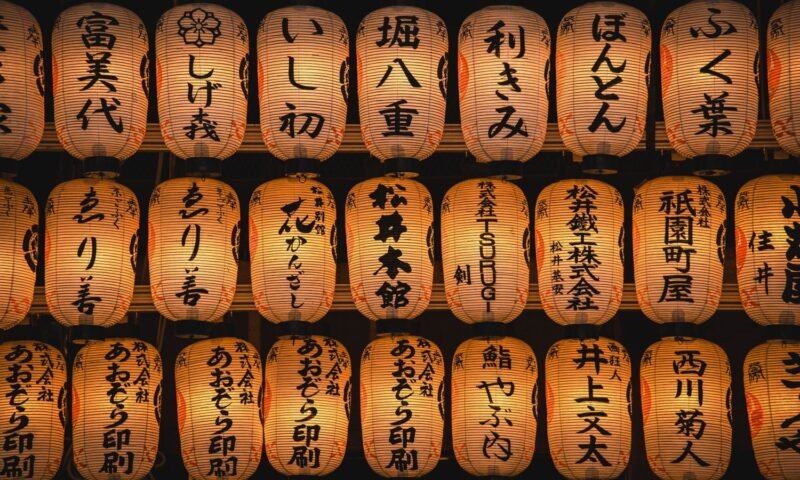
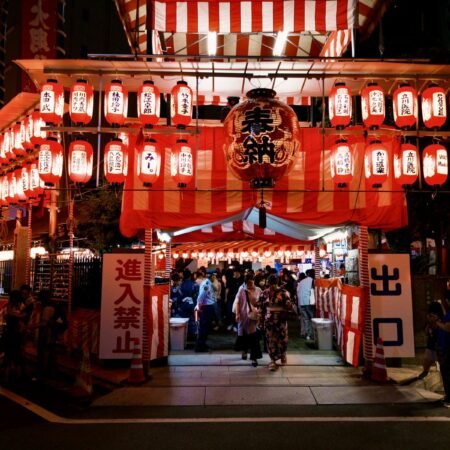
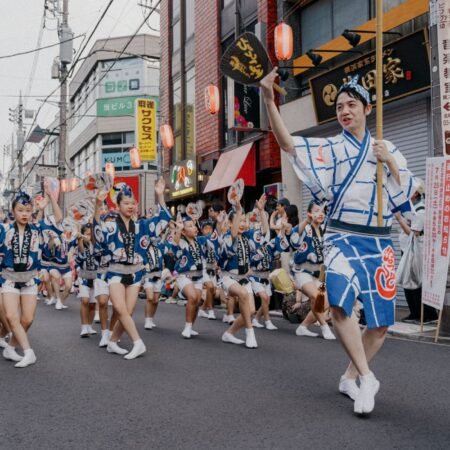
I didn’t plan to still be dancing at 2 a.m. I’d told myself I would watch for an hour, take some photos, and head back to my minshuku for a decent night’s sleep. But that’s not how Gujo Odori works. Somewhere around my third loop through the circle, chanting along to a song I couldn’t fully understand yet, I looked up and realized the streets of Gujo Hachiman were still packed — grandmothers in indigo yukata, toddlers on their fathers’ shoulders, a cluster of clearly jet-lagged tourists like me, all moving in the same slow, hypnotic circle under paper lanterns. Nobody was going home. So neither did I.
I’d lived in Japan for years before I finally made it to this small castle town tucked into the mountains of Gifu Prefecture, and I regret not going sooner. Gujo Odori isn’t the flashiest festival in the country, and that’s exactly its charm. There are no giant floats, no fireworks, no stadium seating. It’s just a town, a handful of simple folk songs, and an open invitation for anyone — resident or stranger — to join the circle.
A Dance With Serious Credentials
Don’t let the low-key vibe fool you. Gujo Odori has been performed in Gujo Hachiman for roughly 400 years, and it’s recognized by the Japanese government as a Significant Intangible Folk Cultural Property. In 2022, UNESCO added it to the Intangible Cultural Heritage list, putting it in the same company as some of Japan’s most storied traditions. The dance itself runs for about thirty nights every summer, from mid-July into early September, which makes it one of the longest-running bon dance festivals anywhere in the country. In 2026, the schedule runs from July 11 through September 5, with the dancing moving to a different shrine, temple, or street corner almost every night depending on which neighborhood is hosting.
What struck me most wasn’t the history, though — it was how unpretentious the whole thing felt. There’s no stage, no separation between performers and audience. The dancers form the show, and the show is just everyone.
Learning to Move Like You’ve Always Known How
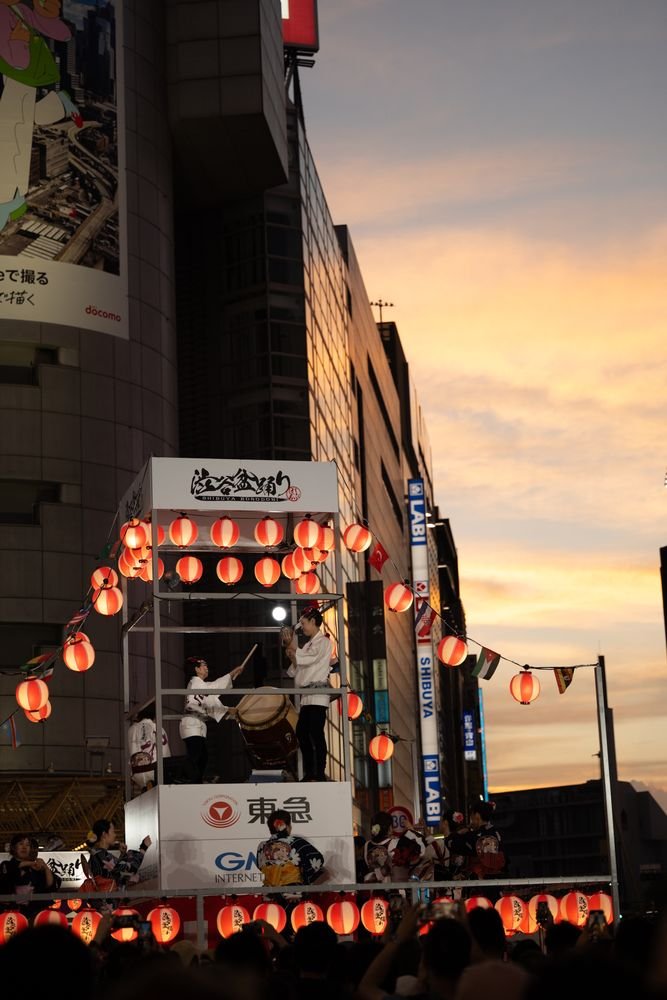
I’ll admit I was nervous about joining in. My sense of rhythm is mediocre at best. But Gujo Odori is built for beginners. Earlier that afternoon, I’d dropped by the Gujo Hachiman Hakurankan museum, where staff run short dance lessons for a few hundred yen — enough time to pick up the basic footwork for one or two of the ten traditional songs before the real thing starts after dark.
The steps are simple, repetitive, and forgiving: a shuffle, a turn, a clap, repeat. Within twenty minutes I had the hang of “Kawasaki,” one of the more popular songs, and that was enough to bluff my way through the rest of the night. Locals dance in wooden geta clogs that clatter rhythmically against the pavement, adding a kind of built-in percussion to the singer’s voice and the shamisen drifting over loudspeakers. I rented a cheap pair from a shop near the river, and within an hour my feet had figured out what my brain hadn’t quite caught up to.
When the Whole Town Doesn’t Sleep
If you can only make it to Gujo Odori once, aim for the Tetsuya Odori — the four nights of all-night dancing held every year from August 13 to 16, timed to coincide with Obon. This is when the circle doesn’t stop until dawn, running from around 8 p.m. straight through to 4 a.m.
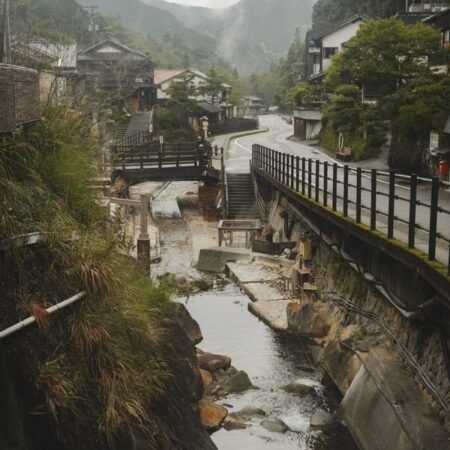
I went expecting the crowd to thin out well before midnight. It didn’t. If anything, the energy grew quieter and more focused as the night went on — less performance, more meditation. Around 3 a.m., with the summer heat finally breaking and the sky starting to lighten just slightly behind the mountains, I understood why people describe this festival as something closer to a communal trance than a party. Nobody was shouting or drinking to excess. People danced because their grandparents danced, and their grandparents before them, on these same narrow streets lined with the clear mountain water Gujo Hachiman is famous for.
Planning Your Own Night in Gujo Hachiman
A few things I wish I’d known before I went. First, book accommodation early if you’re aiming for the Tetsuya Odori nights in mid-August — Gujo Hachiman is a small town and rooms fill up fast, especially since many visitors come from Nagoya or Gifu City for a day trip and don’t stay over. Second, wear a yukata if you have one, but don’t stress if you don’t; plenty of dancers are in regular summer clothes, and nobody will bat an eye. Geta clogs can be rented cheaply near the main dancing area if you want the full effect.
Bring cash — the town’s small snack stalls and dance-lesson venues aren’t always set up for cards — and pace yourself with water, since even a summer evening in Gifu’s mountains stays warm and humid. Outside of the four all-night dates, regular Gujo Odori nights run roughly from 8 to 10:30 p.m., which makes for a much easier introduction if an all-nighter isn’t realistic for your trip.
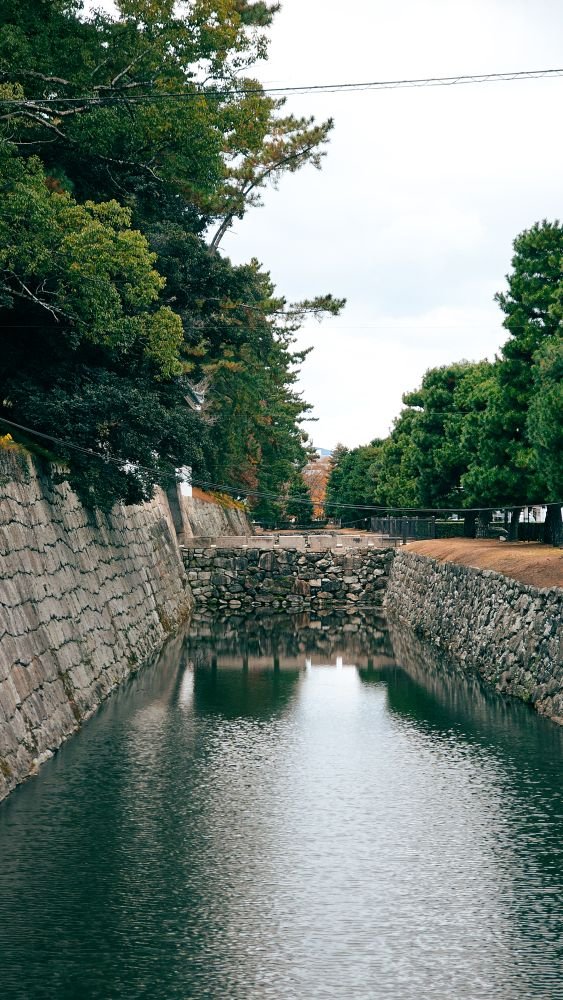
The town itself is worth wandering during the day, too. Gujo Hachiman is sometimes called Japan’s “water town” for the spring-fed canals running through it, and the hilltop castle offers a nice view over the rooftops before the evening’s dancing begins.
Why I’ll Go Back
I came to Gujo Odori for one night out of curiosity and left thinking about it for weeks afterward. There’s something quietly moving about a town that has kept a 400-year-old dance alive not as a tourist spectacle, but as something its own residents still genuinely show up for, year after year, until sunrise. If you find yourself in central Japan next August, skip the bigger, louder festivals for one night and go find this circle instead. Just don’t plan on getting much sleep.

コメント