






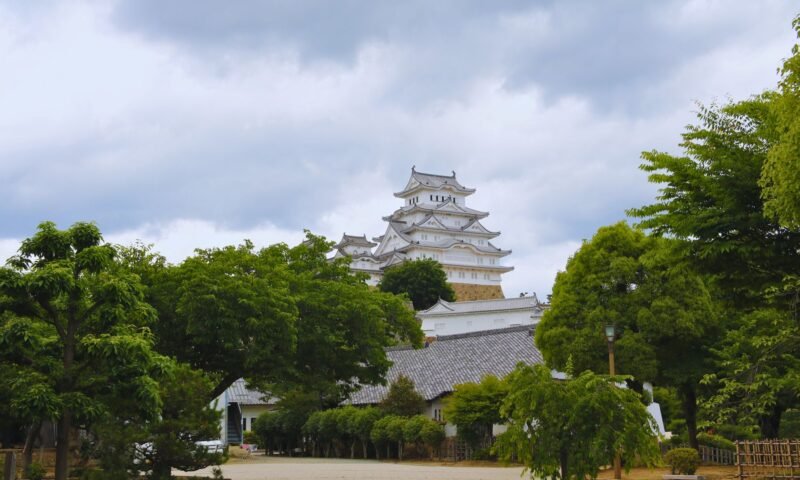
The first time I visited Himeji Castle, I wasn’t thinking about ghosts at all. I was thinking about my feet, which had covered most of the hilltop compound in the kind of early autumn heat that makes you regret wearing black. It was only when I wandered off the main circuit, past a low stone wall near the western bailey, that I found it: a narrow, unremarkable well, ringed by a wooden fence and a small explanatory sign. I nearly walked past it. Then I read the sign properly, and I understood I was standing next to one of the most retold ghost stories in Japan.
This is Okiku’s Well, and according to local legend, it is where a servant girl named Okiku was murdered and thrown down the shaft after being falsely accused of losing one of ten precious plates belonging to her samurai master. The story goes that her spirit still rises from the well at night, counting to nine in a mournful voice before breaking into a scream where the tenth plate should be. It’s the kind of story that sounds like it belongs in a horror anthology, and in a sense, it does — but it also belongs to a much older, stranger tradition of Japanese theatre, folklore, and civic pride than most visitors realize.
A Ghost Story Older Than the Castle You’re Standing In
The tale most people know today is called Banchō Sarayashiki, or “The Dish Mansion at Banchō,” and it exists in dozens of regional variations across Japan. Himeji’s version is one of the oldest and most frequently cited, though Tokyo, Okayama, and several other cities all claim their own “original” Okiku well. This is fairly typical of Japanese kaidan (怪談, ghost stories) — they travel, mutate, and attach themselves to real, physical locations long after the details of who told them first have been lost.
What makes the Himeji telling interesting is how tightly it’s woven into the castle’s actual samurai-era history. The story is usually set during a succession dispute in the late Muromachi or early Edo period, when a castle retainer named Aoyama Tessan supposedly framed Okiku for the missing plate after she rejected his advances, hoping to force her into marrying him in exchange for “forgiving” the crime. She refused even then, and according to the legend, was killed for it. Whether any of this happened as described is impossible to verify — there’s no reliable historical record of an Okiku actually dying at this specific well — and the sign at the site itself is careful to present the story as denshō, a handed-down legend, rather than settled fact. I’d encourage anyone writing or reading about it to do the same.
By the Edo period, the story had already been adapted into kabuki and bunraku puppet theatre, most famously as Banchō Sarayashiki, which cemented the plate-counting ghost as one of Japan’s three great classical ghost archetypes, alongside Oiwa and Otsuyu. Later, in the twentieth century, the same “counting to nine, screaming on the tenth” structure became a recognisable horror trope in its own right, echoed in everything from stage plays to the Ring films’ well-based dread, even though Sadako’s story is unrelated in its actual plot.
Standing at the Well Itself
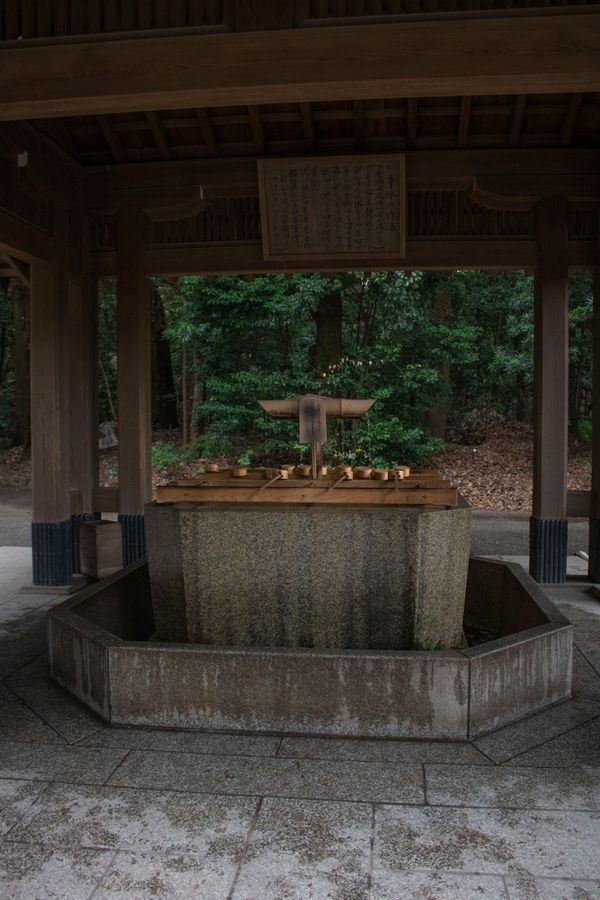
What struck me most, standing there, was how deliberately undramatic the actual well is. There’s no theatrical lighting, no gate marked with warnings, nothing designed to unsettle you. It’s just old stonework, a modest depth, and a sign in Japanese and English that briefly recounts the legend and asks visitors to be respectful. Families walked past taking photos. A tour guide nearby was explaining it to a small group in the measured, slightly rehearsed tone guides use for the hundredth retelling of a story they’ve clearly grown fond of.
That contrast is, I think, part of what makes it worth writing about. Himeji Castle is one of the best-preserved original castle structures in Japan and a UNESCO World Heritage Site, visited by hundreds of thousands of people a year mostly for its architecture, its defensive maze-like approach paths, and its brilliant white plaster walls that earned it the nickname “White Heron Castle.” The ghost story is almost a footnote on the official tour — and yet it’s often the detail people remember and repeat to friends afterward, long after they’ve forgotten the technical names of the castle’s baileys.
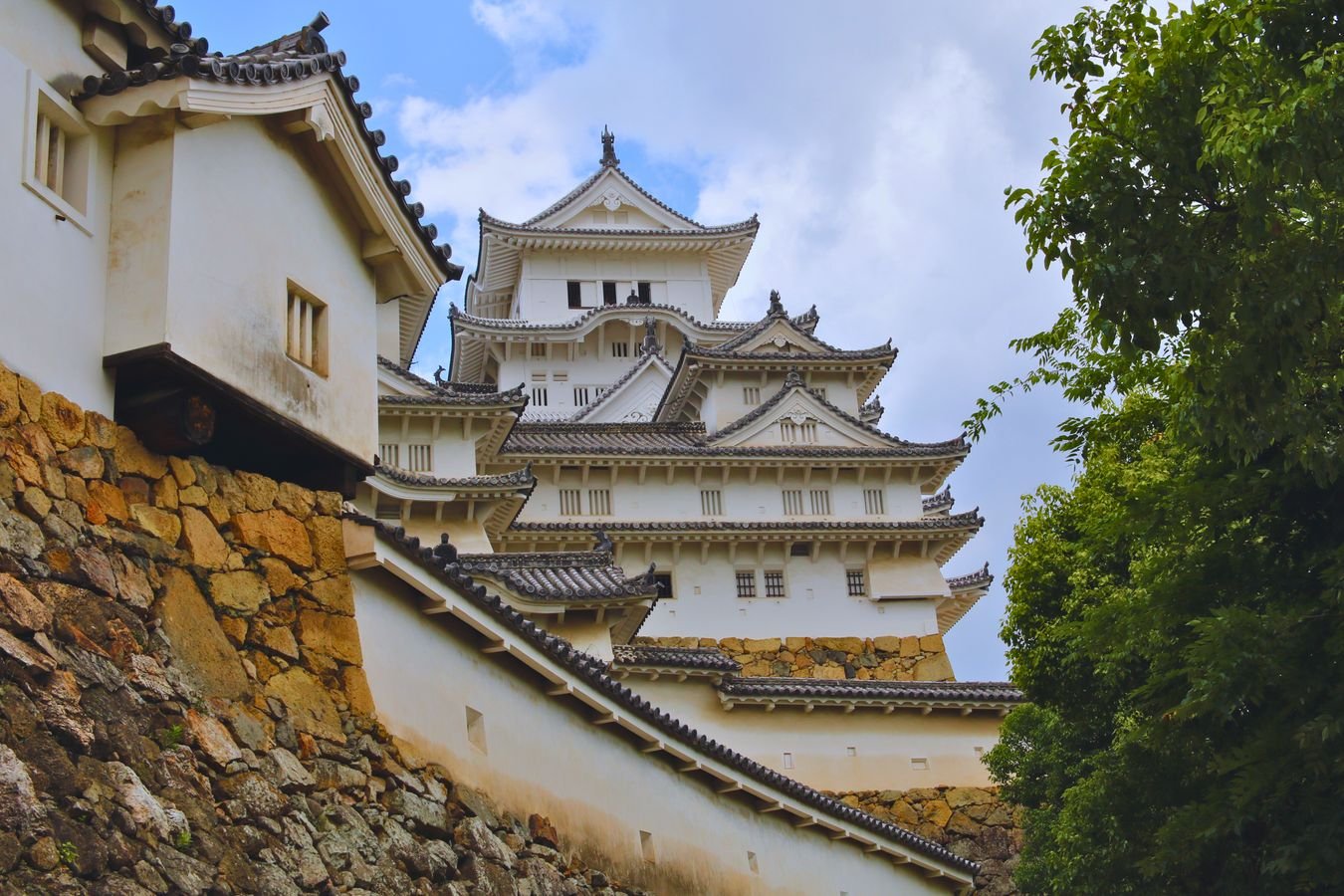
There’s something very Japanese about that layering: a rigorously preserved piece of military architecture, a genuine UNESCO heritage site, quietly holding space for a folk legend that can’t be verified and was never meant to be. Nobody at the castle is asking you to believe the well is haunted. They’re just telling you the story, the way it’s been told for a few hundred years, and letting you decide what to do with it.
A Note on Visiting
If you want to see Okiku’s Well yourself, it’s included in the standard paid admission route through Himeji Castle’s main keep and grounds — there’s no separate ticket, no need to go looking for a “hidden” or restricted area, and absolutely no reason to visit outside opening hours or try to access any part of the castle that isn’t part of the public route. The well sits near the nishi-no-maru (western bailey) area, and castle staff are generally happy to point it out if you ask.
A few practical notes from my own visit: the castle grounds involve a fair amount of walking and some steep, narrow staircases inside the keep itself, so comfortable shoes are worth more than any camera gear you bring. Himeji Castle is a working heritage site as well as a major tourist draw, so it’s worth being mindful of other visitors, following the marked routes, and not lingering at the well itself if others are waiting to read the sign or take a photo. As with any site tied to a story of someone’s death, however old or unverifiable, I’d gently suggest treating it with a bit of quiet respect rather than treating it purely as a photo prop — it costs nothing and it’s simply good practice at any site like this, real ghost or not.
I left Himeji thinking less about whether Okiku’s spirit really counts plates at night, and more about how a single, sad, almost certainly embellished story from centuries ago has managed to survive intact enough that a stranger from England can stand at a well in 2026 and still feel the weight of it. That, more than any scare, is what keeps me going back to places like this.
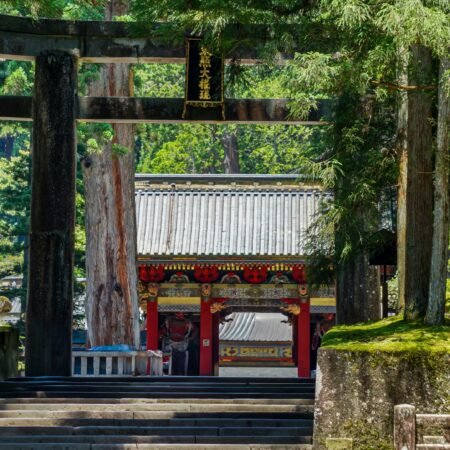
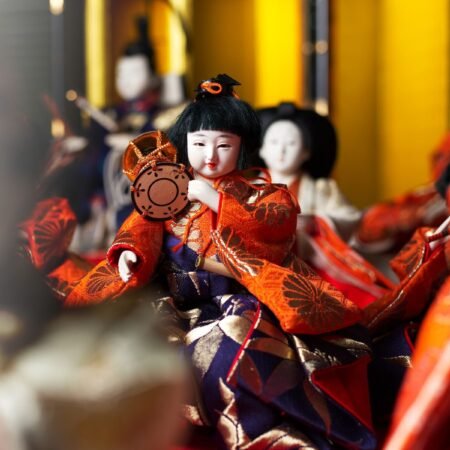
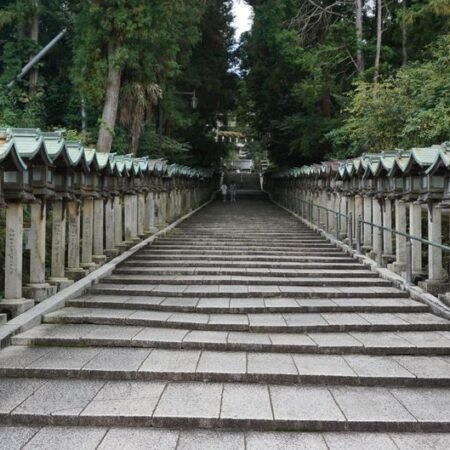
Note: images accompanying this article are illustrative stock photos and do not necessarily show the specific site discussed.


コメント