




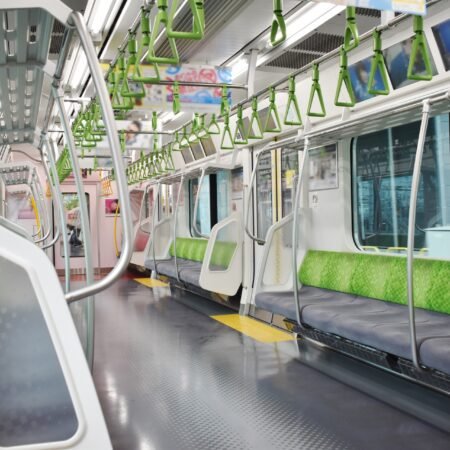

I almost missed my stop. I was staring out the window of the limited express Hashidate, somewhere past Fukuchiyama, half-asleep after the two-hour ride north from Kyoto Station, when the sea suddenly appeared on both sides of the train at once. That’s the moment you know you’re close to Amanohashidate, and it’s also the moment I understood why people have been making this trip for over a thousand years. You don’t really arrive at Amanohashidate. You just sort of float into it, with water on either side and a thin green line of pine trees stretched across the bay like someone drew it there with a ruler.
I’d heard the name for years without really knowing what it meant. Turns out “Amanohashidate” translates to something like “bridge standing in heaven,” which sounds a little dramatic until you actually see the thing. Then it makes total sense.
What Exactly Is a “Bridge to Heaven”?
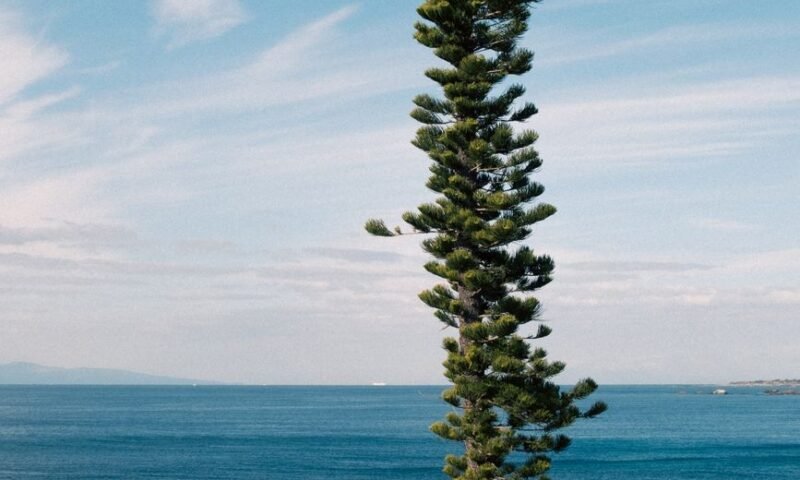
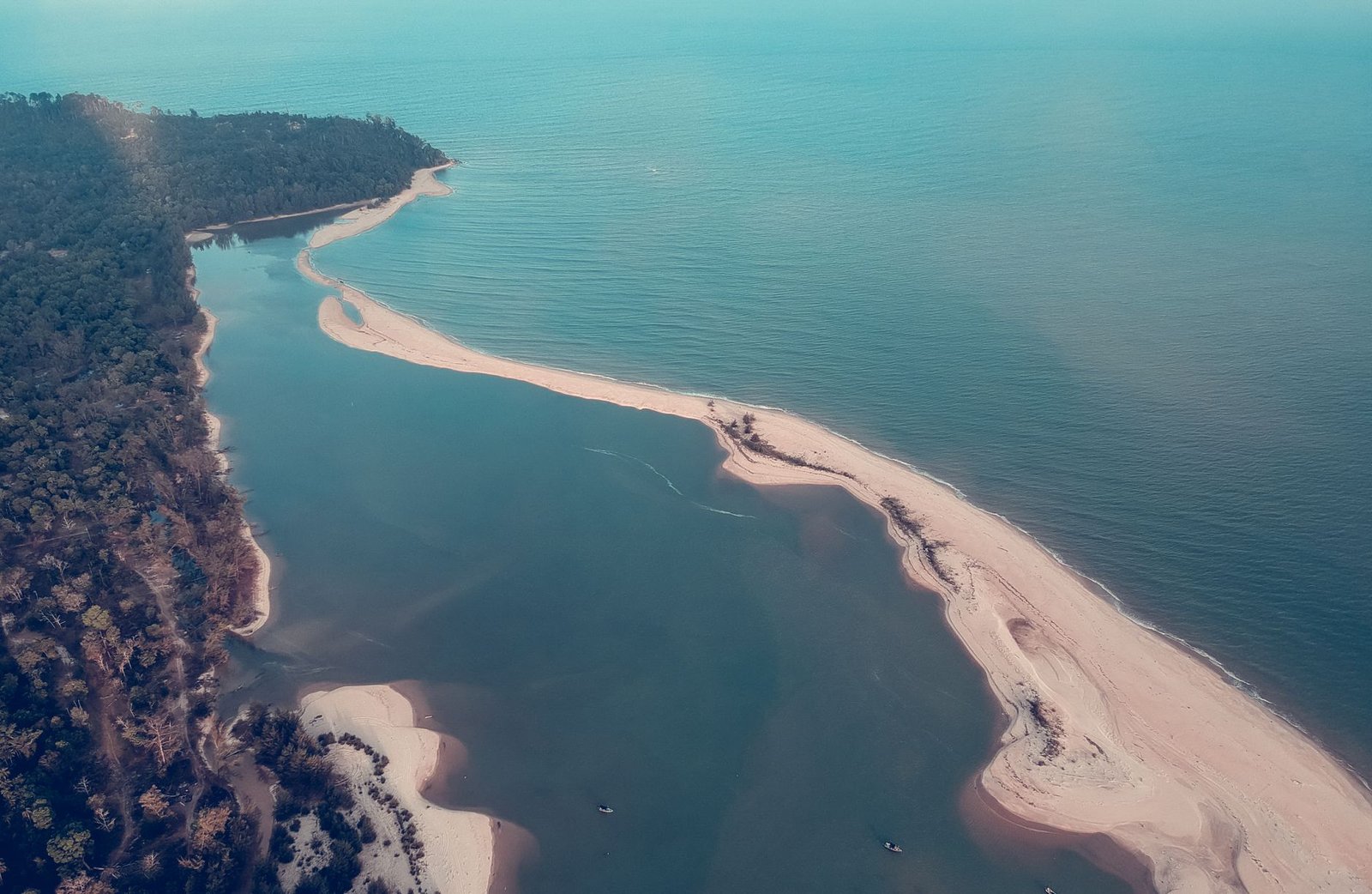
Amanohashidate is a natural sandbar in Miyazu Bay, up on the northern coast of Kyoto Prefecture, in the region locals now market as “Kyoto by the Sea” to remind everyone that Kyoto isn’t just temples and matcha lattes. The sandbar itself stretches about 3 kilometers across the bay and is covered in roughly 8,000 pine trees, some of them with their own names, like the Meoto Matsu (the “Couples Pine,” two trunks grown together) and the Chie no Matsu (the “Wisdom Pine”). At its narrowest point, the strip of land is only about 20 meters wide, with open water lapping at both sides.
Along with Miyajima near Hiroshima (which, full disclosure, I’d already visited and loved) and Matsushima up in Miyagi, Amanohashidate is one of Japan’s official “Three Views,” a list that dates all the way back to the early Edo period, when a Confucian scholar named Hayashi Gahō decided these three were the most scenic spots in the country and wrote it down. I don’t know if I’d rank them, exactly, but I will say that Amanohashidate has the distinct advantage of a built-in party trick that the other two don’t really have.
The Upside-Down Trick That Makes Everyone Look Ridiculous
That trick is called matanozoki, which translates roughly to “looking through your crotch,” and yes, that is exactly what it sounds like. You turn your back to the bay, bend over, and look at the view upside down, through the gap between your own legs. People have apparently been doing this for over a millennium, which tells you something about how committed Japan is to a good bit.
Here’s why it’s not just a gimmick: when you flip the view upside down, the sandbar and the sky trade places, and suddenly that thin strip of pine trees looks like it’s rising up into the clouds instead of lying flat on the water. At Kasamatsu Park, on the north side of the bay, there’s a dedicated matanozoki viewing platform about 130 meters above sea level where the inverted view is nicknamed the “ascending dragon.” Over on the south side, at Amanohashidate View Land, the same trick produces what they call the “flying dragon” view. Both sides will happily sell you the chairlift ticket and let you make a fool of yourself for the cause.
I did it at Kasamatsu Park, chairlift ticket in hand, surrounded by a small crowd of other tourists all bent double in a row like we were stretching before a race. For a second, upside down and slightly dizzy, I genuinely saw it: a bridge, floating, connecting the sea to the sky. Then I stood back up, got a head rush, and had to sit on a bench for a minute. Worth it.
Walking (or Biking) Across the Bridge Itself
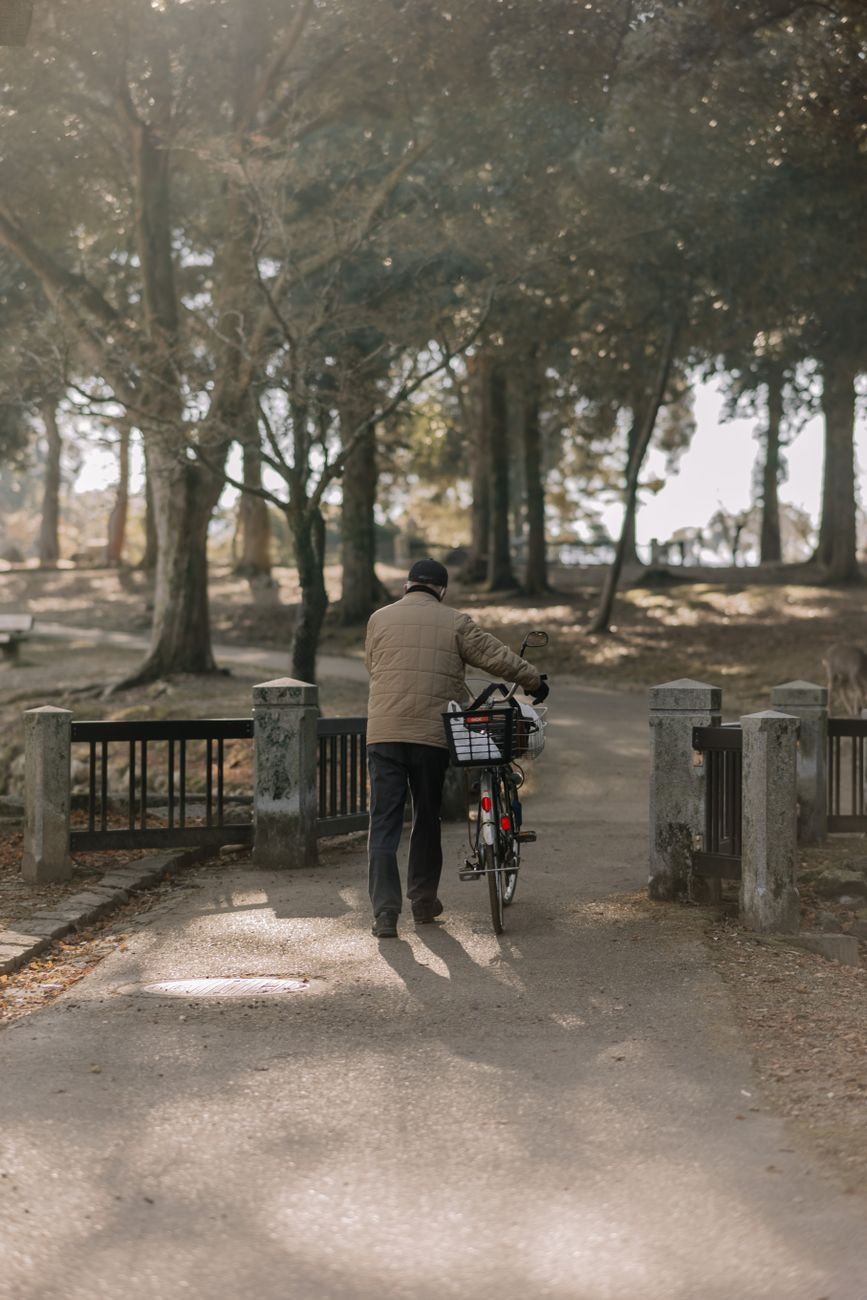
The best part of Amanohashidate, in my opinion, isn’t the viewpoints at all. It’s that you can actually walk or bike straight across the sandbar, through the pine forest, with the bay a few meters away on either side. On foot it takes something like 45 minutes to an hour end to end on the sandy dirt path. I rented a bicycle near the station for a few hundred yen and did it in about fifteen minutes, pine needles crunching under the tires, startling the odd heron along the way.
On the south end of the sandbar sits Chionji Temple, which is where most people start or finish the ride. It was founded in the year 808 and enshrines Monju Bosatsu, the Buddhist deity of wisdom, making it one of only three major Monju temples in all of Japan. There’s a wooden “chie no wa,” or wisdom ring, that you’re supposed to pass through three times for good luck with your studies, though I’ll admit it’s mounted high enough that I just sort of reached up and touched it instead of actually squeezing through. The temple’s three-story pagoda dates to 1501 and is apparently the only pagoda from the Muromachi period left standing anywhere in the Tango region, which is the kind of detail I love stumbling onto by accident.
Getting There and a Few Practical Tips
From Kyoto Station, the easiest route is the limited express Hashidate, which runs directly to Amanohashidate Station in around two hours with no transfers needed, assuming you don’t mind paying the limited express surcharge on top of your regular fare. It’s a long day trip from Kyoto proper, so if you want to take your time, there are small inns around Miyazu where you can stay overnight instead of racing back.
Both chairlifts (Kasamatsu Park on the north side and View Land on the south) charge a few hundred yen each way for the ride up, and View Land has a small amusement park bolted onto the hillside, complete with a Ferris wheel, if you’ve got kids in tow or just enjoy incongruous carnival rides next to ancient temples. I’d budget half a day minimum if you want to do both viewpoints, the bike ride across, and Chionji Temple without feeling rushed, and a full day if you want to actually relax into it rather than treat it like a checklist.
I left Amanohashidate a little sunburned, slightly dizzy from all the upside-down looking, and honestly kind of charmed that an entire regional economy has been built around the simple, slightly silly act of bending over to see a sandbar from a different angle. There’s something very Japanese about that, I think: taking a beautiful, quiet, natural thing and adding just one small, specific ritual that makes everyone who visits feel like they’re in on a secret. Five years into living here, I still love finding places like this, half an hour’s train ride and a whole world away from the Kyoto everyone already knows.
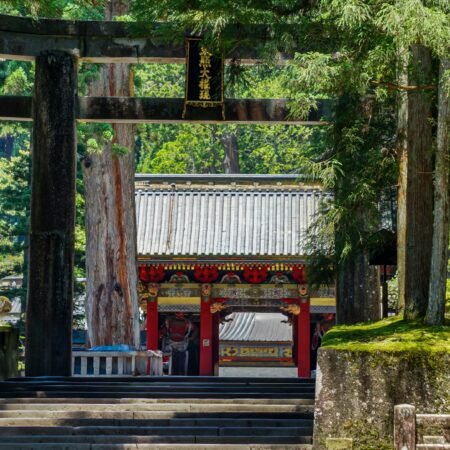
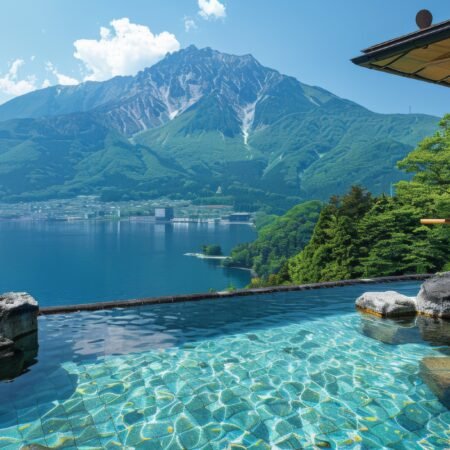
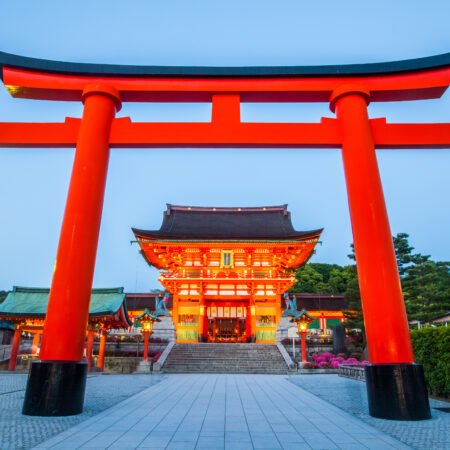
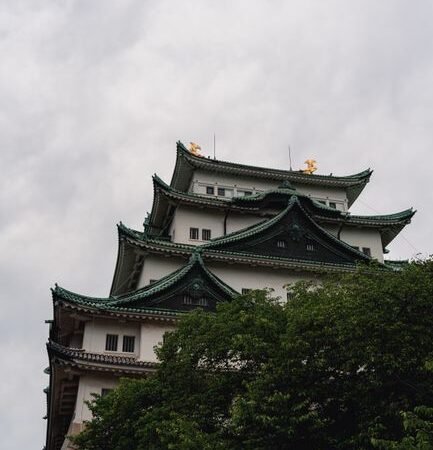
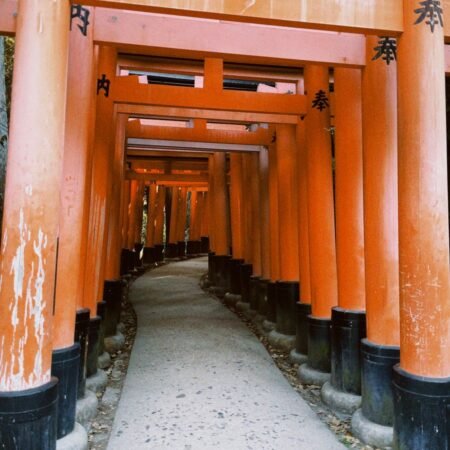
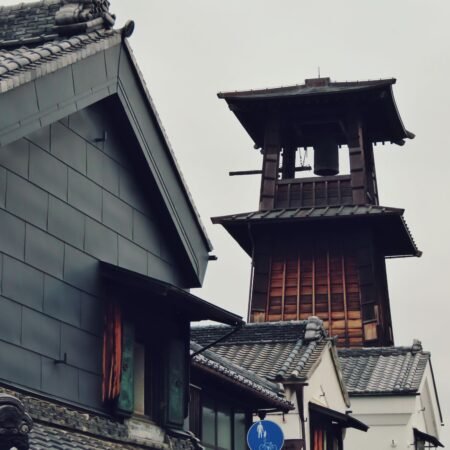
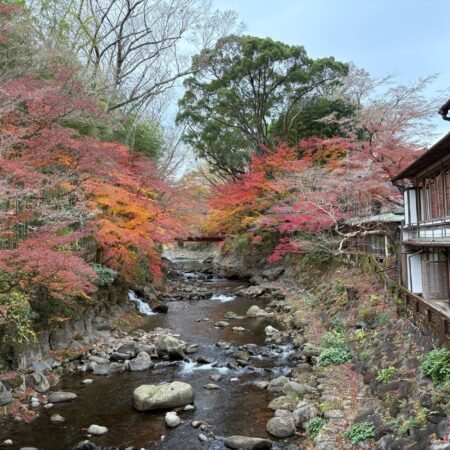
A quick note on photos: some of the images here are stock photos I’ve used to set the mood — they may not be the exact spot or moment I’m describing, just close in spirit.

コメント