





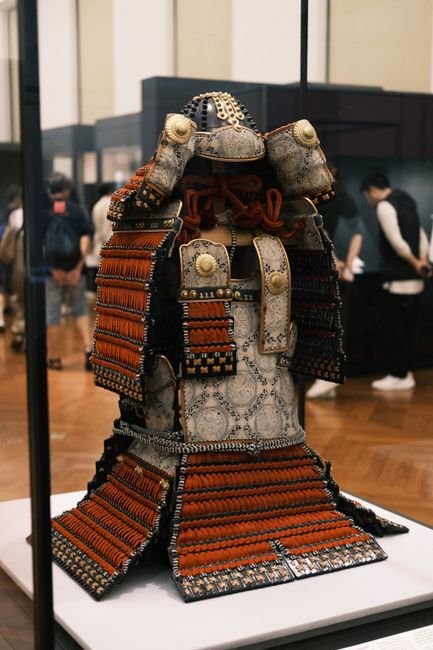
The first time I saw Oda Nobunaga, he was standing about ten feet away from a crepe stand, adjusting his helmet while a staffer fussed with his shoulder armor. It was my second October in Nagoya, and I’d wandered into Hisaya-odori Park on a whim, drawn by drums and a crowd that was five people deep along the curb. I didn’t even know what I was watching at first — just a wall of lacquered armor, banners snapping in the wind, and a man in full samurai dress who, for one Saturday afternoon, was one of the most famous warlords in Japanese history. That was my introduction to Nagoya Festival, and I’ve been a little obsessed with it ever since.
Nagoya Festival (名古屋まつり, Nagoya Matsuri) has been Nagoya’s biggest civic celebration since it started back in 1955, born out of a very understandable postwar impulse: a city that had been rebuilt from the ground up wanted a reason to throw a party and remember who it used to be. This year marks the 72nd edition, held October 17 and 18, 2026, centered on Hisaya-odori Park and the Sakae district, with satellite events spilling toward Nagoya Castle. If you’re in the Chubu region this weekend, I’d put it on your list — though with one important heads-up I’ll get to in a minute.
Why Nagoya Claims Three of Japan’s Biggest Warlords
Here’s the thing that makes this festival different from a lot of the matsuri I’ve covered: it isn’t tied to a shrine, a harvest, or a ghost story. It’s tied to civic pride in three specific men — Oda Nobunaga, Toyotomi Hideyoshi, and Tokugawa Ieyasu, collectively remembered in Japan as the “three great unifiers” who ended the country’s century of civil war. All three were born in or around what’s now Nagoya, in the old Owari province, and Nagoya has never let anyone forget it. Locals call them the sankietsu (三英傑), and they’re essentially the city’s founding celebrities, four and a half centuries later.
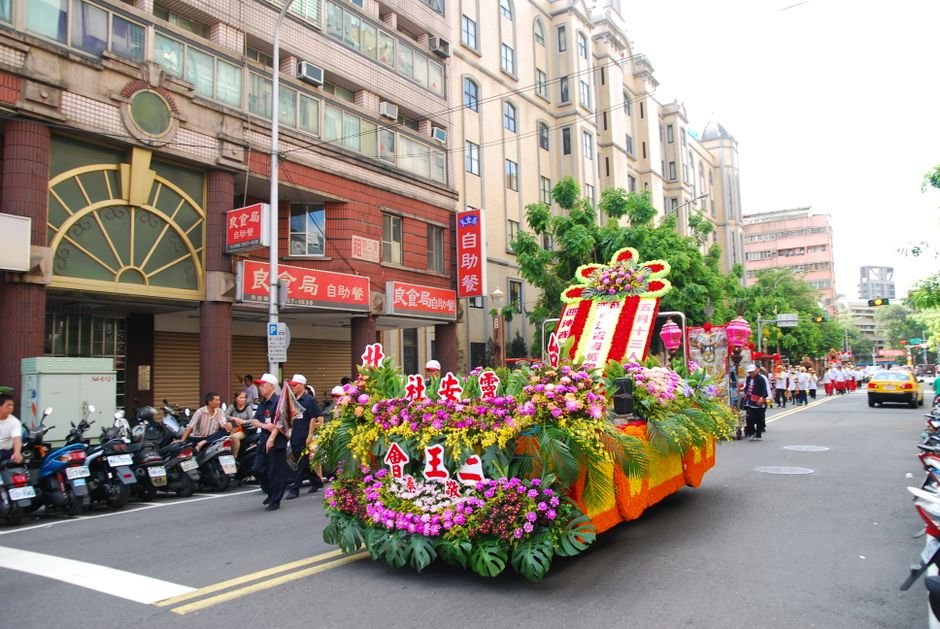
The signature event built around them is officially called the Hometown Heroes Parade, though most people I know just call it the Three Great Lords Parade. In a typical year, it’s a genuinely impressive piece of civic theater: around 700 costumed participants make their way through central Nagoya, led by the three lords in full armor, flanked by an entourage dressed as foot soldiers and standard-bearers carrying period banners, with a trio of actors playing the “Three Princesses” adding some color to the procession. Behind them come karakuri ningyo — the mechanical puppet floats Nagoya is famous for — and a hanaguruma, a float decorated entirely in flowers, trailed by a marching band. The whole procession runs close to a mile and a half through the Sakae area, and Hisaya-odori Park is where you get the widest, least crowded sightlines if you want to actually see it rather than the back of someone’s phone.
The Twist for 2026: No Parade This Year
Now here’s the part I wish someone had told me before I’d already started planning this article around it: the city has confirmed that the parade itself is not happening in 2026. Nagoya and Aichi Prefecture are co-hosting the Asian Para Games this fall, and the torch relay and opening ceremony schedule overlaps directly with the festival weekend. For safety and logistics reasons, the city cancelled the parade, along with the public recruitment that usually casts locals as Nobunaga, Hideyoshi, and Ieyasu for the day.
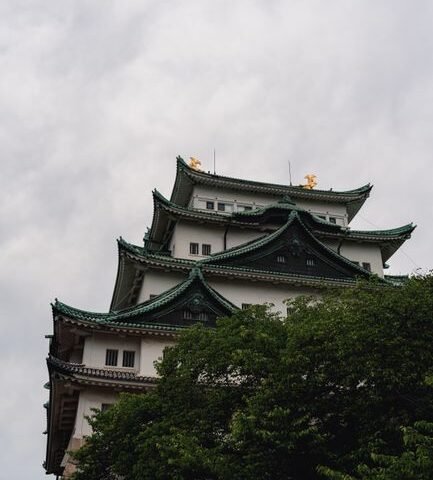
I won’t pretend that’s not a little disappointing if the parade is the reason you were coming. But the rest of the festival is still very much alive. The main stages at Hisaya-odori Park are running performances from warrior-themed entertainment troupes, there’s a full lineup of Nagoya meshi food stalls (get the tebasaki chicken wings and the miso katsu while you’re there, non-negotiable), and the flower car and karakuri puppet float displays are still part of the program even without the full procession. There’s also a kagura Shinto dance performance billed as a one-time addition for this year only, which honestly might end up being the thing people remember most about 2026. On top of that, Nagoya Castle and the Higashiyama Zoo and Botanical Gardens are both opening free of charge for the festival weekend, which is the kind of consolation prize I can get behind.
Getting There and Making a Day of It
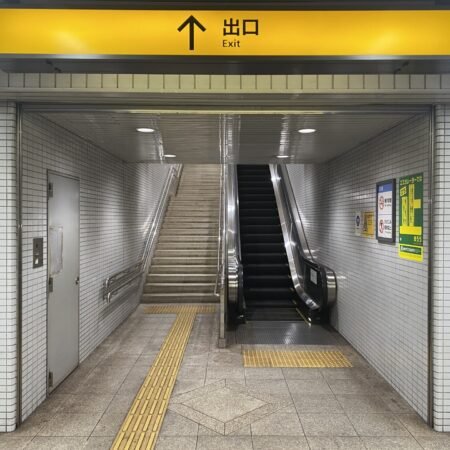
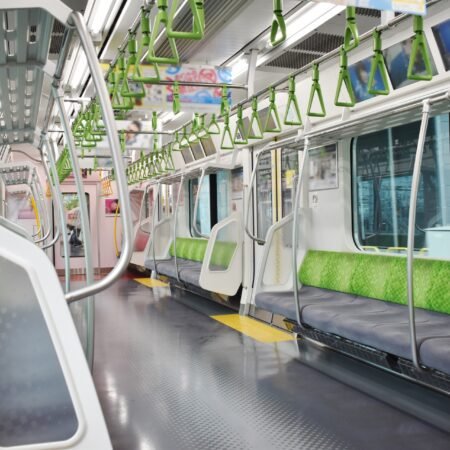
Both festival hubs sit right on the Higashiyama subway line — Sakae Station drops you into the thick of it, and Nagoya Station is one stop further out if you want a slightly calmer entry point before working your way in. I wouldn’t bother driving; there’s no festival parking to speak of, and the roads around Sakae get closed off anyway. If you’re chasing the stage performances or the food stalls, the stretch near Nagoya Station tends to be noticeably less packed than Hisaya-odori Park itself, so it’s worth splitting your time between the two if you don’t love crowds.
October in Nagoya is one of my favorite stretches of the year weather-wise — the brutal summer humidity has finally broken, days are mild enough for a light jacket, and evenings cool down enough that I’d pack a layer even if you’re comfortable at midday. Wear shoes you can stand in for a few hours, because between the food stalls, the stage shows, and a detour to Nagoya Castle while it’s free, you’ll be on your feet more than you expect.
Even without the parade this year, I think Nagoya Festival is still worth your Saturday. It’s less about any single spectacle and more about watching a city that genuinely loves its own history show up for itself — three warlords, karakuri puppets, free castle admission, and all. I’ll be back out there with a plate of tebasaki, and I’m already looking forward to whenever the parade makes its return.
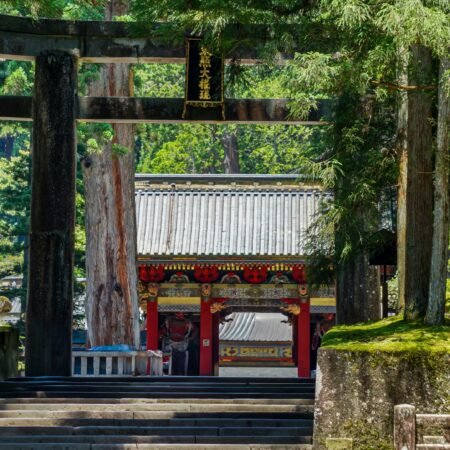
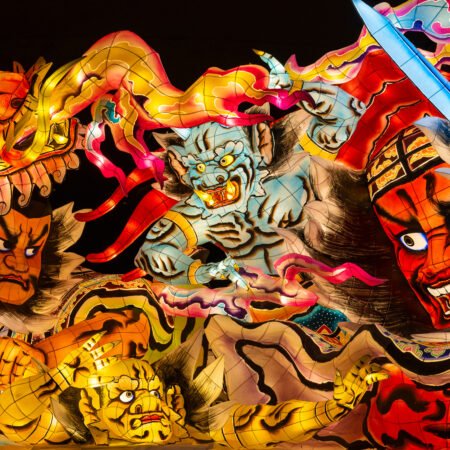
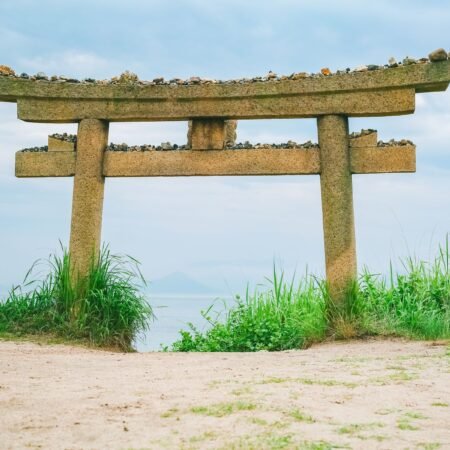
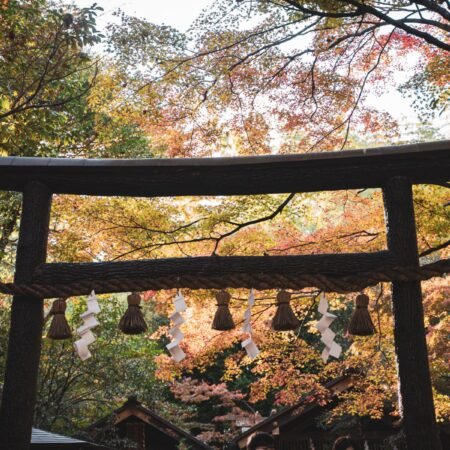
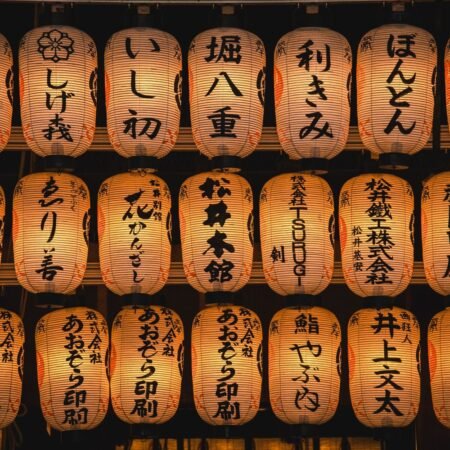
A quick note on photos: some of the images here are stock photos I’ve used to set the mood — they may not be the exact spot or moment I’m describing, just close in spirit.
コメント