






I got to Takayama a full day before the festival even started, and I still almost missed the best part. I’d checked into my little guesthouse in the old town, dumped my bag, and wandered out into the evening just to get my bearings — no plan, no map, just following the smell of grilled mitarashi dango down a narrow street. And then I turned a corner and there it was: a two-story wooden float taller than the buildings around it, lit from the inside like a giant paper lantern, sitting quietly in a garage with its doors thrown open so everyone walking by could admire it. An old man in a happi coat was polishing one of the wheels like it was a piece of furniture in his living room. That’s when it hit me — this festival isn’t really about the one or two days it’s technically held. It’s about a town that has spent centuries treating a handful of wooden floats like family heirlooms.
I’m talking about the Takayama Autumn Festival, officially the Hachiman Matsuri, held every year on October 9th and 10th in the Gifu Prefecture mountain town of Takayama. Along with its spring counterpart (the Sanno Matsuri in April), it’s considered one of Japan’s three most beautiful festivals, and it’s part of the “Yama, Hoko, Yatai” float festivals that UNESCO recognized as Intangible Cultural Heritage back in 2016. I’d seen photos before I moved here, but nothing prepared me for how it actually feels to stand next to one of these things.
The Yatai: Wooden Giants Built to Outlast Us All
The stars of the show are the yatai, eleven of them for the autumn festival, each one belonging to a different neighborhood and each one genuinely centuries old — some date back to the 1600s and 1700s. These aren’t simple parade floats. We’re talking multi-tiered wooden structures covered in intricate carvings, gold leaf, lacquer work, and metal fittings, some hung with tapestries that were imported from places like Belgium and India generations ago because Takayama’s merchants had the money and the taste to want the finest textiles in the world wrapped around their neighborhood’s pride and joy.
What really got me was learning how the town maintains them. There’s no factory churning out replacement parts. Each yatai is looked after by local carpenters and lacquer artisans who apprentice for years just to be trusted with the restoration work, and repairs happen on a rotating schedule that can stretch over decades. Locals told me some of the fabric hangings are irreplaceable at this point — if one is ever damaged beyond repair, that’s it, gone.
The Karakuri Puppets That Made Me Forget to Breathe
If you only see one thing at the Hachiman Matsuri, make it the karakuri ningyo performance. Three of the yatai are rigged with mechanical puppets controlled by hidden strings and levers, operated by puppeteers who spend years training just to master the choreography. I watched a puppet climb what looked like a bamboo pole balanced on another puppet’s shoulders, do a full flip at the top, and land in a perfect pose — all without a single visible wire. The crowd around me actually gasped out loud, and I realized I’d been holding my breath the whole time too. These performances only happen a couple of times a day during the festival, so it’s worth checking the schedule at the tourist information center as soon as you arrive so you don’t accidentally wander off during the one showing you wanted to see.
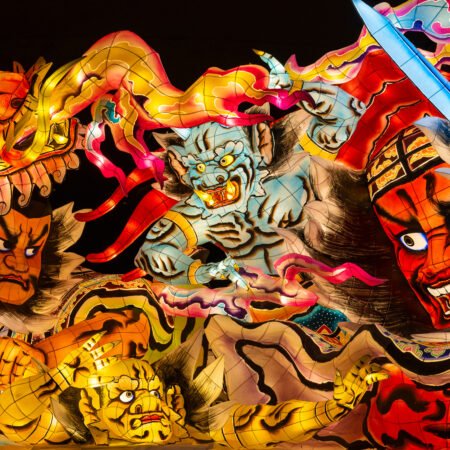
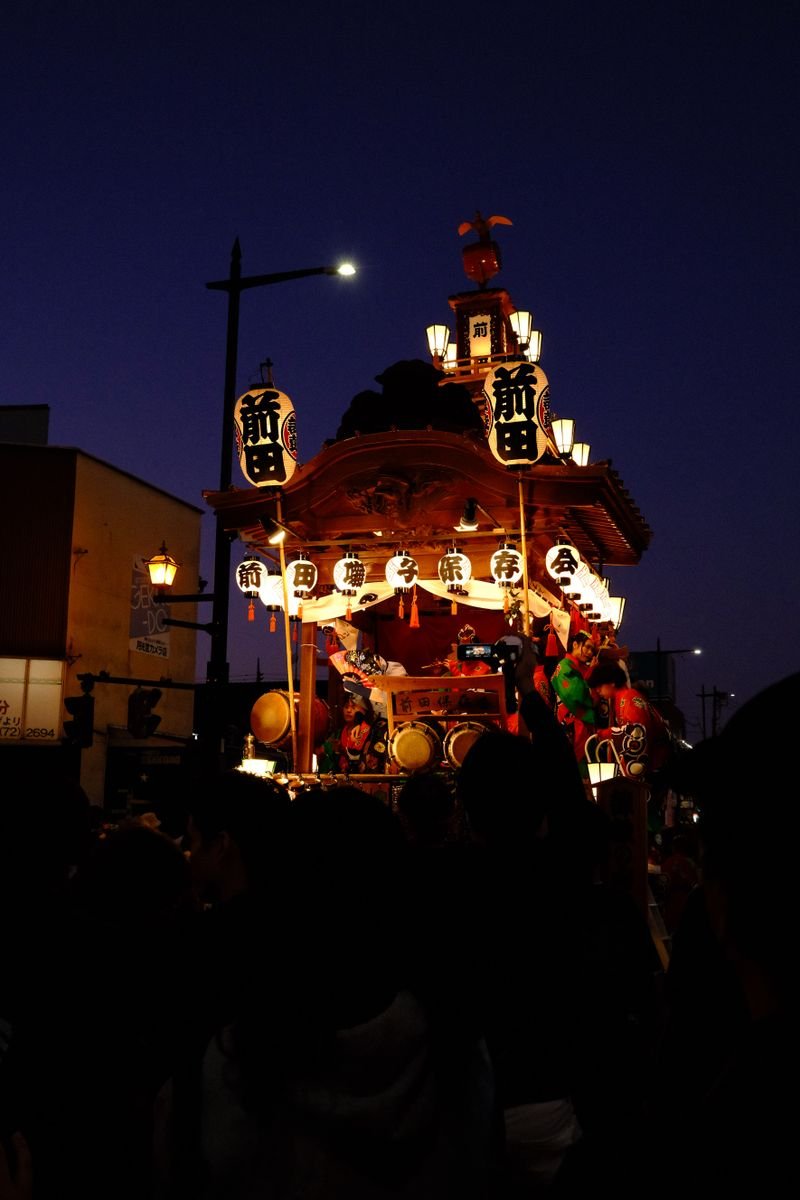
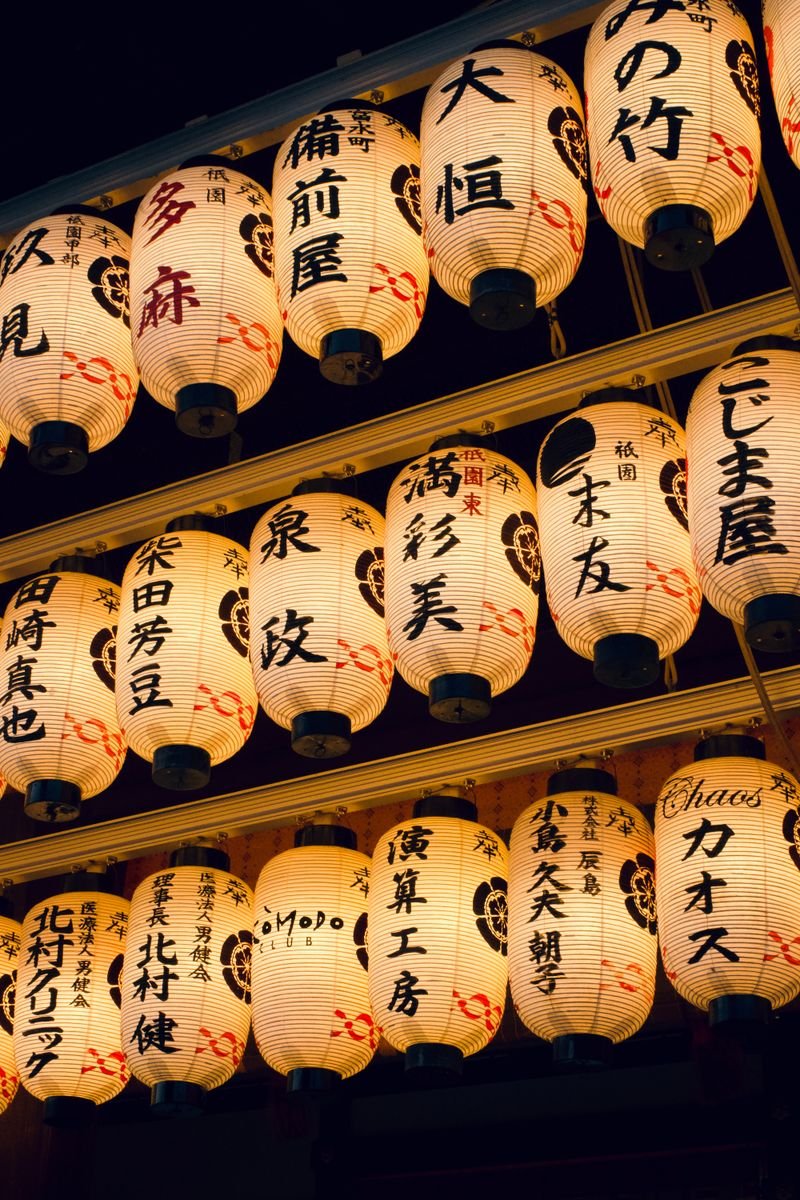
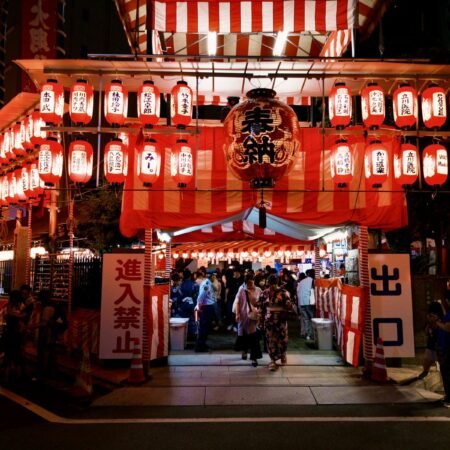
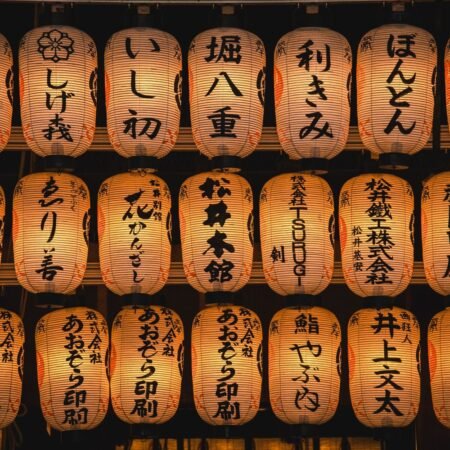
At night, the mood shifts entirely. During the yotai (evening) processions, around a hundred lanterns are lit on each float and they’re pulled slowly through the darkened streets of the old town to traditional flute and drum music. It’s a much quieter, more solemn atmosphere than the daytime parade, and honestly it’s the part that stuck with me the longest. Watching those glowing towers drift past centuries-old merchant houses, with everyone’s voices dropping almost to a whisper, felt less like a tourist attraction and more like being let in on something the town does for itself.
Wandering the Old Town Between Parades
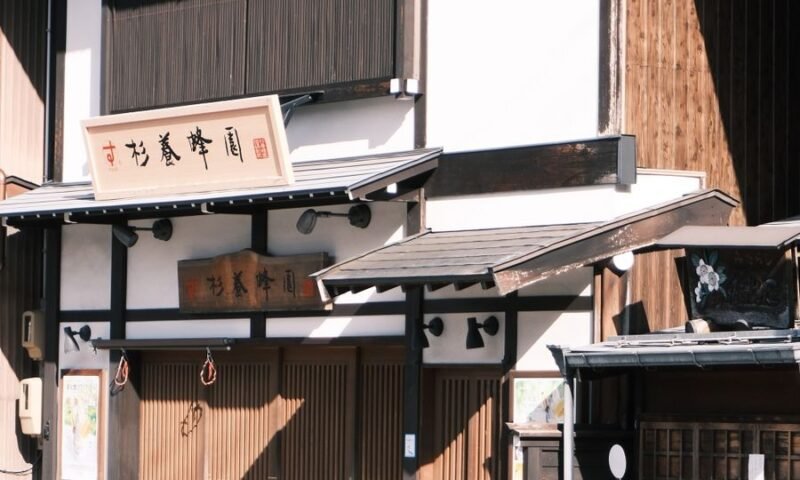
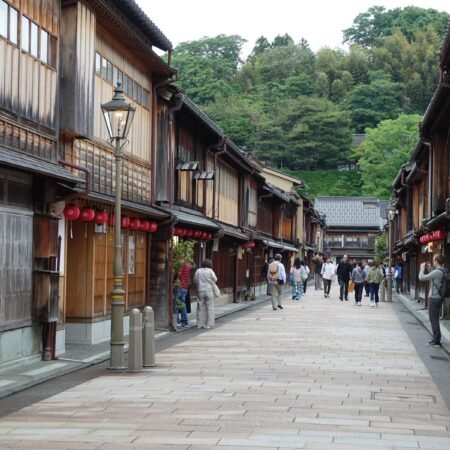
The festival itself is only a few hours a day, so I spent the rest of the time doing exactly what I’d stumbled into on my first evening: wandering Sanmachi Suji, Takayama’s beautifully preserved old merchant district. The dark wooden facades, latticed windows, and little sake breweries marked with cedar ball signs (called sugidama) make it easy to lose track of time. I ducked into a few shops selling Hida-shunkei lacquerware and sarubobo good-luck dolls, and stopped for Hida beef skewers from a street stall that I’m still thinking about.
If you want a break from the crowds, the Takayama Festival Floats Exhibition Hall is open year-round and displays several real yatai up close on rotation, along with a short film of the karakuri puppet performance, which is a nice option if your visit doesn’t line up with October or if the weather turns bad on festival day.
Practical Tips for Visiting in 2026
Takayama is most easily reached by limited express train from Nagoya (around two and a half hours) or from Toyama on the Hokuriku Shinkansen route, so it’s very doable as a stop on a wider Chubu or Hokuriku itinerary. The festival runs rain or shine, but the float parades and yotai evening processions are cancelled or shortened in the event of rain to protect the floats, so it’s worth building in a flexible day or two around October 9th and 10th, 2026, rather than a single tight window. Accommodation in the old town books up fast, so if you want to be within walking distance of the action, I’d reserve a room several months out. Bring cash, since a lot of the food stalls and smaller shops don’t take cards, and dress in layers: Takayama sits in the mountains, and October evenings can get properly cold once the sun goes down.
Honestly, I went in expecting a nice parade and came out having thought more about craftsmanship, inheritance, and what it means for a town to protect something for four hundred years than I expected a weekend trip to make me think about. If you’re anywhere near Gifu this October, I can’t recommend it enough.
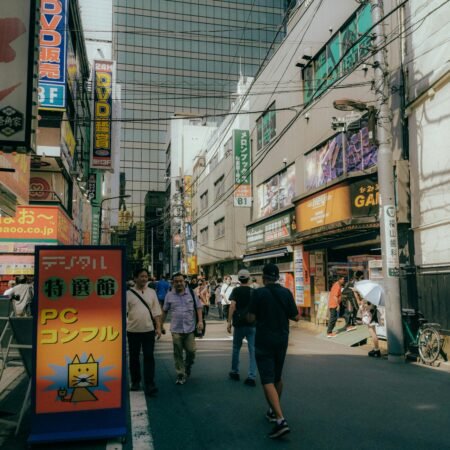
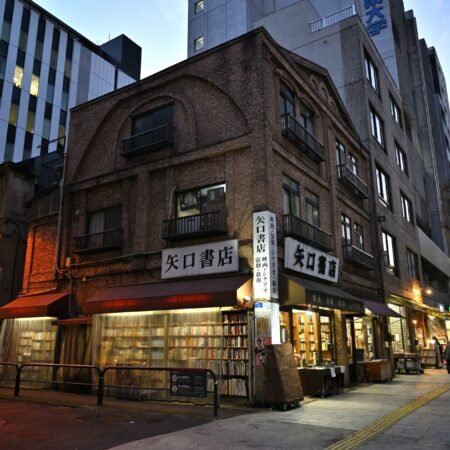
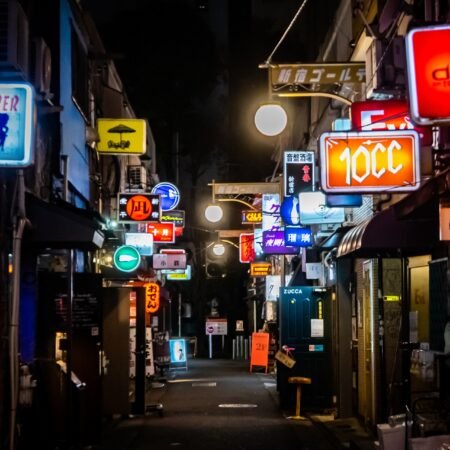
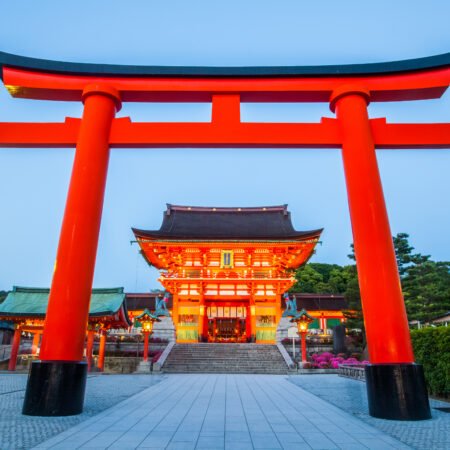
A quick note on photos: some of the images here are stock photos I’ve used to set the mood — they may not be the exact spot or moment I’m describing, just close in spirit.
コメント