





I heard the drums before I saw anything at all. I was still three blocks away from Koza Gate Street, sweating through my shirt in the thick early-September heat, and the sound was already coming up through the pavement — that low, rolling don-don-don of a big taiko, with a faster, higher rattle of smaller hand drums layered on top. By the time I turned the corner into the crowd, I understood why people had told me this was one festival in Okinawa I couldn’t skip: the Okinawa Zento Eisa Matsuri, the island’s biggest Eisa festival, held every year in Okinawa City.
I’d lived in Japan for five years at that point and thought I had a decent handle on what a “matsuri” looks like — shrine floats, taiko, yukata, grilled squid on a stick. Eisa was something else. It didn’t feel like a performance so much as a release, like something that had been building up all summer and finally had somewhere to go.
What Eisa Actually Is
Eisa is a traditional Okinawan folk dance performed during the Bon season, the midsummer period when, across Japan, people believe ancestral spirits return to visit the living. On mainland Japan that usually means Bon Odori, the gentle circle dances you see in park squares. In Okinawa, Eisa is the local answer to that same idea — but louder, faster, and built around drums rather than a slow shuffle in a circle.
Historically, Eisa was performed by young men going door to door through their neighborhood after Bon, drumming and chanting to send the ancestors’ spirits back off properly. Some scholars trace a version of this kind of nenbutsu-style dance in the Naha area back as far as a fifteenth-century Korean record, though exactly how it evolved into today’s Eisa is still debated. What’s not in dispute is who performs it now: not professionals, but regular young people from each town’s seinenkai, or youth association, who train for weeks before the festival season.
Inside Japan’s Biggest Eisa Festival
The festival I stumbled into traces back to 1956, the year Koza City (now Okinawa City) was established. What started as a judged “Koza City Eisa Contest” between neighborhood groups eventually dropped the competitive format, and since 1977 it’s run as the all-island, non-judged festival known today as the Okinawa Zento Eisa Matsuri. In 2026 it marked its 71st year, running from September 4th through 6th.
The structure runs over three nights. The first night is the michi junee, a street parade where groups dance their way down the Koya intersection area in the heart of Okinawa City — this is the one to catch if you want to see Eisa up close, almost in your lap, rather than from stadium seats. The second and third nights move to the stage at Koza Athletic Park, with performances running from mid-afternoon into the evening and fireworks closing things out. Across the three days, the festival regularly draws well over 300,000 visitors, which for an island this size is a genuinely enormous number of people converging on one town.
Drums, Flags, and a Few Clowns
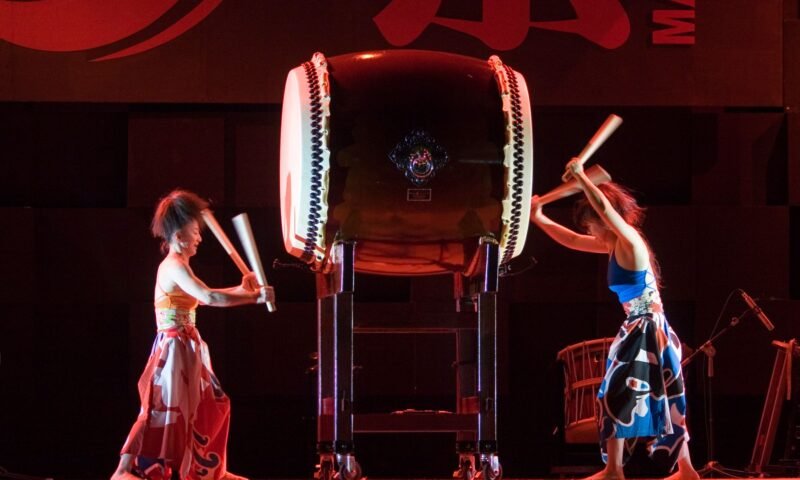
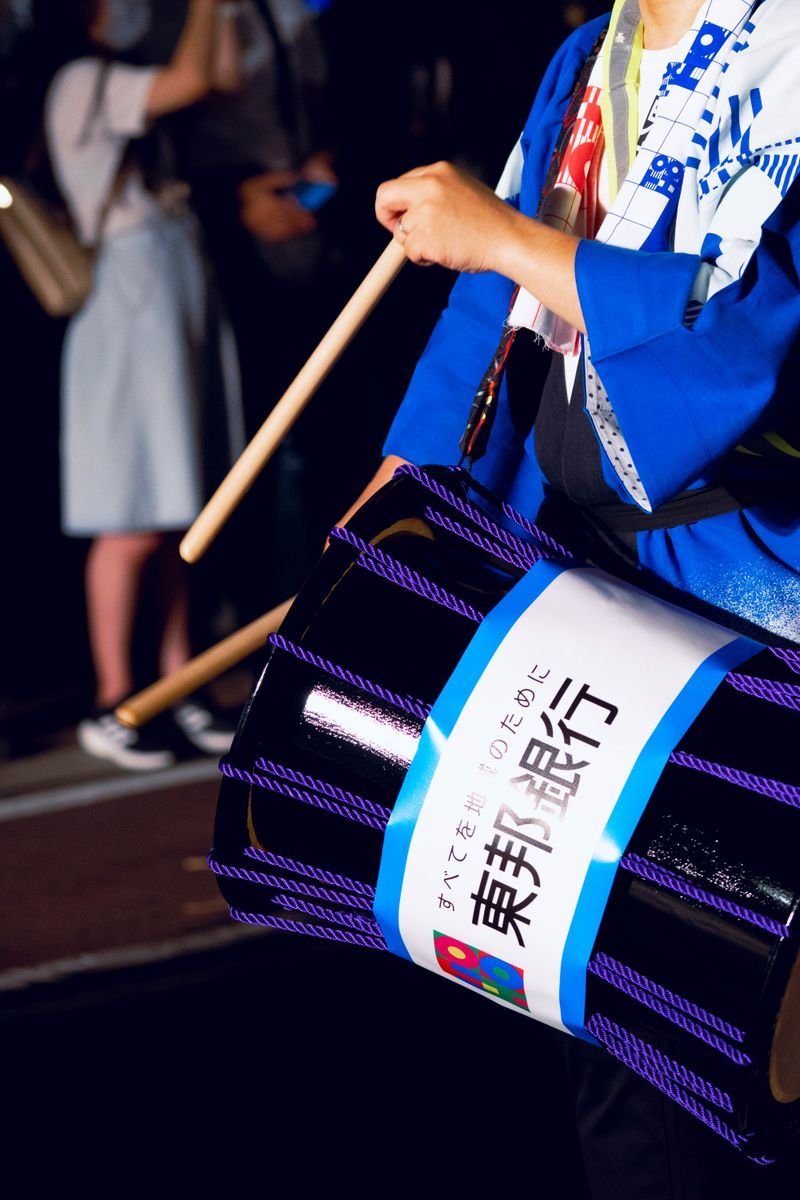
Once you’re actually watching a group perform, a few things become easy to pick out even if you don’t know the names for them yet. There’s usually a hata gashira, a flag bearer carrying a tall banner that marks the group’s hometown. There’s the drumming itself, split between big barrel-shaped odaiko slung across a dancer’s chest, smaller shimedaiko, and tiny hand-held paranku drums that the dancers spin and flip while still keeping the beat. And there’s almost always at least one chondara — a clown-like figure in a slightly ridiculous costume whose job is to loosen up the crowd between the more serious drumming sequences.
I also started noticing, the longer I watched, that no two groups looked quite the same. Someone explained to me afterward that style varies by region: groups from northern Okinawa tend to lean more on hand dancing, while central Okinawa groups — closer to where the festival itself is held — tend to be more drum-heavy and athletic. Watching one group after another, each with its own hometown’s flavor, is really the whole point of the festival; it’s less a single show than a parade of villages showing up to represent themselves.
Practical Tips for Visiting
If you want to go, a few things are worth knowing. Okinawa City sits inland, about a 30 to 40 minute drive from Naha depending on traffic, and the venue is roughly a minute off the Okinawa Minami exit of the Okinawa Expressway if you’re driving. Parking near the stadium fills up fast on the second and third nights, and the festival committee runs shuttle buses from temporary lots further out, so budget extra time for that leg of the trip. If you’re not driving, highway buses run from Naha, though during the festival itself it’s worth checking current schedules since roads around the venue get closed for the parade.
Go for the first night if you can only make one — the street parade puts you right next to the dancers, close enough to feel the bass drums in your chest, and it has a looser, neighborhood feel compared to the stadium nights. Wear the lightest clothes you own; early September in Okinawa is still full summer, humid and often over 30 degrees well into the evening. Bring cash for the food stalls lining the streets — Okinawa soba, taco rice, and shave ice all make an appearance — and book accommodation in Okinawa City or nearby well ahead of time, since hotel rooms disappear fast during festival weekend. The festival can be postponed by a week if a typhoon rolls through, which happens often enough in September that it’s worth checking the news before you lock in flights.
I left Okinawa City that night with drum rhythms still looping in my head, and honestly, they stuck around for days. If you only ever think of Okinawa as beaches and blue water, the Zento Eisa Matsuri is a reminder that the island’s culture runs just as deep as its coastline.
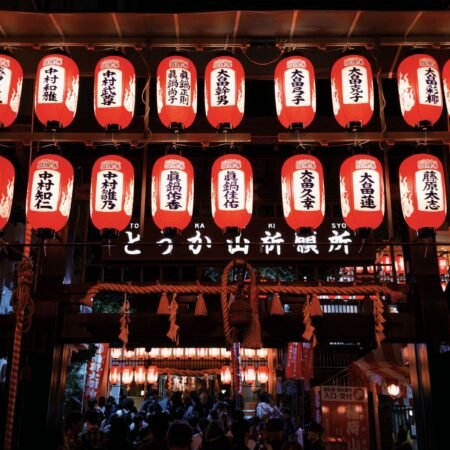
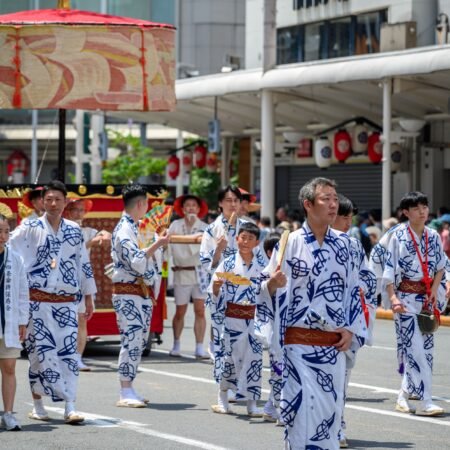
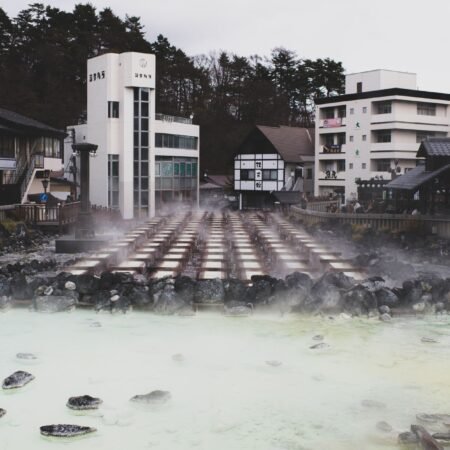
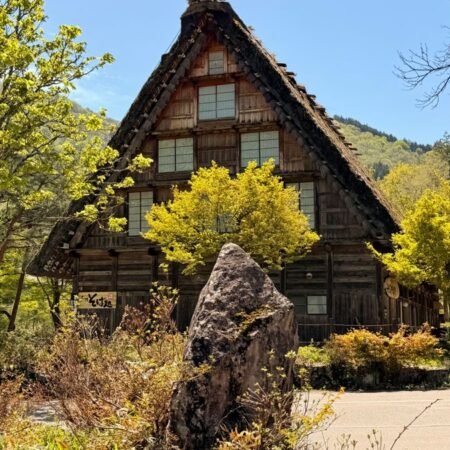
A quick note on photos: some of the images here are stock photos I’ve used to set the mood — they may not be the exact spot or moment I’m describing, just close in spirit.
コメント