





I almost skipped Narita entirely. For most people passing through, it’s just the name of the airport — the place you sprint through with a rolling suitcase, not somewhere you’d actually stop. But my flight home for a visit wasn’t until the evening, and a friend who grew up nearby told me I’d be an idiot to leave without walking up to Narita-san Shinshoji Temple first. So I dropped my bag in a coin locker at the station and wandered up the old approach street with zero expectations. I came out the other side rearranging my entire evening so I could come back in July for the Narita Gion Matsuri, and I’m still thinking about the smell of grilling eel and the sight of grown men muscling a two-ton wooden float up a flight of stone stairs.
A Temple Built on Fire and Faith
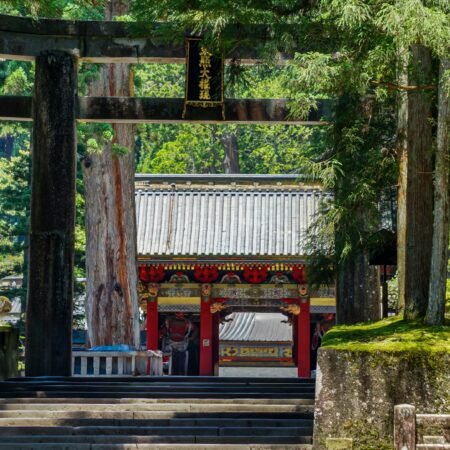
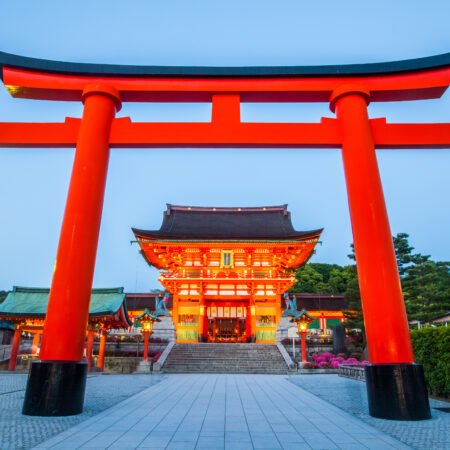
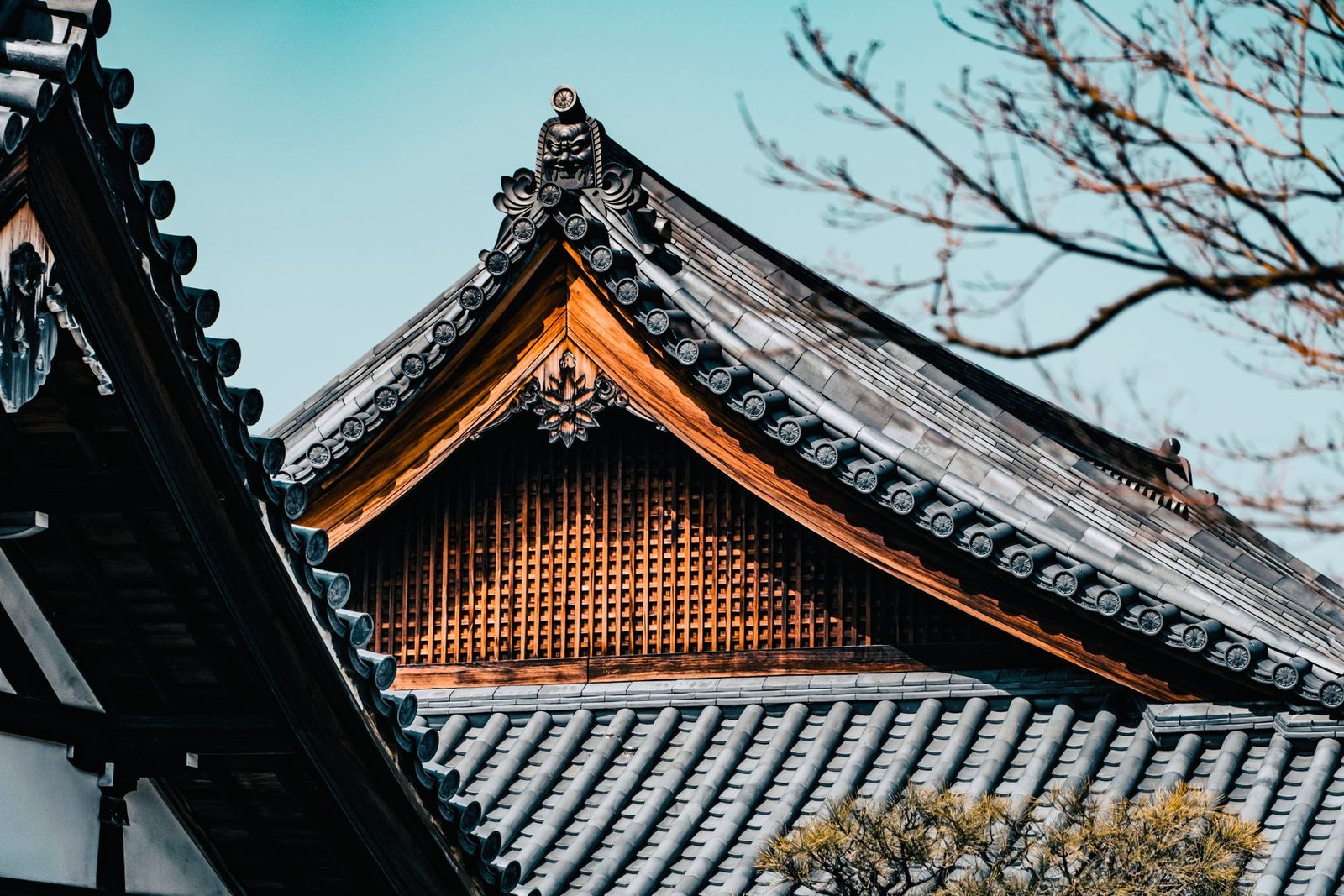
Narita-san Shinshoji has been doing its thing since the year 940, which is the kind of number that still stops me in my tracks even after five years here. The story goes that a priest named Kancho was sent from the capital with a fire ritual to help put down a rebellion, and once the fighting ended, nobody wanted to move the sacred image of Fudo Myoo he’d brought with him — so they built the temple around it instead. Fudo Myoo isn’t a gentle-looking deity. He’s usually carved mid-glare, sword in one hand, rope in the other, wrapped in flames, which felt oddly fitting for a temple that still performs fire rituals (goma) where monks chant over roaring flames while visitors hold prayer sticks to be blessed in the smoke.
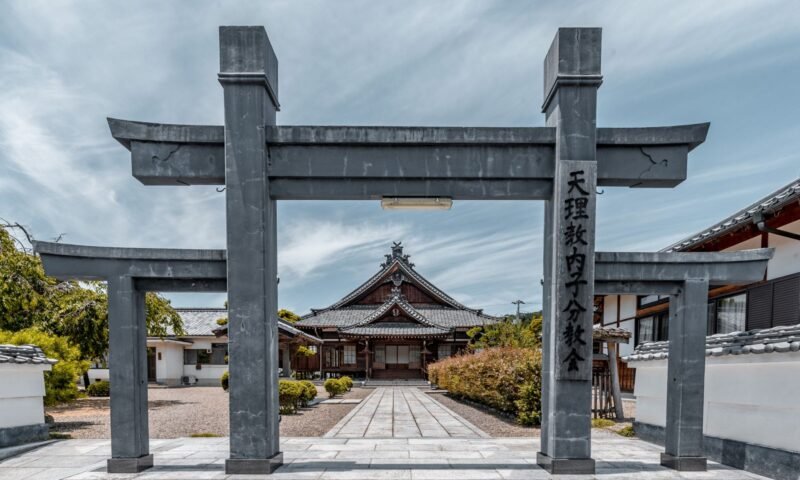
What struck me more than the history, honestly, was how alive the place still is. This isn’t a quiet, roped-off historical site — it’s one of the most visited temples in the country for New Year’s prayers, and on an ordinary afternoon it was full of families, schoolkids on field trips, and a few monks moving briskly between buildings like they had somewhere to be. The Niomon gate, the three-story pagoda, and the main hall are all a short, pleasant walk up a gentle hill from the station, and none of it felt like a performance for tourists. It just happened to be stunning.
The Night the Floats Climbed the Steps
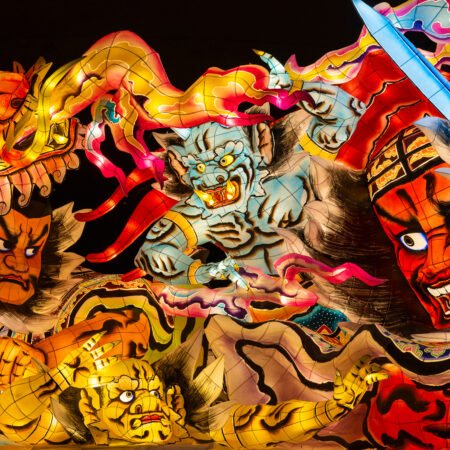
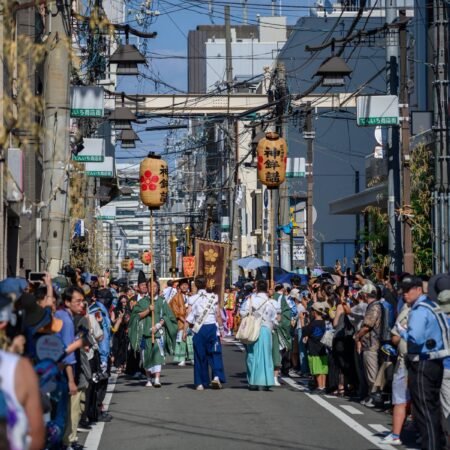
I came back a few weeks later for the Narita Gion Matsuri, held over three days every July, and it’s a completely different animal from the hushed temple grounds I’d wandered before. The festival blends the temple’s own Buddhist rites honoring Fudo Myoo with a very Shinto-feeling parade of floats and portable shrines — not something you see combined very often, and locals I talked to seemed genuinely proud of that mash-up rather than bothered by it.
Ten elaborately carved floats, one belonging to the temple itself and nine representing the surrounding neighborhoods, get pulled through the streets by teams in matching happi coats, trailed by flutes and drums that you can hear echoing between buildings long before you see anyone. Each neighborhood clearly takes enormous pride in its own float — the carving, the lanterns, the particular rhythm its drummers play — and there’s a friendly, almost competitive energy as they cross paths downtown.
The moment that actually made me gasp out loud came on the final evening, when all ten floats converge at the temple and are hauled, one at a time, straight up the broad stone steps toward the Daihondo. These things are not light, and the stairs were absolutely not built with wheels in mind. It takes ropes, shouted counts, and what looked like every able-bodied person in the crowd pitching in at once to get each float up and lined in front of the main hall. I ended up wedged in the crowd next to an elderly woman who told me she’d been coming to watch this exact moment since she was a kid, and the way she cheered when her neighborhood’s float made it to the top, you’d have thought her team just won a championship.
Eel, Omotesando, and the Rhythm of a Small Town
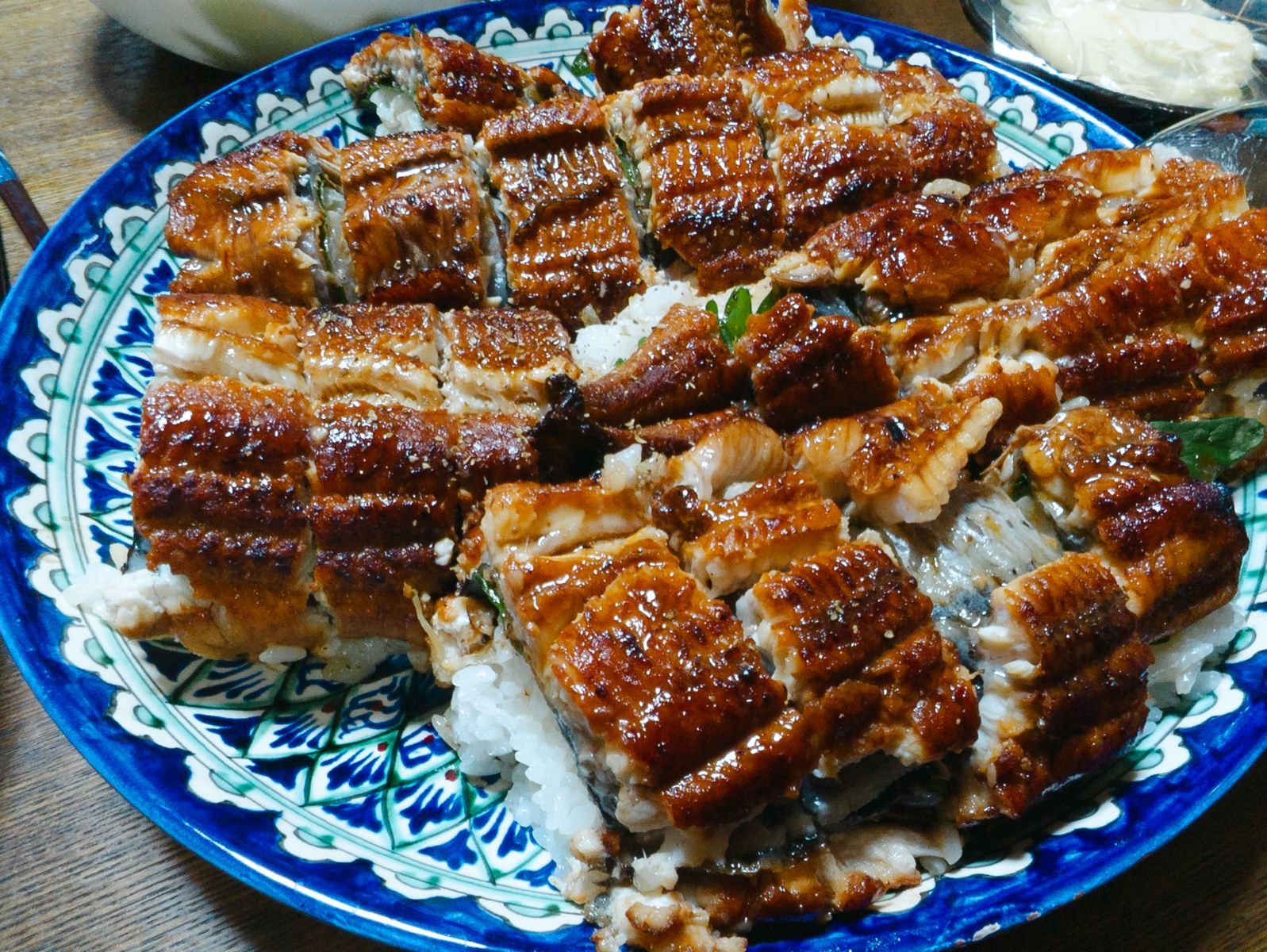
You cannot walk the Omotesando approach to the temple without being completely surrounded by the smell of grilling unagi, and after my first visit I understood why. Pilgrims heading to Narita for centuries needed something hearty before the long walk back to Edo, and the local rivers happened to produce excellent eel — so restaurant after restaurant along the street specializes in it, many of them generations-old family businesses. Some of the older shops still butcher the eel in full view of the street, a display of knife skill that’s become its own small tourist attraction. I sat at a counter, ordered a lacquered box of unadon, and watched the chef work with the kind of calm precision that only comes from doing something ten thousand times.
During the festival, that same street turns into a slow-moving river of people, food stalls, and the occasional float squeezing through impossibly narrow gaps between buildings. It’s crowded in the best way — the kind of crowded where everyone is there for the same reason and nobody seems to be in a hurry.
If You Go
Narita is absurdly easy to reach — it’s a short hop from Narita International Airport itself on either the JR Narita Line or the Keisei line, and well under an hour from central Tokyo on the right express train. That makes it a genuinely good option for a stopover before a flight, not just a festival pilgrimage. The temple grounds are free to wander any day of the year, so even if you miss the Gion Matsuri in July, the Omotesando street and the temple complex are worth the detour on their own. If you do come for the festival, get there early on the final evening and stake out a spot near the stone steps — that’s where the whole thing builds to its loudest, most chaotic, most wonderful conclusion, and you do not want to be watching it from the back of the crowd.
I used to think of Narita as a place you pass through. Now I think of it as a place I’d happily get on a train for, on purpose, with nowhere to fly to afterward.
A quick note on photos: some of the images here are stock photos I’ve used to set the mood — they may not be the exact spot or moment I’m describing, just close in spirit.
コメント