





I got to Takachiho Gorge at 8:10 in the morning because someone on a Japan travel forum swore that if you don’t arrive before the rental counter opens, you’ll spend half your visit standing in a line that snakes along the cliff path instead of actually being on the water. They were right. By 8:40, when I finally got handed a paddle and a life vest two sizes too big for me, there were already forty people behind me. I didn’t care. I was about to row a tiny wooden boat underneath a hundred-foot waterfall, and nothing about that felt like a normal Tuesday.
Takachiho is a small town tucked into the mountains of Miyazaki Prefecture, down in Kyushu, and it’s one of those places that Japanese people talk about with a specific kind of reverence that I didn’t understand until I was standing in the middle of it. Part of that is the scenery. Part of it, as I’d learn over the next few hours, is the mythology. Takachiho isn’t just pretty — according to Shinto tradition, it’s where the gods used to hang out.
The Gorge That Looks Like Someone Painted It
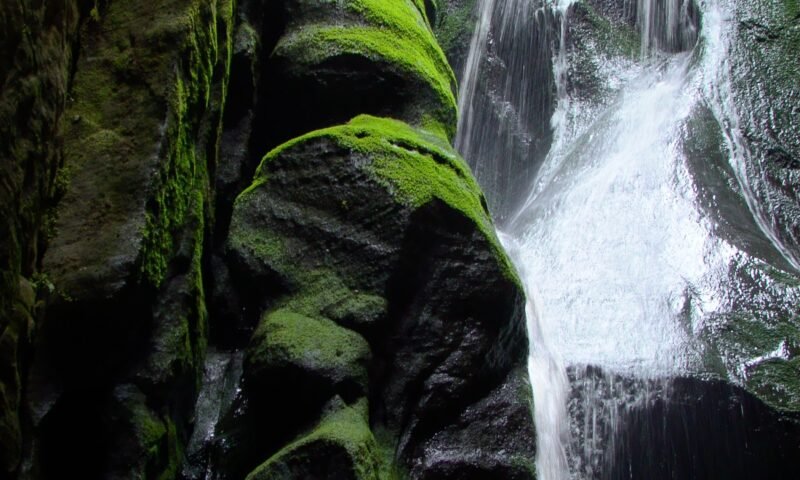
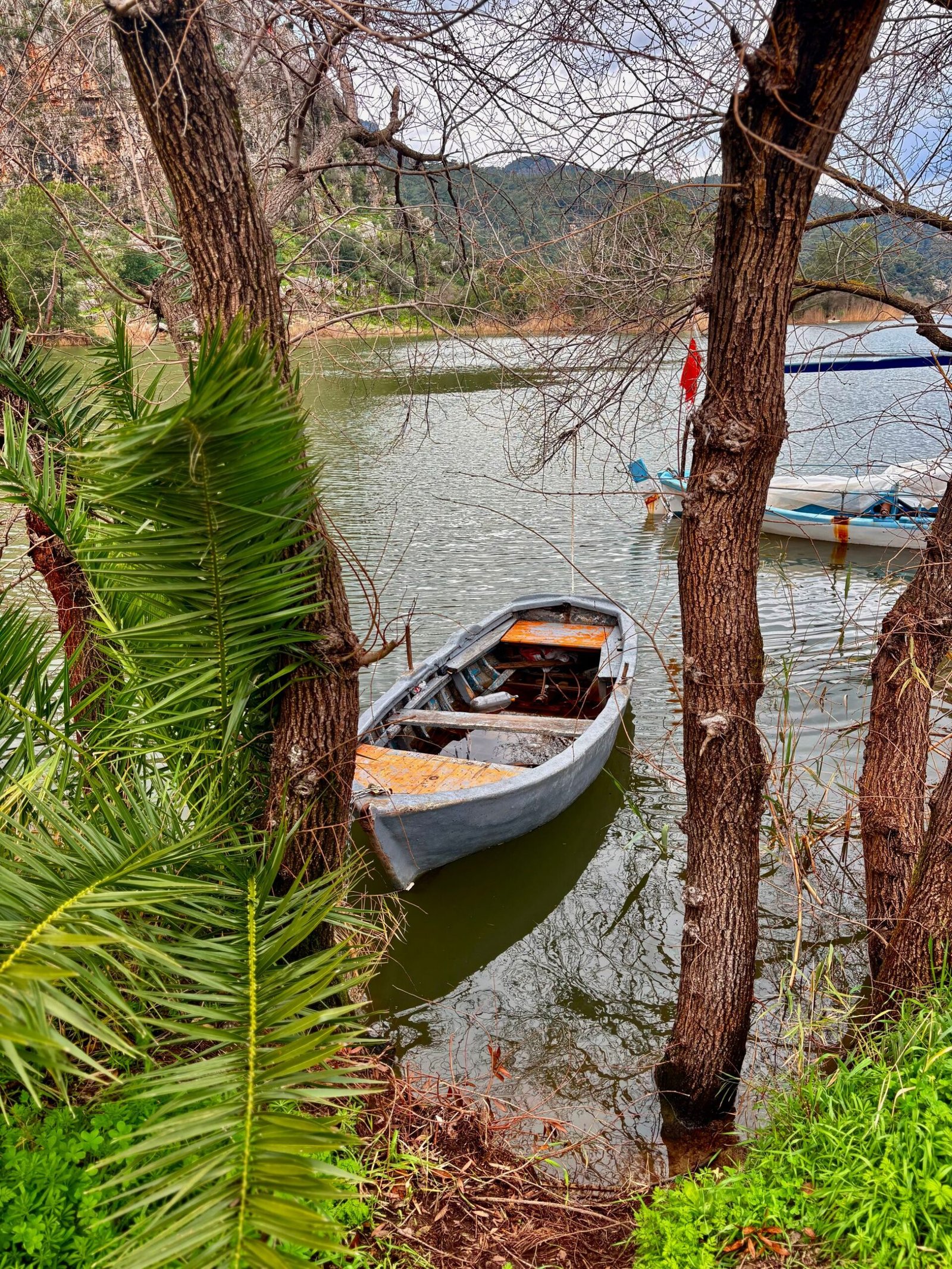
The gorge itself was carved by the Gokase River cutting through layers of volcanic rock left behind by eruptions of Mount Aso roughly 100,000 years ago. The lava cooled into these tall, almost architectural columns of basalt — locals call the formation “Onigajo,” or “Demon’s Castle,” because the cliff walls look too deliberate to be natural. Over tens of thousands of years, the river kept carving, and now you’ve got a narrow green canyon with walls on either side of you as you paddle, and Manai Falls dropping about 17 meters straight into the water ahead.
Rowing toward it is genuinely a little intimidating, in the best way. The current pushes you sideways more than you’d expect, everyone around you is also wobbling and laughing and apologizing to each other in three or four languages, and the spray off the falls gets you wet before you’re anywhere close. You get 30 minutes per boat, which sounds like plenty until you’re circling back for a second pass at the falls because the first photo came out blurry.
If you’d rather keep your feet dry, there’s a walking path along the rim with a couple of viewing platforms, and honestly the view from up top — looking straight down into that green slot canyon — might be even more dramatic than the view from the water. I did both, in the wrong order. Do the boat first, before your arms are tired, is my one real piece of advice here.
Where the Gods Allegedly Used to Meet
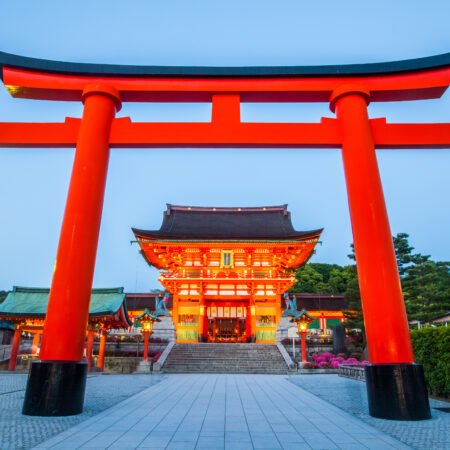
This is the part that surprised me. Takachiho shows up constantly in Japan’s oldest myths, the Kojiki and the Nihon Shoki, as the spot where the god Ninigi-no-Mikoto is said to have descended from heaven to found the imperial line — the story known as “tenson korin.” A short drive from the gorge is Amano Yasukawara, a wide, shallow cave along the riverbank where, according to the myths, the eight million gods of Japan gathered to figure out how to coax the sun goddess Amaterasu out of hiding after she sealed herself inside a cave and plunged the world into darkness.
Whatever you make of the story, the cave itself is striking, and visitors have covered the riverbed in front of it with thousands of small stacked stones, each one apparently a wish. It’s quiet down there in a way that felt different from most shrines I’ve visited — less incense, more river sound.
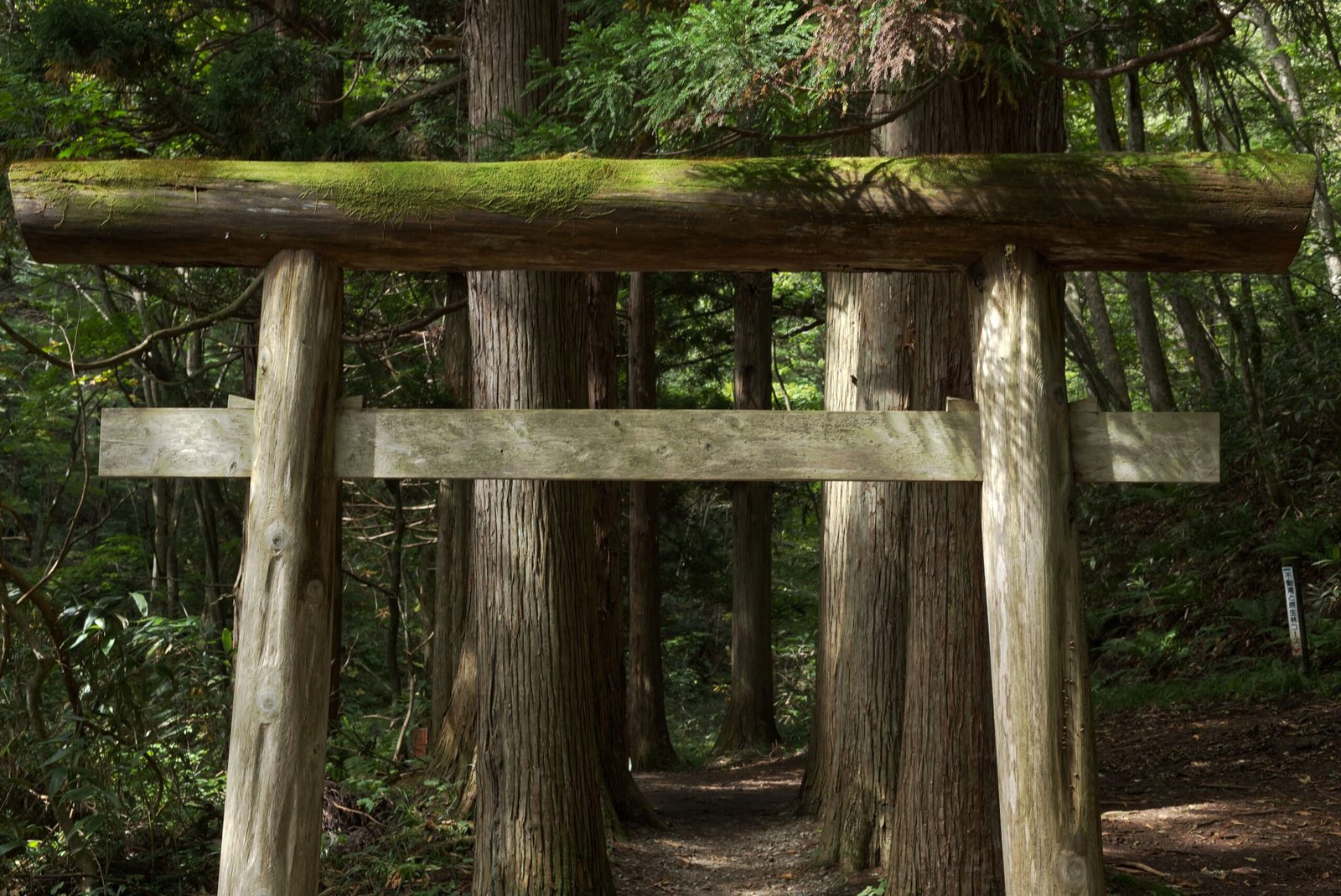
Back in town, Takachiho Shrine holds a nightly performance of Yokagura — the ritual dance tradition that’s been passed down in this area for centuries, telling the story of Amaterasu’s cave and her eventual return. It runs every single night of the year at 8 p.m., thirty minutes, four dances pulled from a repertoire of over thirty. I went in expecting something aimed purely at tourists and came out genuinely moved by how seriously the performers treated it — these are full-time local residents doing this on top of their regular jobs, keeping something alive because their grandparents did it too.
Refueling Like a Local
Takachiho is cattle country, so Takachiho beef shows up on basically every menu in town, often as a simple grilled skewer you can eat walking down the main street. I also had a bowl of soba made with buckwheat grown right there in the highlands, at a tiny shop with maybe six seats, run by a woman who asked — in English, after clocking my accent — how long I’d lived in Japan. Five years, I told her. “Still not Japanese enough for cold soba in October,” she said, and brought me the hot version instead without asking. I didn’t argue.
Getting There and Timing It Right
Takachiho doesn’t have its own train station — the old rail line was damaged by a typhoon back in 2005 and never reopened — so the realistic way in is by highway bus, either from Kumamoto (around 1 hour 40 minutes) or Nobeoka (around 1 hour 15 minutes), both of which connect to the Shinkansen network. If you’re driving, the mountain roads are lovely but narrow, so take it slow, especially after rain.
Go early. The gorge gets genuinely crowded by mid-morning on weekends and during holiday weeks, and the boat line is the bottleneck — they only let a limited number of boats on the water at once for safety reasons. Autumn, when the maples along the canyon turn red and gold, is stunning but also the busiest stretch, so budget extra time if you’re visiting then.
I came to Takachiho expecting a nice waterfall and left thinking about how a little town in the mountains of Kyushu somehow ended up holding this much of the country’s origin story. That’s the thing about traveling around Japan five years in — I keep assuming I’ve seen the highlights, and then somewhere like this quietly proves me wrong.
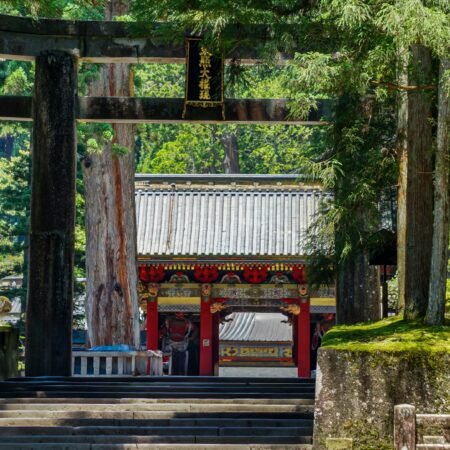
A quick note on photos: some of the images here are stock photos I’ve used to set the mood — they may not be the exact spot or moment I’m describing, just close in spirit.
コメント