





I got sand in my shoes, sand in my hair, and I’m pretty sure sand in my camera bag, and I didn’t mind one bit. That’s the thing about Karatsu Kunchi — you go expecting a parade, and you leave having watched two hundred men in matching happi coats fight a three-ton lion through soft beach sand while a crowd of half a million people screamed encouragement. Nobody warned me it would be this much fun.
I’d taken the train down from Fukuoka on a whim after a friend mentioned that her hometown, Karatsu, throws one of the wildest float festivals in Kyushu every November. I didn’t know much going in — just that there’d be floats, food, and apparently a beach involved. By the end of the weekend I understood why people plan their whole year around these three days.
What Exactly Is a Hikiyama?
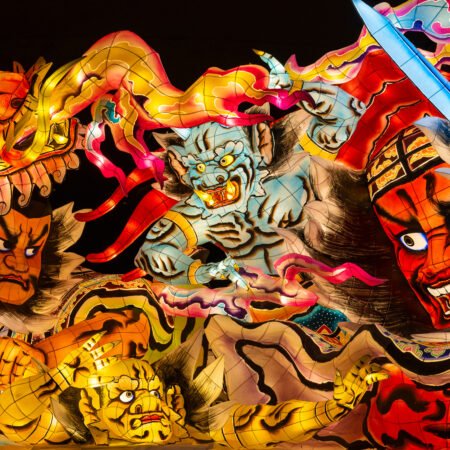
The stars of Karatsu Kunchi are fourteen enormous floats called hikiyama, and calling them “floats” almost undersells them. These things are built from wood, layers of washi paper, clay, and linen, then lacquered and finished in gold and silver leaf until they gleam like temple ornaments on wheels. Each one took two to three years to build, and the oldest of the bunch, a red lion called Akajishi from the Katanamachi neighborhood, has been rolling through town since 1819. The rest were added gradually through the 1800s, right up to 1876, so what you’re watching is essentially a rolling museum of Edo- and Meiji-era craftsmanship.
They’re not shy about their designs, either. Alongside Akajishi there’s a blue lion, a golden lion, a lion balancing a ball on its nose, a phoenix-shaped ship, a flying dragon, a sea bream, a tiger-headed killer whale, and a handful of samurai helmets modeled after real historical figures like Minamoto no Yoshitsune and Takeda Shingen. My favorite, purely for the story behind it, is the one depicting Urashima Taro riding his turtle back from the Dragon Palace. The biggest of the floats stands nearly seven meters tall and weighs around three tons, which becomes very relevant once you’ve seen grown men trying to haul it uphill.
Karatsu Kunchi isn’t just a beloved local tradition — it’s part of the UNESCO-recognized “Yama, Hoko, Yatai” float festival group, a collection of 33 float festivals from across Japan added to the Intangible Cultural Heritage list in 2016. Locally, it was designated an Important Intangible Folk Cultural Property back in 1980. In other words, this isn’t a festival someone invented for tourists. It’s the real, deeply rooted thing, and you can feel that the moment the first float rolls out of the dark.
Three Days of “Enya! Enya!”
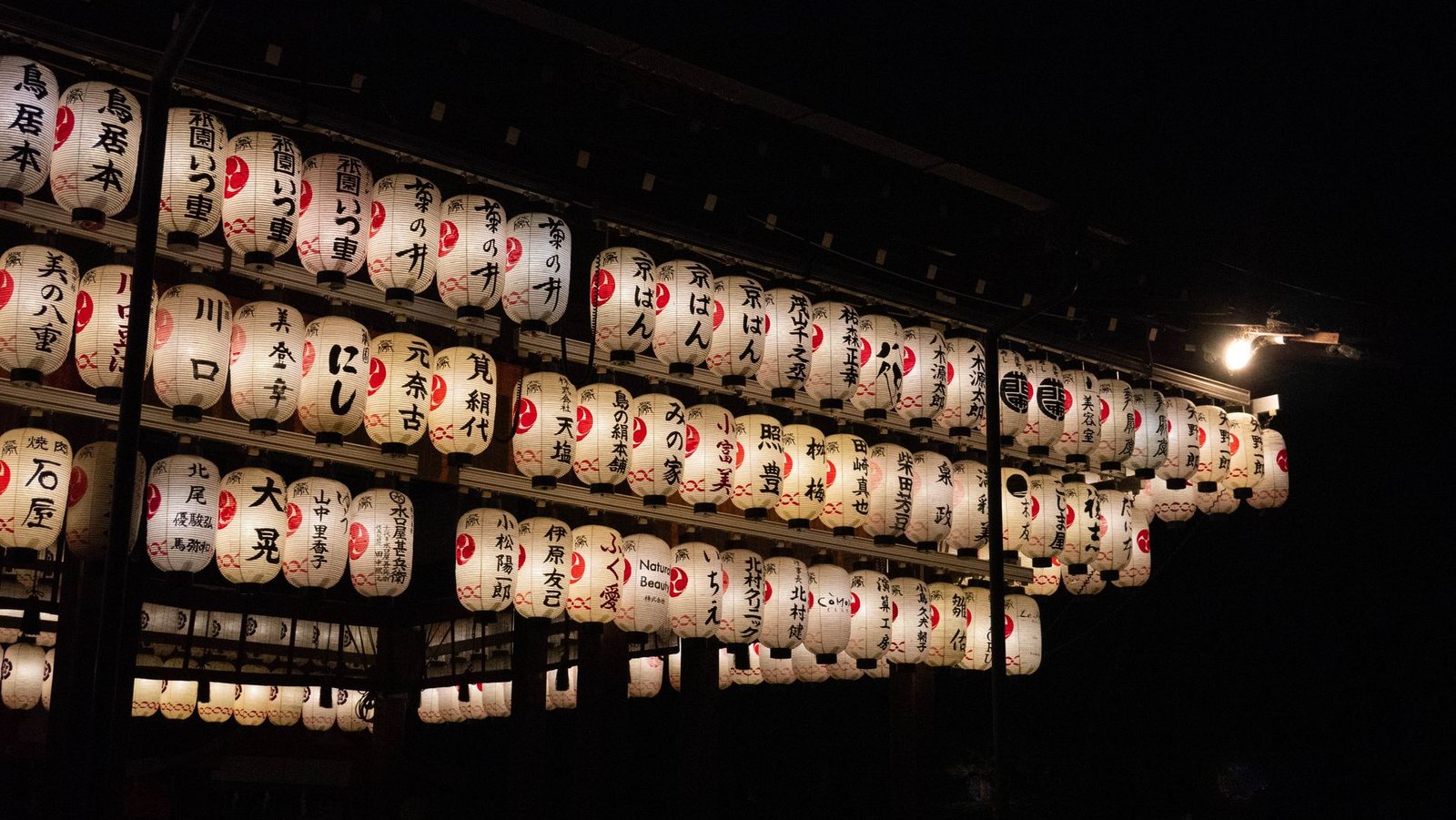
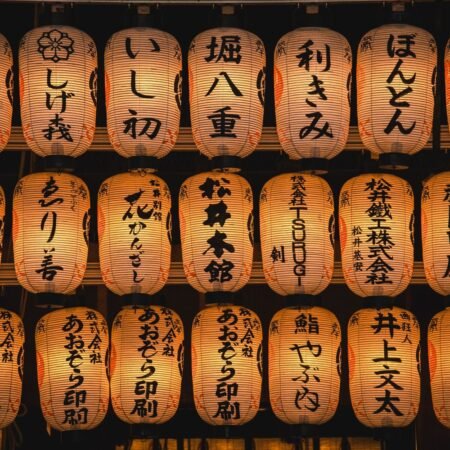
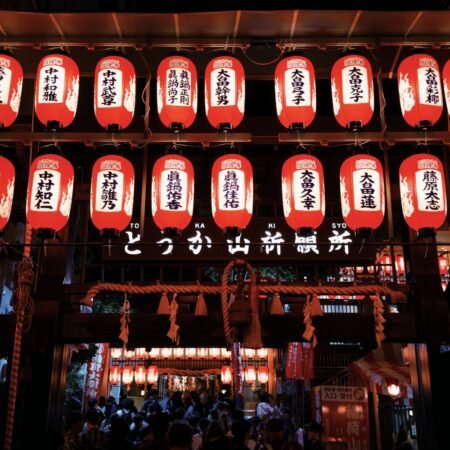
The festival runs every year from November 2nd to 4th, and each day has its own personality. The first night is the yoiyama, when all fourteen floats are pulled slowly through the streets after dark, lit from within by paper lanterns. I stood near Karatsu Shrine that evening and just listened — the chant of “Enya! Enya!” rolling down the street ahead of each float, taiko drums thudding underneath it, kids running alongside with their hands on the ropes even though they’re barely doing any of the pulling.
The second day, November 3rd, is the main event, and it happens to fall on Culture Day, a national holiday, which explains some of the sheer volume of people. In the morning, all fourteen floats parade from Karatsu Shrine through the center of town. Then comes the part I’d come all this way to see: the floats are dragged out onto Nishinohama Beach, where the packed sand turns to soft, shifting sand, and every single hikiyama gets stuck. Repeatedly. On purpose, more or less — this is the whole point. Teams throw themselves at the ropes, feet sinking, faces red, while the crowd roars them on. It’s chaotic and a little absurd and completely thrilling to watch up close.
On the third and final day, the floats make their way back through the city one more time before being tucked away for the year at the Hikiyama Exhibition Hall near Karatsu Shrine, where you can actually go see all fourteen up close in the off-season if you can’t make it in November.
Karatsu Beyond the Festival
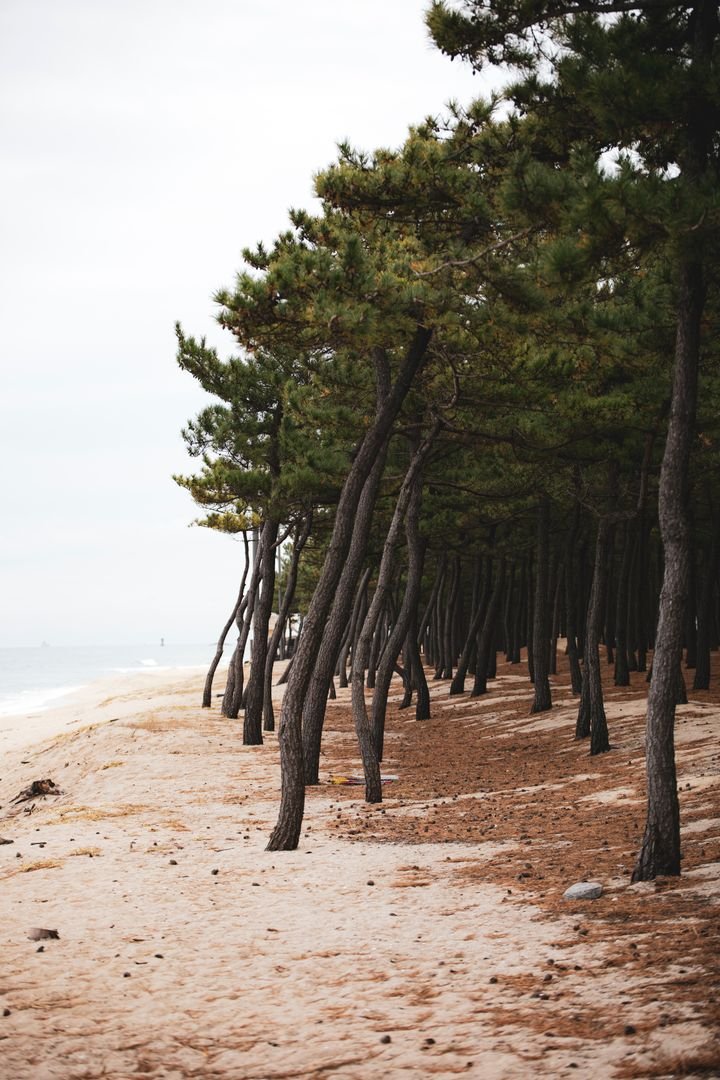
Because I’d built in an extra day, I got to see a bit of Karatsu outside of kunchi mode, and it’s worth doing even if you can only spare an afternoon. Karatsu Castle, also known as Maizuru Castle, sits on a small hill overlooking Karatsu Bay and gives you a proper view of Nijinomatsubara, a sweeping pine grove along the coast that’s counted among Japan’s great pine forests. It’s a strange, lovely contrast to the noise of the festival — just wind through black pines and the sound of the waves.
Karatsu is also famous for its pottery, Karatsu-yaki, a style with roots going back to Korean potters brought over in the late 16th century. There are kilns and small shops scattered around the older parts of town where you can watch pieces being thrown or just wander in and pick up a teacup that costs more than my last suitcase. If you’ve got any interest in ceramics, give yourself time to actually browse rather than power-walking past.
Practical Notes for Visiting
Karatsu is easy to reach by train — about 80 minutes from Hakata Station in Fukuoka, or a bit over an hour from Saga Station on the JR Karatsu Line. Given that up to 500,000 people show up over the three days, book your accommodation as early as you possibly can; Karatsu itself is small, and rooms fill up fast, so plenty of visitors base themselves in Fukuoka instead and day-trip in. Bring cash for festival food stalls, dress warmly once the sun goes down (early November evenings on the Kyushu coast have real bite to them), and if you want a spot along Nishinohama Beach for the sand-pulling on day two, get there well before the floats do. Comfortable shoes are non-negotiable, and honestly, don’t wear anything you’re precious about — you will end up with sand on it somehow.
If you only have time for one day, make it November 3rd. It’s louder, messier, and by far the most memorable few hours I’ve spent at any festival in Japan so far.
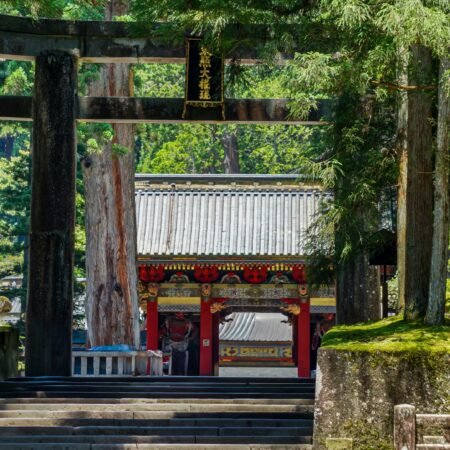
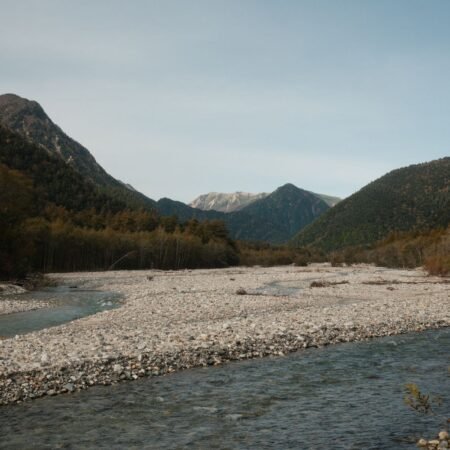
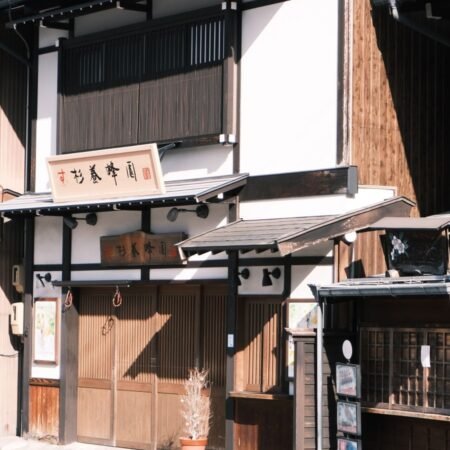
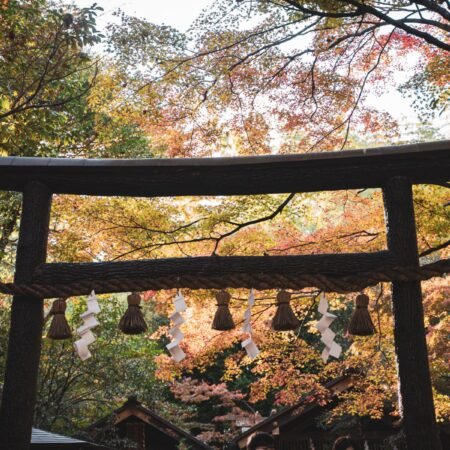
A quick note on photos: some of the images here are stock photos I’ve used to set the mood — they may not be the exact spot or moment I’m describing, just close in spirit.
コメント