





I got to Matsubara Hachiman Shrine two hours before anything was supposed to happen, which turned out to be exactly the right amount of time and also nowhere near enough. An older man selling grilled squid from a cart looked at my shoes — sneakers, sensible, utterly wrong — and just said, “Ganbatte” with a small laugh. I didn’t understand why until the sand started flying.
This was Himeji’s Nada no Kenka Matsuri, the “fighting festival,” and if you’ve never heard of it, I hadn’t either until a coworker in Kobe told me, with total seriousness, that people get concussed watching it. I assumed she was exaggerating. She was not exaggerating.
Three Shrines, One Hill, No Mercy
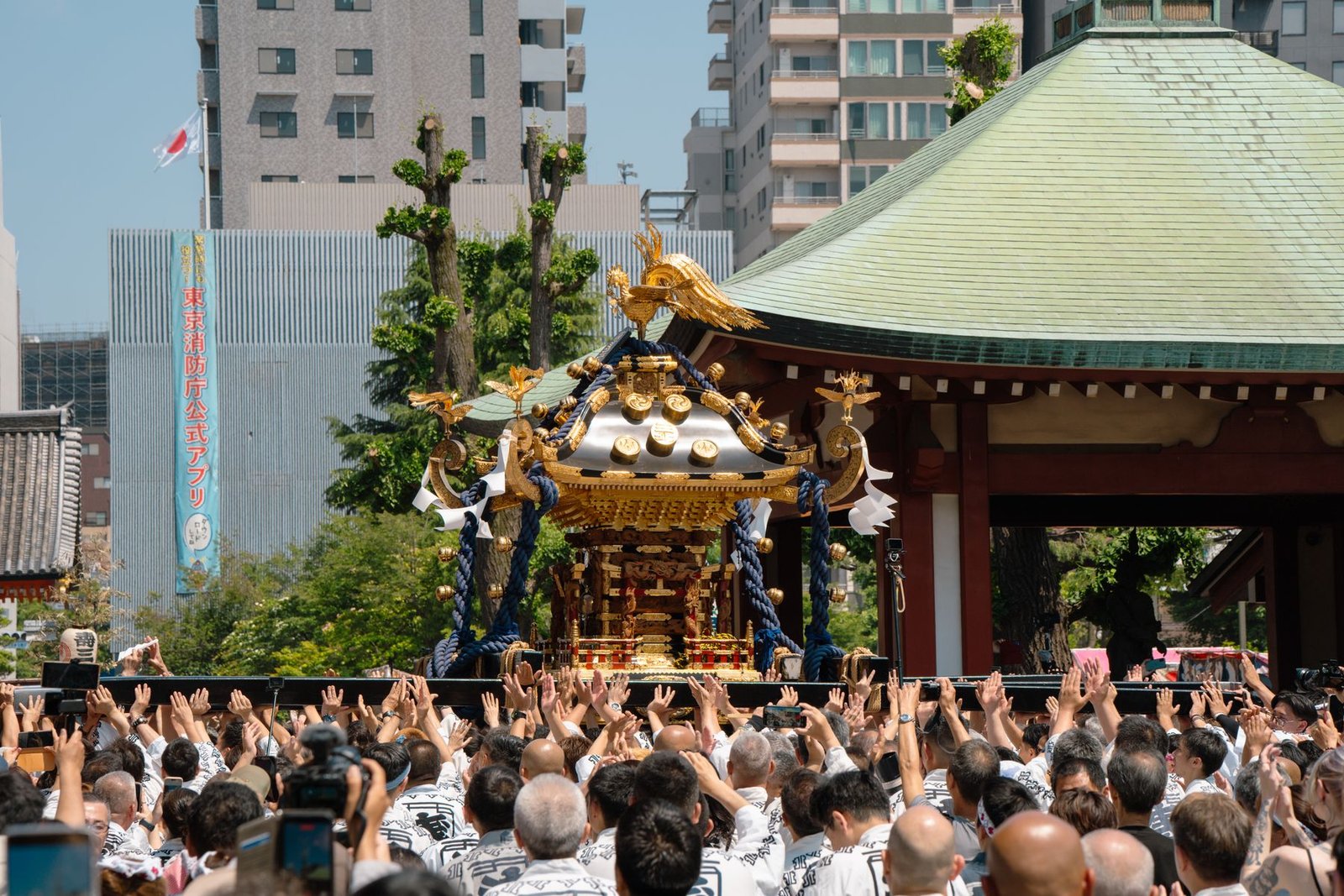
The heart of the festival is deceptively simple: three mikoshi, or portable shrines, called Ichi-no-Maru, Ni-no-Maru, and San-no-Maru, are hoisted onto the shoulders of teams of men and slammed into each other, over and over, on a slope below the shrine known as Otabiyama. That’s it. That’s the event. Except it’s also several hundred years of neighborhood pride, a soundtrack of drums and shell horns, and a genuinely terrifying amount of dust.
The teams are organized by age, which I found oddly touching once I understood it. Young men under twenty-five wear red headbands and carry bamboo poles to help steer the shrines; men twenty-six to thirty-five wear yellow; anyone over thirty-five wears white and, fittingly, gets handed the heaviest mikoshi to carry, because apparently by your late thirties in this town you’ve earned the right to have your spine tested. Many of the carriers wear only fundoshi loincloths despite the October chill, and by the second or third collision their shoulders are raw. Nobody seems to mind. When one shrine gets hoisted on top of another, the crowd roars like it’s a goal in extra time, because that’s the whole point — that’s how the “match” ends.
Seven Villages, Seven Rival Floats
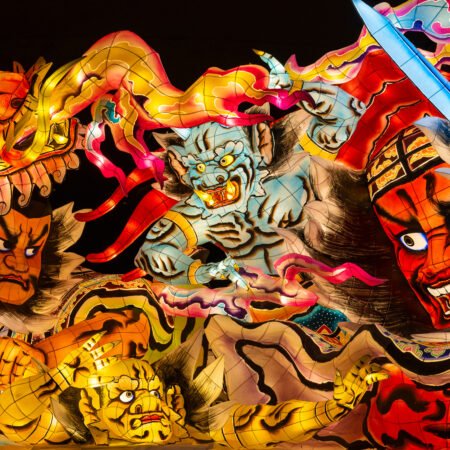
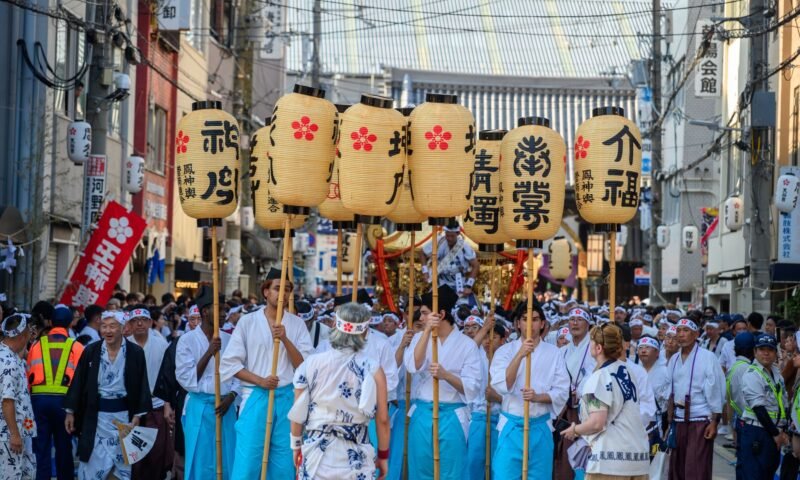
What I hadn’t expected was that the shrine-smashing is actually the second act. The day before, seven yatai floats — one from each of the old villages that make up the shrine’s parish — are carried to Matsubara Hachiman in a procession full of gold and silver woodcarving, embroidered curtains, and some very serious side-eye between neighborhoods that have apparently been rivals for generations. Each float has its own crest, its own colors, and its own drummers, and the whole thing has the unmistakable energy of a sports rivalry dressed up in centuries of lacquer and silk.
I ended up standing next to a family from the Matsubara district — the ones whose shishi-yatai drumming was once selected as one of Japan’s “100 Soundscapes to Preserve,” a title I did not know existed and now think about constantly. The grandmother in the group corrected my pronunciation of “yatai” twice and then fed me a mikan, which felt like the appropriate initiation.
Nearly a Thousand Years of Letting Go
What surprised me most, once I stopped flinching every time the mikoshi collided, was learning how old this all is. The festival traces back to a hōjō-e ritual — a Buddhist ceremony of releasing captured animals — recorded in a mid-14th-century regional text, with roots that may stretch back to the 11th or 12th century when the practice spread from Iwashimizu Hachimangu near Kyoto. Over the following centuries it evolved from a solemn releasing-of-creatures ceremony into the parish-run spectacle of floats and shrine-clashing we see today, with the current format taking shape after the religious reforms of the early Meiji era, when the local shrine parishioners took full ownership of the event. The festival date itself shifted too, moving off the old lunar calendar and settling on October 14 and 15, where it’s stayed ever since.
Knowing that history made the chaos hit differently. This isn’t a stunt for tourists — it’s a thousand-year-old community argument that gets settled, joyfully and violently, once a year.
Visiting in 2026: What You Need to Know
If you want to see it yourself, the 2026 dates are October 14 and 15. Day one is the yatai procession, with the floats arriving at the shrine and rituals running roughly from late morning into early afternoon. Day two is the main event, with the mikoshi clashes happening in sessions through the morning and again in the afternoon — arrive early if you want a real view of Otabiyama hill, because it fills in fast and the crowd gets tightly packed once things start.
Matsubara Hachiman Shrine sits a short walk from Shirahama-no-miya Station on the Sanyo Dentetsu Line, which connects easily to Himeji Station — so it’s an easy add-on if you’re already planning to see Himeji Castle, which is a twenty-minute train ride away and, frankly, worth the detour on its own. Admission to the festival is free, but bring cash for the food stalls, wear shoes you don’t mind getting sandy, and if a local in a headband tells you where not to stand, listen to them. I didn’t, the first time, and I paid for it with a bruised shoulder and a much better story.
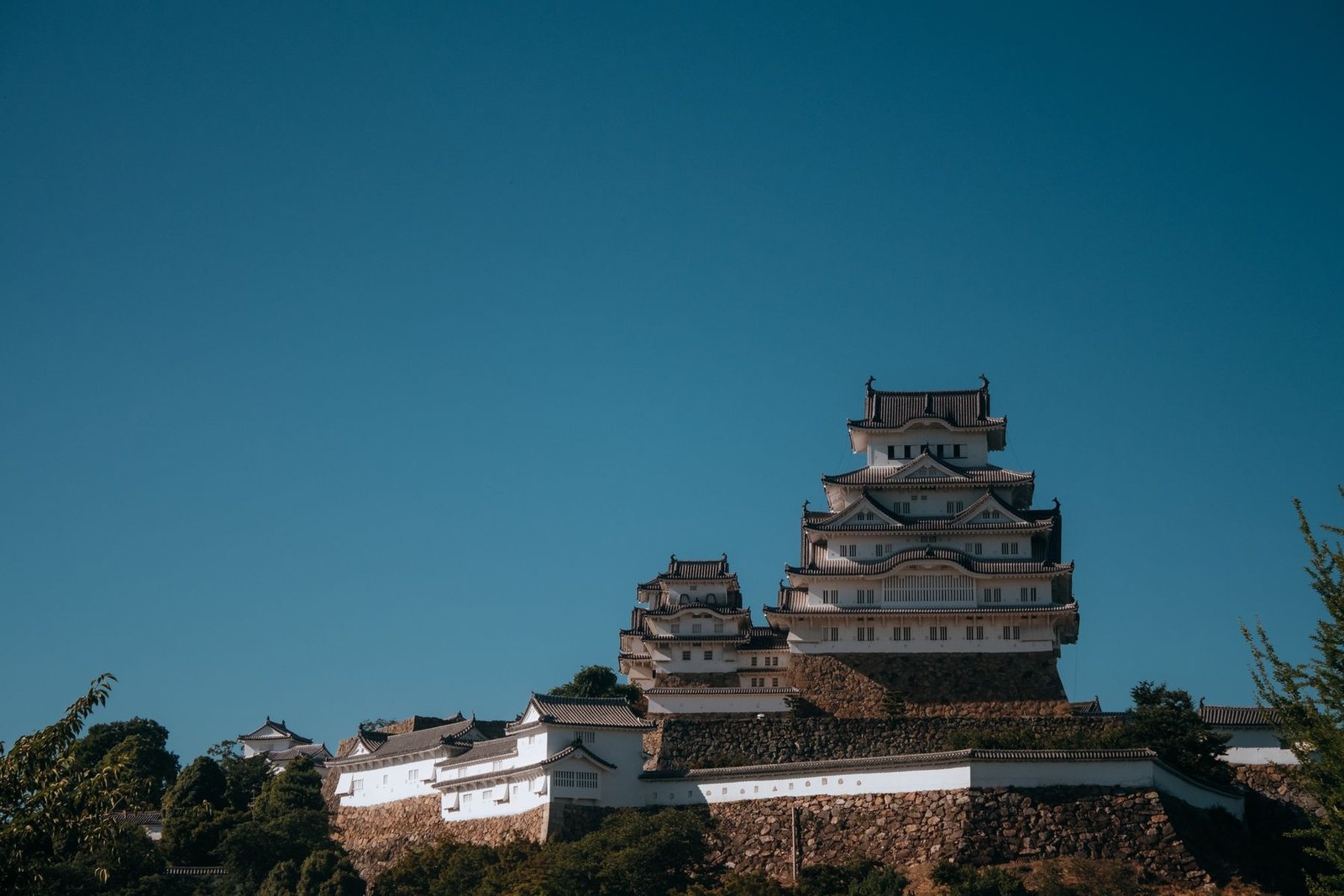
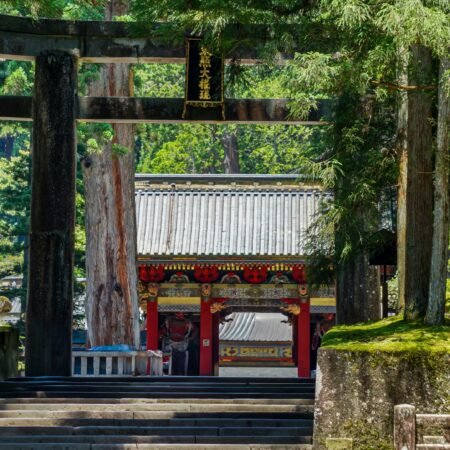
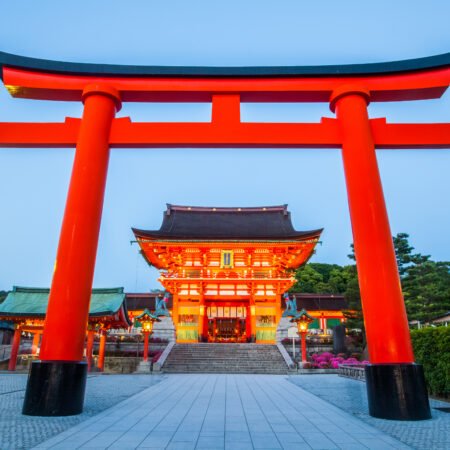
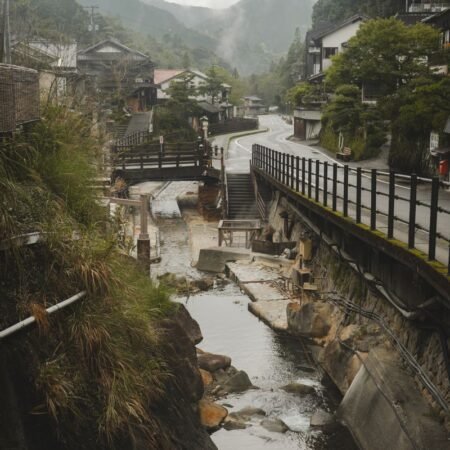
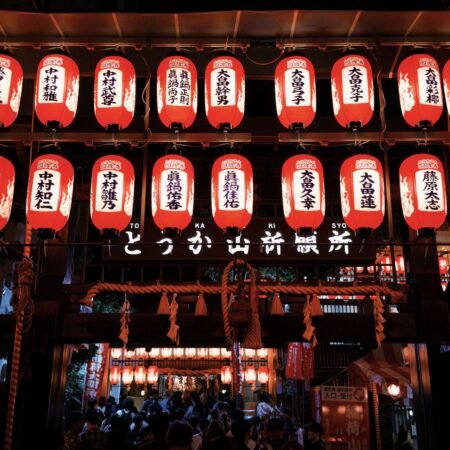
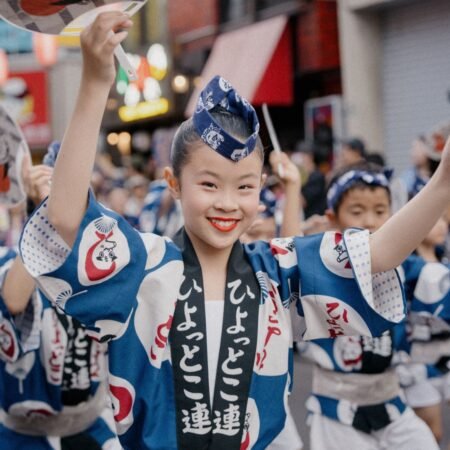
A quick note on photos: some of the images here are stock photos I’ve used to set the mood — they may not be the exact spot or moment I’m describing, just close in spirit.


コメント