






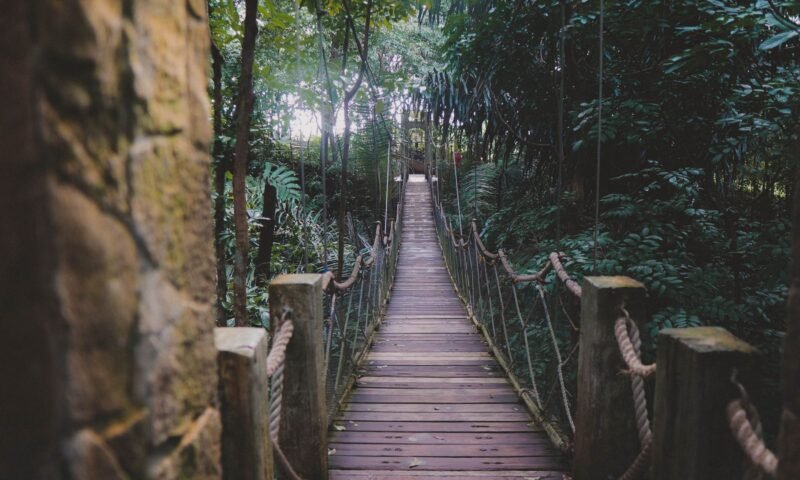
The first time I stepped onto the Iya Valley’s vine bridge, I made it about four steps before I froze completely, both hands locked around the rope railing, watching the Iya River glitter fourteen meters below me through the gaps in the wooden slats. Behind me, a group of Japanese high schoolers on a field trip were laughing and bouncing the bridge on purpose. I have never wanted to hurt teenagers more in my life. It took me almost five full minutes to cross forty-five meters, and by the end my legs were shaking in a way that had nothing to do with the mountain air.
I’d come to Tokushima Prefecture, on the island of Shikoku, specifically to see this bridge. I’d read that Iya Valley is considered one of Japan’s three most remote regions, tucked into steep, forested mountains where the Iya River carves a deep gorge through the rock. After five years of chasing matsuri and old towns around the country, I wanted something a little wilder, a little more “the mountains don’t care if you show up.” Iya Valley delivered.
A Bridge Woven, Not Built
Here’s the thing that got me before I even arrived: the Iya Kazurabashi isn’t built out of steel or rope in the way you’d expect a bridge to be. It’s woven from kiwi vine — real, still-growing kiwi vine, thick as my wrist in places — twisted together into cables that stretch the full forty-five meters across the gorge. Steel cables are hidden inside for safety these days, and the whole thing is rebuilt every three years because the vines naturally weaken and sag. But visually, structurally, it still reads as something grown rather than constructed, which is exactly why it sways the way it does.
Nobody actually knows for certain who first built vine bridges here. One story credits Kobo Daishi, the monk who founded Shingon Buddhism and is tied to half the sacred sites in Japan. The other story — the one I like better — says the Heike clan built them after being crushed by the Minamoto clan in the Genpei War back in the 1180s. Defeated and in hiding, they supposedly fled deep into these mountains and built bridges out of vine on purpose, because vine can be cut down fast if enemies come looking for you. Whether or not that’s literally true, standing in the middle of that bridge, watching it flex under my feet, I found it very easy to believe someone built this specifically so it could be destroyed in an emergency.
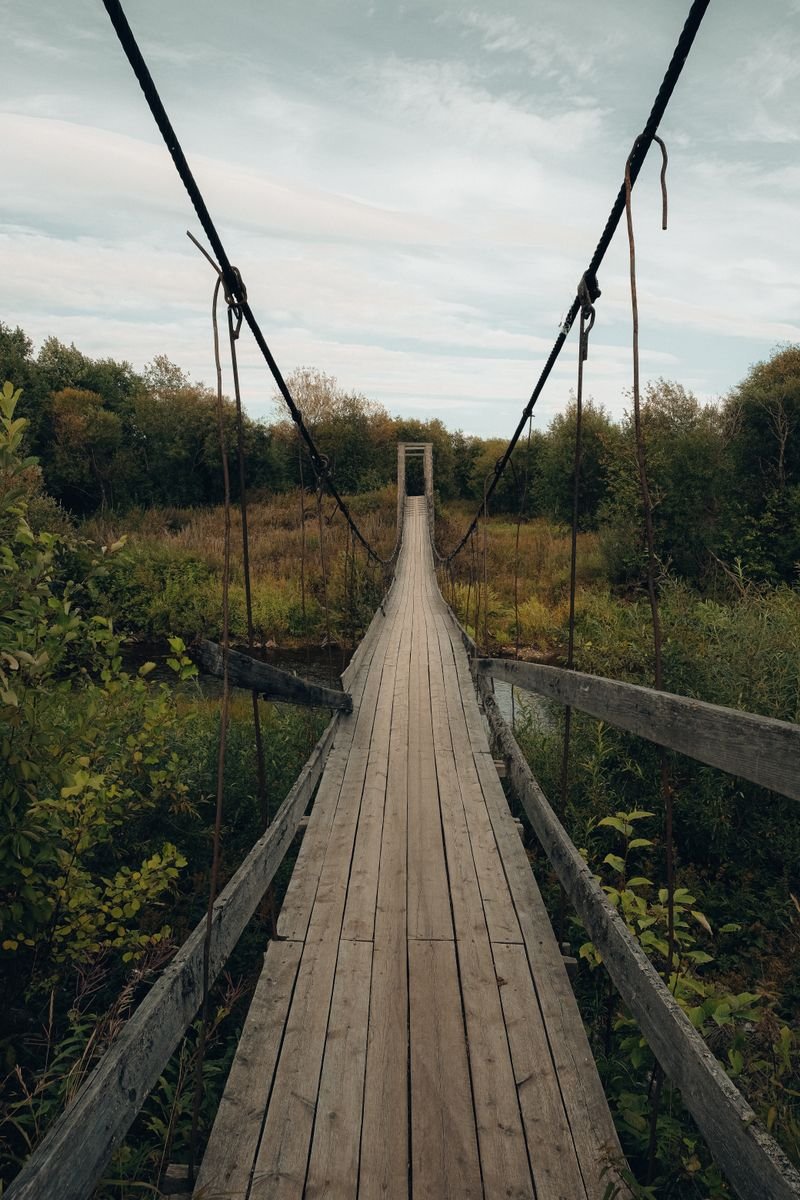
Of the original thirteen vine bridges that reportedly once crossed this valley, only three survive today, and Iya Kazurabashi is the biggest and most visited of them. It’s now a Nationally Designated Important Tangible Folk Cultural Property, which is a very official title for something that still sways like a hammock. Crossing is one-way only, which I appreciated, because there was no way I was going to pass anyone coming the other direction without either of us ending up in the river.
Going Deeper: The Husband and Wife Bridges
If Iya Kazurabashi is the valley’s headline act, the Oku-Iya Niju Kazurabashi — the “double vine bridges” — are the quieter, further-flung sequel, and I liked them even more. They sit deeper in the valley, a genuine drive along narrow mountain roads to reach, and they come as a pair with nicknames: Otto no Hashi, the “Husband Bridge,” which is the longer of the two at forty-four meters, and Tsuma no Hashi, the “Wife Bridge,” a slightly shorter twenty-two-meter span just upstream. I have opinions about a culture that names the bigger bridge after the husband, but I kept them to myself while I was busy gripping the rope railing.
What I loved about Oku-Iya was how few people were there. Where the main Kazurabashi gets a steady flow of tour buses and day-trippers, the double bridges felt like a secret. There’s also a wooden cart on a rope strung across the river nearby that visitors can pull themselves across by hand, which the local signage cheerfully calls something like a “wild monkey” crossing. I did not attempt it. I had already used up my bridge-related bravery for the day.
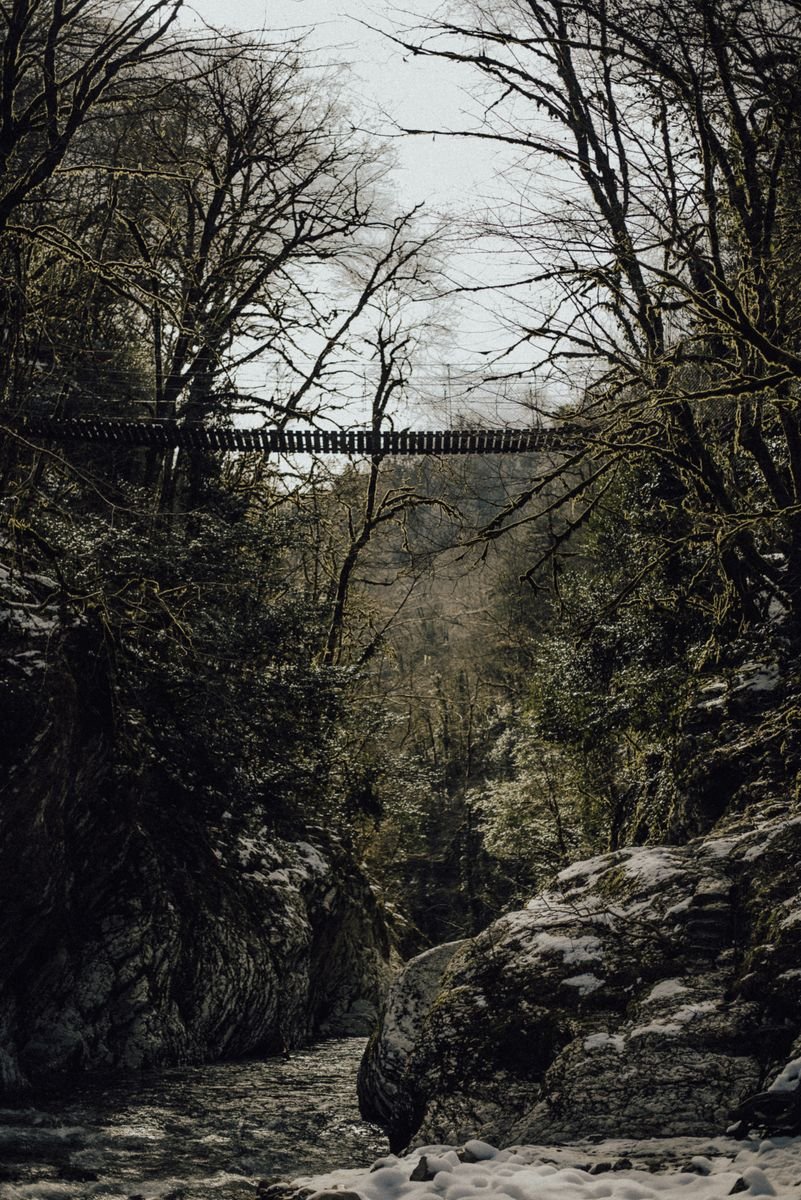
Near the main Kazurabashi, there’s also Biwa-no-Taki, a waterfall named for the biwa, a traditional lute-like instrument. Local legend says the defeated Heike soldiers used to gather there and play biwa music together to comfort each other after their loss. Standing at the base of the waterfall with the sound of the water drowning out everything else, that story made a lot of sense to me too — it’s the kind of place that makes you want to sit quietly for a while.
Practical Tips If You’re Going in 2026
If you’re planning your own trip to Iya Valley, here’s what I wish someone had told me first. The main Kazurabashi is open year-round, though hours shift with the seasons — roughly 7:30 a.m. to 6:30 p.m. in summer and a bit shorter in winter — and admission is 550 yen. It’s also lit up in the evenings from 7:00 to 9:30 p.m. if you want to see it glowing over the gorge after dark, which I’m told is stunning, though I was long gone by then, having used up my nerve during daylight hours.
The Oku-Iya double bridges are seasonal — generally open April through November — and closed through the winter months, so check before you make the drive. Admission there is also 550 yen. Public transport to the main bridge is doable: buses run from Awa-Ikeda Station (about an hour, 1,290 yen) or the more convenient Oboke Station (about 25 to 30 minutes, 670 yen), with departures every couple of hours. Reaching Oku-Iya without a car is much harder — buses out there run mainly on weekends and in peak season — so if you can rent a car in Tokushima or Kochi, I’d genuinely recommend it. The mountain roads are narrow and winding, but that’s half the scenery.
Wear shoes you can grip in, not sandals — the wooden slats have real gaps between them and you will be looking straight down through your own feet at the river. And don’t go in a big group if you can help it. Part of what made the bridge memorable for me was standing there alone for a moment, just me and the sound of the water and the creak of old vine holding me up.
Iya Valley isn’t flashy. There’s no big shrine, no famous statue, no once-a-year parade to build your trip around. What it has instead is quiet, dramatic scenery and a very physical reminder that people have been finding clever, slightly terrifying ways to cross this river for centuries. I left with shaky legs and a new appreciation for kiwi vines, which honestly wasn’t on my bingo card for the year.
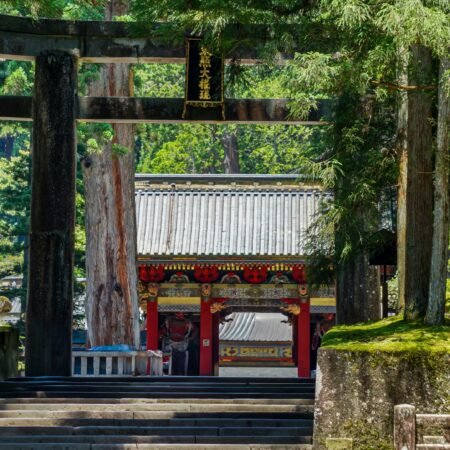
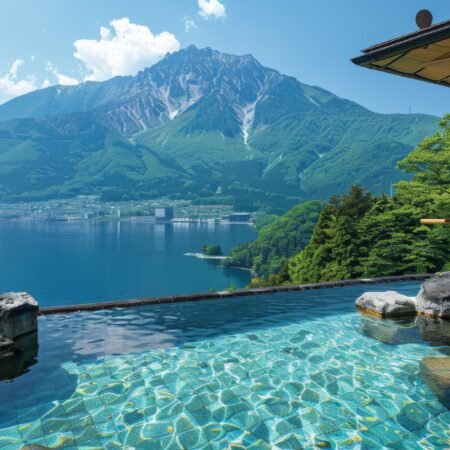
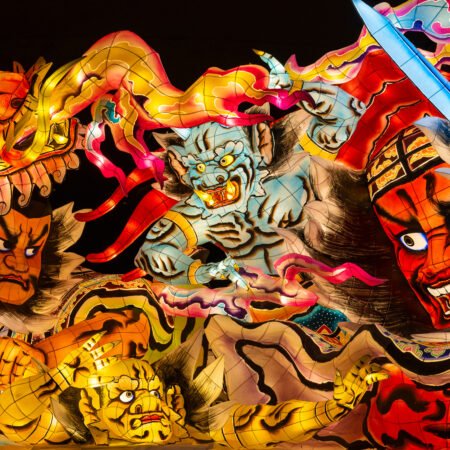
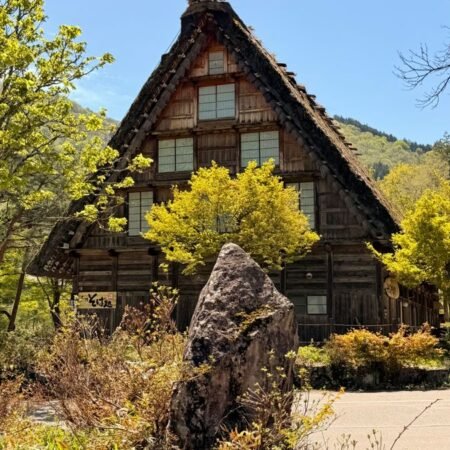
A quick note on photos: some of the images here are stock photos I’ve used to set the mood — they may not be the exact spot or moment I’m describing, just close in spirit.

コメント