





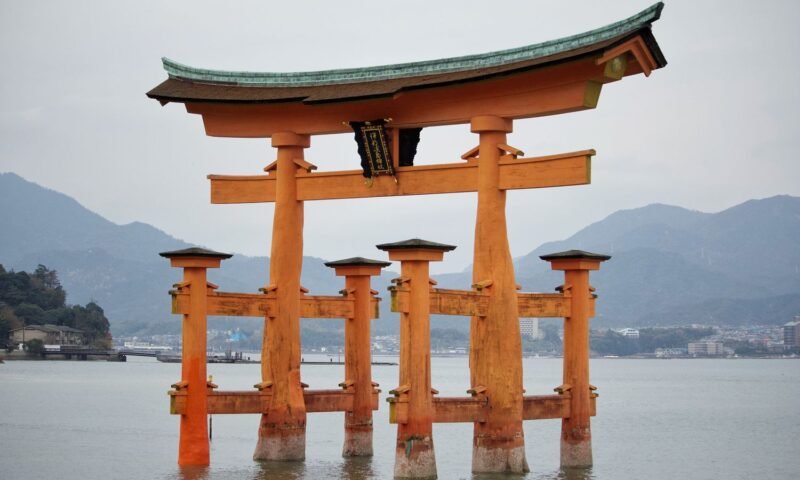
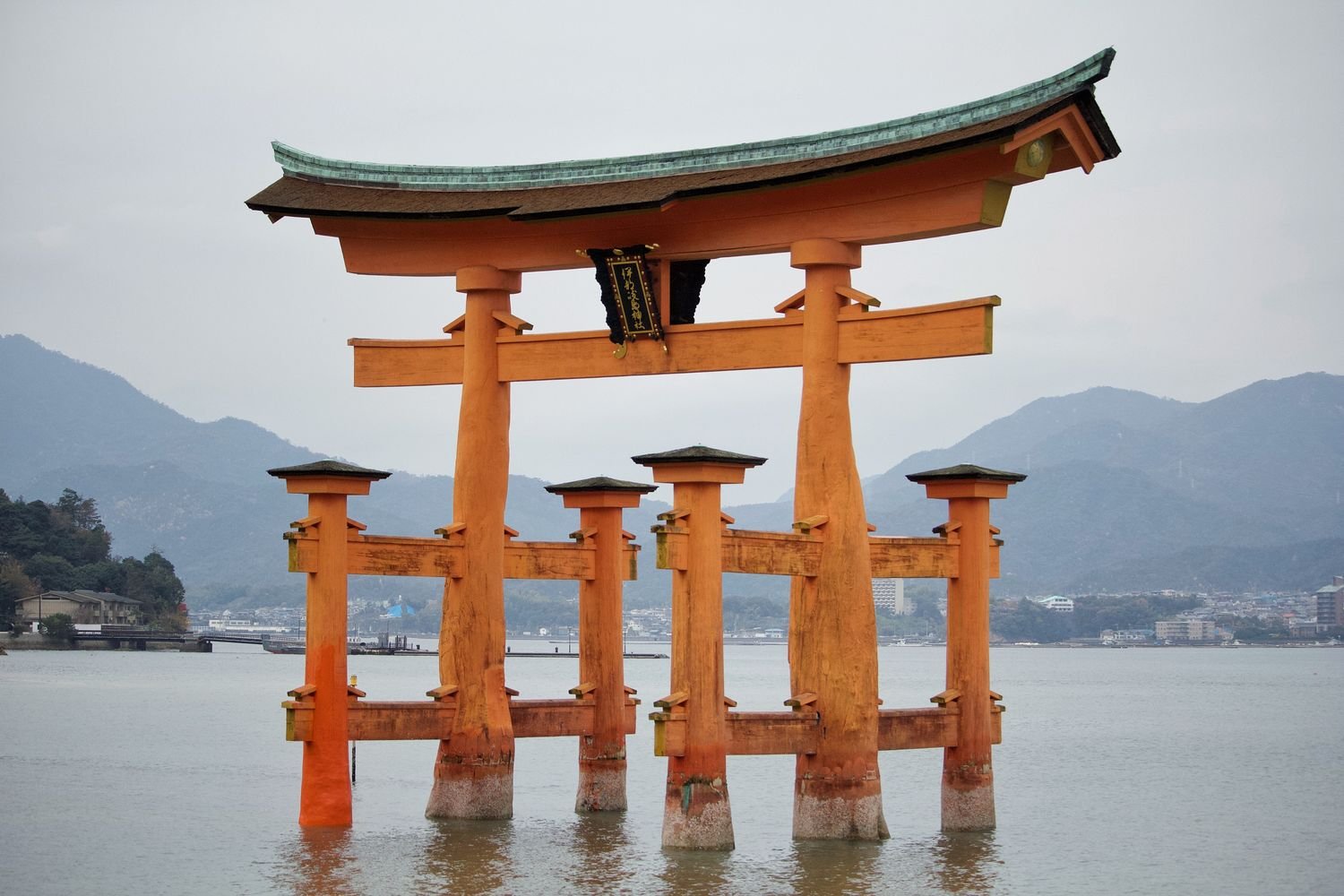
The first time I tried to see the floating torii gate at Miyajima, I got the tide completely wrong. I’d taken the early train from Hiroshima, hopped on the ferry with a coffee in hand, and walked out onto the shore expecting that famous postcard shot — a vermilion gate rising straight out of the sea. Instead, I found myself standing on wet sand, staring at a torii gate that was, very much, on land. A group of school kids ran right up and touched its base. I had shown up at low tide, and nobody had warned me that the “floating” part is only half the story.
That accidental lesson turned into one of my favorite day trips in Japan, and I’ve been back to Miyajima three times since. It’s an island in Hiroshima Bay you can reach by ferry in about ten minutes, and it packs an absurd amount of history, snacks, and free-roaming deer into a walkable little town. Here’s what stuck with me most.
The Gate That Changes With the Sea
Itsukushima Shrine, the vermilion shrine complex that the torii gate belongs to, has been considered sacred ground for so long that historically ordinary people weren’t even allowed to set foot on the island — the shrine was built out over the water on stilts specifically so pilgrims could approach by boat without touching the “pure” land beneath. The shrine in its current form dates to 1168, rebuilt by the powerful warlord Taira no Kiyomori, and the whole complex — shrine, gate, and the forested mountain behind it — was named a UNESCO World Heritage Site in 1996.
The torii gate itself stands about 16 meters tall and is one of Japan’s most photographed structures for a reason: depending on when you show up, you get two completely different experiences. At high tide, the gate and the shrine’s connecting corridors appear to float on the water, reflections and all — it’s the image everyone has in their head before they ever visit. At low tide, the water pulls back far enough that you can walk right out across the sand and stand under the gate itself, close enough to see the barnacles clinging to its huge camphor-wood pillars. I actually think low tide is the better experience for a first visit, tide charts are posted at the ferry terminal and easy to find online in advance, so plan around them rather than just showing up and hoping.
Deer, Momiji Manju, and the Walk Into Town
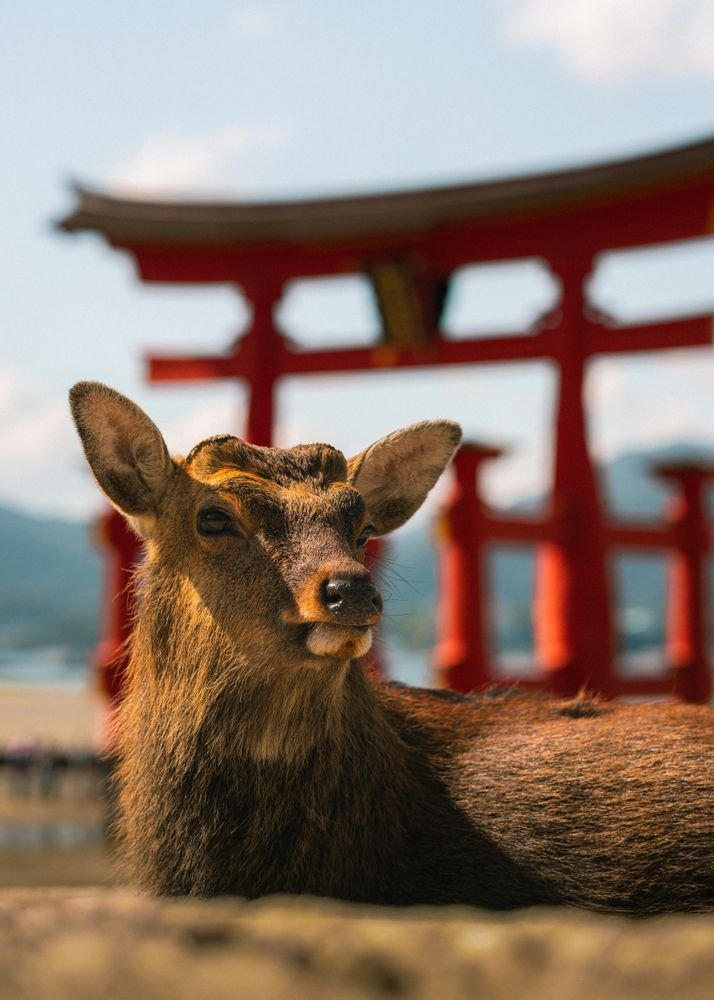
Miyajima’s deer are almost as famous as the torii gate, and they have the run of the place. Unlike Nara’s deer, these ones aren’t especially interested in bowing for crackers (feeding them is actually discouraged here to keep them from eating paper maps, plastic bags, and anything else tourists are holding). Mostly they just nap in the shade near the shrine steps or wander through the souvenir street like they own it, which, honestly, they kind of do.
Speaking of the souvenir street — Omotesando is where I always end up losing track of time. It’s a covered arcade packed with shops selling momiji manju, maple-leaf-shaped cakes filled with sweet red bean, custard, or chocolate, which originated on this exact island more than a century ago. A few shops now do a fried version, and I will die on the hill that the fresh-off-the-griddle fried custard one is the best snack on the island. There’s also excellent grilled oysters sold from streetside stalls, since the bay around Miyajima is one of Japan’s major oyster-farming areas.
Climbing Above It All on Mount Misen
If you have half a day to spare, the ropeway up Mount Misen is worth the trip. It’s actually a two-stage ropeway from Momijidani Station, and about halfway up there’s a stop where wild monkeys hang around near the observation deck (keep your bags zipped and don’t make eye contact — lesson learned the hard way). From the upper station it’s still a decent uphill walk to the actual summit, but the payoff is a sweeping view over the Seto Inland Sea, dotted with small islands in every direction.
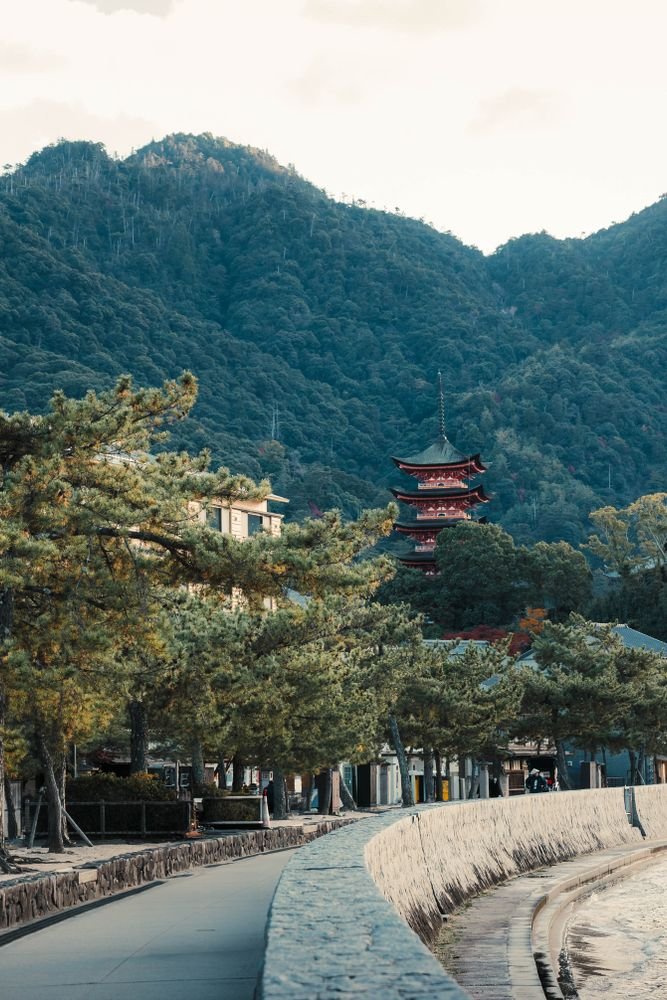
Near the summit is Reikado Hall, home to a flame said to have been lit by the monk Kobo Daishi back in 806 and kept continuously burning ever since — it was reportedly one of the sources used to light the flame of peace at Hiroshima’s Peace Memorial Park. Whether or not you buy every detail of the legend, there’s something genuinely moving about standing in a small wooden hall in front of a fire that old. On the way back down toward the shrine, the five-story pagoda near Toyokuni Shrine is one of the most photogenic spots on the whole island, especially with the mountains as a backdrop.
Practical Notes From Someone Who’s Messed This Up Before
Getting there is simple: take the JR Sanyo Line (or the San-yo Shinkansen if you’re coming from farther away) to Miyajimaguchi Station, then it’s a short walk to the ferry pier. Both the JR ferry and the Miyajima Matsudai ferry make the crossing in about ten minutes, and if you have a Japan Rail Pass, the JR ferry is covered. Try to arrive early, ideally before 9am, because the island fills up fast with day-trip tour groups once the mid-morning boats arrive, and the shrine itself charges a small entry fee to walk its raised boardwalks.
If you can swing it, staying overnight on the island is the move I’d recommend most. Once the last tour boats leave in the late afternoon, Miyajima goes almost eerily quiet, and seeing the torii gate lit up against the dark water with hardly anyone else around is a completely different feeling than the crowded daytime version. There are a handful of ryokan and guesthouses on the island itself, though they book up well in advance, especially around weekends and the autumn foliage season in November.
Whether you catch the gate floating or standing in the sand, Miyajima has a way of rewarding you no matter which tide you accidentally show up on. I’ve now seen it both ways, and I honestly couldn’t tell you which one I’d pick if I had to choose just one.
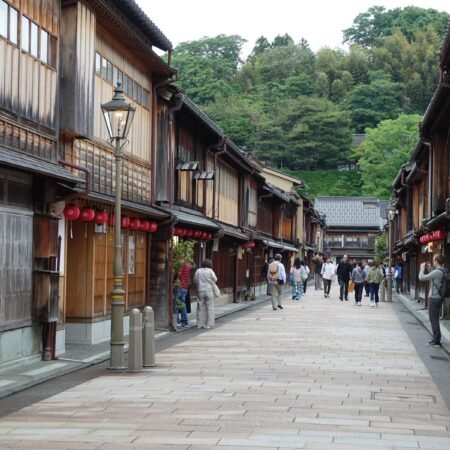
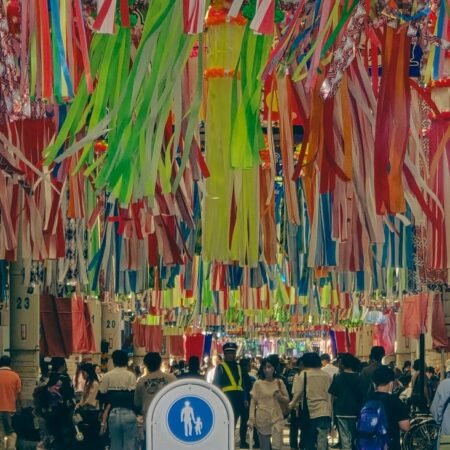
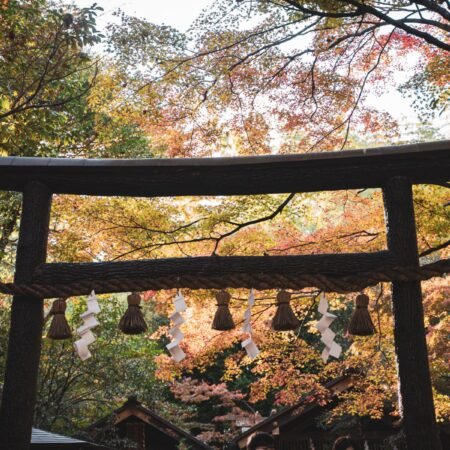
A quick note on photos: some of the images here are stock photos I’ve used to set the mood — they may not be the exact spot or moment I’m describing, just close in spirit.
コメント