





I almost missed my stop. That’s the truth. I was so busy staring out the window of the little orange train as it climbed up into the mountains south of Osaka, watching the valleys drop away and the cedar forest close in, that the conductor had to remind me twice: Gokurakubashi, last stop, everyone off. From there it’s a cable car — a genuinely vertigo-inducing five minutes at a steep incline — up to Koyasan, a temple town over 800 meters above sea level that has been a center of Japanese Buddhism since the year 816. I’d read about it for months before I went. I still wasn’t ready for it.
Koyasan (also written Koya-san, or just Mt. Koya) was founded by the monk Kukai, who is usually known by his posthumous name, Kobo Daishi. He’s one of the most important figures in Japanese religious history, and depending on who you ask in Koyasan, he isn’t dead at all — he’s said to be in eternal meditation inside his mausoleum, waiting for the future Buddha to arrive. That belief shapes everything about this place, and it’s part of why UNESCO listed Koyasan, along with Yoshino-Omine and Kumano, as a World Heritage Site in 2004 under the name “Sacred Sites and Pilgrimage Routes in the Kii Mountain Range.” I went in expecting a nice mountain town with some old buildings. I left thinking about it differently than almost anywhere else I’ve been in Japan.
Walking Through Okunoin at Dusk
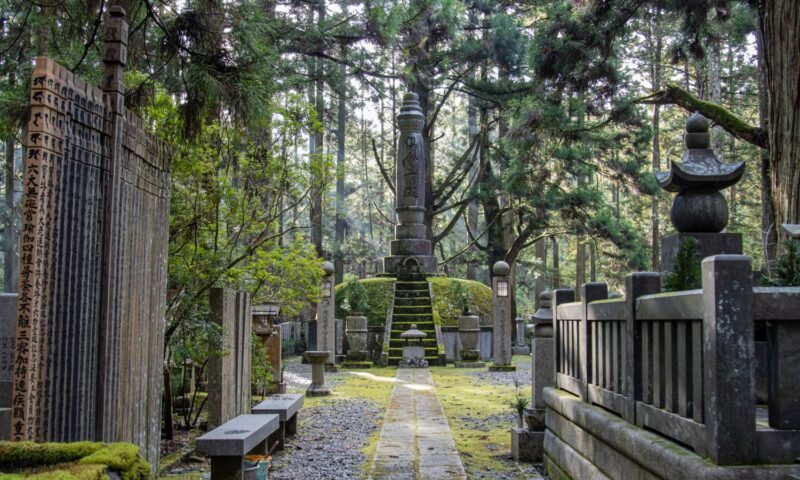
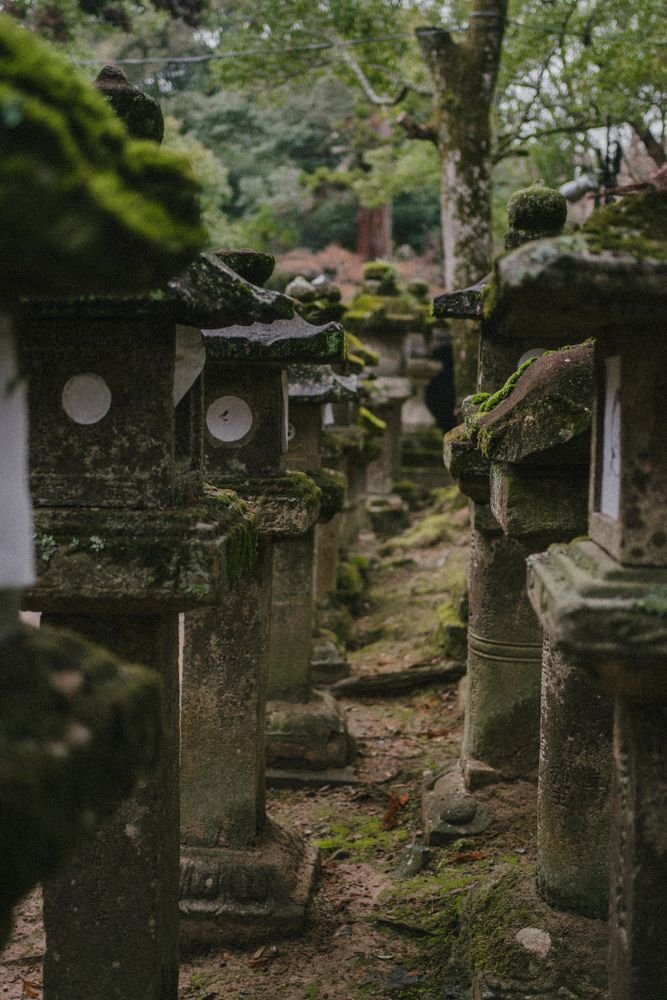
The main reason people come to Koyasan is Okunoin, the cemetery that leads to Kobo Daishi’s mausoleum, and it is unlike any cemetery I’ve ever walked through. There are over 200,000 gravestones and memorial monuments lining a two-kilometer stone path through old-growth cedar forest, some of the trees said to be several hundred years old. Feudal lords, company presidents, famous samurai — it seemed like half of Japanese history wanted to be buried within reach of Kobo Daishi, so their memorials ended up here, alongside newer ones from companies like Panasonic and Nissan honoring their employees.
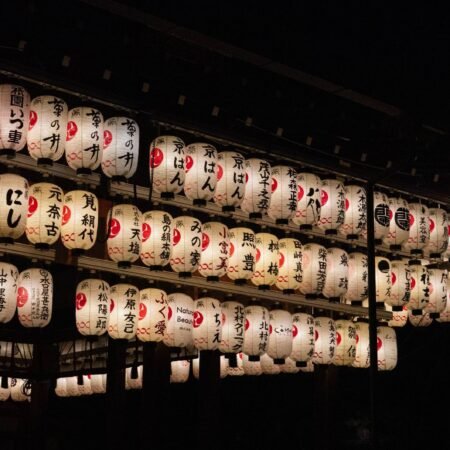
I went in twice: once in the late afternoon, when the light came down in long green shafts between the trees, and again after dark, when the whole path is lit by stone and hanging lanterns. The second walk is the one I actually think about. It was quiet in a way that felt almost physical, just the sound of gravel underfoot and the occasional drip of water, and I found myself slowing down without meaning to. Near the end of the path is the Torodo, or Lantern Hall, which holds more than 10,000 lanterns, some of which are said to have been burning continuously for over 900 years. You’re not allowed to take photos past a certain point near the inner sanctuary, which I appreciated — it forced me to just stand there and look instead of reaching for my phone.
Spending the Night in a Shukubo
Koyasan has more than 100 temples, and around half of them offer shukubo, or temple lodging, to visitors. I stayed at a small one a short walk from the main cemetery gate, and it remains one of my favorite nights I’ve spent in Japan. My room was simple — tatami mats, a low table, a futon that the staff laid out while I was at dinner — and it looked out onto a raked gravel garden that I kept the shoji screen open to, even though it got cold overnight.
Dinner was shojin ryori, the vegetarian cuisine developed by Buddhist monks, and it came out in an almost absurd number of small dishes: sesame tofu, simmered mountain vegetables, pickles, a clear soup, rice, and things I genuinely couldn’t identify but ate anyway because they were delicious. No meat, no fish, no garlic or onion, which are avoided in traditional shojin cooking — and somehow it didn’t feel like anything was missing.
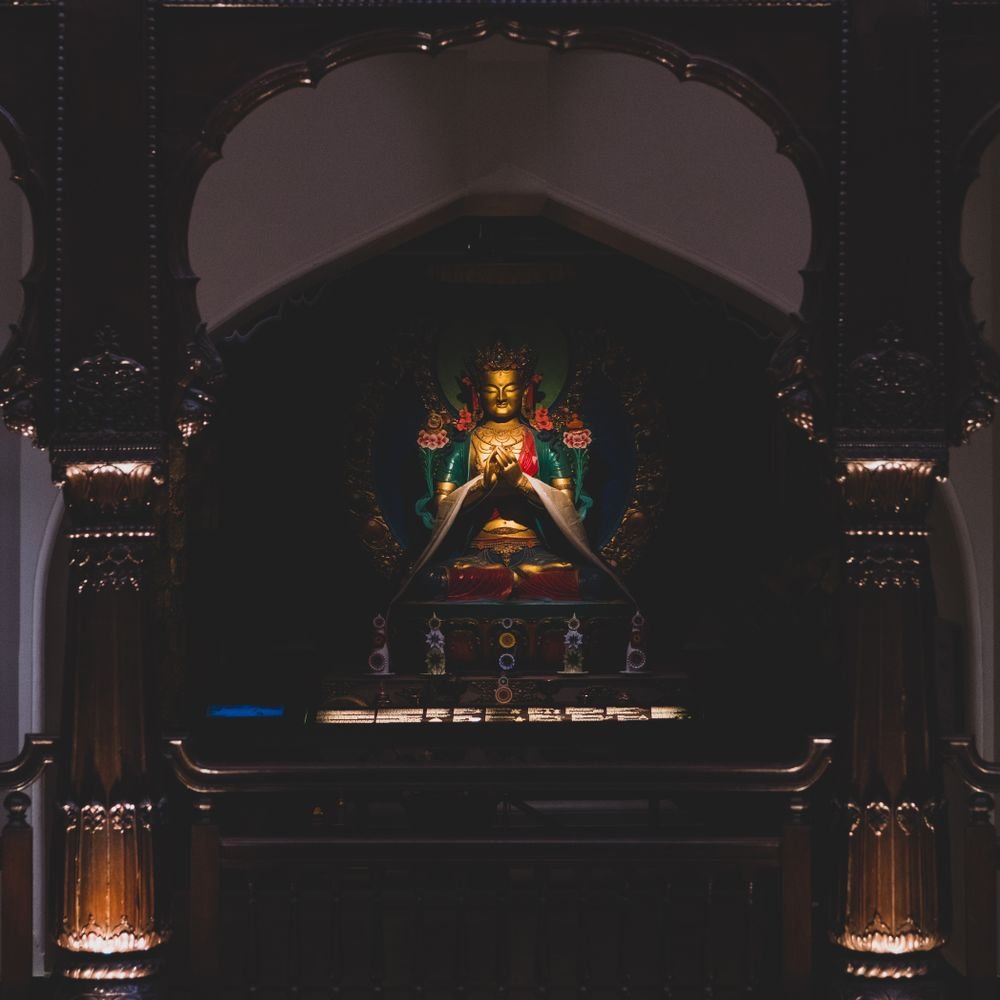
The part that really got me, though, was the morning goma fire ritual. I set an alarm for 6am, sat cross-legged at the back of a dim hall with maybe a dozen other guests, and watched a monk chant and feed wooden sticks inscribed with prayers into a fire on the altar, the smoke curling up toward a gold Buddhist statue while a drum kept time somewhere behind him. I don’t consider myself a particularly spiritual person, and I still felt something shift in my chest watching it. I’m not going to pretend I fully understood the ritual’s meaning, but I didn’t need to in order to feel moved by it.
Practical Tips for Visiting Koyasan
Getting there is part of the experience: take the Nankai Koya Line from Namba Station in Osaka to Gokurakubashi (about 90 minutes, with a transfer to a limited express recommended), then the Koyasan cable car up the mountain (about 5 minutes). From the cable car station, buses run into the town center, though the walk down through Okunoin from the Ichinohashi entrance is worth doing on foot if your legs are up for it.
If you want to stay overnight in a shukubo, book well ahead, especially in autumn foliage season or around Obon in mid-August. Reservations can usually be made directly through a temple’s website or through the Koyasan Shukubo Association. Bring layers even in summer, since the mountain air is noticeably cooler than Osaka or Kyoto, and pack modest, comfortable clothing since you may be asked to sit through services in it. Cash is still king at many of the smaller temples, so don’t rely entirely on cards. And give yourself at least one full day and night — Koyasan is not a place that rewards rushing through on a day trip, even though plenty of tour buses try to make it one.
Final Thoughts
Five years into living in Japan, I’ve been to a lot of temples, and I’ll admit that after a while they can start to blur together a bit. Koyasan didn’t blur. Maybe it was the altitude, or the cedar smell, or just the particular quality of standing in a 1,200-year-old cemetery in the dark, but something about it has stuck with me in a way few other places have. If you’re building an itinerary around Osaka or Kyoto and have an extra day or two to spare, I’d genuinely rearrange other plans to make room for this one.
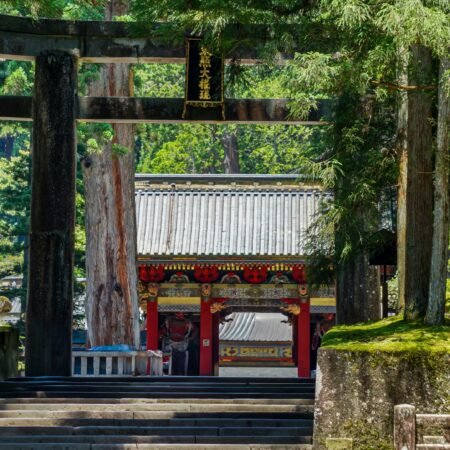
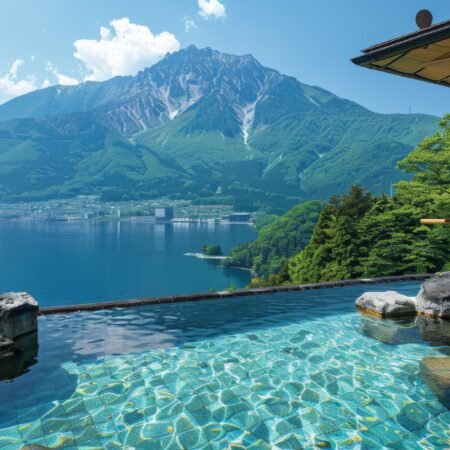
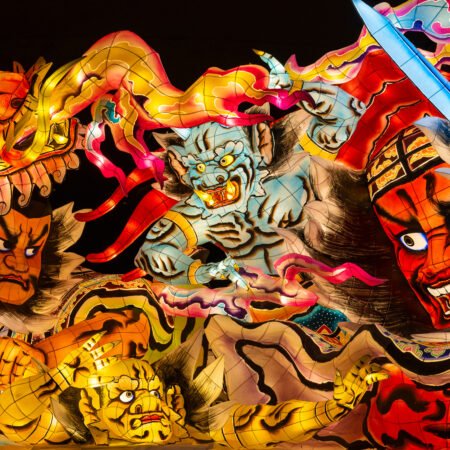
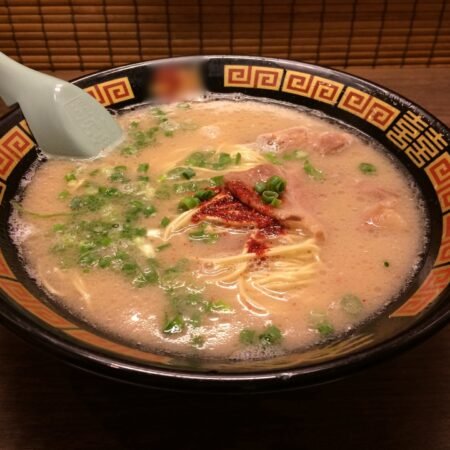
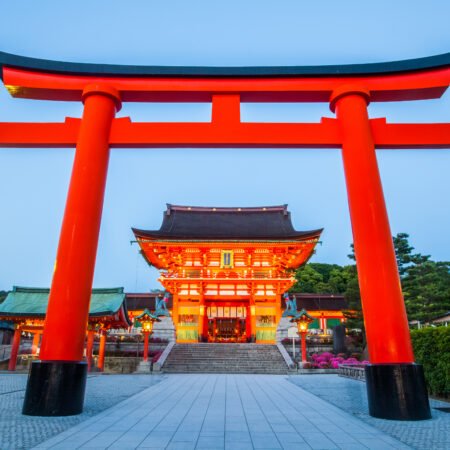
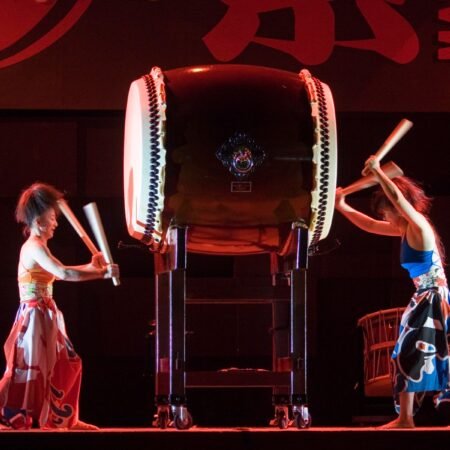
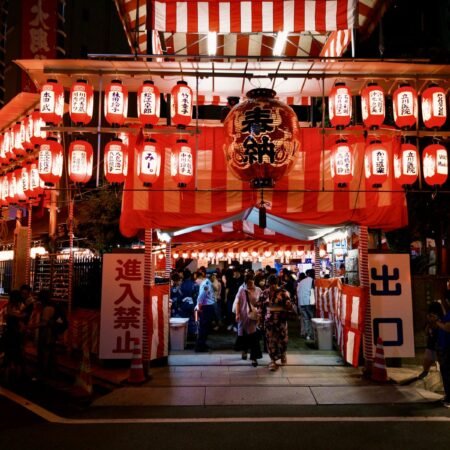
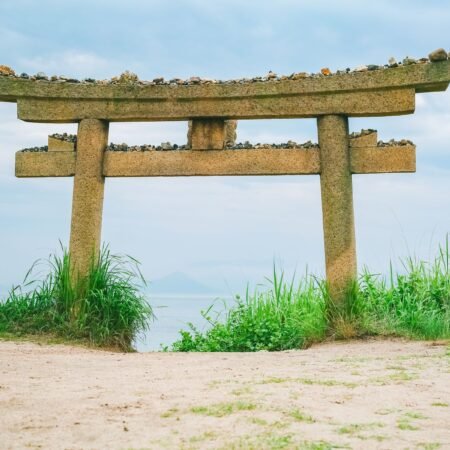
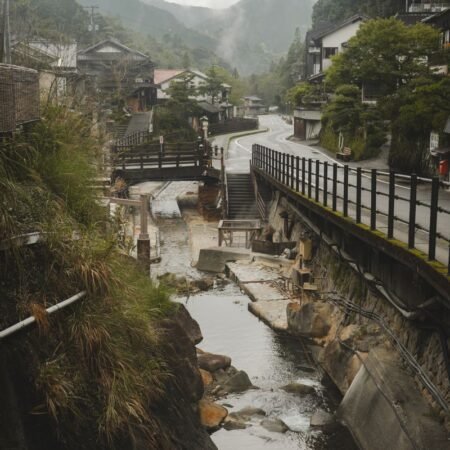
A quick note on photos: some of the images here are stock photos I’ve used to set the mood — they may not be the exact spot or moment I’m describing, just close in spirit.
コメント