






I was standing exactly where I shouldn’t have been standing.
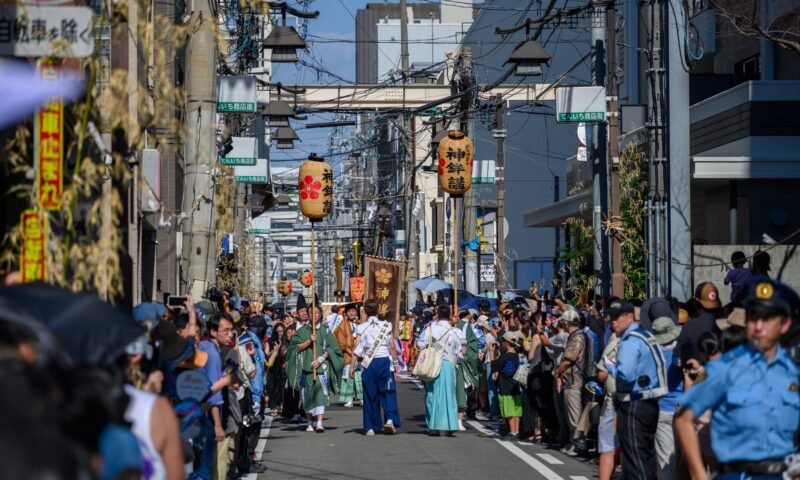
That’s the honest way to start this, because it’s the truest thing I can tell you about the Kishiwada Danjiri Matsuri. I’d wedged myself into a gap between a shuttered pharmacy and a vending machine on Kishu Kaido Street, thinking I had a safe little pocket to watch from. Then I heard the drums change pitch, felt the crowd around me physically lean back, and watched four tonnes of carved wood come screaming around the corner on what looked like two wheels. A man near me grabbed my sleeve and hauled me a full step backward without saying a word. That’s just what you do at danjiri. Everyone looks out for everyone, because everyone has been the idiot standing in the wrong spot at least once.
Five years into living in Japan, I thought I’d seen my share of matsuri. Danjiri humbled me a little. It’s louder, faster, and considerably more likely to end in a trip to the ER than anything I’d witnessed before, and I mean that as the highest possible compliment.
So, What Exactly Is a Danjiri?
A danjiri is a wooden festival float, but calling it that undersells it the way calling a Ferrari “a car” undersells a Ferrari. Each one is hand-carved, covered top to bottom in relief scenes from Japanese mythology and history, and weighs around four tonnes. There’s no engine, no brakes in any meaningful sense, and no steering wheel — just thick ropes, a few dozen (sometimes a few hundred) neighborhood volunteers hauling on them, and a handful of men riding on the roof, dancing and directing the crew with fans and whistles while the whole structure rocks underneath them.
Kishiwada, a city just south of Osaka on the Nankai Main Line, keeps something like eighty of these floats between its September and October festivals, spread across dozens of neighborhoods that each maintain, restore, and pull their own danjiri as a matter of serious local pride. Some of the floats are genuinely historic, passed down and repaired for well over a century.
Yarimawashi: The Turn That Makes Your Stomach Drop
The word you’ll hear shouted, chanted, and printed on every festival banner is yarimawashi — the practice of sprinting a four-tonne wooden float at full speed and cornering it hard, without slowing down first. It is, structurally speaking, a terrible idea, and that’s exactly the point. The whole float tips onto two wheels mid-turn, the roof-riders throw their weight to keep it from tipping all the way over, and the crowd makes a sound that’s somewhere between a cheer and a collective gasp.
It’s not just for show, either. Danjiri really have taken out utility poles, storefronts, and the occasional parked car over the decades, which is why participating neighborhoods carry insurance for exactly this. Injuries happen most years, almost always to participants who misjudge a turn or get caught under the ropes rather than to spectators who keep a sensible distance — which is a lesson I now pass on to every visiting friend: watch from behind a barrier, not from a “safe-looking” gap between a pharmacy and a vending machine.
Three Centuries in the Making
The festival traces back to 1703, when Okabe Nagayasu, the local feudal lord governing Kishiwada, prayed to Inari, the harvest deity, for a good rice crop and opened the grounds of Kishiwada Castle to the public in celebration. What started as a harvest prayer with a single decorated cart pulled into the castle grounds has grown into one of the largest float festivals in the Kansai region, with the September event alone drawing well over half a million spectators.
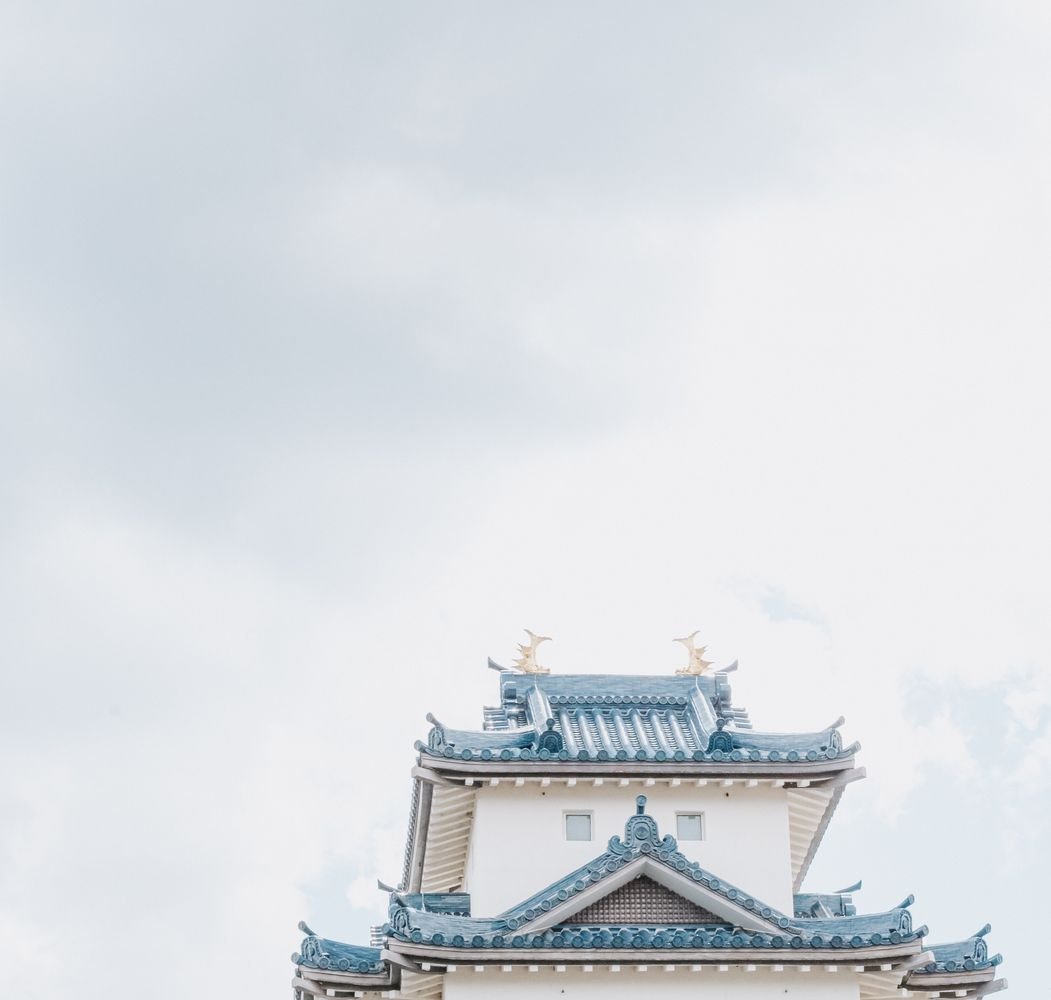
Kishiwada Castle itself is worth lingering at even outside festival weekend — it’s a compact, moated reconstruction with a small but pleasant garden, and it makes an obvious anchor point for figuring out where you are amid the noise and crowds on the day.
If You’re Going in 2026
The main September festival falls on the weekend before Respect for the Aged Day, which puts it around September 19–20, 2026, with a second, smaller festival in different neighborhoods in mid-October. From Namba Station in central Osaka, it’s a straightforward 25-minute ride on the Nankai Main Line to Kishiwada Station, followed by about a 15-minute walk to the castle area where most of the action converges.
A few things I wish someone had told me before my first year:
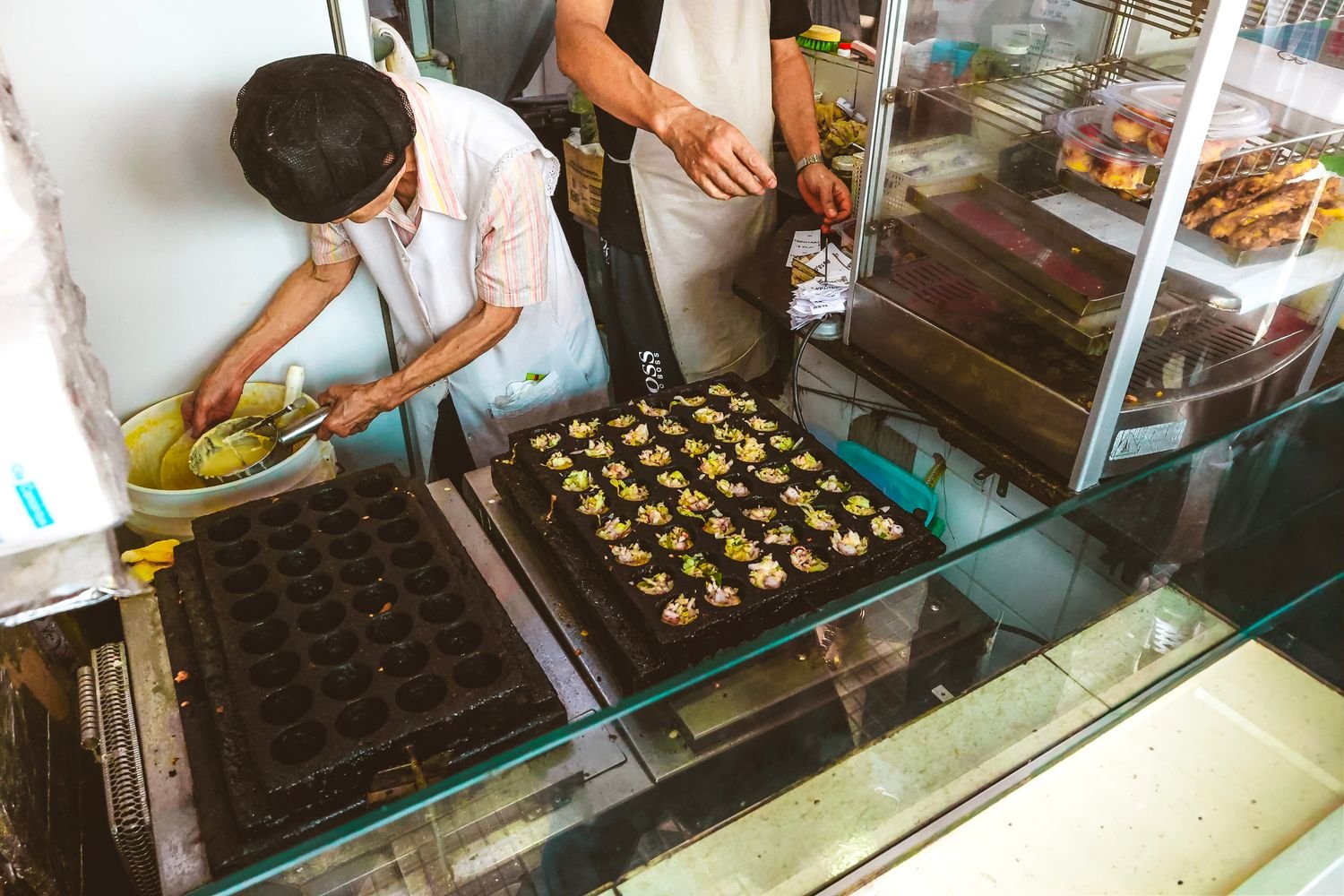
Wear real sneakers, not sandals — the pavement gets slick with spilled drinks and worse, and you’ll be on your feet for hours. Bring cash; the yakisoba, takoyaki, karaage, and kakigori stalls lining the route mostly don’t take cards, and the lines get brutal by early afternoon.
Get to Kishiwada Station early on Saturday morning if you want a seat on the train at all, and book any nearby accommodation well in advance, because Osaka hotels fill up fast around festival weekend. For a good vantage point without fighting for space at the castle itself, try the shopping arcade near Kishiwada Station or the quieter Kishu Kaido old town street for a closer, slower look at the carving detail between runs — from a proper distance this time.
Worth the Bruises
I’ve since been back three times, and I still get the same jolt of adrenaline every time a float rounds a corner faster than seems physically reasonable. There’s something genuinely moving about watching a whole neighborhood — grandparents, teenagers, kids barely old enough to walk — pour that much collective effort into hauling a piece of their town’s history through the streets at a dead sprint. If you only make it to one danjiri festival in Japan, make it this one. Just don’t stand where I stood.
コメント