






The first time a Japanese friend told me about “yuki akari,” I pictured something delicate and far away — not a ten-minute train ride from where I was sitting in Sapporo with a mug of hot coffee, dreading the idea of standing outside in February. She just laughed and said, “Trust me, bring gloves,” and bought our tickets on the spot. A few days later I was standing on the edge of the Otaru Canal at dusk, watching hundreds of little snow lanterns flicker to life one by one along the water, and I understood exactly why she hadn’t bothered explaining it ahead of time. Some things in Japan you really do just have to see.
That night became my introduction to Otaru Yuki Akari no Michi — the Otaru Snow Light Path — and five winters later, it’s still one of my favorite nights of the year in Hokkaido.
What Is Yuki Akari no Michi?
Yuki Akari no Michi translates roughly to “the road of snow lanterns,” and that’s a pretty literal description of what you’ll find. Since 1999, for about ten days every February, volunteers in the old port town of Otaru have packed snow into small hollow mounds, cut a little window into each one, and tucked a candle inside. Multiply that by the hundreds, line them up along the historic canal and the old Temiya railway line, and light them all at dusk.
What struck me most, coming from Tokyo’s blinking neon and later from Sapporo’s enormous, corporate-sponsored Snow Festival just down the road, is how handmade the whole thing feels. There’s no laser show, no sponsor banners, no giant ice sculpture competition. It started as a grassroots event — local volunteers, shopkeepers, and students working together to bring some warmth (figuratively, anyway) to the town’s quiet winter — and it has stayed that way. You can tell. The lanterns aren’t perfectly uniform. Some are lopsided. A few candles blow out and get quietly relit by a volunteer in a down jacket halfway through the evening. It feels less like a show being performed for you and more like a town inviting you into something it does for itself.

Walking the Canal at Night
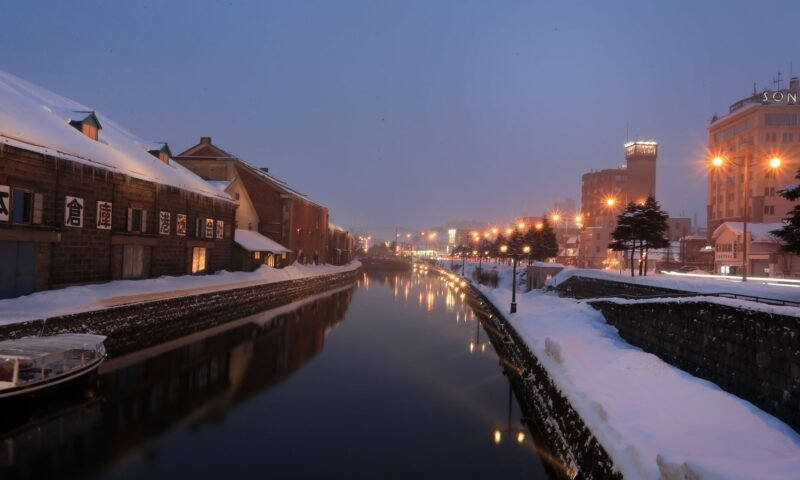
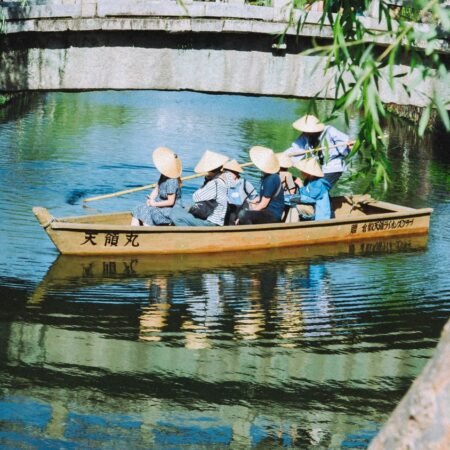
The main stretch runs along the Otaru Canal, which was built between 1914 and 1923 to let barges unload cargo straight into the brick-and-stone warehouses that still line the water. During the day those warehouses are full of glassware shops and soft-serve stands. At night during the festival, they become a backdrop — their old stone catching the orange glow of the lanterns and throwing it back across the canal in long, wavering reflections.
I’d budgeted maybe forty minutes for my first walk along the canal. I ended up staying almost two hours, mostly because I kept stopping to take the same photo over and over, convinced the next one would somehow capture it better (it never quite does — bring a tripod if you’re serious about it, and forgive yourself in advance if your phone photos still look flat). Volunteers wander the path with thermoses of hot amazake, a sweet, lightly fermented rice drink, and will often press a free cup into your hands if you look cold enough, which in my case was always.
The crowd is dense in the most popular spots near Nakamise-bashi bridge, but it thins out fast if you just keep walking. Some of my best memories are from the quieter stretches further down the canal, where it was just me, a few locals, and a long, unbroken row of candlelight.
The Old Railway and the Town Behind It
Less crowded still is the second main venue: the decommissioned Temiya line, Hokkaido’s oldest railway, which closed decades ago and now sits as a long snowy corridor through town. During the festival, snow lanterns are arranged along the old tracks instead of platforms and trains, and walking it at night feels almost eerie in a good way — like the rail line never really stopped running, it just switched to carrying candlelight instead of passengers.
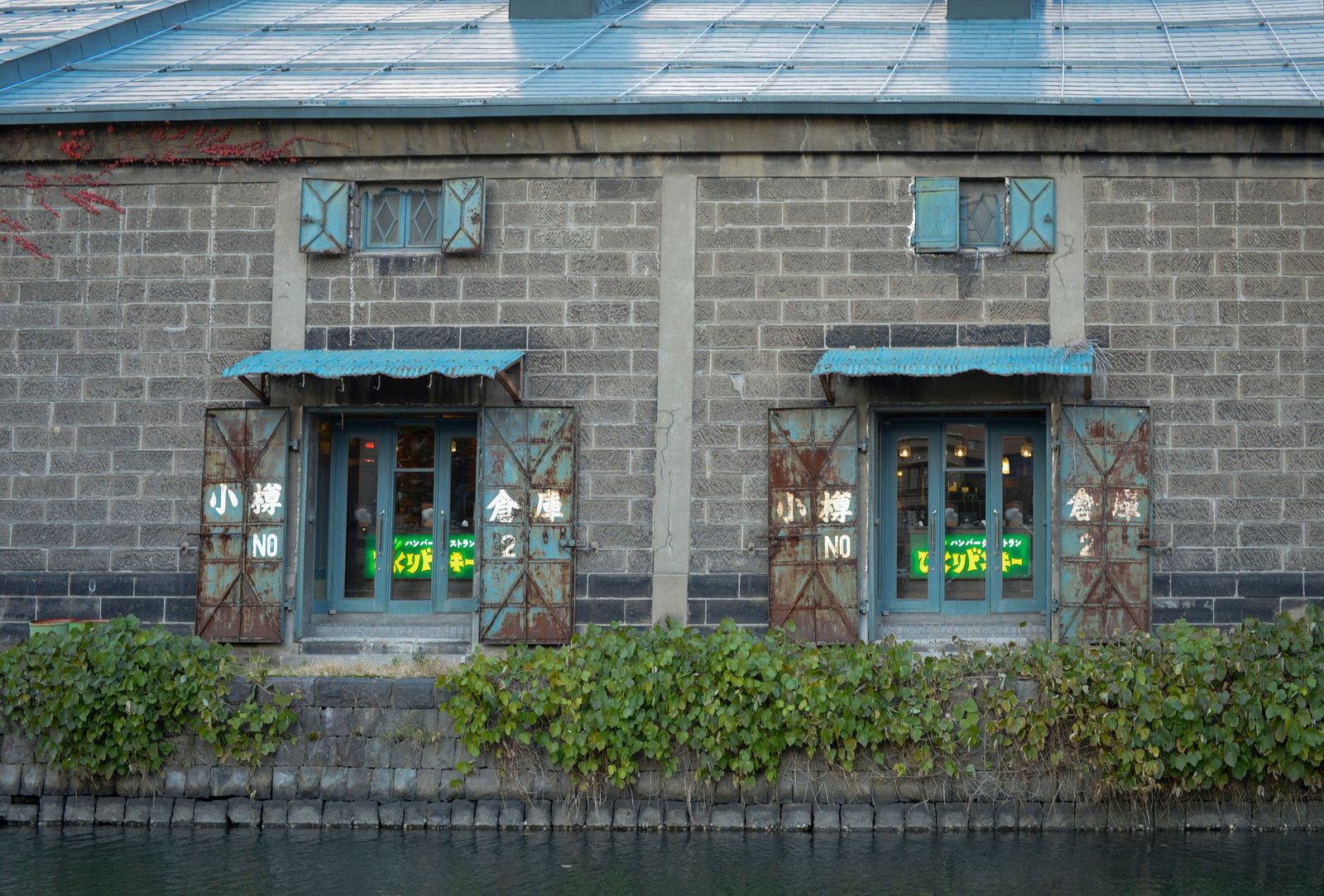
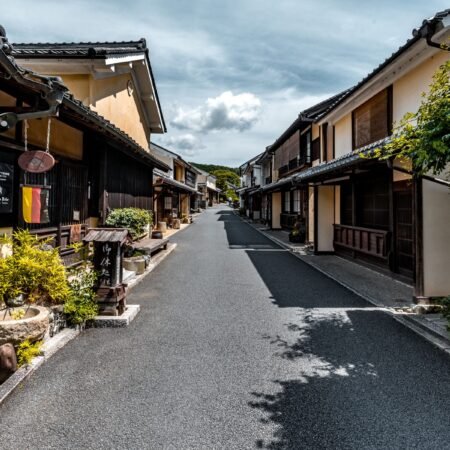
Before the sun goes down, it’s worth spending the afternoon in Otaru proper rather than just showing up for the lanterns and leaving. Sakaimachi Street, a short walk from the canal, is lined with glassware studios — a tradition that goes back to the Meiji era, when local workshops made glass fishing floats for the herring industry and eventually pivoted toward the decorative glass the town is known for today. There’s also a wonderfully overstuffed music box museum, and if you have any sense of self-preservation you will not leave town without a slice of cheesecake from LeTAO, whose flagship shop sits a few minutes from the canal and somehow always has a line, even in a blizzard.
Practical Tips for Visiting
The festival runs for roughly ten days in early-to-mid February each year, with the exact dates set by the organizers a few months ahead — it’s worth checking the official Otaru tourism site before you book anything, since the window is short and doesn’t repeat. Lanterns are usually lit from early evening until around 9 p.m., so plan to arrive while there’s still some daylight if you want to see the canal and warehouses before dark, then stay as the lights come up.
Getting there from Sapporo is easy: hop on a JR rapid train from Sapporo Station to Otaru Station, which takes about 35–45 minutes, and the canal is a short walk from there (Minami-Otaru Station is even closer to the main venue if you time your train right). Dress like you mean it — thermal layers, waterproof boots, and real gloves, not the thin ones you packed for Tokyo. The canal path can get icy and slushy underfoot by the end of the evening as hundreds of candles do their slow work on the snow beneath them.
If you’re already planning a trip to see the Sapporo Snow Festival, know that the two events usually run in different weeks, so you may need to pick your dates carefully, or time a longer Hokkaido trip to catch both. I’ve done it both ways, and honestly, the quieter candlelit evening in Otaru is the one I still think about more.
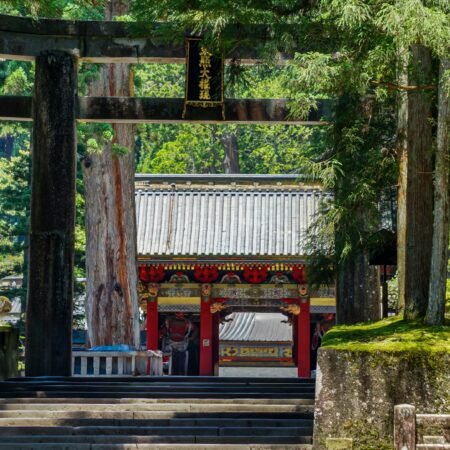
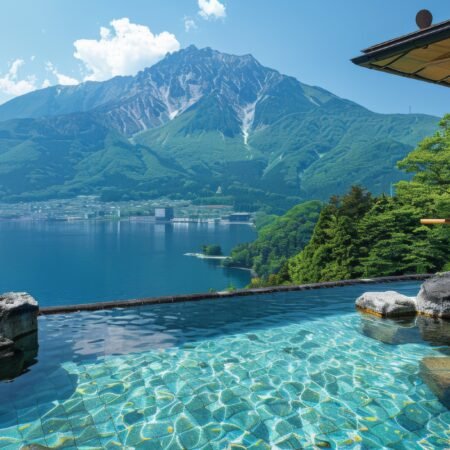
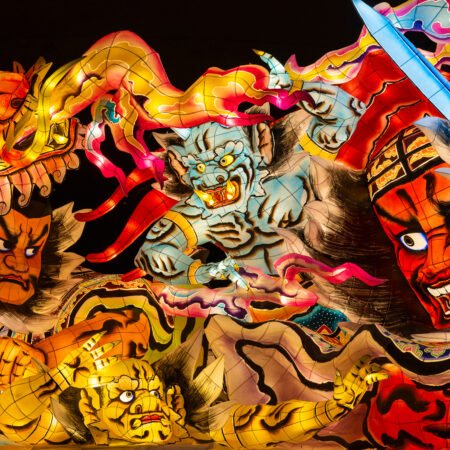
A quick note on photos: some of the images here are stock photos I’ve used to set the mood — they may not be the exact spot or moment I’m describing, just close in spirit.


コメント