





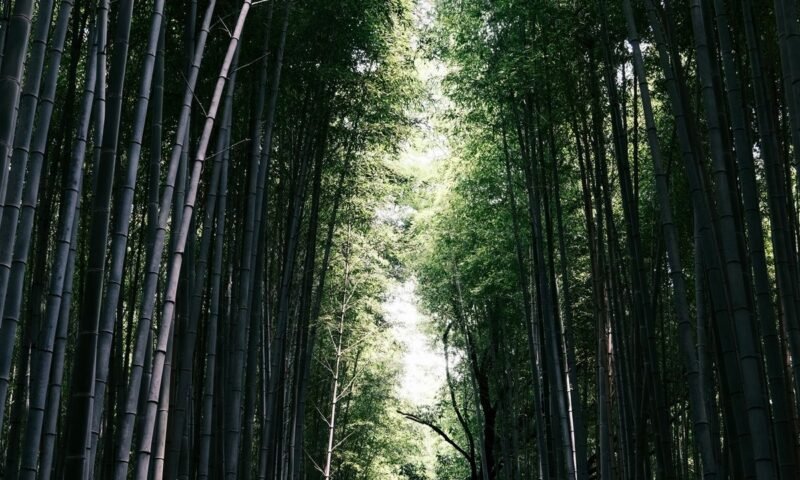
I came to Shuzenji Onsen on a grey February afternoon, mostly because I wanted somewhere quiet to finish a translation job and a hot spring to soak in afterwards. I hadn’t planned on ghosts. But the Katsura River running through the middle of town is lined with bamboo groves and small stone markers, and it took about twenty minutes of walking before I noticed how many of them pointed toward the same man: Minamoto no Yoriie, the second shogun of the Kamakura shogunate, who was exiled here at twenty and murdered here at twenty-one. Eight hundred years on, the town still hasn’t quite let him go.
A Shogun Sent to Soak, Not to Rule
Yoriie inherited the shogunate from his father, Minamoto no Yoritomo, in 1199, while still a teenager. He didn’t hold real power for long. According to the Azuma Kagami, the chronicle compiled under Hojo patronage, a power struggle within his own regime culminated in September 1203 with the killing of his father-in-law’s rival clan, the Hiki, and the death of his young son Ichiman in the fighting. Yoriie was stripped of his title, forced to take Buddhist vows, and sent to Izu — to Shuzenji, a temple town built around a hot spring that, by tradition, the monk Kukai had discovered centuries earlier. He arrived as a monk in name. He left, less than a year later, as a corpse.
What happened to him in the meantime is where the history and the legend start to separate, and I think a writer owes readers some honesty about which is which. The Azuma Kagami, our main contemporary source, is frustratingly brief about his actual death: it notes only that word of it reached Kamakura on the nineteenth day of the seventh month of 1204. It was compiled by the same Hojo administration that benefited from his removal, so historians have long treated its silences as their own kind of evidence. Other court-side records of the period, including the Gukansho, are more direct, describing Yoriie resisting hard before being subdued and killed. Exactly how, and exactly who gave the final order, is still debated by specialists today, and I’d rather leave it there than pretend any single version is settled fact.
The Bath Where the Story Still Lives
What everyone agrees on is the setting: he was killed while bathing, in the very onsen town built for soaking away exactly the kind of stress he’d just lost his throne over. Locally, the Hakoyu bathhouse in the centre of Shuzenji is pointed to as the legendary site of the killing — “legendary” being the operative word, since no contemporary record names the specific bath. I went and sat in it anyway, partly out of morbid curiosity and partly because, legend aside, it’s one of the better public baths in town, rebuilt in the year 2000 after the original fell into disuse.
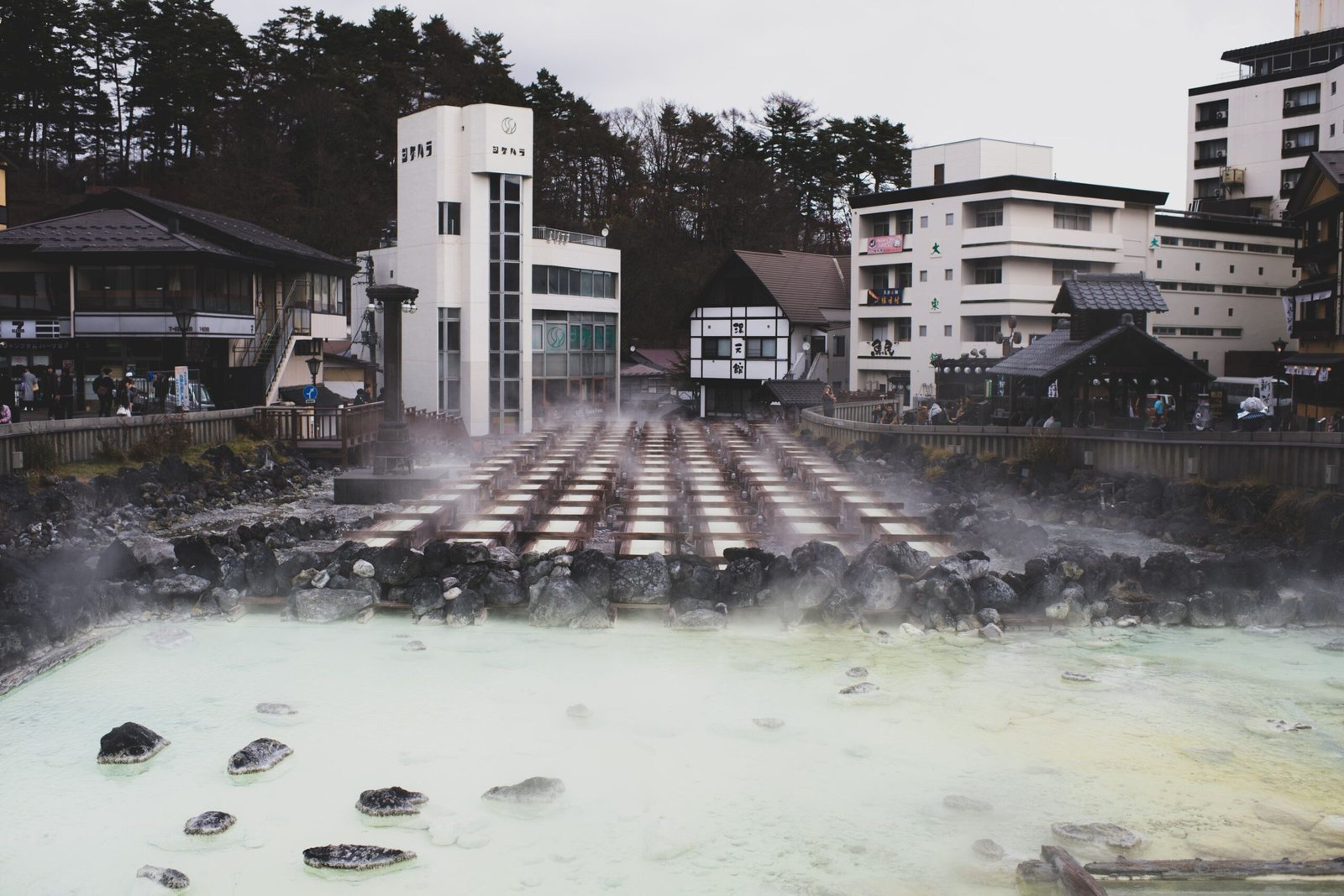
There’s a twelve-metre watchtower attached to the bathhouse now, and on the afternoon I visited, two elderly men were discussing fishing, not shoguns, which felt like the appropriate way for a quiet hot spring town to carry its own dark history: lightly, and mostly for the benefit of outsiders like me who come looking for it.
Shigetsuden: A Mother’s Answer to the Silence
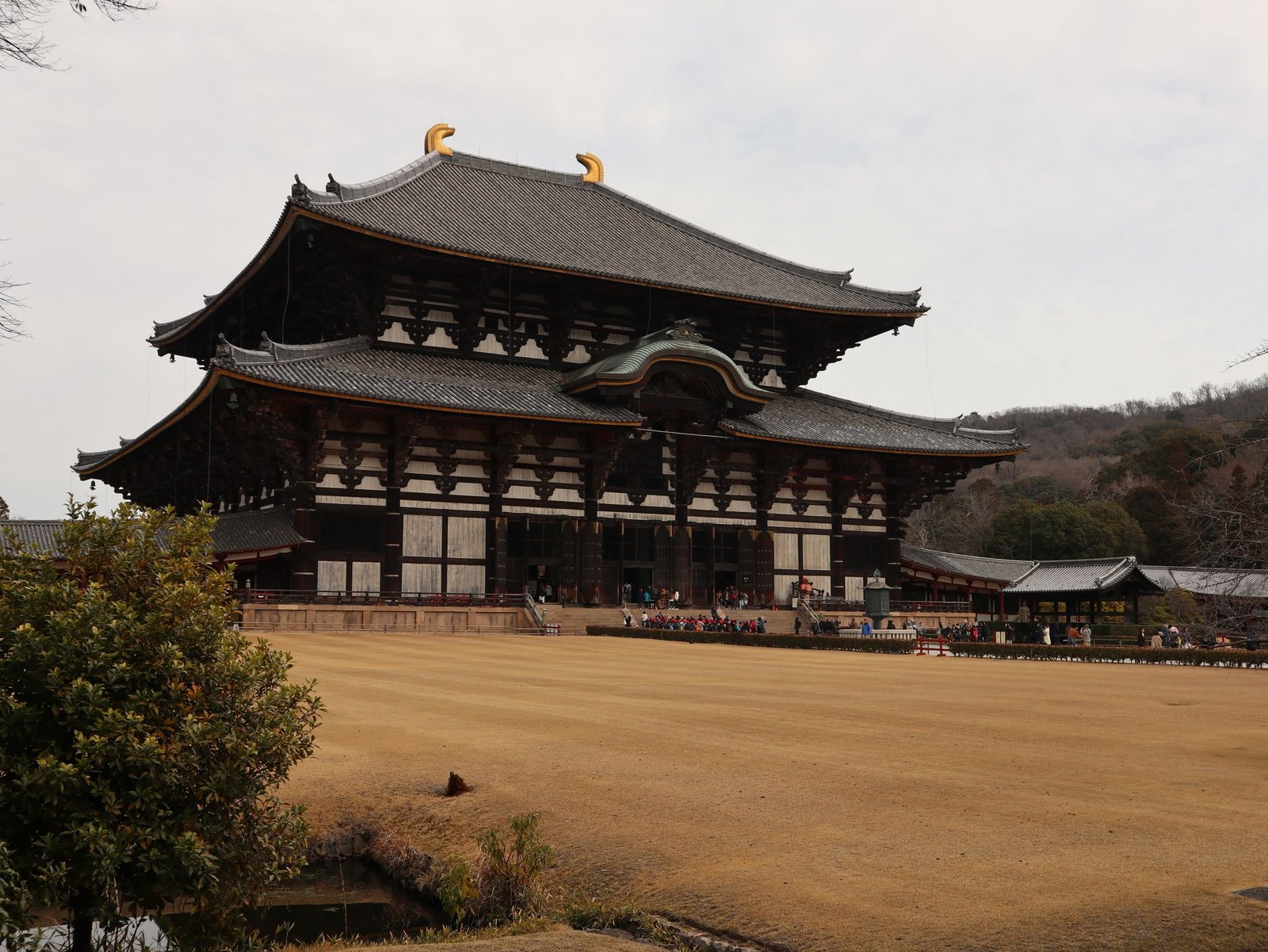
The more affecting site, I thought, was Shigetsuden, a small sutra hall a short walk from the main temple. Tradition holds that Yoriie’s mother, Hojo Masako — whose own family had likely ordered his death — had it built for the repose of his spirit. Whatever she did or didn’t know about the killing, the hall reads as an act of grief that outlasted the politics. It’s said to be among the oldest wooden structures still standing in Izu, and its principal image, a seated Shakyamuni Buddha, was reportedly her donation. Nearby, in what’s now called Genji Park, is a grave attributed to Yoriie, along with smaller gravestones said to belong to retainers who died alongside him or soon after.
Shuzenji Temple’s small museum keeps an old wooden mask, scarred by a long crack down its face, that temple tradition links to Yoriie, though nobody can say with any confidence what it actually depicts or when it was carved. Its real fame came later, in 1911, when the playwright Okamoto Kido used it as the inspiration for his kabuki play Shuzenji Monogatari, a fictional story about a mask-maker whose daughter dies wearing a likeness of the doomed shogun. The play has nothing to do with historical fact, but it’s a good example of how a half-legible relic in a quiet temple can quietly seed a century of storytelling.
A Town That Still Remembers Him
Every July, Shuzenji holds the Yoriie Festival, with a procession and a memorial service at his grave — less a ghost story than a long-running act of civic memory for a young man whose entire short reign was decided by people other than himself. That, more than any rumour of a restless spirit, is what stayed with me after I left: a temple town that has spent eight centuries quietly insisting that a murdered twenty-one-year-old shouldn’t be forgotten, even though the official record barely blinks at his death.
If you go, Shigetsuden and Shuzenji Temple are both freely accessible to the public during normal visiting hours, and Hakoyu operates as an ordinary public bath that welcomes visitors — check current hours locally, as these can change. Treat the grave in Genji Park and the gravestones nearby as what they are: a real burial site, not a photo backdrop, and keep your voice down if you visit during the July festival. As with any hot spring town, be mindful of other bathers and follow posted onsen etiquette. And resist the urge to treat an eight-hundred-year-old political killing as cheap entertainment — the people who still turn out every July for the Yoriie Festival clearly don’t.
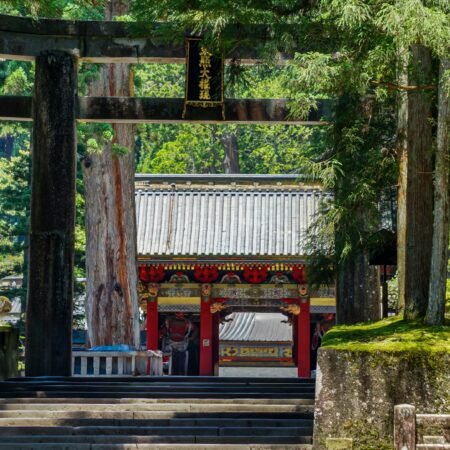
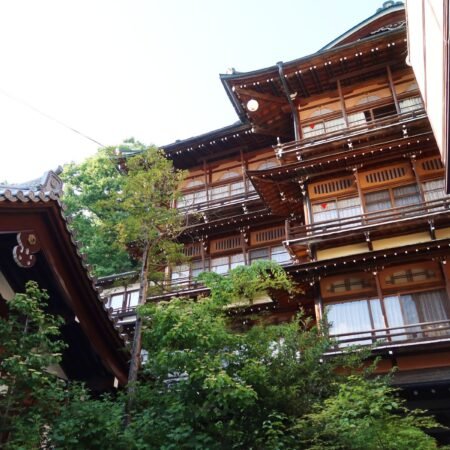
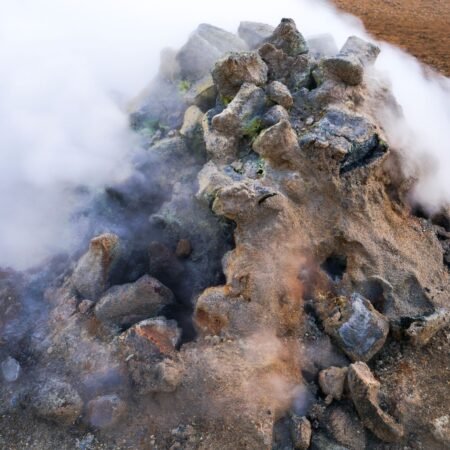
Note: images accompanying this article are illustrative stock photos and do not necessarily show the specific site discussed.
コメント