





I went to Hikone expecting to be impressed by a four-hundred-year-old castle. I did not expect to get completely upstaged by a cat.
It was a crisp October afternoon, the kind where Lake Biwa turns a flat, silver-blue and the air finally stops feeling like soup. I’d taken the train out from Kyoto on a whim, mostly because a Japanese coworker kept saying “you have to see Hikonyan” with the kind of reverence most people reserve for temples. I had no idea what a Hikonyan was. By the end of the day, I understood completely.
A Keep Older Than the Castle Around It
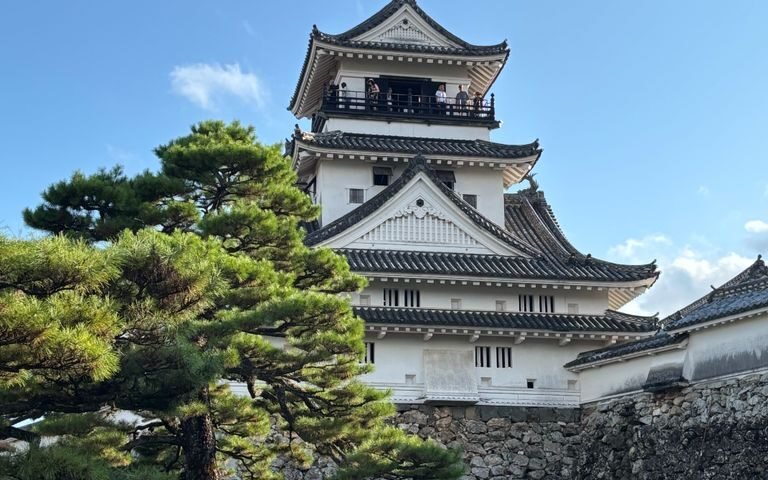
Hikone Castle sits on a low hill a fifteen-minute walk from Hikone Station, and from the moment you spot the tenshu — the main keep — rising out of the pines, you can tell this isn’t a concrete reconstruction. It’s the real thing. Construction began around 1603 under Ii Naomasa, one of Tokugawa Ieyasu’s most trusted generals, and was finished by his son, Ii Naokatsu, in 1622. The Ii family then governed the castle and its domain for the next two and a half centuries, all the way until 1874.
Here’s the detail that got me, though: the keep itself is even older than the castle it sits in. It was originally built in 1575 at Otsu Castle and later dismantled and moved here piece by piece — a very Japanese approach to not letting good lumber go to waste. Today Hikone is one of only twelve castles in the entire country that still has its original keep, untouched by fire, earthquake, or reconstruction crews, and one of just five castle keeps designated a National Treasure, a status it’s held since 1952.
It almost didn’t make it that far. During the Meiji era, the government ordered most of Japan’s feudal castles torn down, and Hikone was slated for demolition right along with them. The story goes that it was saved at the last minute by a direct request from the emperor himself. Standing under the keep’s steep, narrow staircases — genuinely a workout, built to slow down any invading army — I kept thinking about how close this whole hill came to being a parking lot.
The Cat That Upstaged a Samurai Clan
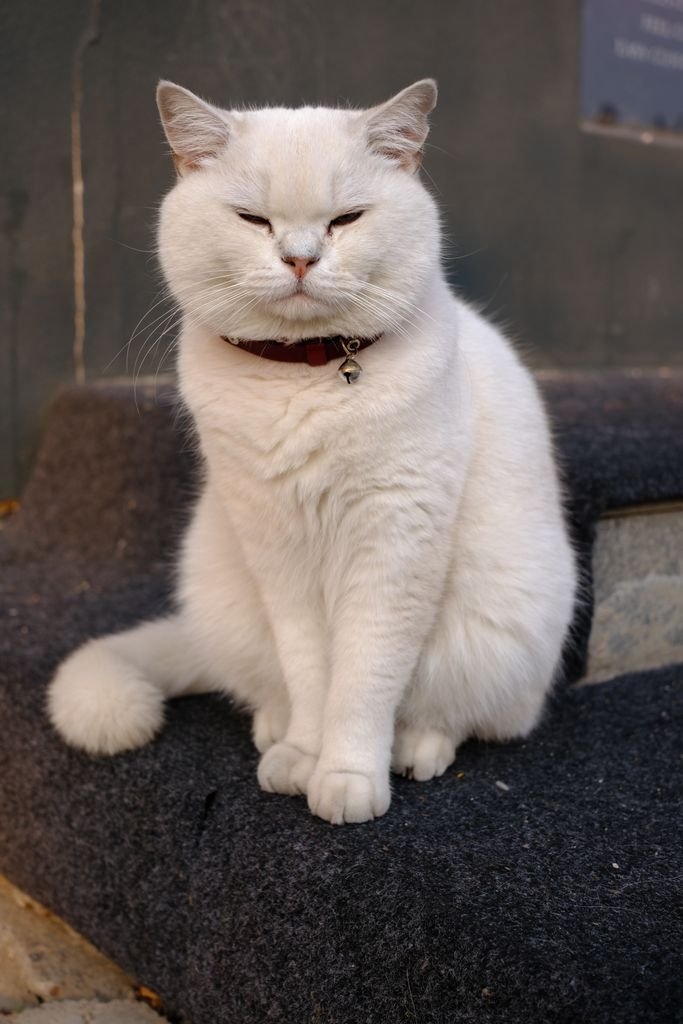
And then, Hikonyan. If you haven’t met him, Hikonyan is a plump white cat wearing a bright red samurai helmet modeled directly on Ii Naomasa’s own armor — tiny golden horns and all. He’s the castle’s official mascot, created for Hikone’s 400th anniversary back in 2006, and he is, somehow, one of the most beloved characters in all of Japan’s famously crowded mascot universe.
The backstory ties into one of the country’s most-told cat legends. As the tale goes, Ii Naotaka, the third lord of Hikone, was out falconing near Edo when a white cat at Gotokuji Temple raised a paw and beckoned him inside, just moments before a thunderstorm broke. Sheltered and grateful, Naotaka became a patron of the temple — and that beckoning cat is one of the stories credited with starting Japan’s whole maneki-neko, “beckoning cat,” tradition. Hikonyan is the castle’s furry nod to that story, and a few times a day, weather permitting, he comes out near the keep and the castle museum to wave at a crowd of visitors who, without exception, lose their minds a little. I include myself in that. I have never seen that many grown adults make that particular sound at the same time.
Getting Pleasantly Lost in Genkyuen
After I’d recovered from Hikonyan, I wandered down into Genkyuen, the garden tucked against the castle’s northeastern side. It was laid out in 1677 by Ii Naoki, the fourth lord, and designed to recreate the “Eight Views of Omi” — a set of classic, poem-worthy lake landscapes — within one walkable garden. A path loops around a central pond dotted with little islands and connected by stone bridges, and if you catch the angle right, the castle keep appears framed above the trees like it was staged that way on purpose, which, honestly, it probably was.
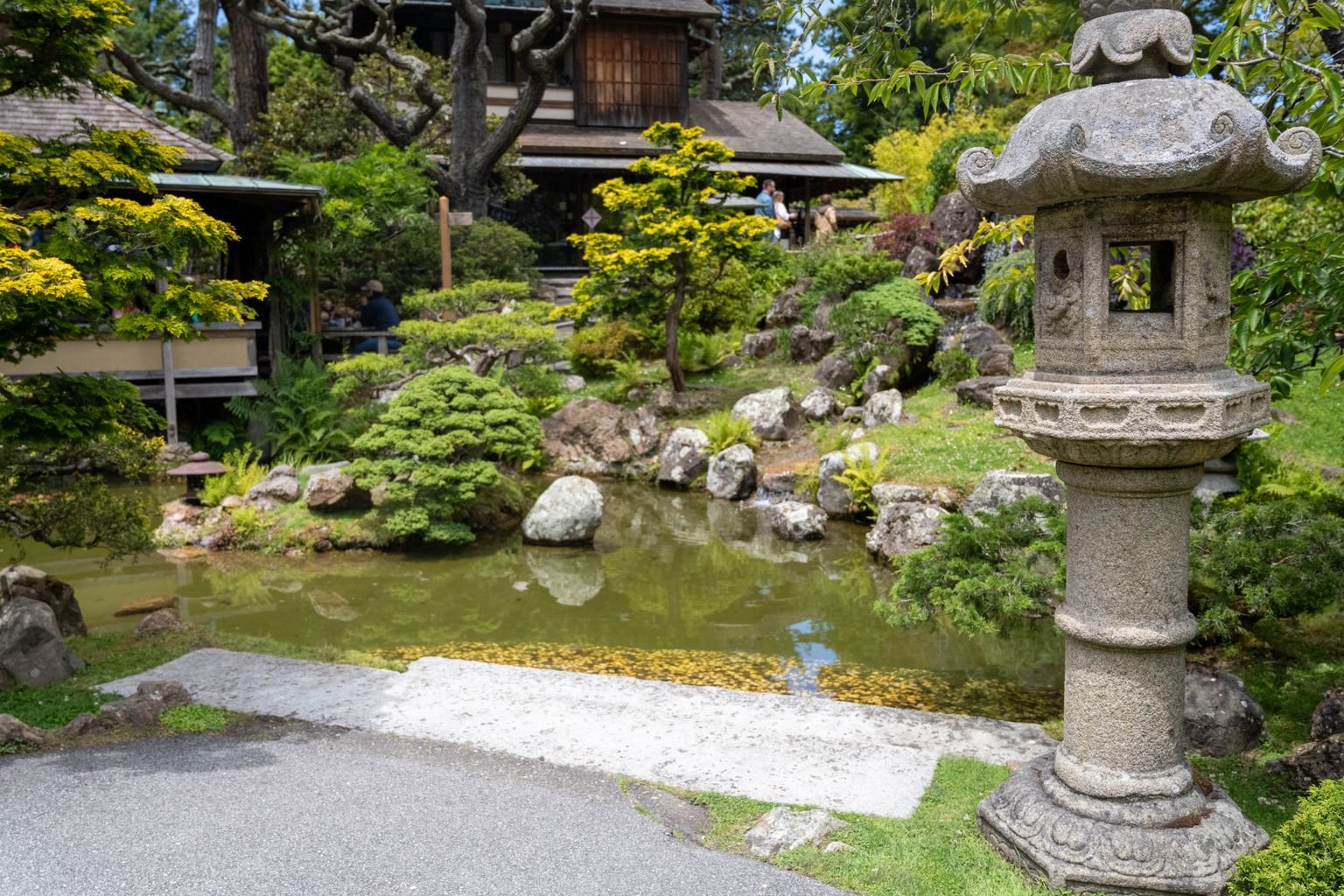
I was a few weeks early for peak color — Genkyuen runs a foliage light-up event each November that I’m already planning to come back for — but even in late October the maples were just starting to blush at the edges, and the garden was quiet enough that I had entire stretches of the path to myself. There’s a teahouse by the pond where you can sit with matcha and watch koi drift under the bridges, which is exactly what I did for far longer than I meant to.
If You Go
Hikone is an easy day trip from Kyoto or Nagoya on the JR Biwako Line, and the castle, museum, and Genkyuen are all walkable from the station in one loop — give yourself at least half a day. Spring brings over a thousand Yoshino cherry trees planted around the moat back in 1934, and they’re apparently spectacular, but I liked having the castle mostly to myself in autumn. Check the current Hikonyan appearance schedule before you go, since it shifts with the season and the weather, and don’t skip the walk up into the keep itself even if your knees complain on those staircases — the view out over the castle town and toward Lake Biwa is worth every step.
I came to Hikone for a national treasure and left slightly obsessed with a cartoon cat, which feels about right for Japan. Sometimes the four-hundred-year-old fortress and the beckoning cat legend turn out to be telling the same story about this place, just from two very different heights.
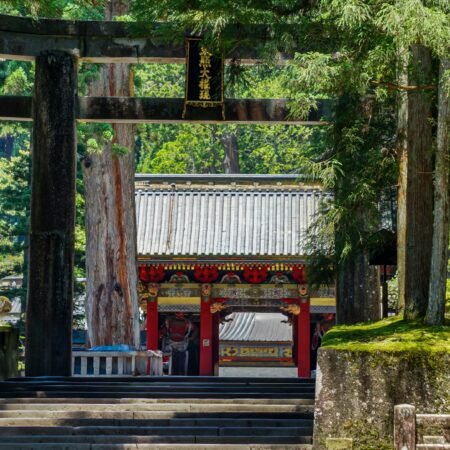
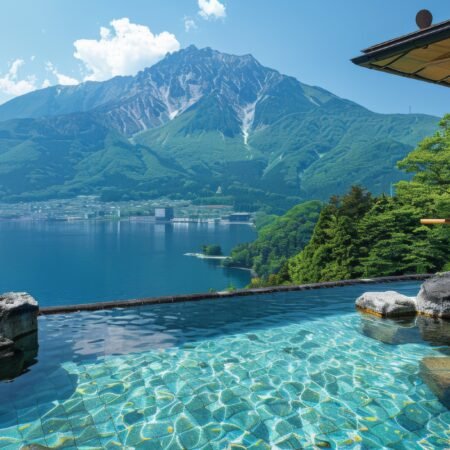
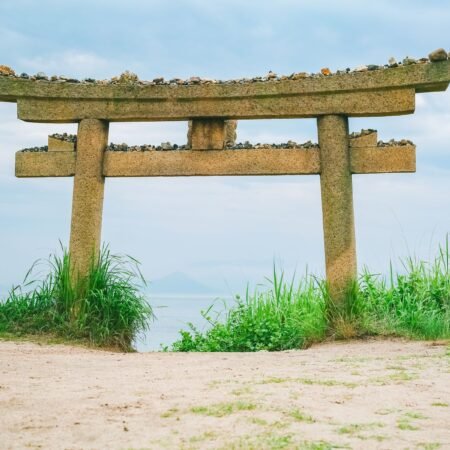
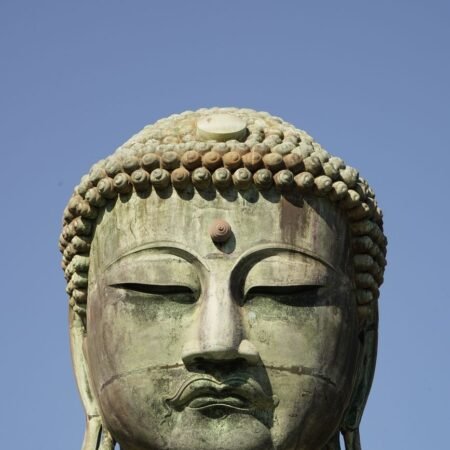
A quick note on photos: some of the images here are stock photos I’ve used to set the mood — they may not be the exact spot or moment I’m describing, just close in spirit.
コメント