





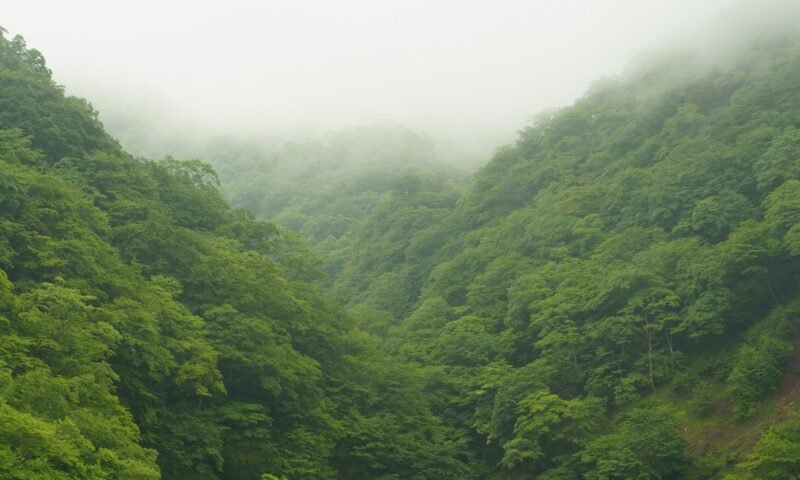
The fog was thick enough that I lost the summit entirely, and that is really the point of Mount Takao at six in the morning. I had taken the first cable car up from Kiyotaki Station, and by the time I reached the approach to Yakuo-in, the famous temple halfway up the mountain, the mist had turned the cedar trees into charcoal sketches of themselves. I was alone on the path — or I thought I was, until I passed the Tengu-sha, the small shrine where visitors leave offerings of straw sandals and wooden geta, sized for feet I would not want to meet. Someone, recently, had left a fresh pair. I have hiked this mountain more times than I can count, and I still have not worked out whether that small unease I feel at the Tengu-sha is reverence or something closer to being watched.
Mount Takao, at 599 metres on the western edge of Tokyo, is an odd place to go looking for ghost stories, mostly because it refuses to be spooky in any straightforward sense. It is, by most counts, one of the most climbed mountains on earth, helped along by a cable car that has been hauling day-trippers up its slopes since 1927, and it carries a three-star rating in the Michelin Green Guide Japan, awarded in 2007, for scenery that is genuinely spectacular rather than merely convenient. Families come for the autumn colours. Office workers come for a Sunday walk that does not require a weekend away. And yet the mountain’s spiritual core, the temple of Yakuo-in Yuki-ji, is guarded — in wood, in stone, and in centuries of belief — by tengu, the long-nosed, sometimes winged figures who occupy one of the stranger corners of Japanese folklore: not quite demons, not quite gods, and not, by most traditional accounts, anything you want to disrespect on their own mountain.
A Temple Built Twice
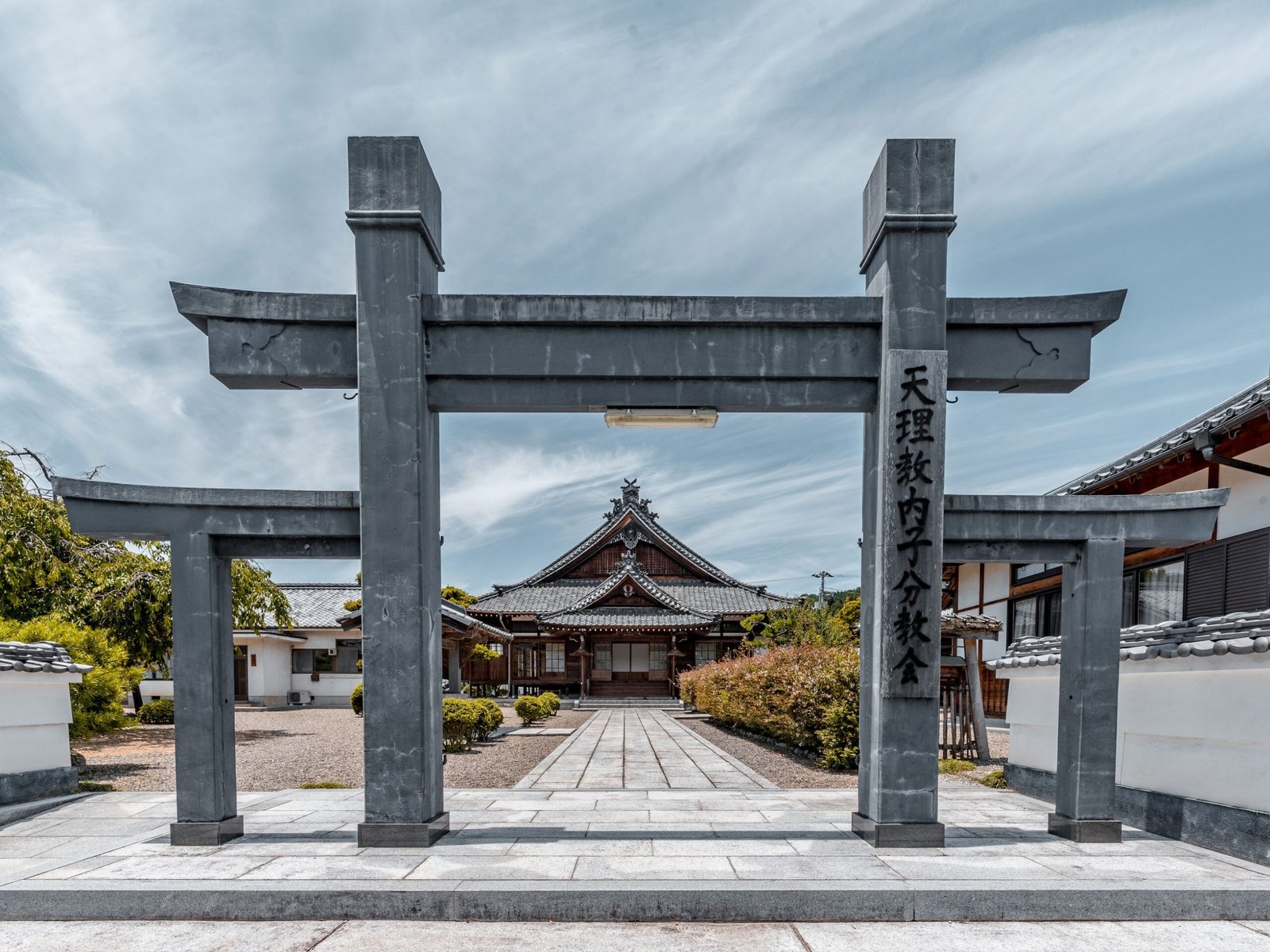
Yakuo-in’s history, as the temple itself records it, begins in 744, when the priest Gyoki founded it on the orders of Emperor Shomu, intending it as an eastern outpost of Buddhist practice far from the capital. For centuries it functioned as a fairly conventional mountain temple. Its second, and in many ways more important, founding came later, in the Eiwa era of the late 1370s, when a priest named Shungen Daitoku arrived from Mount Daigo near Kyoto. According to temple tradition, Shungen performed a goma fire ritual to the fierce protector deity Fudo Myo-o and, in the course of it, received a vision of Izuna Daigongen — a composite deity said to combine the attributes of Fudo Myo-o with Karuraten, Dakiniten, Kangiten, and Benzaiten. Shungen enshrined Izuna Daigongen as Yakuo-in’s principal object of worship, and the temple has been built around that figure ever since. Today Yakuo-in stands as one of three head temples of the Chisan school of Shingon Buddhism, alongside Narita-san Shinsho-ji and Kawasaki Daishi — serious ecclesiastical company for a temple that most visitors associate, first and foremost, with its long-nosed guardians.
The Guardians at the Gate
It is Izuna Daigongen’s relationship to the tengu that gives Mount Takao its particular flavour of unease. Temple tradition describes the tengu here not as independent spirits but as messengers and attendants of the deity — figures tasked, in the temple’s own words, with chastising the wicked and protecting the good. At the Izuna Gongen-do hall, two carved tengu stand guard: a smaller, crow-beaked karasu-tengu, traditionally read as a figure still in training, and a larger, big-nosed daitengu, likened to a yamabushi — a mountain ascetic — who has completed his austerities. Between them they sketch out a kind of moral hierarchy, apprentice and master, both watching the same gate.
Across Japan, mountain communities have long used tengu to explain the inexplicable — a hiker who loses the trail for an afternoon and cannot say how, a woodcutter who hears his name called from an empty grove. The folk term is tengu-kakushi, “spirited away by tengu,” and it belongs to the same family of belief as the fox-fires and kappa warnings I have written about on other mountains and riverbanks. I want to be careful here: I have not found a documented case of this tradition being tied to a specific person on Takao itself, and local accounts should be read as exactly what the temple calls them — denshō, things that are said, rather than claims of fact. What is verifiable is the architecture of belief itself: a mountain whose official religious iconography casts its supernatural residents as enforcers, and a visiting public that still, a little self-consciously, leaves offerings of sandals at the Tengu-sha so their own feet might be spared.
Walking the Mountain the Tengu Are Said to Watch
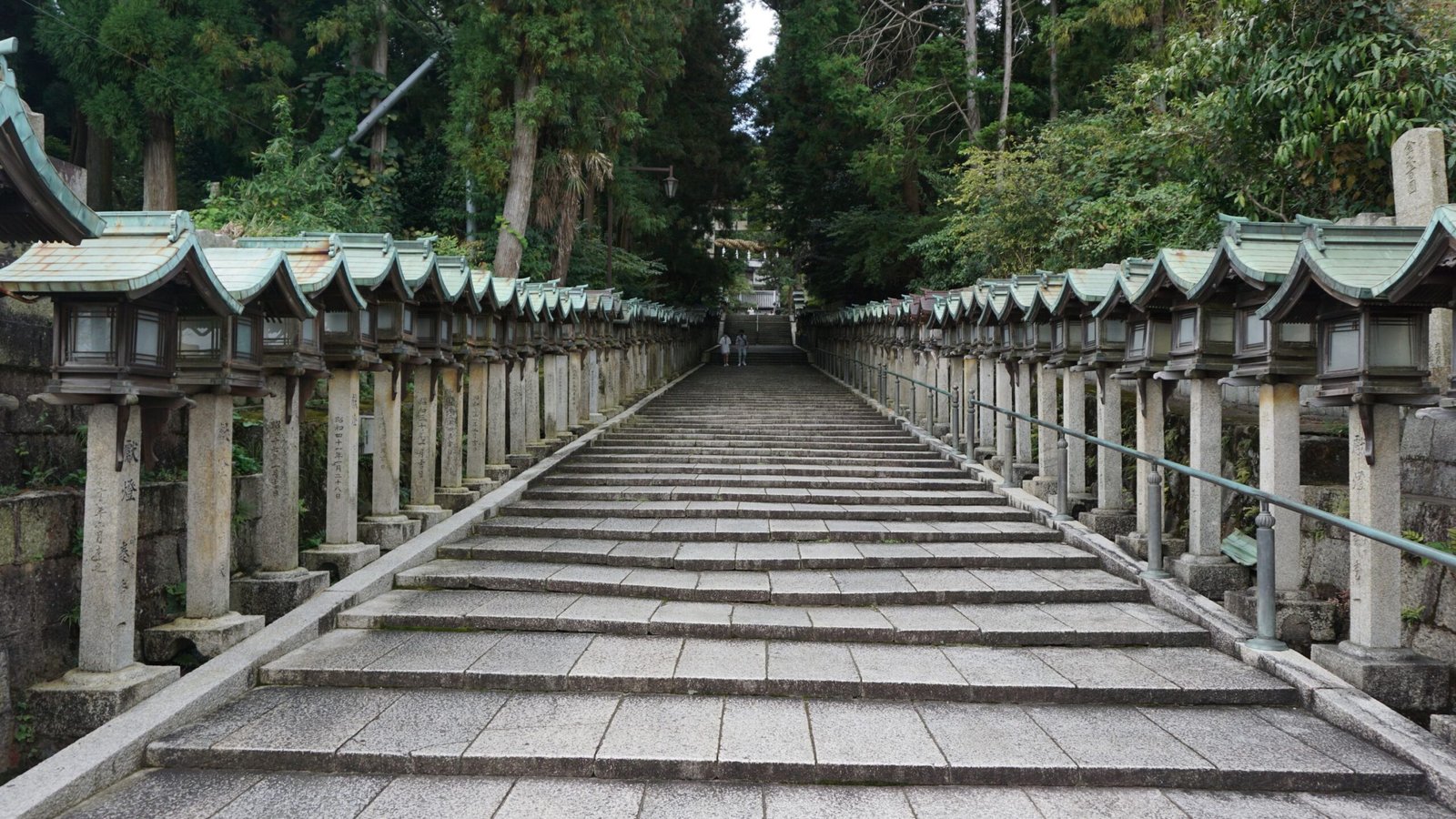
Trail 1, the main paved approach, is the route most people take, and it is the one that runs directly past Yakuo-in on its way to the summit — roughly ninety minutes on foot from the base, considerably less if you take the cable car or chairlift partway up, as I did that foggy morning. Along the way you pass the temple’s main hall, the Izuna Gongen-do, assorted subsidiary shrines, and racks of tengu-themed charms and carved masks sold as souvenirs rather than as anything more serious. If you plan ahead — reservations are needed a couple of days in advance — Yakuo-in’s Daihonbo hall serves a vegetarian shojin ryori set meal that, tengu aside, is one of the more memorable ways to eat your way up a Japanese mountain. In early spring, the temple also holds a fire-walking ceremony conducted by its yamabushi practitioners, a startling, very physical demonstration of exactly the austerities the daitengu statue is meant to represent.
None of this requires venturing off the marked paths, and that is worth saying plainly: everything described here sits on Yakuo-in’s normal, publicly accessible grounds and Trail 1’s well-maintained route. There is no abandoned building to sneak into, no fence to climb, and nothing here rewards treating a working Buddhist temple as a prop for a thrill.
If you do go looking for the tengu of Takao, go in daylight if you can, stay on the marked trails — the mountain’s slopes are steeper and more slippery than the crowds at the base station suggest — and treat the Izuna Gongen-do and its guardian statues the way you would any other active place of worship: no climbing on the carvings, no loud conversations in the hall, and a respectful distance from anyone there to pray rather than to sightsee. Leave an offering at the Tengu-sha if you like, but leave it because the custom asks it of you, not because you are hoping to settle a debt with something watching from the trees. Whatever the fog conceals up there, it has had thirteen centuries of visitors, and it has never needed anyone’s panic to keep its reputation intact.
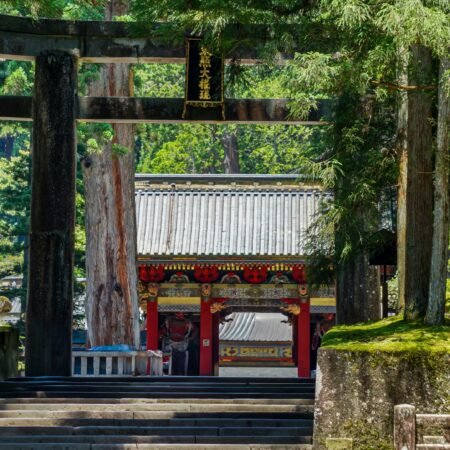
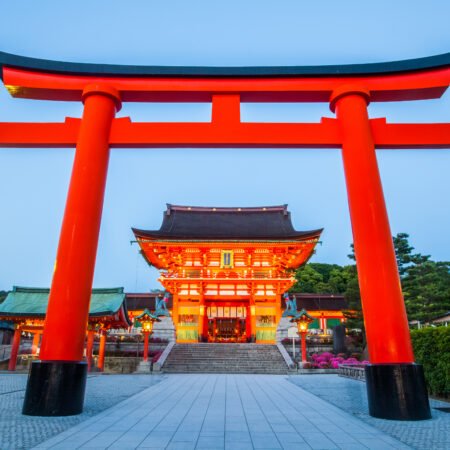
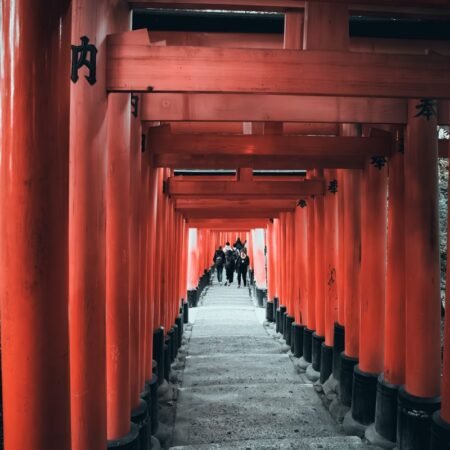
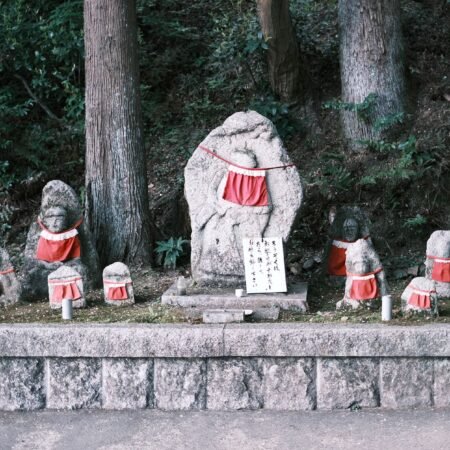
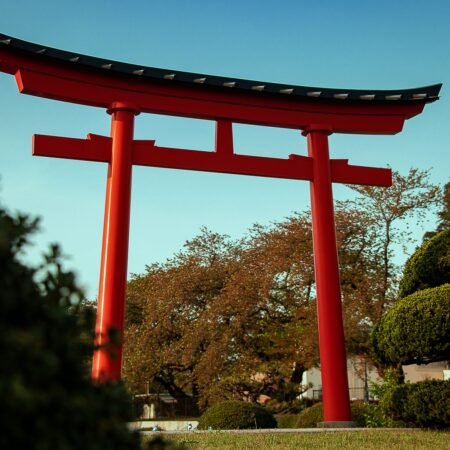
Note: images accompanying this article are illustrative stock photos and do not necessarily show the specific site discussed.

コメント