





There is a narrow lane behind Kiyomizu-dera, just east of Yamato-oji-dori, where the tour buses never turn. I found it almost by accident one humid afternoon in August, chasing a reference in an old guidebook to a temple with the unusual nickname “Rokudo-san.” I wasn’t prepared for what I found: a quiet gate, a hanging rope worn smooth by generations of hands, and, somewhere behind the main hall, a well that local tradition says a Heian-era bureaucrat once used to commute to hell. Not metaphorically. Nightly.
The temple is called Rokudo Chinnoji, and it has sat on this spot, mostly unnoticed by the crowds heading up to Kiyomizu, for well over a thousand years. I came back three times before writing this, partly because the story kept getting stranger the more I read, and partly because I wanted to be there in August, when the rope gets pulled all day and the neighbourhood briefly remembers why the place is named what it is.
A Crossroads Between Six Worlds
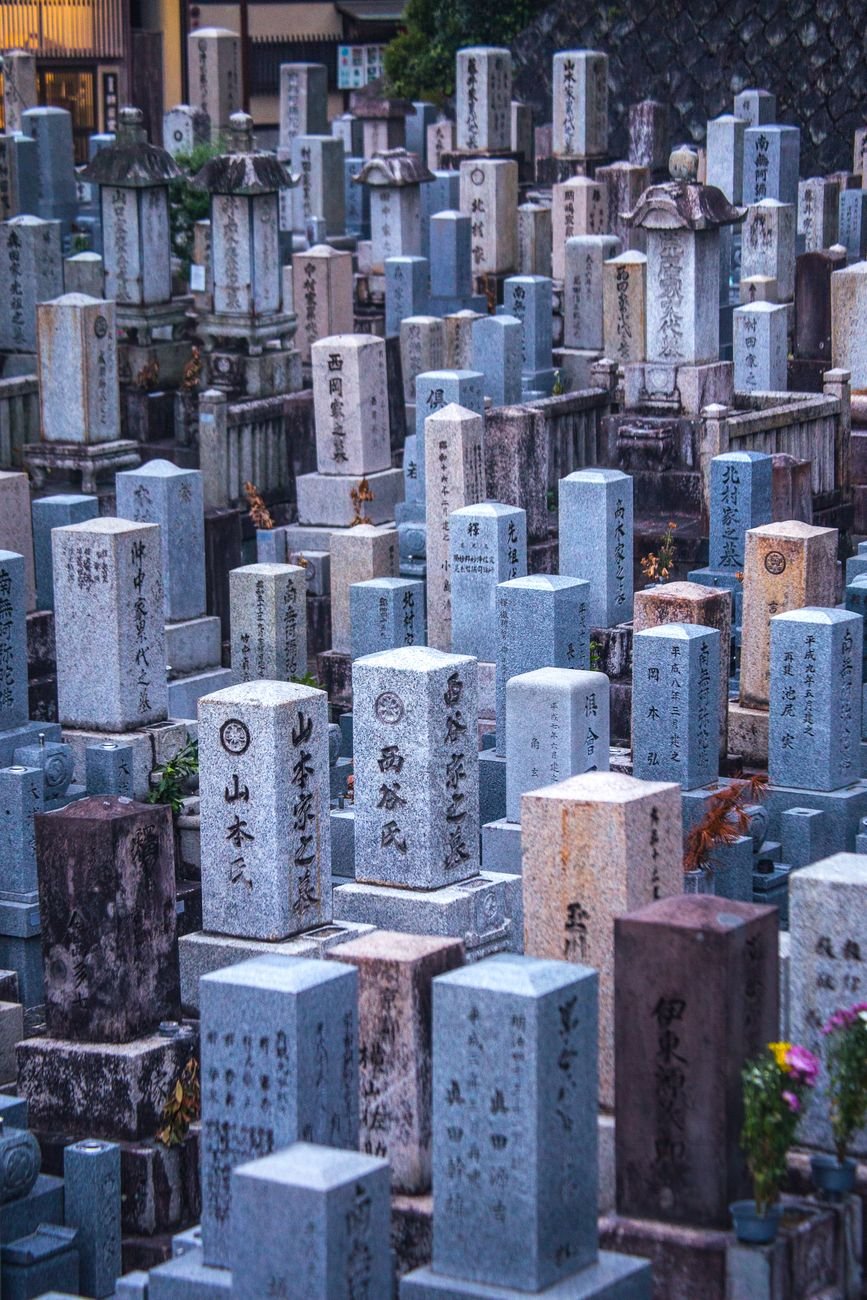
Rokudo Chinnoji was founded in 836 and belongs to the Kennin-ji school of Rinzai Zen Buddhism, though its roots reach back further than any single sect. In the Heian period, the area was part of Toribeno, a vast burial ground stretching from the base of Kiyomizu-dera down past Rokuharamitsu-ji and north toward what is now Chion-in, where, according to local tradition, the bodies of the poor and unclaimed were sometimes left in the open, in an era before cremation and family grave plots were standard for most people.
Because of that, the intersection near the temple became known as “Rokudo no Tsuji,” the crossroads of the six realms, which in Buddhist cosmology are hell, the realm of hungry ghosts, the realm of beasts, the realm of fighting spirits, the human realm, and the heavenly realm. This spot was said to sit right on the boundary between all of them, and between this world and the next, an idea that appears in the Konjaku Monogatari, a collection of setsuwa tales from the late Heian period.
Whether or not you take any of that literally, the neighbourhood still leans into it quietly: narrow lanes, old stone markers, a graveyard still in active use directly behind the temple grounds. It doesn’t try to be spooky. It simply never stopped being what it was.
The Commuter Who Served in Hell
The story that put Rokudo Chinnoji on the map, for people like me at least, centres on a real historical figure: Ono no Takamura, a Heian court official, celebrated poet, and calligrapher who lived from roughly 802 to 853. By day, the story goes, he served Emperor Saga as an ordinary, if famously sharp-tongued, bureaucrat. By night, according to the legend, he slipped away to a very different job, judging the souls of the dead in the court of Enma, the king of hell, before returning to his desk each morning.
The temple’s own tradition holds that Takamura made this commute through a well now in the temple’s back garden, sometimes called the well of passage to the underworld, and that a second well nearby, known as the well of Yomigaeri, or “return,” was how he came back each time. A small shrine on the grounds, Takebayashi Daimyojin, is dedicated to him, and the temple still keeps a wooden statue said to depict him, along with votive ema plaques bearing his likeness.
I’ll say this plainly, because it matters more to me than a good punchline: nobody is claiming Takamura literally held a second job in the afterlife. This is a denshō, a story handed down through centuries, best read as a way of making sense of a man renowned for his intellect and his unsettling, otherworldly reputation, in a city that already associated this patch of ground with the border of the next world.
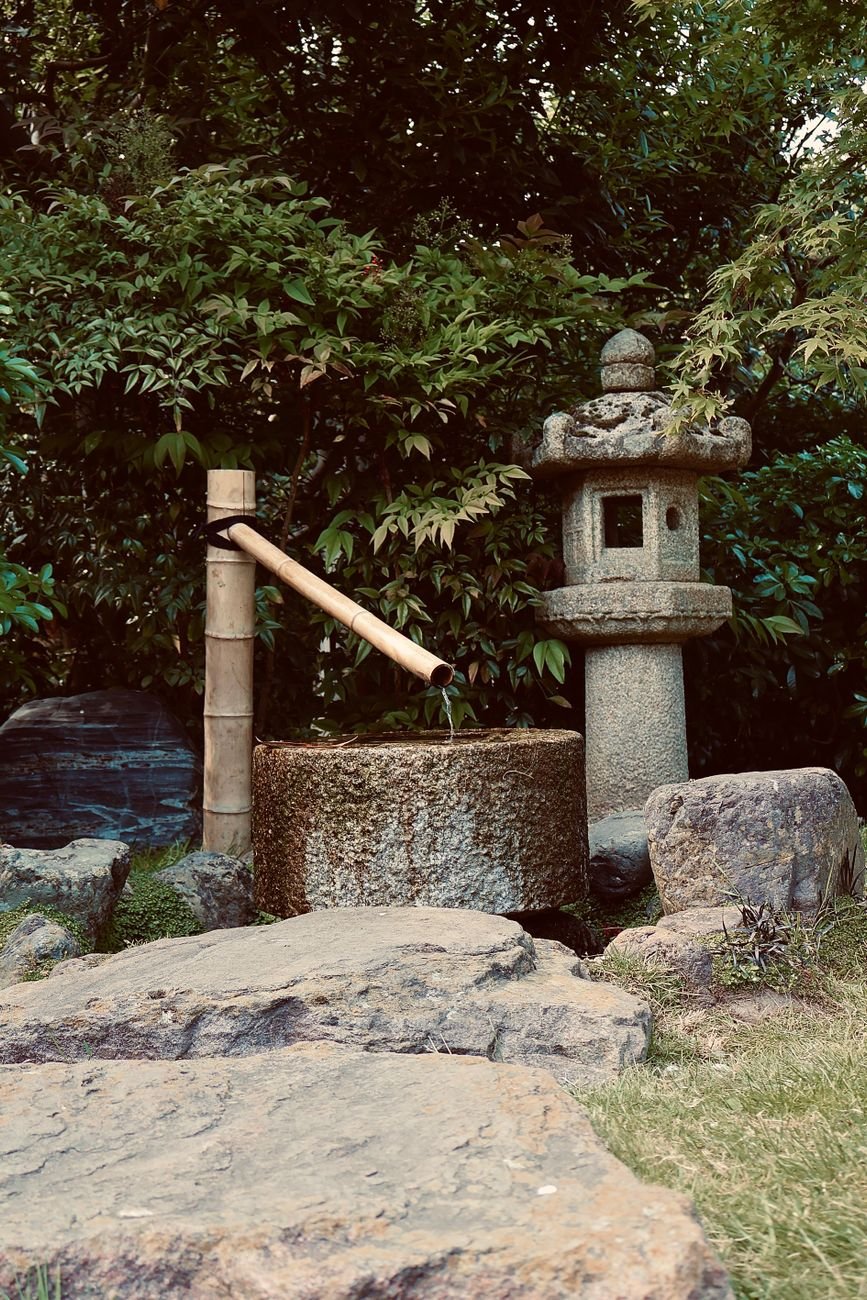
One detail genuinely surprised me: the well itself isn’t something you can simply walk up and photograph. It sits behind the main hall, off the regular visiting route, closed to casual visitors for most of the year. When the team behind the 2025 video game Onimusha: Way of the Sword wanted to recreate the site digitally, they reportedly needed the City of Kyoto’s help just to get access for reference photos, that’s how far off-limits it is. It says something honest about the temple’s own relationship to the legend: they’re not running a haunted-house attraction. They’re custodians of a story, and a well, that they treat with real reserve.
Ringing a Bell That Reaches the Underworld
The reason to time a visit for early August is a ritual called Rokudo Mairi, held each year from the 7th to the 10th, right at the start of Kyoto’s Obon season, when ancestral spirits are traditionally believed to return home to be with their families for a few days.
At Rokudo Chinnoji, the welcoming happens at a bell. It isn’t visible, it hangs inside a small structure near the gate, but a rope dangles out through the wall, and during Rokudo Mairi a steady queue of people take hold of it and ring the bell themselves, pushing it forward rather than pulling it back the way most temple bells are rung. Tradition holds the sound carries down into the underworld itself, said in some tellings to be audible as far away as China, calling a family’s ancestors home for the holiday. Historically, visitors also bought pine branches at the temple and lowered them into the well, so returning spirits would have something to hold on to on the way up.
A few streets away, at Yata-dera, there’s a companion custom I find oddly touching: a bell rung at the end of Obon, the okuri-gane, or “sending bell,” to help the same spirits find their way back. Welcomed in at one end of the festival, sent off at the other, by two temples quietly handling opposite ends of the same errand for a thousand years.
Visiting With Some Care
Rokudo Chinnoji is an easy place to visit responsibly, mostly because it never stopped being a working temple with an active graveyard right behind it. The main gate is open daily from roughly 9am to 4pm, admission is free, and it’s about a twelve-minute walk from Keihan’s Kiyomizu-Gojo Station. The wells and the temple’s hell-themed paintings are generally not on public display outside special exhibition periods, so don’t arrive expecting a themed tour of the underworld; that reserve is part of what keeps this a place of quiet devotion rather than a stop on a ghost-hunting checklist.
If you do go, treat it as what it still is: a cemetery. Keep your voice down, don’t climb on grave markers or stone lanterns, and don’t look for a way past the fencing to see the well; it’s closed to the public out of respect for an active religious site, not for theatrical effect. If you’re there during Rokudo Mairi, you’ll likely share the lane with elderly residents who have made this same short walk every summer of their lives, to ring the same bell for the same reasons their parents did. That’s worth more quiet observation than any amount of poking around for something eerie.
I’ve been back to that lane behind Kiyomizu-dera more times now than I can easily count, and I don’t think I’ve ever once felt unsettled there. What I’ve felt, more than anything, is the particular hush of a place that has kept doing the same quiet job, generation after generation, long after most of the city forgot why the crossroads outside it has the name it does.
Note: images accompanying this article are illustrative stock photos and do not necessarily show the specific site discussed.



コメント