





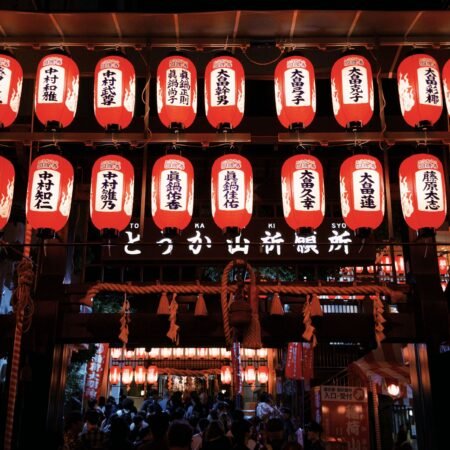
My friend Aiko texted me at 1:47 a.m.: “Be outside in 20 minutes. Wear shoes you don’t mind getting wet.” I’d lived in Fukuoka for exactly four days of my five years in Japan — most of that time I’ve spent in Tokyo and Kyoto — and I still said yes without asking a single follow-up question. That’s how I ended up standing on a dark street corner near Kushida Shrine at half past two in the morning, wedged between a grandmother with a thermos of barley tea and a group of guys in happi coats who hadn’t slept yet either, waiting for seven one-ton floats to come tearing around the corner. This was my introduction to Hakata Gion Yamakasa, and I’m still not sure I’ve recovered.
If you haven’t heard of it, Yamakasa is one of those festivals that doesn’t really travel outside Japan the way Gion Matsuri or the big fireworks festivals do, which is sort of wild considering it’s been running for roughly 785 years. It takes over Hakata, the old merchant district of Fukuoka City, every July 1st through 15th, and it builds toward a finale that happens at an hour most tourists are still asleep.
A Festival Born From a Plague and a Bucket of Holy Water
The story goes back to the 13th century, when a Buddhist priest is said to have been carried through plague-stricken Hakata on a float, sprinkling purification water over the streets to drive away sickness. Whether or not you take the legend literally, the festival that grew out of it is dedicated to Susanoo-no-Mikoto and centered on Kushida Shrine, which still functions as the spiritual home base for the whole two weeks. Today Yamakasa is registered as a UNESCO Intangible Cultural Heritage site, grouped with Japan’s other Yama, Hoko, and Yatai float festivals, and recognized domestically as an Important Intangible Folk Cultural Property. None of that paperwork matters much at 3 a.m., though — what matters is that it’s regular guys from seven neighborhoods taking two weeks of vacation every July to keep it alive.
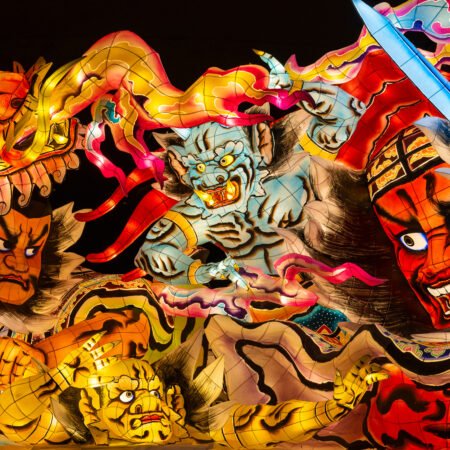
One thing that surprised me is that there are actually two completely different kinds of “yamakasa” floats, and most first-timers (myself included) mix them up before they arrive. The kazariyama are the towering, elaborately decorated display floats — more than ten meters tall, built by Hakata doll craftsmen, and installed at thirteen spots around the city from July 1st, including Kushida Shrine itself, the Kawabata covered shopping arcade, and outside Hakata Station. These are gorgeous and they don’t move an inch; they’re lit up at night and people line up to take photos in front of them right up until midnight on the 15th.
The Floats That Actually Run
The ones that move are the kakiyama — seven of them, one for each Nagare (the traditional neighborhood teams: Daikoku, Higashi, Nakasu, Nishi, Chiyo, Ebisu, and Doi), each weighing around a ton and held together entirely with rope, no nails. In the two weeks before the finale there’s a whole buildup of smaller runs — the Oshioitori sand-gathering ritual at Hakozaki Beach, practice runs called Nagaregaki through each neighborhood, and a full-dress rehearsal called Oiyama-narashi a few days before the real thing. By the time I showed up, locals had already been running these floats through the streets for over a week, and the whole city felt slightly electric.
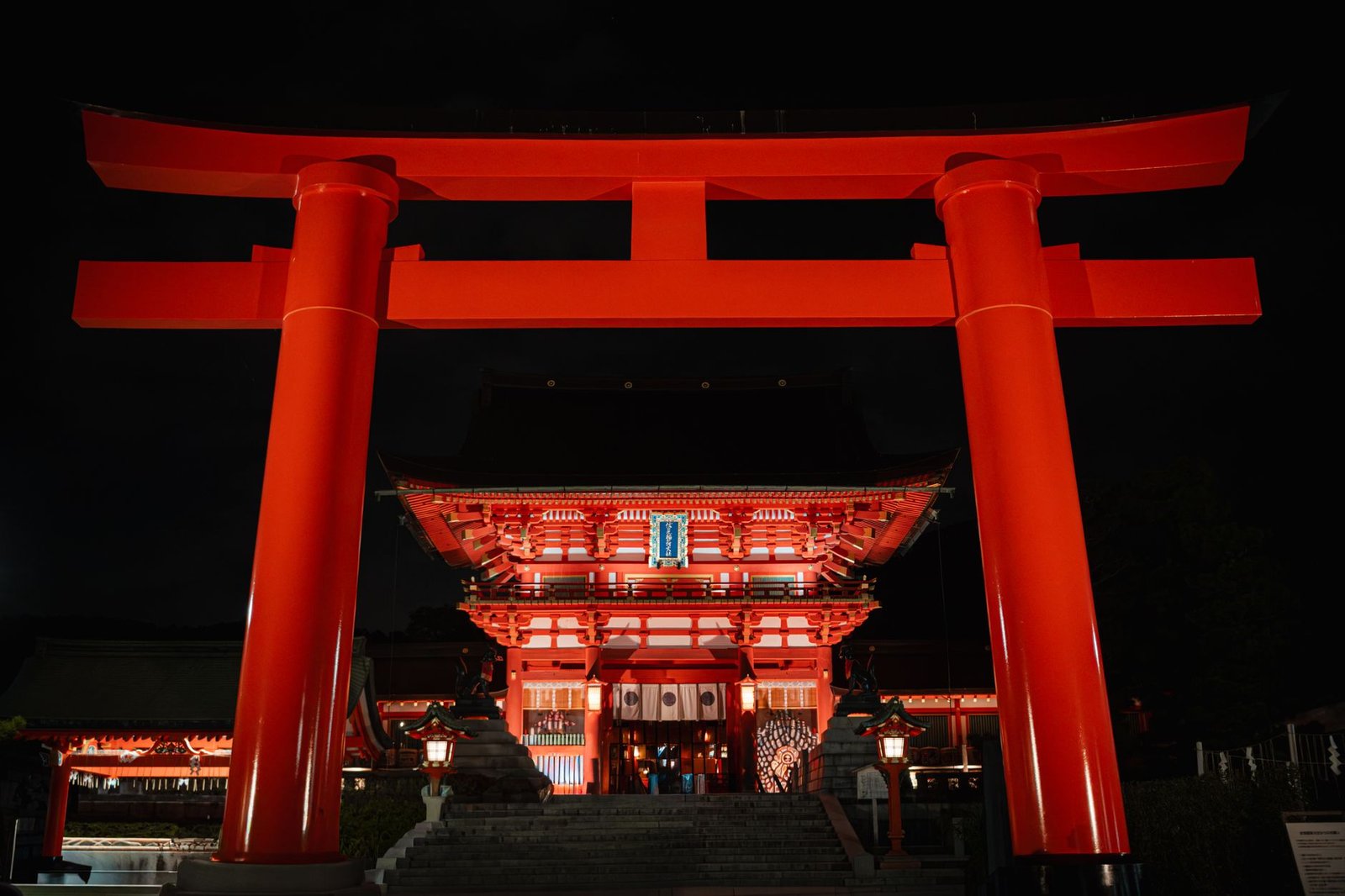
Which brings me back to that street corner at 2:30 a.m. The main event, called Oiyama, starts at exactly 4:59 a.m. on July 15th at Kushida Shrine, with each of the seven teams departing five minutes apart. Before the first float moves, there’s a traditional song, the Hakata Iwai-uta, and everyone around you goes dead silent — genuinely silent, hundreds of people not making a sound — which after an hour of pre-dawn chatter and vending machine coffee felt almost eerie. Then the silence just explodes. Thirty or so men in loincloths and happi coats hoist a one-ton float onto their shoulders and sprint — actually sprint — through a roughly five-kilometer course to the finish line near Hakata Riverain, while other team members throw buckets of water over the runners and the crowd to cool them down and, depending on where you’re standing, soak your shoes whether you wanted them soaked or not. Each team finishes the course in somewhere around twenty to thirty minutes, and watching grown men haul something that heavy at a dead run while chanting “Oisa! Oisa!” is one of those experiences that doesn’t fully translate to a photo. You feel it more than you see it.
The best viewing spots are the big cornering points — Showa-dori and Meiji-dori are both known for dramatic turns where teams have to pivot the whole structure without breaking stride — and the finish line itself, the mawaridome in Susaki-machi, where you can watch each team cross exhausted and grinning. If you want a guaranteed seat, Kushida Shrine sells tiered sajiki seating for the main event, though it isn’t something you can book ahead; you just show up and ask, or go through your hotel concierge if you’re staying somewhere central.
If You’re Planning a 2026 Trip
For 2026, the festival runs July 1st through 15th, with the climactic Oiyama race at 4:59 a.m. on the 15th. If you want a prime viewing spot near Kushida Shrine itself, people start lining up as early as 10 p.m. the night before — yes, really — but you can still get a solid view if you arrive by 2 or 3 a.m. along the main route. Fukuoka City Subway and Nishitetsu run extra early trains that morning specifically for festival-goers, and JR Kyushu adds a special limited express from the Kitakyushu side too, so it’s very doable as an early-morning outing even if you’re not staying in Hakata itself. The closest station to Kushida Shrine is Nakasu-Kawabata, about a five-minute walk, with Hakata Station around fifteen minutes on foot and Tenjin about twenty.
A few practical notes locals will appreciate: wear shoes you don’t mind getting wet (I learned this one the hard way, Aiko’s warning notwithstanding), dress modestly near the shrine precinct, and don’t be surprised to see “No Cucumbers” signs around Hakata during the festival — the cross-section of a cucumber resembles the Gion Shrine crest, so eating one during Yamakasa is considered bad form by old Hakata families. And if you’re there for Oiyama, stay quiet during the Iwai-uta song right before the first team departs; it’s a small thing, but it clearly matters to the people who’ve been doing this their whole lives.
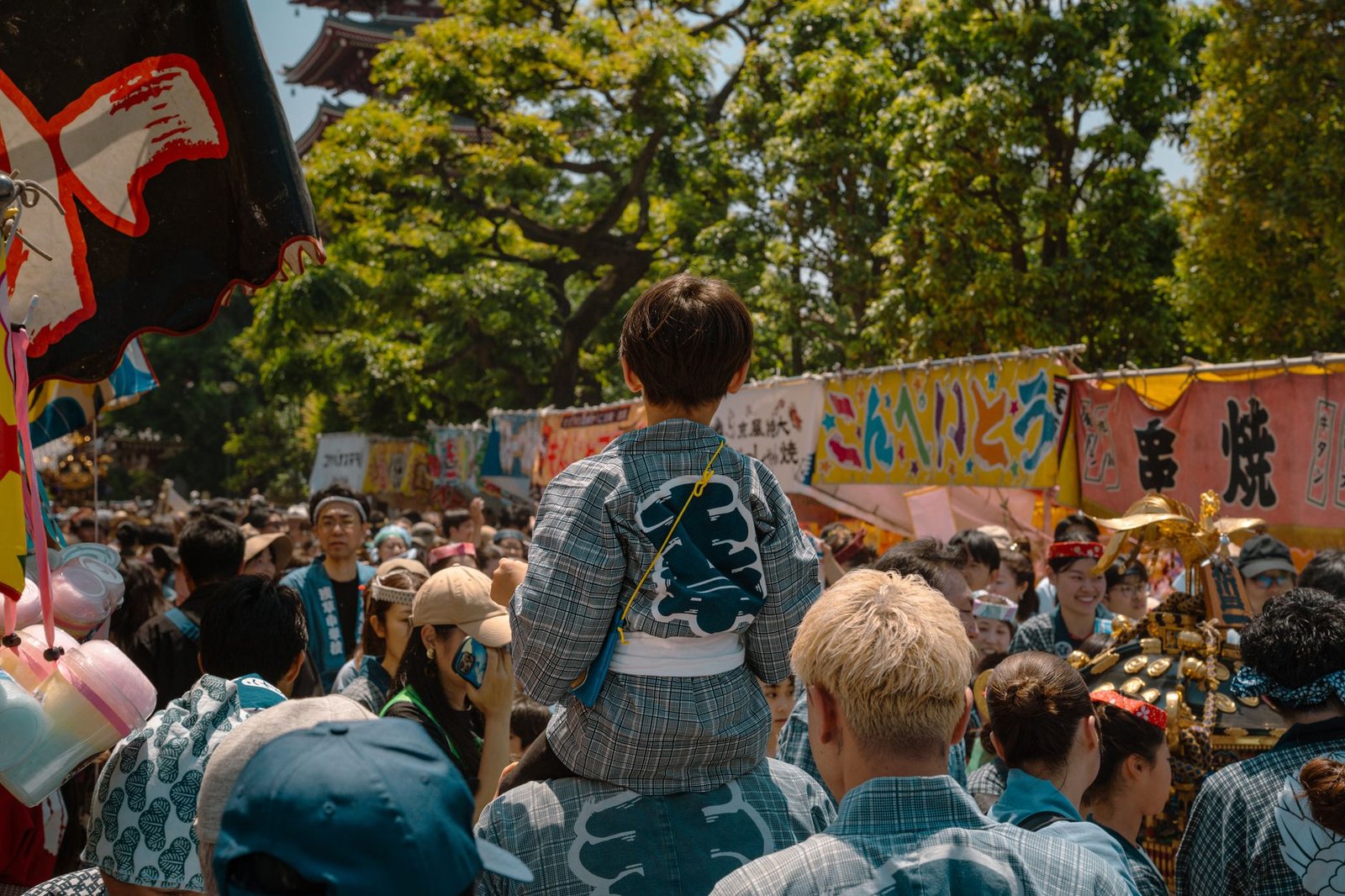
I ended up staying in Fukuoka three extra days after Yamakasa, mostly because I was too tired to do much else, but also because the city felt different after that morning — like I’d been let in on something. I’ve watched a lot of festivals in Japan, but there’s something about being silent in a crowd of hundreds at 4:59 a.m., then watching that silence turn into thirty sprinting men and a one-ton float, that I haven’t shaken off. If you’re even a little bit a morning person, or willing to fake it for one night, I can’t recommend this one enough.
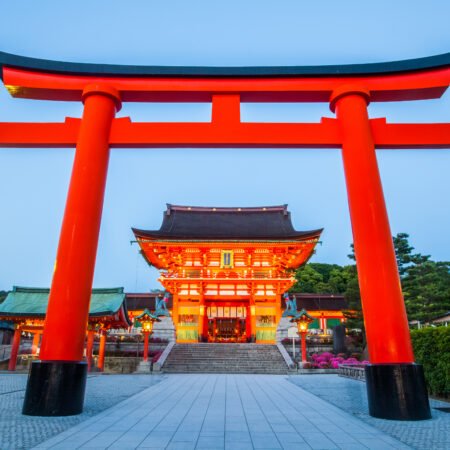
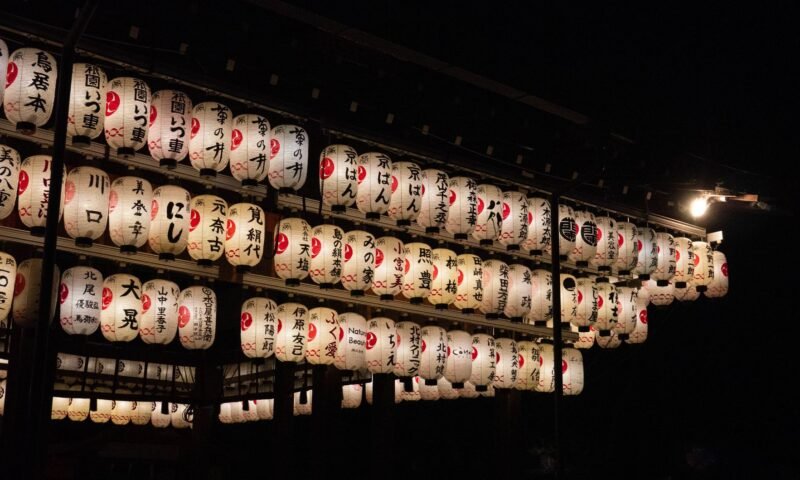
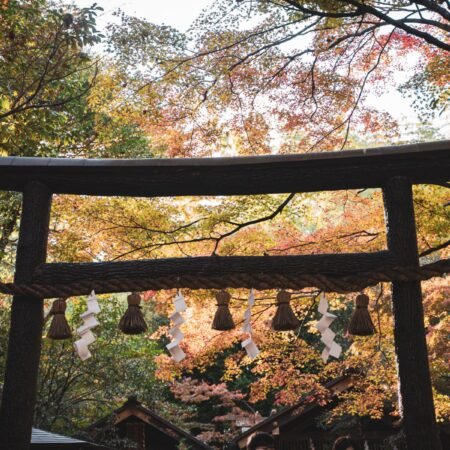
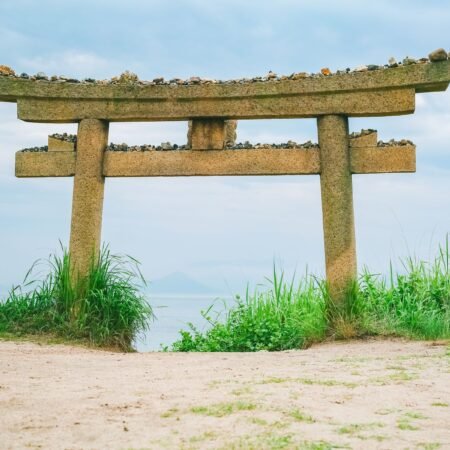
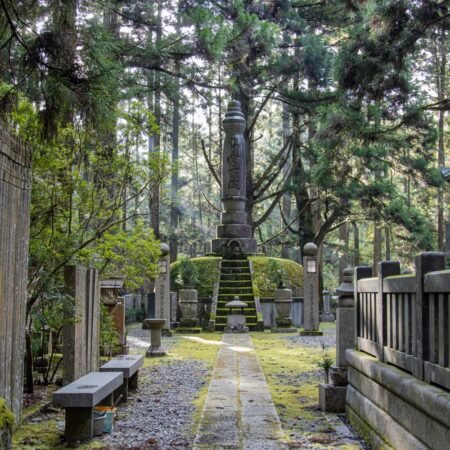
A quick note on photos: some of the images here are stock photos I’ve used to set the mood — they may not be the exact spot or moment I’m describing, just close in spirit.

コメント