






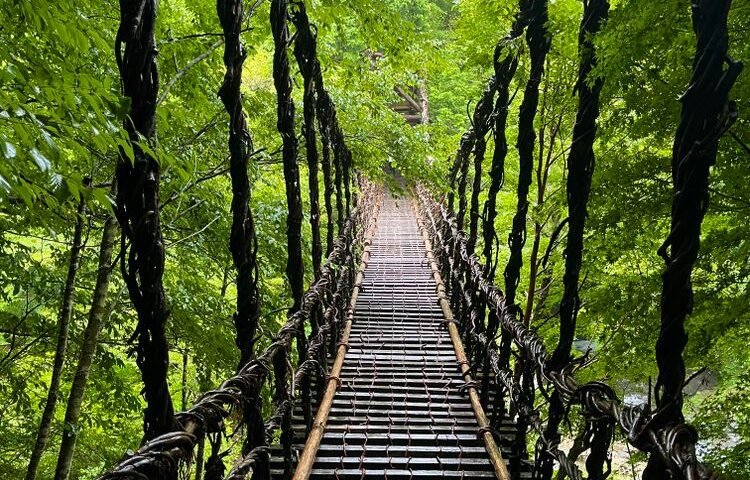
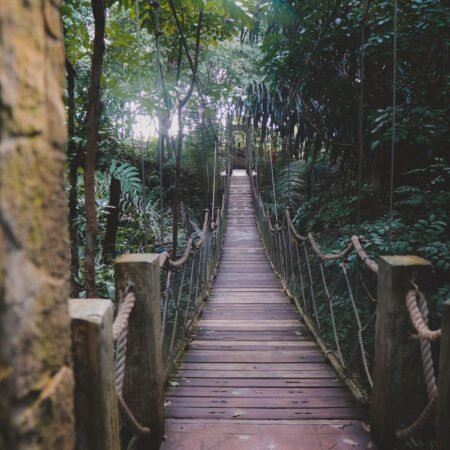
I did not expect my knees to actually shake. I’d read all about the Iya Valley’s famous vine bridges before I went — how they sway, how you can see the river through the gaps in the floor slats, how they’re rebuilt every three years using mountain vine instead of steel cable. Reading about it and standing on the middle of one, watching the Iya River churn turquoise about fourteen meters below my sandals, turned out to be two very different experiences. I gripped the vine handrail, took one photo I’m still proud of, and told myself very firmly to keep walking instead of freezing in place like a cat on a countertop.
That’s the Iya Valley (祖谷渓) in a nutshell: a deep, folded gorge cutting through the mountains of western Tokushima Prefecture on Shikoku, remote enough that it still gets called one of Japan’s “hidden regions,” and dramatic enough that a few days there rearranged what I thought a quiet countryside trip could feel like.
The Kazurabashi: Bridges Built to Be Cut Down
The most famous vine bridge, simply called the Iya Kazurabashi, sits near Nishi-Iya and is the one almost everyone photographs. Local legend ties it to the Heike (Taira) clan, who are said to have fled into these mountains after their defeat at the Battle of Dan-no-ura in 1185 and built bridges from mountain vine specifically so they could cut them down and block pursuers if the Genji came looking for them. Whether every detail of that story is exactly accurate is something historians still debate, but the bridges themselves are real, and they’re maintained the old way: woven from a wild vine called shirakuchikazura, with wooden planks laid across the top and gaps wide enough that you genuinely see the water below your feet the entire way across. The whole structure gets rebuilt roughly every three years, which honestly makes me trust it more than if someone told me it was ancient and untouched.
If you want a quieter version of the same thrill, the Oku-Iya Niju Kazurabashi — the “double vine bridges” — are a bit further up the valley near the Iya-goya area. They’re nicknamed the “husband and wife bridges,” one slightly larger and one smaller, strung close together over a narrower gorge. There’s also a hand-pulled cable car nearby called the yaen, a wooden box on a wire that you haul yourself across the ravine in, which sounds like a joke until you’re the one pulling the rope.
Ochiai Hamlet and the Art of Living on a Slope
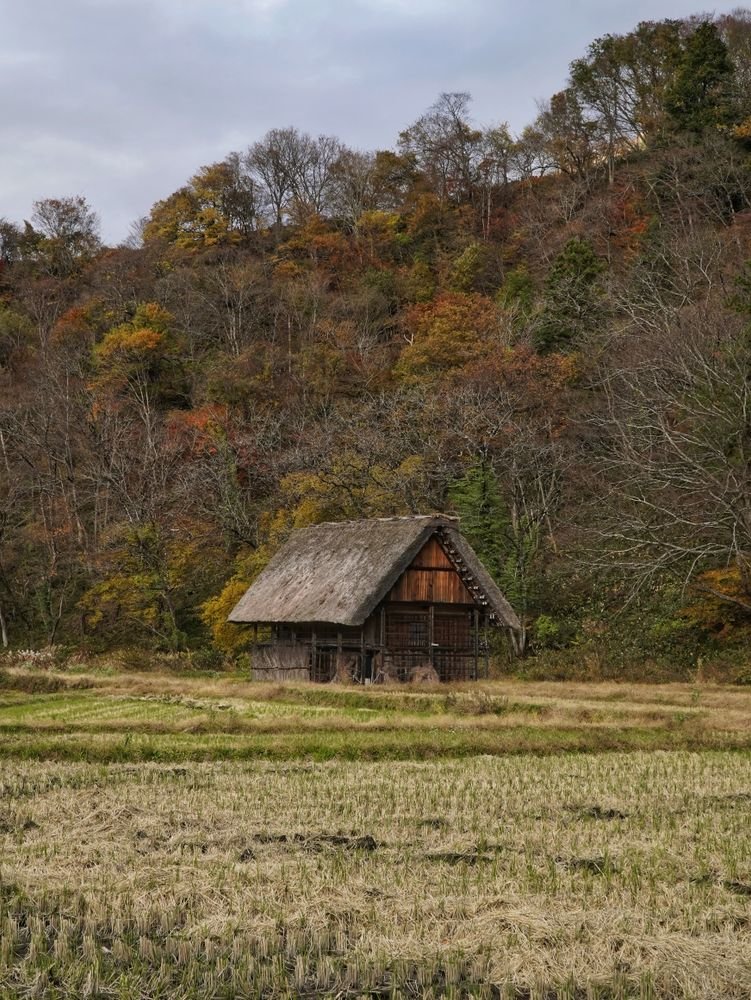
What surprised me more than the bridges, honestly, was Ochiai. It’s a small hamlet on the valley’s steep hillsides where thatched and wood-shingled farmhouses are stacked up the slope at what looks like an almost impossible angle, connected by narrow stone paths and terraced fields that people still work today. It’s registered as one of Japan’s Important Preservation Districts for Groups of Traditional Buildings, and standing at the viewpoint across the valley looking at the whole settlement climbing the mountainside, I understood why photographers make the drive out here specifically for this view. Life up here was never easy — the soil isn’t great for rice, which is part of why the region became known for buckwheat instead — but there’s a kind of quiet dignity to how deliberately the whole hillside is organized.
Speaking of buckwheat: Iya soba is a local specialty, and it’s noticeably different from soba I’ve had elsewhere in Japan. Because the mountain soil here historically couldn’t support much rice farming, buckwheat became the staple crop, and the local noodles are cut shorter and often a bit thicker and more rustic than the long, thin soba you’d get in Tokyo. I had a bowl at a small restaurant with a wood stove going even though it was technically still warm outside, and it remains one of my favorite simple meals in Japan.
Oboke and Koboke: The Gorge by Boat
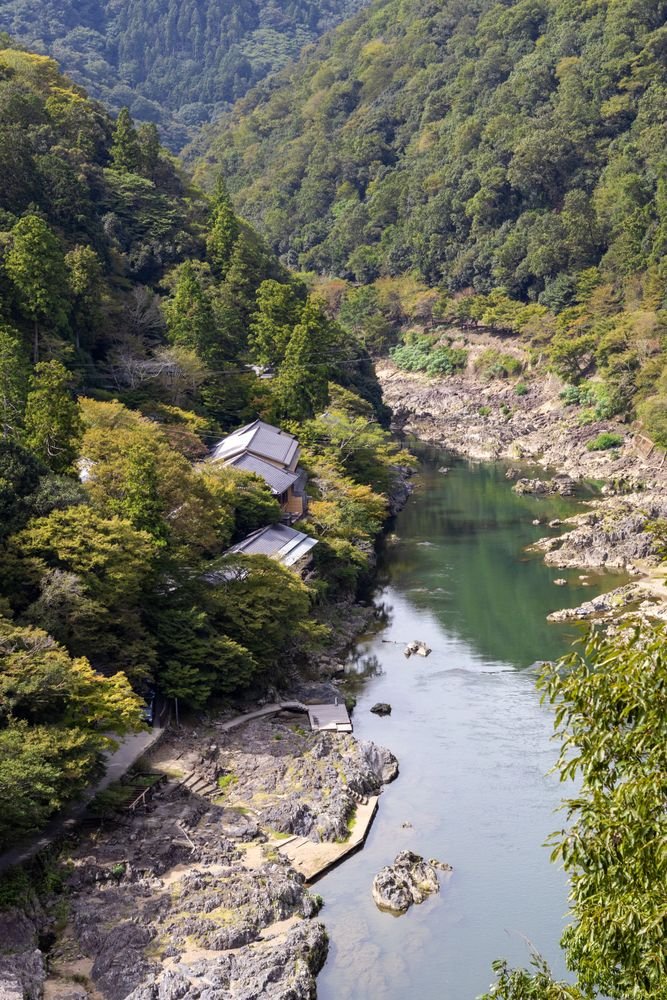
Below the vine bridges, the Yoshino River carves through the Oboke and Koboke gorges, where the crystalline schist rock has been sculpted into strange, smooth shapes over millions of years. Sightseeing boats run along this stretch, and gliding past the rock walls at river level gives you a completely different sense of scale than looking down from a bridge or a mountain road. It’s calmer than it sounds — this isn’t whitewater rafting, just a slow, scenic float — though I’ll admit part of me wanted a little more splash after the adrenaline of the bridges.
Getting There (and Why You’ll Want a Car)
I won’t pretend this is a convenient day trip. The gateway is Oboke Station on the JR Dosan Line, reachable by limited express train from Okayama or Takamatsu, but once you’re off the train, public transportation into the valley itself is sparse — a few buses run to the main Kazurabashi bridge, but reaching Ochiai, the double bridges, or anywhere off the main route really calls for a rental car or a taxi arranged in advance. The mountain roads are narrow, winding, and occasionally single-lane with blind curves, so go slowly, use the mirrors at the curves, and don’t attempt it if you’re not comfortable driving on mountain roads. It’s worth the effort. This is the kind of place where the inconvenience of getting there is part of what keeps it feeling untouched.
Autumn is a spectacular time to visit, when the steep valley walls turn shades of red and gold, though I’d actually recommend anyone with a fear of heights ease into the vine bridge on a calmer weekday rather than a crowded autumn weekend, if you can help it — you’ll want the space to go at your own pace and not feel rushed by a line forming behind you. Wear shoes with real grip, not sandals like I foolishly did, and bring cash, since a lot of the smaller restaurants and shops in the valley don’t take cards.
I left the Iya Valley with shaky knees, a stomach full of soba, and a genuine sense of having seen a side of Japan that doesn’t show up on most first-time itineraries. If Shikoku is anywhere on your radar, this valley is worth the winding drive.
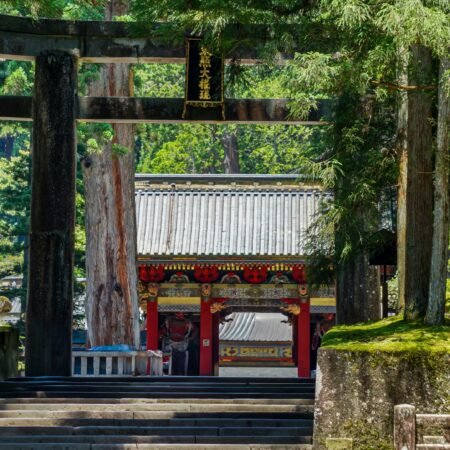
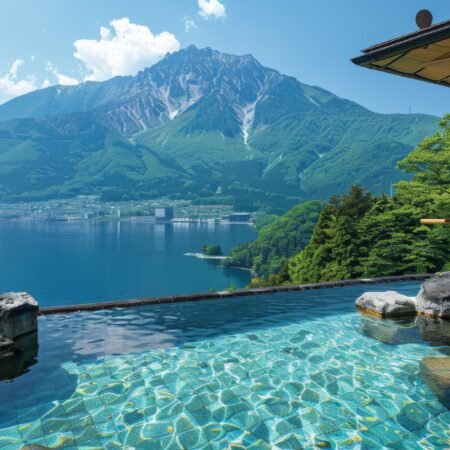
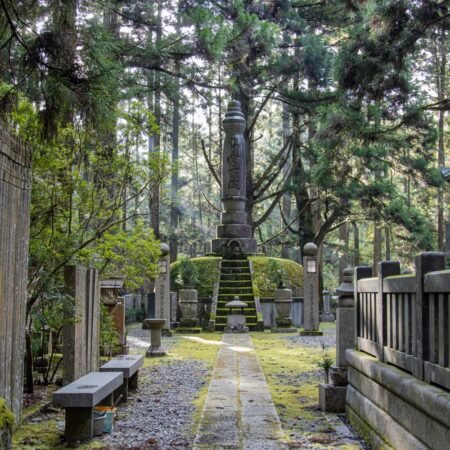
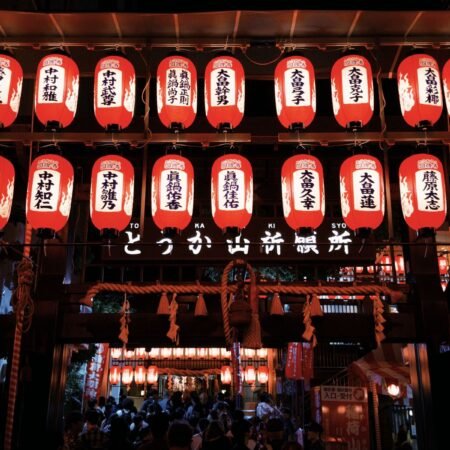
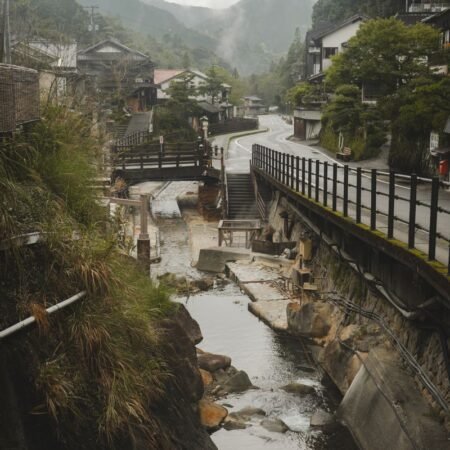
A quick note on photos: some of the images here are stock photos I’ve used to set the mood — they may not be the exact spot or moment I’m describing, just close in spirit.
コメント