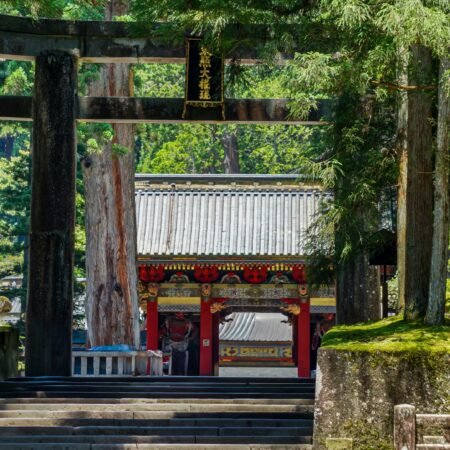





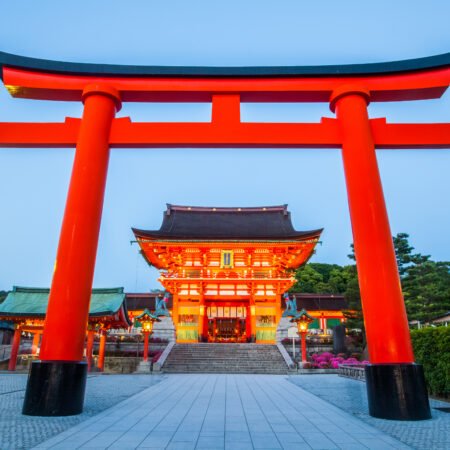

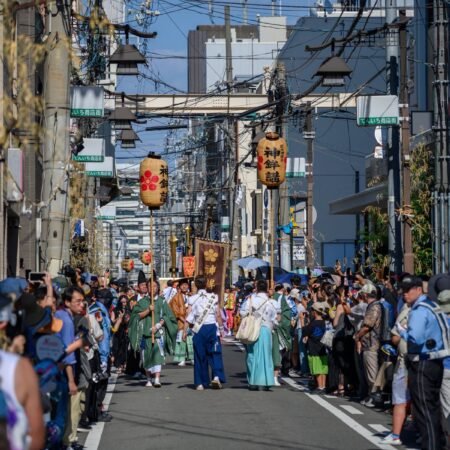
I got to Sakurayama Hachimangu Shrine about twenty minutes before anything was supposed to happen, which in hindsight was both too early and nowhere near early enough. Too early because the crowd was still thin and I had time to buy a can of hot corn potage from a vending machine and drink it standing in the cold. Nowhere near early enough because by the time the first float rolled into view, the good spots along the street were already three people deep. I ended up watching most of the Takayama Autumn Festival on my tiptoes, craning around a man in a very tall hat, and I regret nothing about it.
Five years into living in Japan, I thought I had a decent handle on what a “big” local festival looks like. Takayama, tucked into the mountains of Gifu Prefecture, quietly corrected me. This is the kind of event where a whole town seems to have spent the entire year — sometimes the entire century — getting ready for one long weekend.
Eleven Floats and a Puppet Show That Stopped Me Mid-Sentence
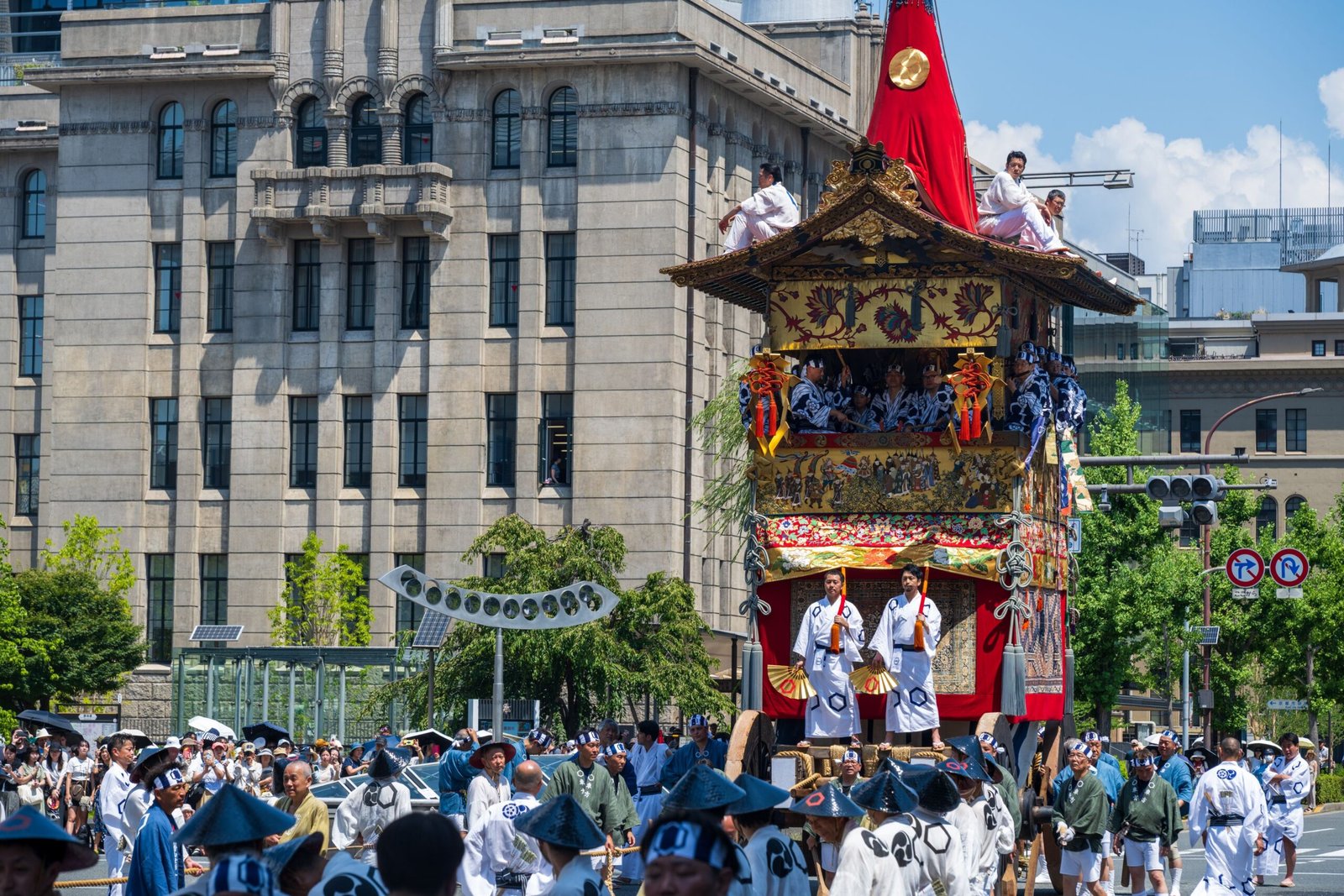
The stars of the show are the yatai, elaborately built festival floats that come out twice a year — once in spring, once in autumn — and are otherwise kept locked away in tall storehouses scattered around town. In autumn, up to eleven of them process through the streets near the shrine, each one a small monument to Hida carpentry: black and gold lacquer, intricate metalwork, carved wooden panels, and enormous woven tassels that swing when the float turns a corner.
I’d read that one of the floats, the Hotei-tai, puts on a karakuri ningyo performance, but nothing quite prepared me for watching it live. Mechanical puppets, operated by a team of puppeteers called tsunakata pulling strings from inside the float, climb, flip, and even swap faces with an unnerving smoothness. The performance runs about fifty minutes, and I watched the entire thing without checking my phone once, which for me is basically a religious experience. The puppeteers don’t just yank levers — they’re reading the crowd’s reaction as much as running the mechanism, and you can feel it.
The Night the Streets Turned to Lantern Light
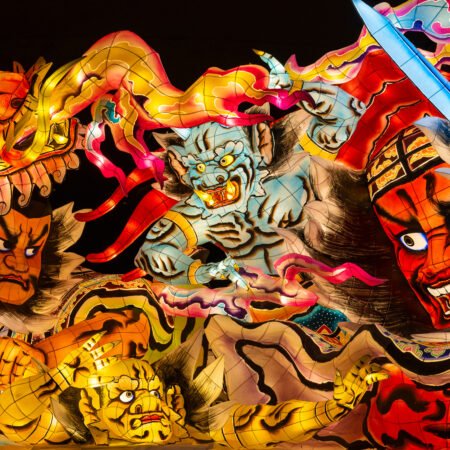
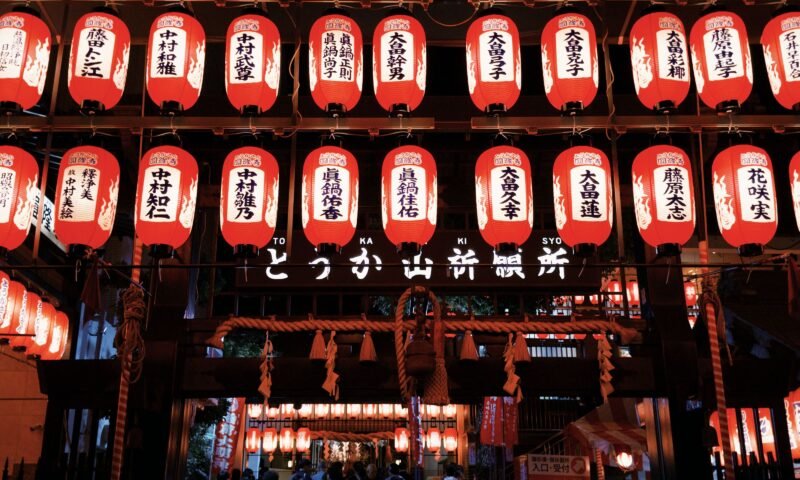
If the daytime festival is about craftsmanship, the Yoimatsuri — the night festival held the evening before the main day — is about atmosphere. As the sun went down, the same floats that had been sitting proudly in daylight were strung with roughly a hundred paper lanterns apiece and wheeled slowly back out into streets that had gone dark except for that soft, flickering glow.
I fell in with the flow of the crowd rather than trying to plan a route, and I’d genuinely recommend that approach. The hayashi music — flutes and drums — drifts between the buildings, mixing with the smell of grilled squid and roasted chestnuts from the food stalls, and every so often the whole procession stops so a float can be turned at an intersection, tassels swinging, lantern light rippling across the crowd’s faces. Somewhere behind the floats came a procession of people in Edo-period costume, a portable shrine on the shoulders of a dozen men, a lion dance troupe, and, memorably, several performers dressed as roosters. Nobody around me seemed to find that last detail as funny as I did, which only made it funnier.
Getting Delightfully Lost in the Old Town
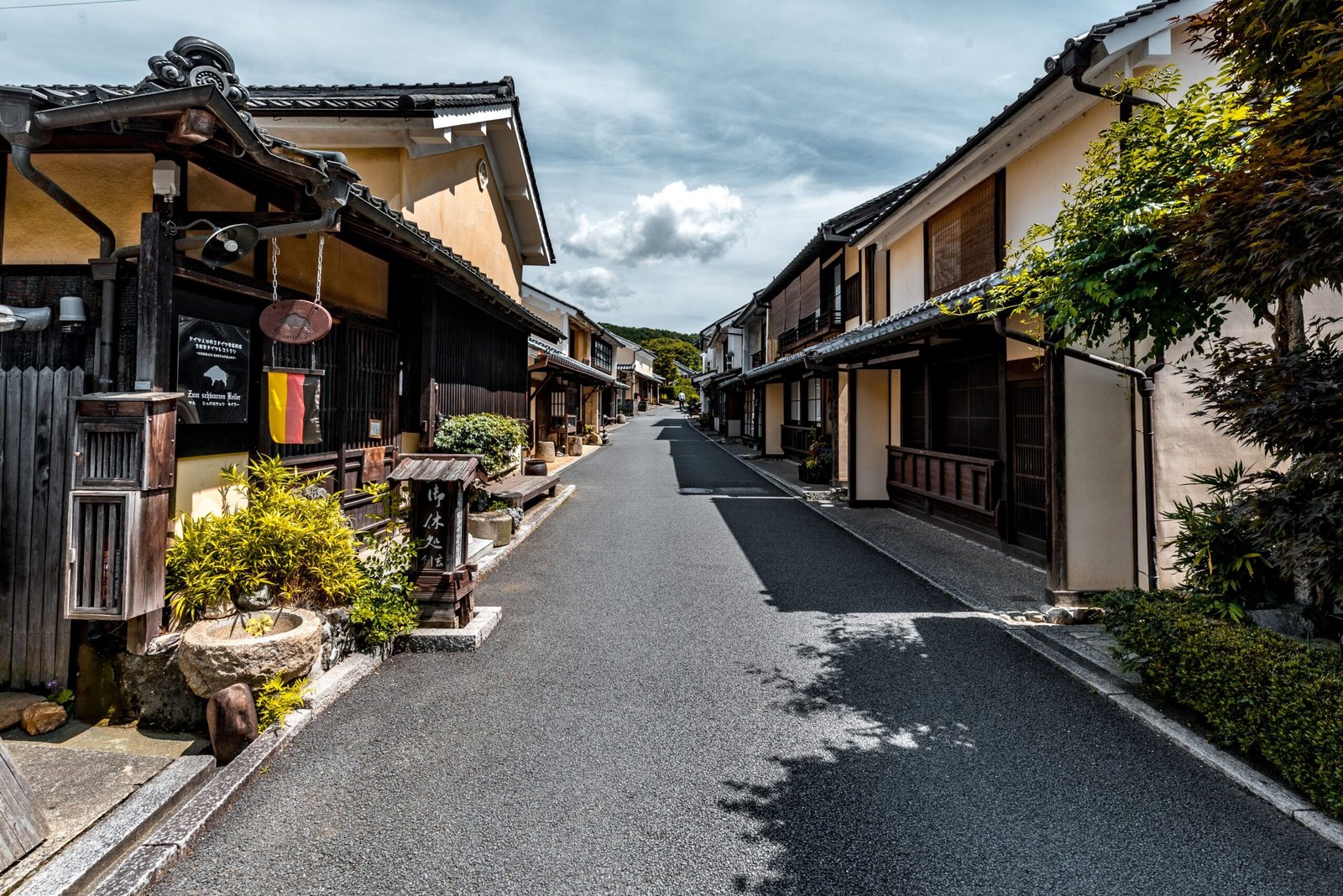
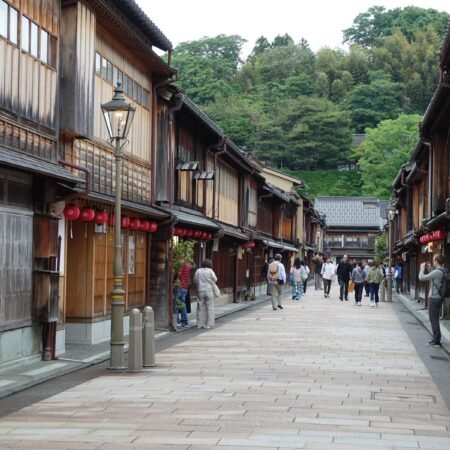
I’d budgeted one day for Takayama and ended up wishing I’d blocked out three, mostly because of Sanmachi Suji, the old merchant quarter a short walk from the shrine. The streets here have been protected as a historic preservation district, and it shows — wooden lattice facades, narrow covered canals running with clear mountain water, and shops that have clearly been in the same family for generations.
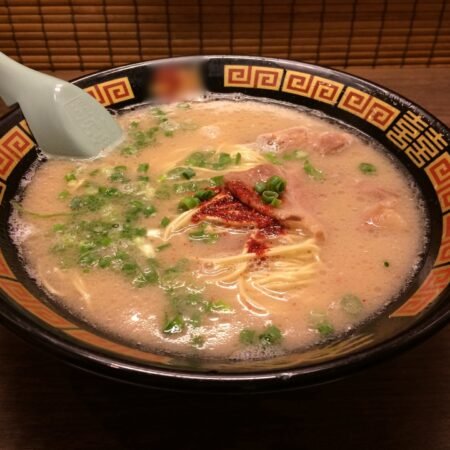
Seven sake breweries still operate in this small pocket of town, each marking brewing season with a ball of cedar fronds, called a sugidama, hung over the entrance — green when fresh, brown as it ages through the season, like a slow-motion calendar. I ducked into three different breweries for tastings before lunch, which is either a great decision or a mildly regrettable one depending on how the afternoon goes. Between breweries, I grazed my way through the old town: a skewer of grilled Hida beef from a street stall, a bowl of soy-based Takayama ramen, and mitarashi dango that I’m fairly sure I could have eaten six more of. If you get up early enough, the Miyagawa riverside morning market and the one in front of the old Takayama Jinya government building are both worth a wander — local vegetables, pickles, and a lot of very friendly obasan happy to explain what you’re looking at.
If You’re Planning to Go in 2026
The Autumn Takayama Festival runs October 9th and 10th, centered on Sakurayama Hachimangu Shrine, with the lantern-lit Yoimatsuri on the evening of the 9th and the main daytime procession on the 10th. Takayama Station is a short, flat walk from both the shrine and the old town, so I wouldn’t bother with a taxi unless the weather turns — and it’s worth knowing that the karakuri performances and float processions get cancelled in the rain, even though the festival itself goes ahead regardless. October evenings in the mountains get properly cold, so pack more layers than you think you’ll need. Since the whole event is tied to the harvest and has been running in some form for centuries, it draws a genuine mix of locals and visitors rather than feeling staged for tourists, and I think that’s exactly what made it stick with me the way it did.
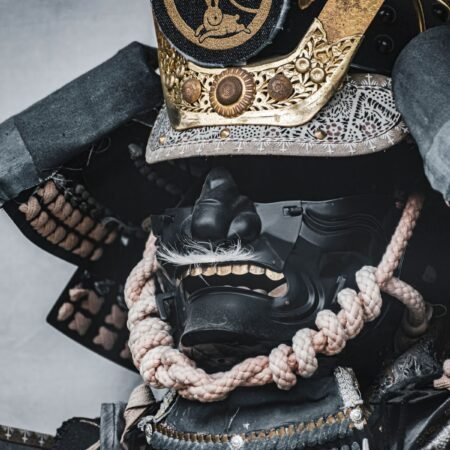
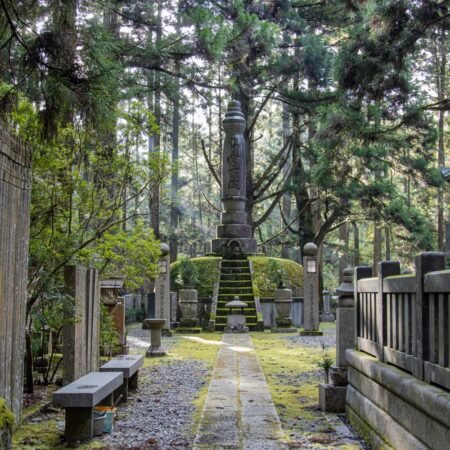
A quick note on photos: some of the images here are stock photos I’ve used to set the mood — they may not be the exact spot or moment I’m describing, just close in spirit.

コメント