





The first thing you notice at Osorezan isn’t a sound. It’s the absence of one. I stepped off the bus at the end of a forty-five-minute ride from Mutsu City, and the door hissed shut behind me, and then there was nothing but wind and the faint, unmistakable smell of rotten eggs. Sulfur. It clings to your clothes for the rest of the day. I’d read about this mountain in guidebooks that called it one of Japan’s “three sacred peaks,” alongside Koyasan and Hieizan, but nothing I’d read prepared me for how quickly the landscape stops looking like a mountain at all and starts looking like something out of a woodblock print of hell.
That, it turns out, is rather the point.
A Mountain Built to Look Like the Afterlife
Osorezan — literally “Mount Fear” or “Mount Dread” — sits on the remote Shimokita Peninsula in Aomori Prefecture, about as far north as you can go on Honshu before the land runs out. According to temple history, the site was founded in 862 by the monk Ennin (also known posthumously as Jikaku Daishi), who is said to have received a dream instructing him to travel northeast and find a mountain matching a very specific description. When he arrived here, the story goes, he recognized the barren, steaming terrain as the place from his vision and established Bodai-ji temple on the shore of Lake Usori.
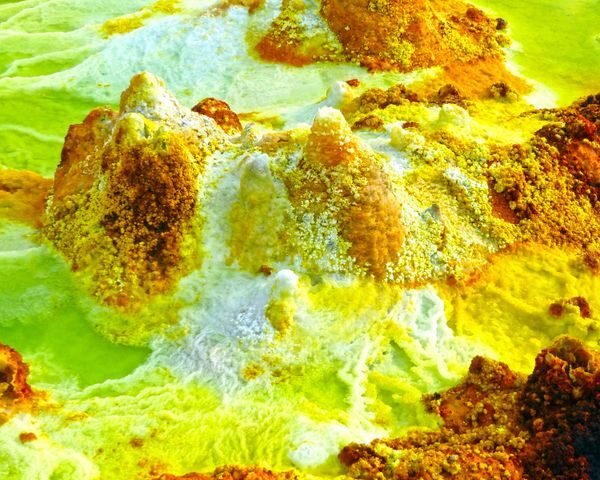
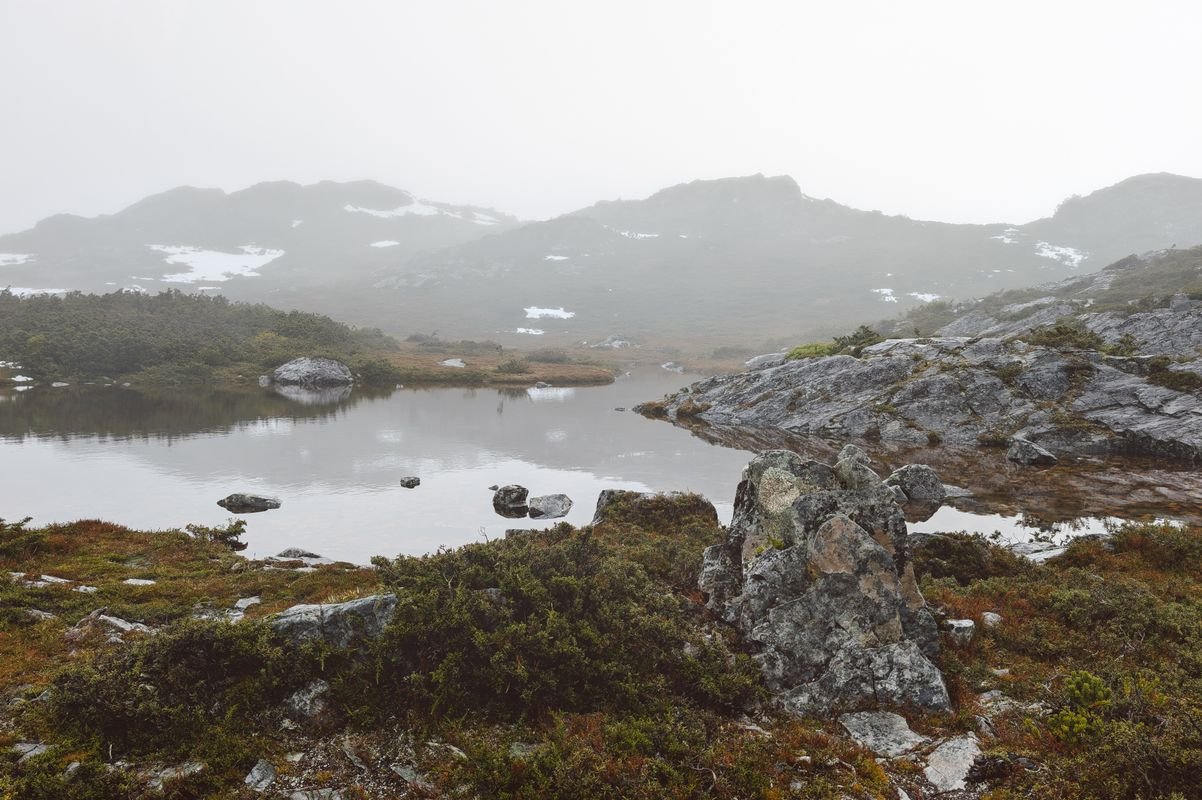
Whether or not you take the dream literally, the geography does the rest of the persuading. This is an active volcanic caldera. Vents hiss steam and sulfurous gas across grey-black pumice fields where almost nothing grows. Local guides and centuries of pilgrims have named different sections of this terrain after the various Buddhist hells — realms of fire, of blood, of hunger — and walking the marked path between them, past pools of bubbling, mineral-stained water, it’s not hard to see why. Then, without much warning, the path opens onto Lake Usori itself and a curve of pale sand called Gokuraku-hama, “Paradise Beach.” The water is a startling, almost artificial blue-green. After the hell fields, it feels like relief.
By the Edo period, there was a saying repeated across the region: when people die, they go to Osorezan. Not metaphorically — this mountain was, and for many still is, understood as an actual crossing point between the world of the living and the world of the dead.
Sanzu-no-Kawa and the Weight of Small Stones
Near the temple’s entrance runs a small red-lacquered bridge over a modest stream. This, according to local belief, is a physical stand-in for Sanzu-no-Kawa, the River of Three Crossings that Buddhist tradition says every soul must ford on the way to whatever comes next — a rough equivalent to the Greek Styx, though the crossing here is said to depend on how you lived rather than a coin for the ferryman.
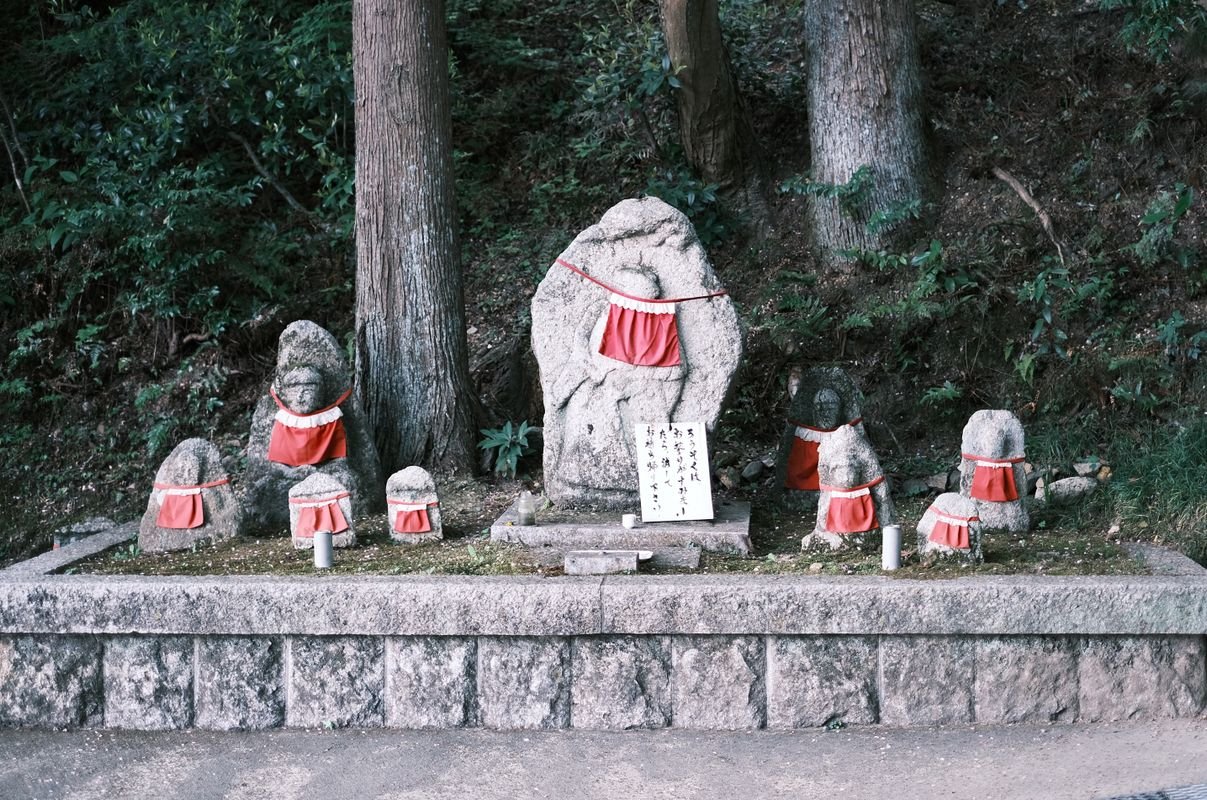
What struck me more than the bridge, though, were the stones. All across the grounds, visitors — mostly bereaved parents, from what I understand — build small towers of pebbles, echoing a folk belief that children who die before their parents cannot cross the river themselves and must instead pile stones on the riverbank as an act of merit, one their parents can never quite finish helping with because demons are said to keep knocking the towers down. Alongside the stone piles, hundreds of small pinwheels turn in the wind, placed there in memory of children who died young, their colours faded by sun and sulfur. Photographs, toys, and handwritten notes are tucked among them. I didn’t take a single picture in that section. Some things aren’t for a stranger’s camera roll.
The Itako: Borrowed Voices
Osorezan’s reputation is inseparable from the itako — traditionally blind women trained from childhood in a demanding apprenticeship to serve as mediums between mourners and the dead. During the temple’s major festival, held each July, and again in a smaller autumn festival, itako set up small tents on the grounds where, for a modest fee, they perform kuchiyose: a ritual in which they are said to give voice to a specific deceased person on behalf of a grieving visitor.
I watched from a respectful distance during my visit and didn’t attempt a session myself — it felt like something meant for people carrying an actual loss, not a curious writer with a notebook. What I can say is that the atmosphere around those tents was nothing like a sideshow. It was quiet, focused, and often visibly emotional. Whatever you make of the metaphysics, the itako tradition itself is real, well documented, and treated by locals with considerable seriousness. The number of practicing itako has dropped sharply in recent decades, and some cultural commentators worry the tradition may not survive another generation.
Visiting Osorezan: Manners and Safety
Osorezan is a working Buddhist temple and an active pilgrimage site, not a ruin or an abandoned attraction, and it should be treated accordingly. The temple is open to visitors roughly from early May through late October (it closes over the harsh northern winter), with a modest entry fee. Stick to the marked paths — the ground genuinely is geothermally active in places, and wandering off-trail near steam vents or hot pools is a real physical hazard, not just bad etiquette.
Please don’t touch, rearrange, or photograph close-up the stone piles, pinwheels, or personal items left in memory of the dead; a wide shot of the landscape is one thing, a close-up of a stranger’s grief is another. If you happen to be there during the itako festival, keep a respectful distance from anyone in session, and don’t photograph mourners. This is, first and foremost, a place people travel to in order to process real loss. Being a good guest matters more here than almost anywhere else I’ve written about.
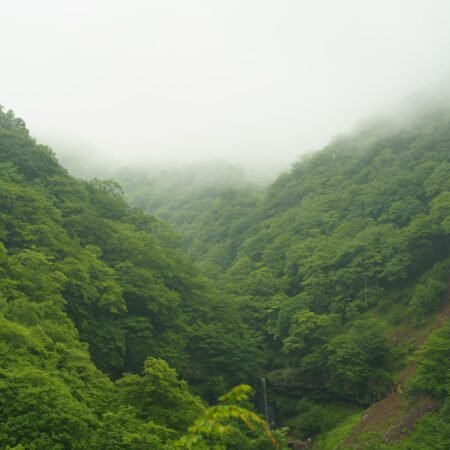
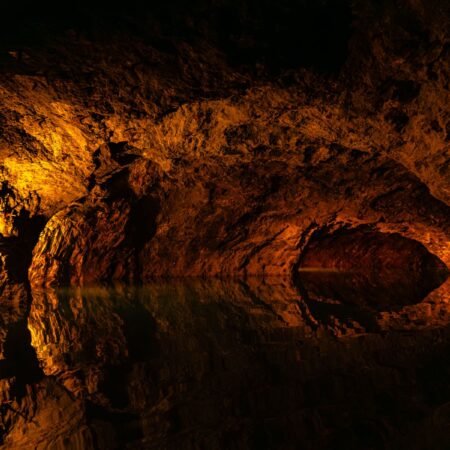
Note: images accompanying this article are illustrative stock photos and do not necessarily show the specific site discussed.
コメント