






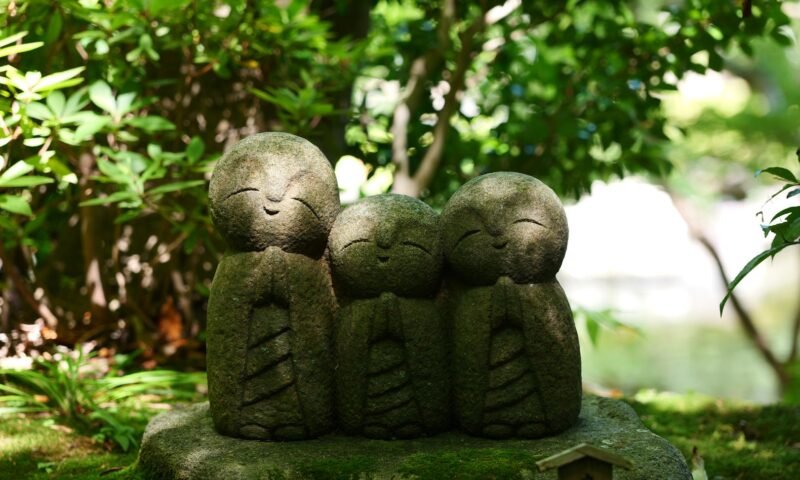
The first thing you notice about the five hundred stone monks at Kita-in isn’t how old they are. It’s how much they look like people you actually know. I spent a slow hour on a grey Saitama afternoon walking the narrow rows of them, and by the third row I’d already caught myself stopping in front of one with his head tilted back in a belly laugh, thinking of an old university housemate. A few statues along, a moss-dusted figure with his chin resting on his fist looked uncannily like my own grandfather on a bad morning. I’m used to Japan’s ghost stories being about what you might see in the dark. This one, I’d learn, is about who you might see in the daylight — and about a quieter, sadder version of the same idea that’s supposed to happen after the gates close.
Kita-in sits in Kawagoe, the old castle town an hour or so northwest of central Tokyo that markets itself, not inaccurately, as “Little Edo.” Tourists mostly come for the candy alley and the clay-walled warehouse street. The five hundred rakan — stone images of the Buddha’s enlightened disciples — are a short walk from all of that, and most people who find them are looking for something to photograph, not something to feel.
A Temple Older Than the Shogunate
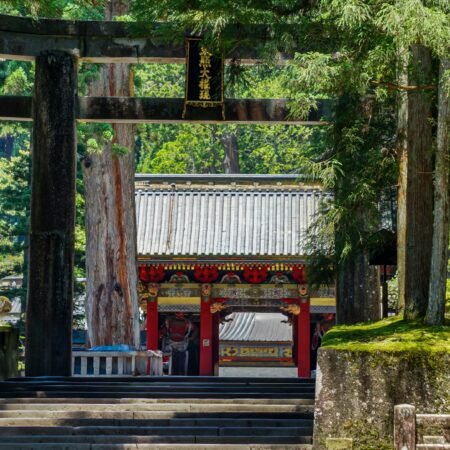
According to the temple’s own history, Kita-in traces back to 830, when the monk Ennin established a temple on the site under imperial order. It survived the centuries the way most old Japanese temples survive them: through fire. A blaze in 1638 destroyed much of what stood there, and in the rebuilding that followed, several structures were brought in whole from Edo Castle — among them a room said to be the birthplace of the third shogun, Tokugawa Iemitsu, and a study used by his formidable wet nurse, Kasuga no Tsubone. Those relocated buildings still stand at Kita-in today, designated Important Cultural Properties, and you can walk through rooms where, according to the temple’s account, a future shogun was born. The temple’s rise owed a great deal to the monk Tenkai, who won the trust of the Tokugawa shogunate in the early Edo period and helped make Kita-in one of its favored temples.
Five Hundred Faces, Carved by Grief
The rakan themselves came much later, and from far humbler hands than a shogun’s. The earliest surviving record says a local parishioner named Sekine Sen’emon had the first statue carved in 1775 in memory of his parents. A few years later, in 1782, the project in earnest fell to a priest named Shijō, who had left his family against their wishes to take holy orders and apparently spent decades trying to atone for it in stone. He is credited with carving around forty of the figures himself before illness stopped him, and fellow monks carried the project on for decades afterward — more than forty years in total, according to local accounts, though the exact dates recorded at the temple don’t entirely agree with one another, as is often the case with projects this old and this patched together by different hands.
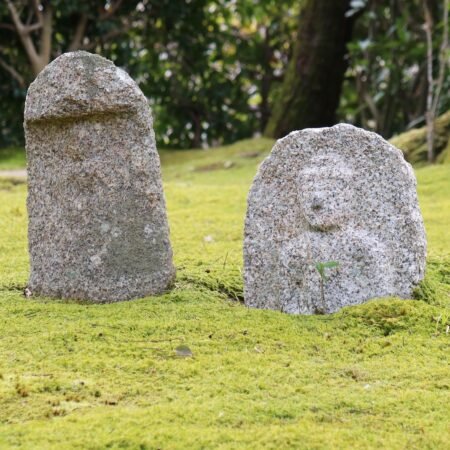
What makes the result worth the detour isn’t the number, impressive as it is — Kita-in’s rakan are counted among the three great rakan groups in Japan, alongside those at Tokuzō-ji and Kenchō-ji. It’s that no two of the five hundred were carved alike. Some are caught mid-laugh. Some look faintly bored. One appears to be asleep sitting up. Another, parents with small children always seem to find, is quietly picking his ear. Kawagoe locals have long told visitors, half as a game, that if you look carefully enough you’ll find the one who resembles your own father, or your childhood teacher, or yourself. It’s a gentle piece of local folklore, built for daylight, and it’s where the darker version of the story begins.
The Legend of the Warm Stone
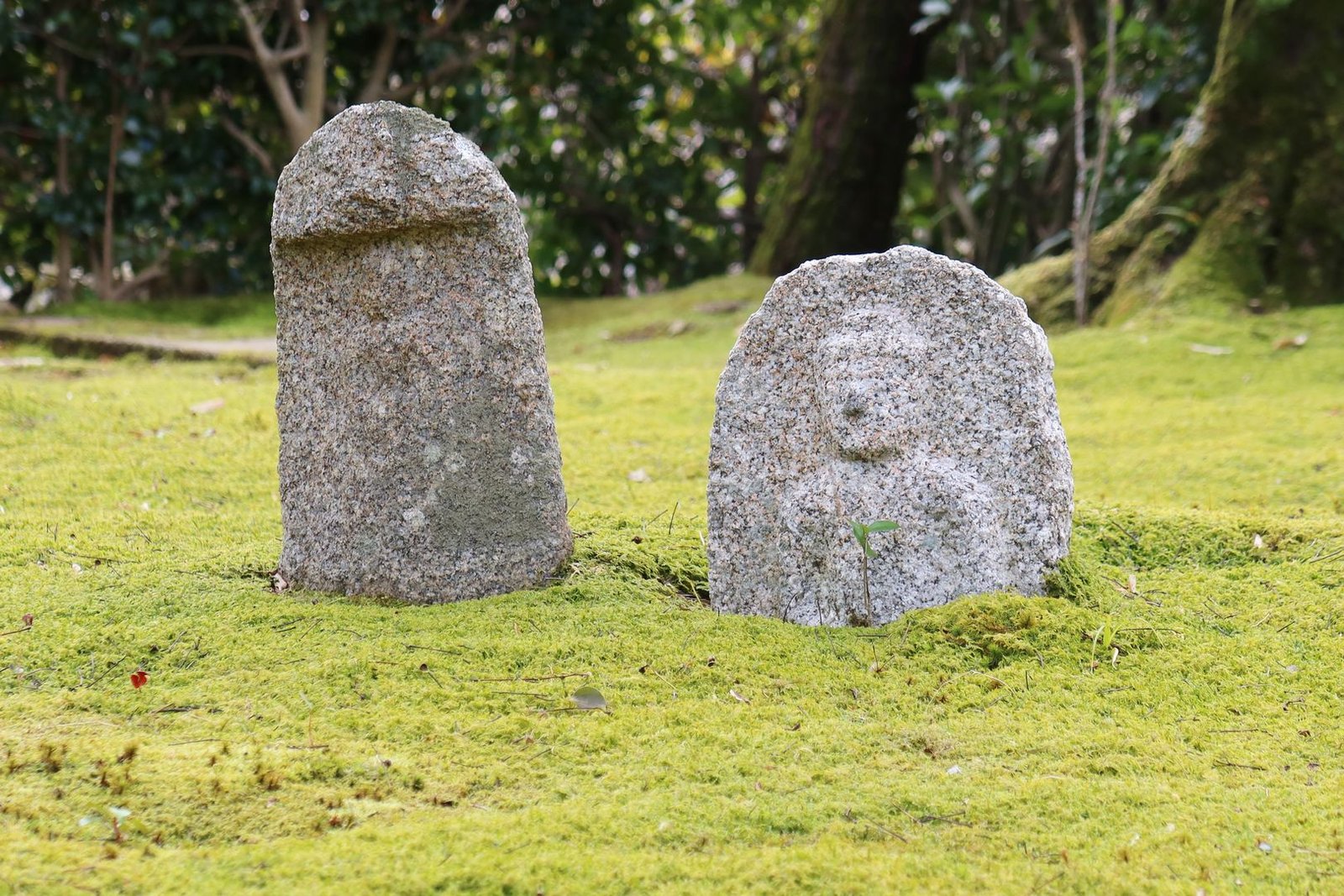
The story goes that if you visit the rakan at night — not the daylight game of spotting a resemblance, but something more deliberate — and move along the rows touching each statue’s head in turn, most will feel as cold and lifeless as any other piece of carved stone left outdoors for two centuries. One, though, is said to feel warm beneath your palm, almost like skin. According to the legend, you mark that statue in the dark, and when you return the next morning, its stone face will have become, impossibly, the face of someone you have lost — someone you had silently wished, touching the cold rows in the dark, that you might see again.
It’s worth sitting with how unusual that is, as Japanese ghost stories go. So much of what I’ve written about in this column turns on vengeance: a wronged woman, a grudge that outlives the body, a warning not to disturb what’s buried. The Kita-in legend has none of that. Nobody is cursed. Nothing chases you home. It’s a story built entirely out of longing — the specific, universal ache of wanting one more look at a face that’s gone, and a temple full of five hundred candidates standing patiently in the dark, waiting to be mistaken, just for a moment, for the right one.
Visiting Kita-in Today
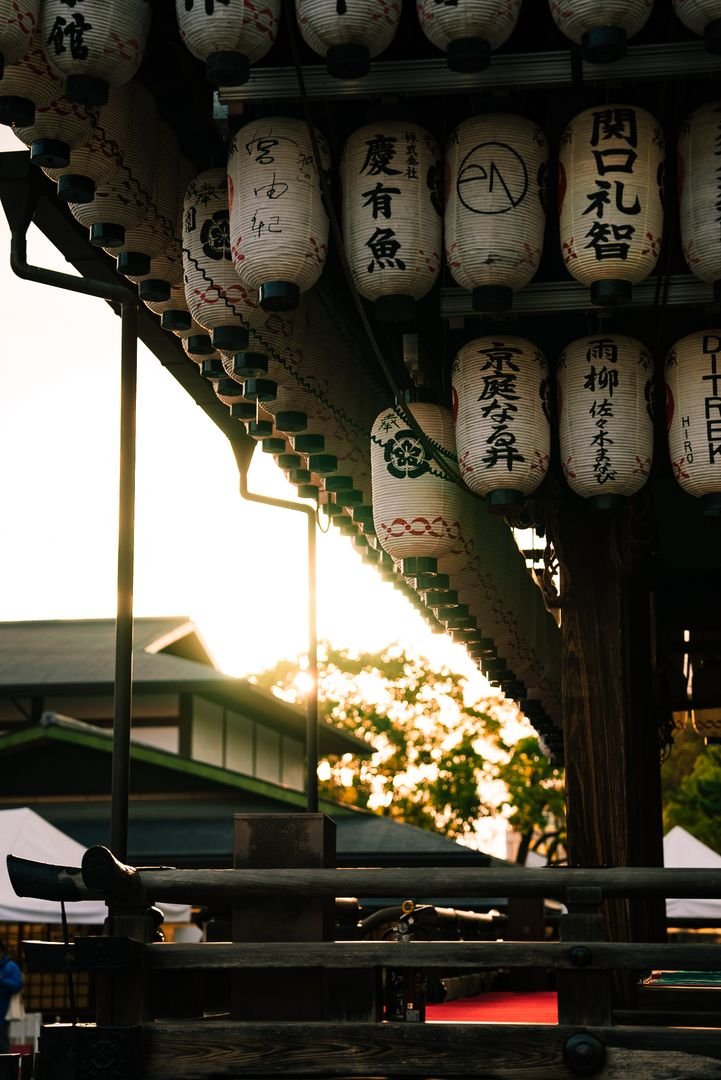
You won’t get the chance to test the legend yourself, and that’s by design rather than oversight. Kita-in keeps conventional visiting hours — the rakan precinct and the historic Tokugawa-era rooms are open for a modest admission fee during the day and closed well before dark, like any working temple. Staff understandably ask visitors not to touch or climb on the statues at all, day or night, since two and a half centuries of stone doesn’t need two and a half million more hands wearing at it. The legend is best treated as exactly that: a story to carry with you as you walk the rows in daylight, not an invitation to come back after the gates are locked.
If you do go, give yourself time beyond the statues themselves. The temple grounds include the relocated Tokugawa-era buildings, a quiet garden that turns photogenic with plum blossoms and hydrangea depending on the season, and the famous Toki no Kane bell tower a short walk away in Kawagoe’s old warehouse district. Go on a weekday morning if you can, both for the quiet and out of basic courtesy to a temple that is, rakan aside, still a working place of worship. Keep your voice down near the statues, resist the urge to pose for photos sitting among them, and remember that whatever face you think you recognize in the stone, five hundred other visitors have almost certainly recognized a different one in the very same row.
Note: images accompanying this article are illustrative stock photos and do not necessarily show the specific site discussed.

コメント