





I ended up in Shibamata completely by accident. A friend had recommended it as “a nice old-fashioned spot” and I pictured, I don’t know, maybe a shrine and a nice lunch. What I didn’t expect was to spend an entire afternoon wandering a neighborhood that felt like it had quietly opted out of the last sixty years of Tokyo. No department stores, no neon, just a narrow shopping street smelling of grilled rice crackers and a temple with some of the most extraordinary wood carving I’ve ever stood in front of. Five years into living in Japan, I thought I’d gotten a feel for how “old Tokyo” usually looks. Shibamata rearranged that a little.
A Temple Carved Like a Storybook
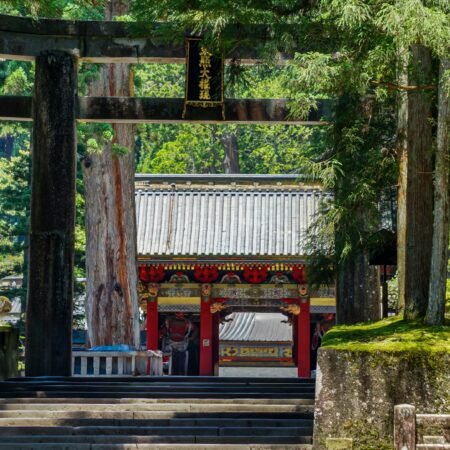
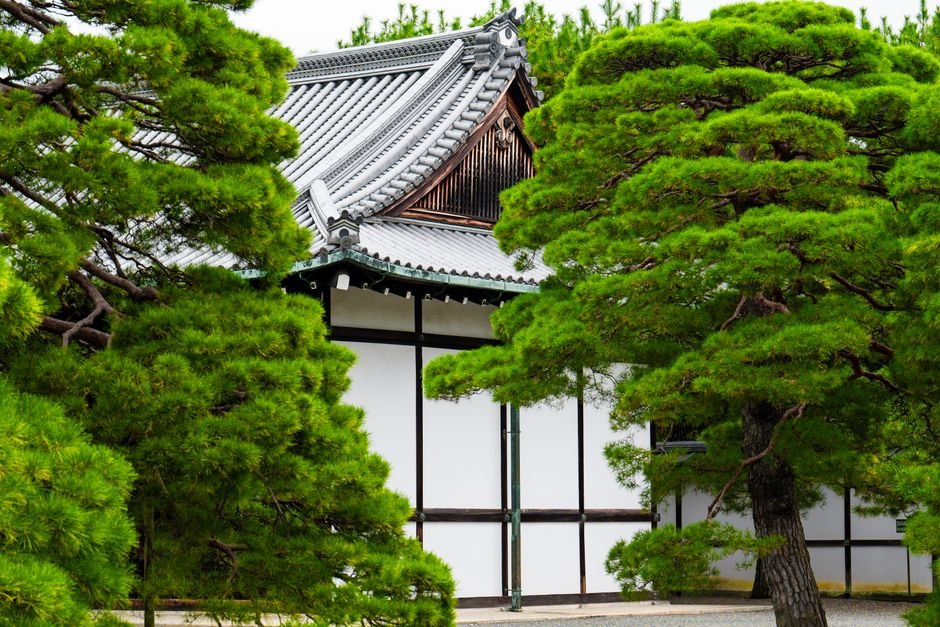
The reason most people make the trip out to this corner of Katsushika Ward is Taishakuten, properly called Daikyoji Temple, a short walk straight down the shopping street from the station. From the outside it looks like a solid, handsome Edo-period temple, the kind you half expect to see and then move on from. You do not move on from Taishakuten quickly.
Around the main hall runs a gallery of wood carvings, done mostly in the early twentieth century by a rotating team of craftsmen who were each assigned a different panel, depicting scenes from the Lotus Sutra. You walk the covered corridor around the building at your own pace, and it’s genuinely hard to hurry through it. Dragons curl around pillars, waves crash in frozen wooden spray, tiny human figures go about tiny wooden lives in the corners of bigger scenes. There’s an extra fee to walk the gallery and see the attached garden, and it is worth every yen. I stood in front of one panel for what must have been ten minutes before I noticed the temple staff gently waiting for me to move along so the next group could see it.
The attached strolling garden, Suikeien, is small but carefully done, with a pond, stepping stones, and enough maple trees that if you time a November visit right, you get color on top of the carvings. I didn’t time it perfectly, but I’m already plotting a return trip for exactly that.
The Street That Tora-San Built
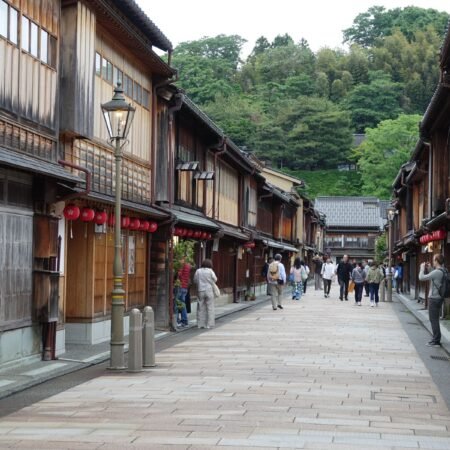
Walk back toward the station and you’re on the real draw for a lot of Japanese visitors: the approach to Taishakuten, lined with old-fashioned shops selling senbei, pickled vegetables, and dango, plus a dense cluster of small eateries that have clearly been feeding the same regulars for decades. This street, and this whole neighborhood, is famous in Japan mostly because of one man who never actually existed: Tora-san, the hapless, big-hearted traveling salesman hero of Otoko wa Tsurai yo, a film series that ran for 48 installments between 1969 and 1995, almost all of them opening with Tora-san returning home to Shibamata.
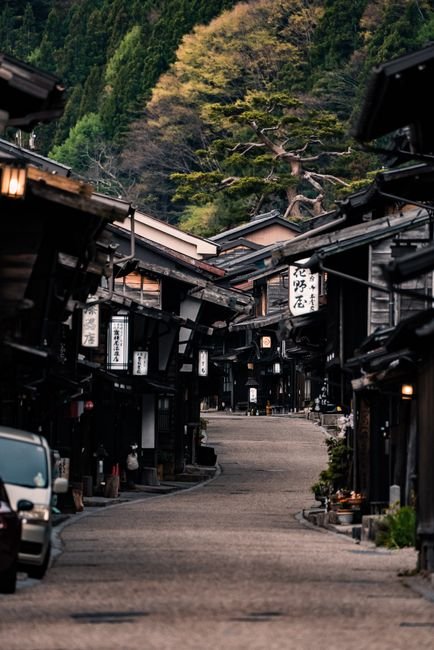
There’s a museum dedicated to the films a short walk along the river, with full-size reconstructed sets of the family dango shop and the local printing works, and it’s a strangely moving thing to visit even if, like me, you’ve never seen a single one of the movies. The devotion is contagious. Shop owners on the main street still display Tora-san memorabilia, there’s a bronze statue of him outside the station with his sister Sakura waving him off, and the whole street seems to operate on a kind of unhurried, nobody’s-in-a-rush logic that I now suspect is the actual point of visiting, movie references or not. I bought kusa dango, the pale green mugwort rice cakes wrapped in sweet bean paste, from a shop that’s apparently been making them since the Edo period, and ate them standing on a corner watching an older couple argue cheerfully about which pickles to buy.
Crossing the River the Slow Way
If you keep walking past the Tora-san museum, you reach the bank of the Edogawa river and one of the last things I expected to find inside the Tokyo city limits: a manually operated ferry. Yagiri no Watashi has been crossing this stretch of river since the Edo period, when it was one of several official crossing points controlled by the shogunate, and it’s still running today, now mostly for sightseers rather than commuters, with a boatman poling a small wooden boat across to the Chiba side and back.
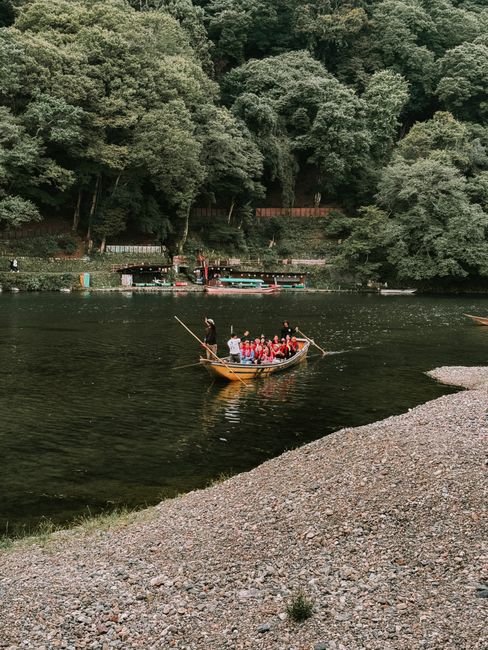
It only runs on weekends and holidays, weather and river conditions permitting, and the crossing itself takes just a few minutes, but there’s something disproportionately satisfying about it. You’re standing on a wobbly wooden boat being pushed across the water by a person with a long pole, looking back at a skyline that, from the right angle, barely gives away that you’re still technically inside one of the biggest cities on earth. I got off on the Chiba side, looked at the embankment for a minute, and then just got back on for the return trip, which the boatman seemed entirely unbothered by.
Why I’d Go Back
Shibamata isn’t flashy, and I think that’s exactly why it’s stuck with me. It’s an easy half-day trip from central Tokyo on the Keisei line, with a short transfer, and it asks almost nothing of you except a willingness to slow down to the pace of a shopping street that’s in no hurry to modernize. I went in expecting a pleasant but forgettable afternoon and came out wanting to drag every visiting friend there before they’re allowed anywhere near Shibuya. If you want a version of old downtown Tokyo that isn’t curated for Instagram, and you don’t mind a little bit of nostalgia for a fictional traveling salesman you’ve never met, Shibamata is worth the detour.
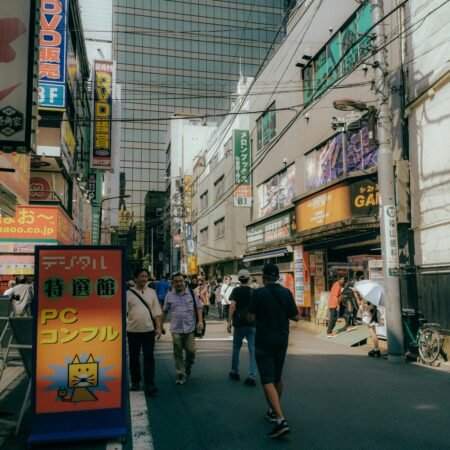
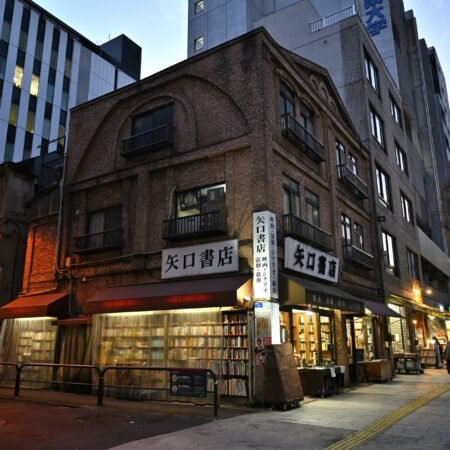
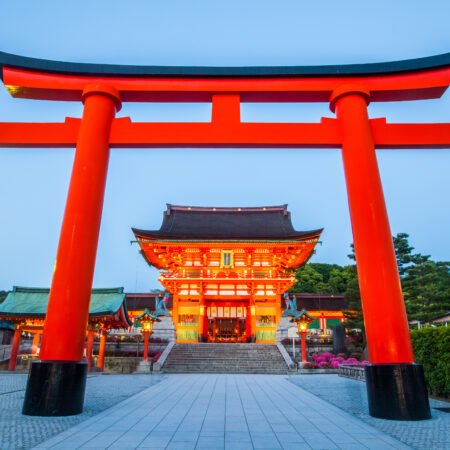
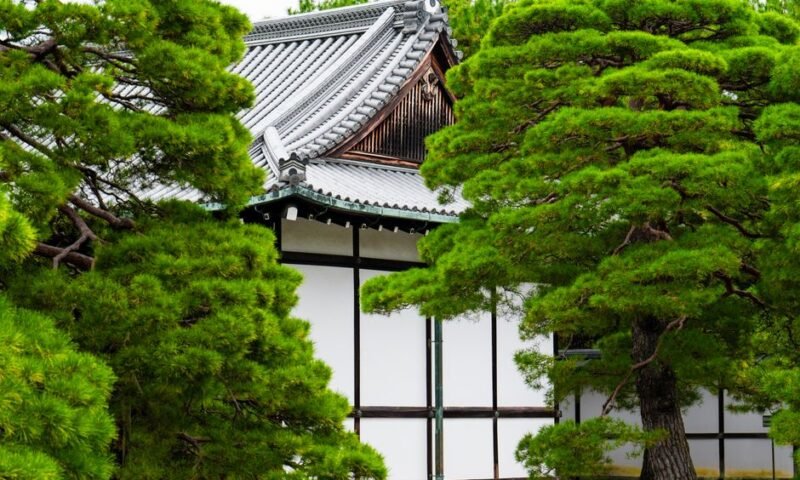
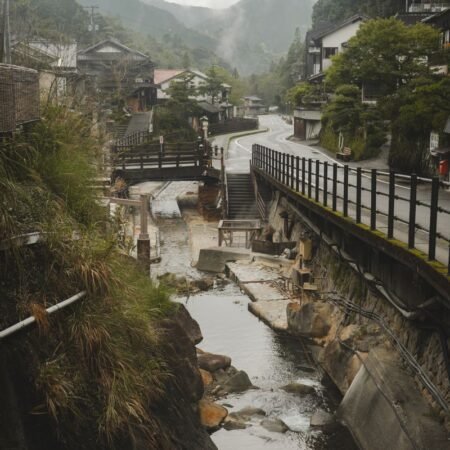
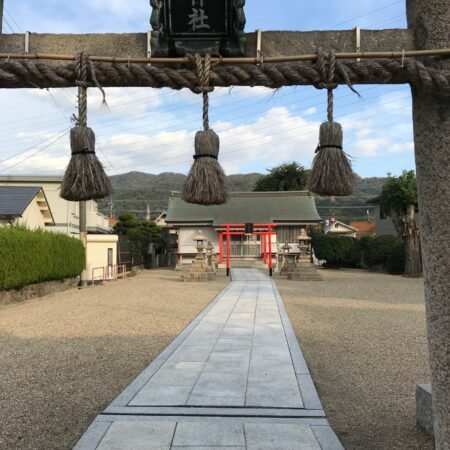
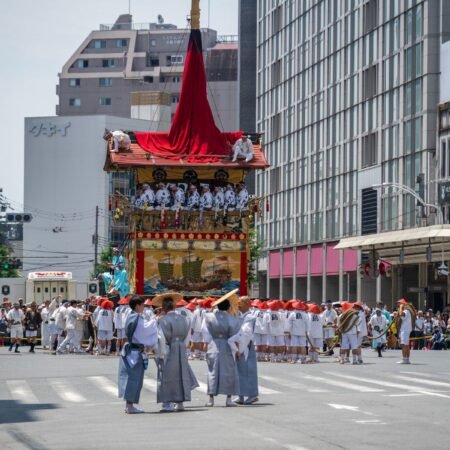
A quick note on photos: some of the images here are stock photos I’ve used to set the mood — they may not be the exact spot or moment I’m describing, just close in spirit.

コメント