





I’ll be honest, I rolled my eyes a little the first time someone told me Matsushima was “one of the three most beautiful views in Japan.” I’d heard that kind of superlative before, and it usually means a nice pond and a gift shop. But a friend in Sendai practically frog-marched me onto the Senseki Line one gray Tuesday morning, and forty minutes later I was standing on a pier staring out at a bay scattered with something like 260 tiny pine-covered islands, genuinely lost for words. Which, as it turns out, is sort of the whole point.
There’s an old story about the poet Basho visiting Matsushima during his famous journey north and being so overwhelmed by the view that he couldn’t write a single haiku about it — which, if you know anything about Basho, is a big deal. Historians argue about how much of that story is true, but standing there with the wind coming off the water, I got it. I’m not a poet and even I didn’t have much to say.
A Bay Built From 260 Tiny Pine Islands
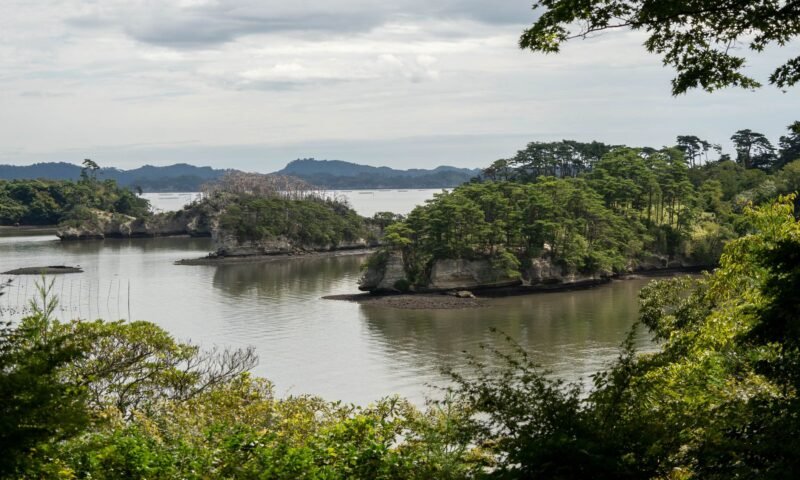
Matsushima Bay sits on the Pacific coast of Miyagi Prefecture, and it’s one of the Nihon Sankei, the “Three Views of Japan,” a list that also includes Miyajima near Hiroshima and Amanohashidate up in Kyoto Prefecture. I’d already seen the other two without realizing I was slowly collecting the set, so there was something satisfying about finally rounding it out here.
The islands themselves are the real stars. They’re all limestone and sandstone that eroded unevenly over thousands of years, leaving these strange little humps and pillars poking out of the water, each one anchored by scrubby, wind-bent pine trees that somehow took root in almost no soil at all. Some are barely bigger than a boat, others you can actually walk onto. A handful even have names and their own small shrines.
The easiest way to take it all in is one of the sightseeing boats that leave regularly from Matsushima Pier — the cruise runs about fifty minutes and loops you past the better-known islands while a recorded narration (Japanese only, so don’t expect much) points out which rock formation supposedly looks like a lion or a whale. Honestly, I stopped trying to spot the shapes and just watched the gulls, which happily swoop right up to the boat’s deck if you buy a bag of crackers from the onboard vendor. Fair warning: they will absolutely snatch a cracker out of your fingers if you’re not paying attention.
The Temple That Survived Everything
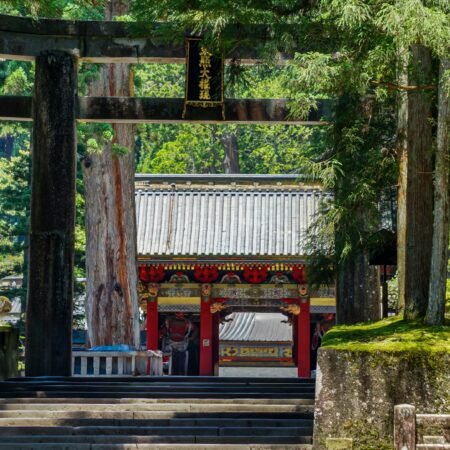
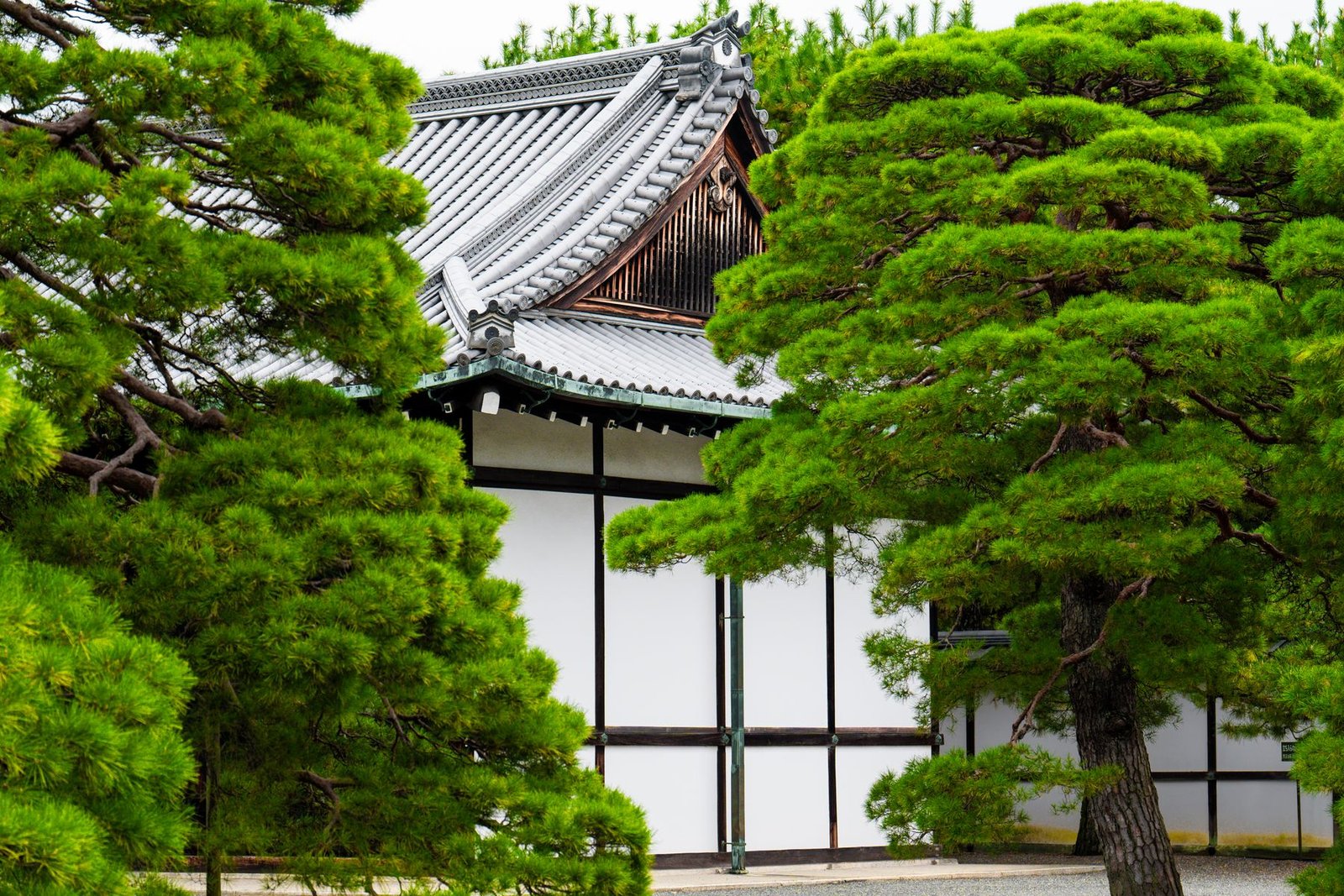
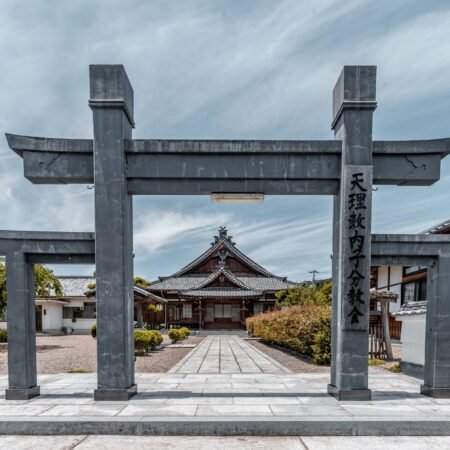
Just a short walk from the pier is Zuiganji Temple, and this is where Matsushima stopped being just a pretty view and started feeling like a place with real weight to it. The temple traces its roots back to 828, but the building you see today was rebuilt in 1609 on the orders of Date Masamune, the one-eyed samurai lord who basically built Sendai into the city it is now. It’s a National Treasure, and the approach alone — a stone path cut between towering, centuries-old cedars — puts you in the right frame of mind before you’ve even reached the gate.
Those same cedars, sadly, are part of a more recent story too. When the 2011 tsunami hit, the floodwater reached all the way up to the temple grounds, and while the main hall itself came through remarkably intact, a lot of the old cedar trees were killed by saltwater intrusion to their roots and had to be cut down in the years afterward. Walking the approach now, you can still see some of the gaps where the oldest trees used to stand, which made the whole visit feel a lot more personal than your average temple stop.
Nearby, connected to the mainland by a short red bridge, is Godaido, a tiny temple hall sitting on its own little island that enshrines five guardian deities. The statues inside are so rarely shown to the public — traditionally only once every 33 years — that I didn’t even try to see them, and just admired the building from outside instead. There’s also Fukuura Island a bit further along, reachable by its own red footbridge, with a quiet botanical trail that most of the bigger tour groups skip entirely.
Oysters, Grilled Squid, and the Best Harbor Lunch in Tohoku
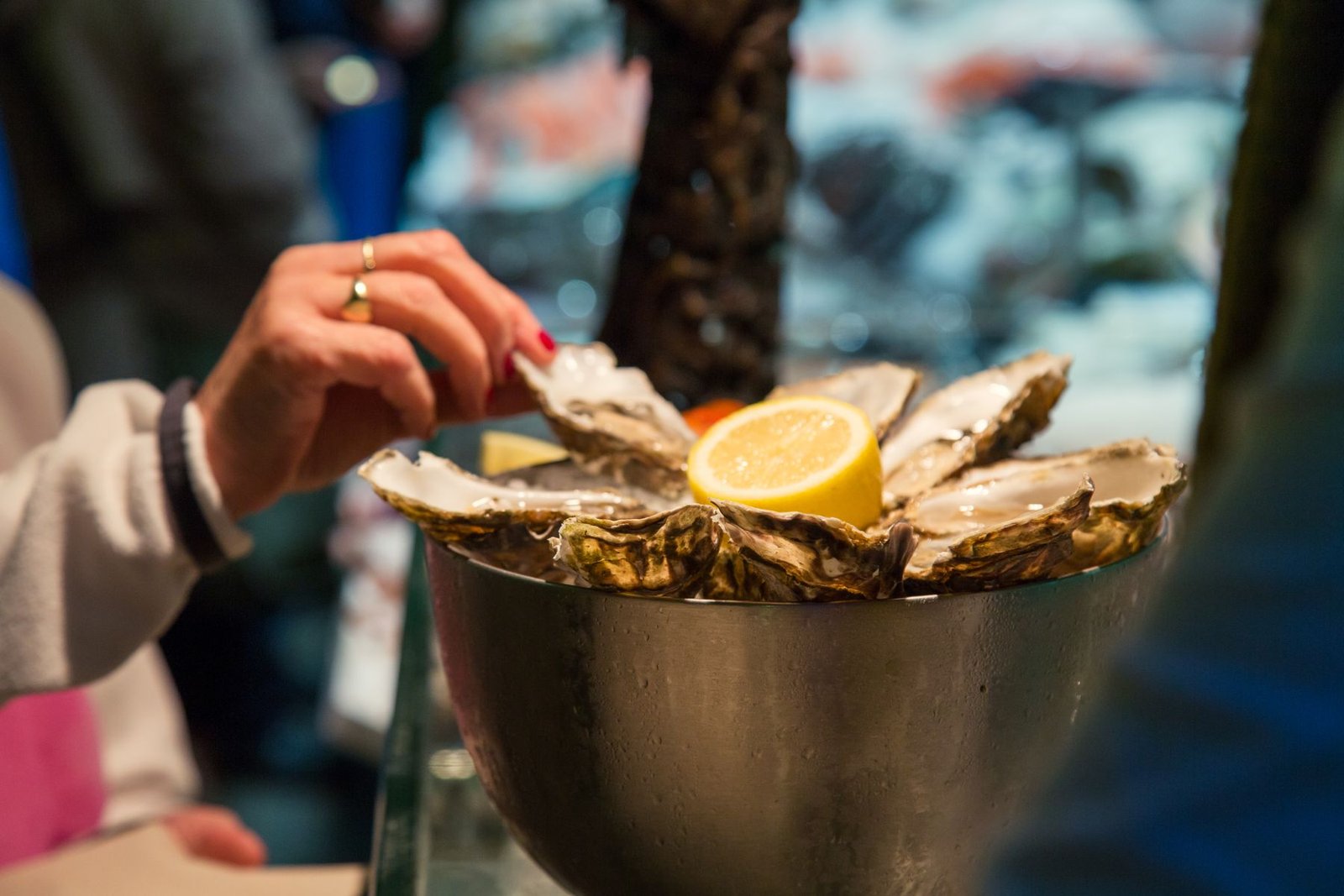
If you take nothing else from this post, take this: Matsushima is oyster country, and you should eat accordingly. Miyagi Prefecture is one of Japan’s biggest oyster-farming regions, and the little strip of restaurants and stalls near the pier leans hard into it — grilled oysters dripping with soy sauce, oyster hot pot in winter, fried oyster sets, even oyster-flavored soft-serve if you’re feeling adventurous (I was not, but my friend was, and she has no regrets). I ended up at a tiny counter seat eating grilled whole oysters straight off the shell with a squeeze of lemon, and it remains one of the best lunches I’ve had anywhere in Tohoku. A few stalls grill fresh squid on skewers too, which makes for a great walking snack while you wait for your boat.
Getting There and a Few Practical Tips
From Sendai, the easiest route is the JR Senseki Line to Matsushima-kaigan Station, which drops you right near the pier and the boat cruises. If temples are more your priority, JR Tohoku Line to Matsushima Station is a bit closer to Zuiganji, though it’s an easy fifteen-minute walk between the two station areas either way. The whole trip from Sendai takes well under an hour, which makes Matsushima an easy half-day or full-day add-on if you’re already up in that part of the country.
Go on a clear morning if you can — the light on the water is noticeably better before midday, and the cruise boats get crowded with tour groups by early afternoon. I’d also recommend checking tide and cruise schedules the day before, since some of the smaller boats adjust their routes depending on conditions. And bring small bills; several of the food stalls near the pier are cash-only.
I came to Matsushima expecting a nice view and a photo op, and left thinking about a poet with nothing to say, a temple that outlasted a tsunami, and the best plate of oysters I’ve eaten in years. That’s a pretty good return on a forty-minute train ride.
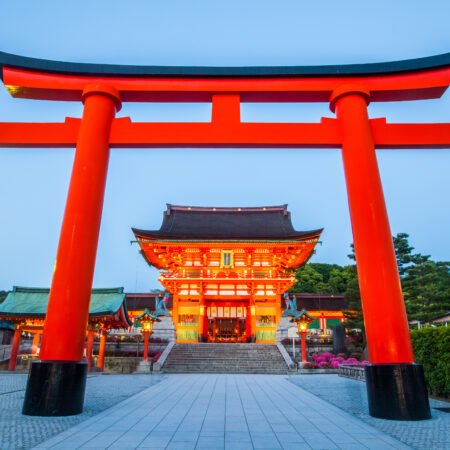
A quick note on photos: some of the images here are stock photos I’ve used to set the mood — they may not be the exact spot or moment I’m describing, just close in spirit.
コメント