






Eleven temples in, my knees had opinions. The Shikoku pilgrimage is supposed to be a gentle unspooling of eighty-eight stops, most of them a short taxi ride or a flat country walk from the last. Then you reach Temple 12, and the trail stops being gentle at all. From Fujii-dera, the eleventh temple, the path climbs more than a thousand metres over roughly eleven kilometres of forest switchbacks, and local pilgrims have a name for a climb like this: henro korogashi, the “pilgrim-tumbling” slope. I’d heard the nickname the night before from a woman running a guesthouse in Kamiyama, who said it with the fondness people reserve for something that has humbled them personally. I understood what she meant somewhere around hour three, soaked in sweat in the cedar shadow, wondering why a temple would choose to live this far up a mountain in the first place.
The answer, according to the story the mountain tells about itself, has to do with fire.
A Name Nobody Translates Kindly
Shosanji, 焼山寺, means roughly “burning mountain temple,” and the name is not decorative. According to local tradition, the thickly forested peak above present-day Kamiyama was once home to a creature with the power to set the whole mountainside alight — a giant serpent in some tellings, a fire-breathing dragon in others. The sources disagree on the details in a way I find oddly reassuring, because it suggests nobody is straining to make the story more consistent, or more marketable, than it actually is.
The earliest layer of the legend credits En no Gyōja, the semi-legendary ascetic founder of Japan’s mountain-worship tradition of Shugendō, with first subduing the creature sometime in the Asuka period and enshrining a mountain deity on the summit. The story the temple tells most often today, though, centres on Kūkai — the monk later venerated as Kōbō Daishi, and the founder of the Shikoku pilgrimage itself. The temple’s own account places this encounter in the year 815. Kūkai is said to have been resting under a cedar when he dreamed of the Buddha Amida, and woke to find the mountain already a sheet of fire. He purified himself in the river below, climbed toward the blaze, and when the serpent turned the whole slope against him, he is said to have performed a ritual gesture and chant that drove the creature back into a cave near the summit, where — so the story goes — it remains sealed to this day. Afterward, he is said to have carved a three-faced guardian figure and prayed for the recovery of the villages the fire had damaged.
I want to be careful here, because it would be easy to tell this as settled fact and it isn’t. It’s denshō — a transmitted story, kept alive because it is meaningful to this place, not because it is verifiable. What is documented is that the temple has stood on this mountain for well over a thousand years, that it is formally the twelfth of Shikoku’s eighty-eight temples, and that its name has meant “burning mountain” for as long as anyone has recorded it.
The Slope That Rolls Pilgrims Back
Whatever you make of the dragon, the mountain itself is not exaggerated. The climb from Fujii-dera is widely counted among the pilgrimage’s hardest stretches, with a net elevation gain over a thousand metres across the eleven-plus kilometres to the temple gate, much of it on narrow dirt switchbacks rather than road. Along the way are a handful of small roadside halts that pilgrims have used for generations to rest: a hut called Chōdōan with a weathered statue of Kōbō Daishi, a spring-fed shelter called Ryūsuian, and a resting point marked by an enormous cedar that tradition says Kōbō Daishi himself planted. I stopped at each of them, less out of piety than self-preservation.
Guides and pilgrim forums describe this stretch, half-joking, as the point where people quietly decide the pilgrimage isn’t for them after all. I believe it. There’s a cave along the upper trail, below the actual summit, that local tradition associates with the sealing of the serpent — and by the time I reached the turn-off for it, legs shaking, lungs burning in a way that felt faintly, uncomfortably on-theme, I had no trouble imagining why medieval pilgrims might have decided a fire-breathing guardian was a perfectly reasonable explanation for why this particular mountain refused to let anyone up easily.
What’s Actually Waiting at the Top
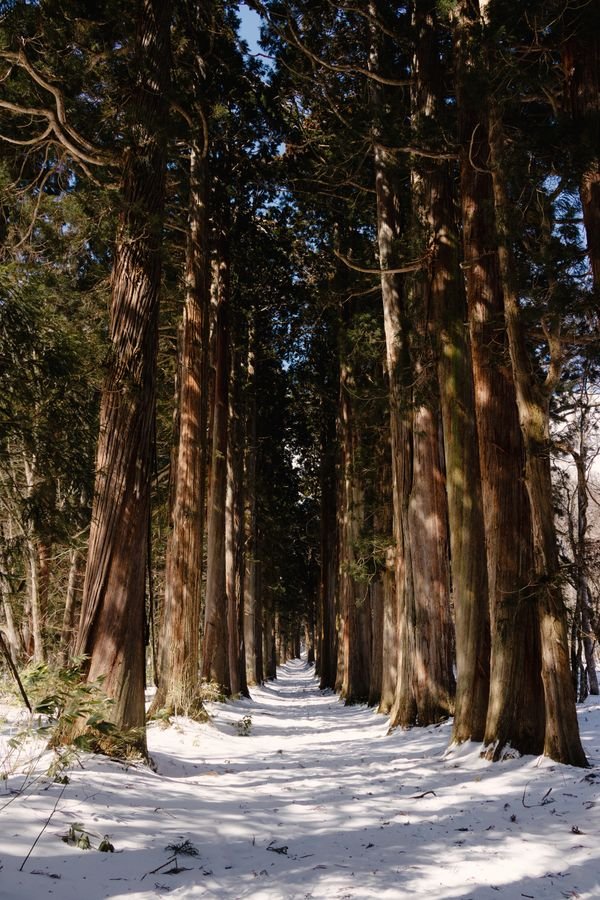
What greets you at the summit is not smoke but some of the oldest living things in the prefecture. The temple grounds are lined with cedars said to be several hundred years old, protected as a prefectural natural monument, and they do the thing old cedars do to a person who has just spent four hours earning the right to stand under them — the noise of the climb just falls away. Inside a hall beside the main building sits a carved trio of guardian figures: Daikokuten in the centre, flanked by Bishamonten and Benzaiten, the set traditionally linked to Kūkai’s own hand. The main object of worship, Kokūzō Bosatsu, is venerated here as the bodhisattva whose intercession let Kūkai complete his task on the mountain — a detail that matters more if you’ve just climbed it than it would on paper.
There’s a second, quieter legend attached to this stretch of the pilgrimage, tied more properly to a temple further down the road in Ehime, so I won’t retell it here. Shosanji’s own version of events stays with the fire, the cedar, and the cave — and that’s enough for one mountain.
Climbing It Properly
If you go, go on your own feet if you can manage it, or by the bus route from Tokushima Station that connects through Yoriinaka — but either way, allow real time. Opening hours are generally quoted as 8 a.m. to 5 p.m., though I’d confirm before you set out, since the temple’s stamp office has been known to close earlier in the afternoon, and lodging availability on the mountain changes from year to year, so don’t count on a room without calling ahead. Weather turns quickly at this elevation even outside winter, so proper footwear and a layer for wind are not optional vanity. Stay on the marked trail rather than wandering off toward the cave itself out of curiosity — it sits within the temple’s grounds, not an abandoned ruin, and treating it as a sightseeing detour rather than part of an active place of worship does it a disservice. The cedars are centuries older than any of us passing beneath them; a hand on the bark is harder on the tree than it looks. And if you arrive sweating and half-convinced the mountain is testing you personally, you’re in good company — that’s more or less the point it’s been making to pilgrims for over a thousand years.
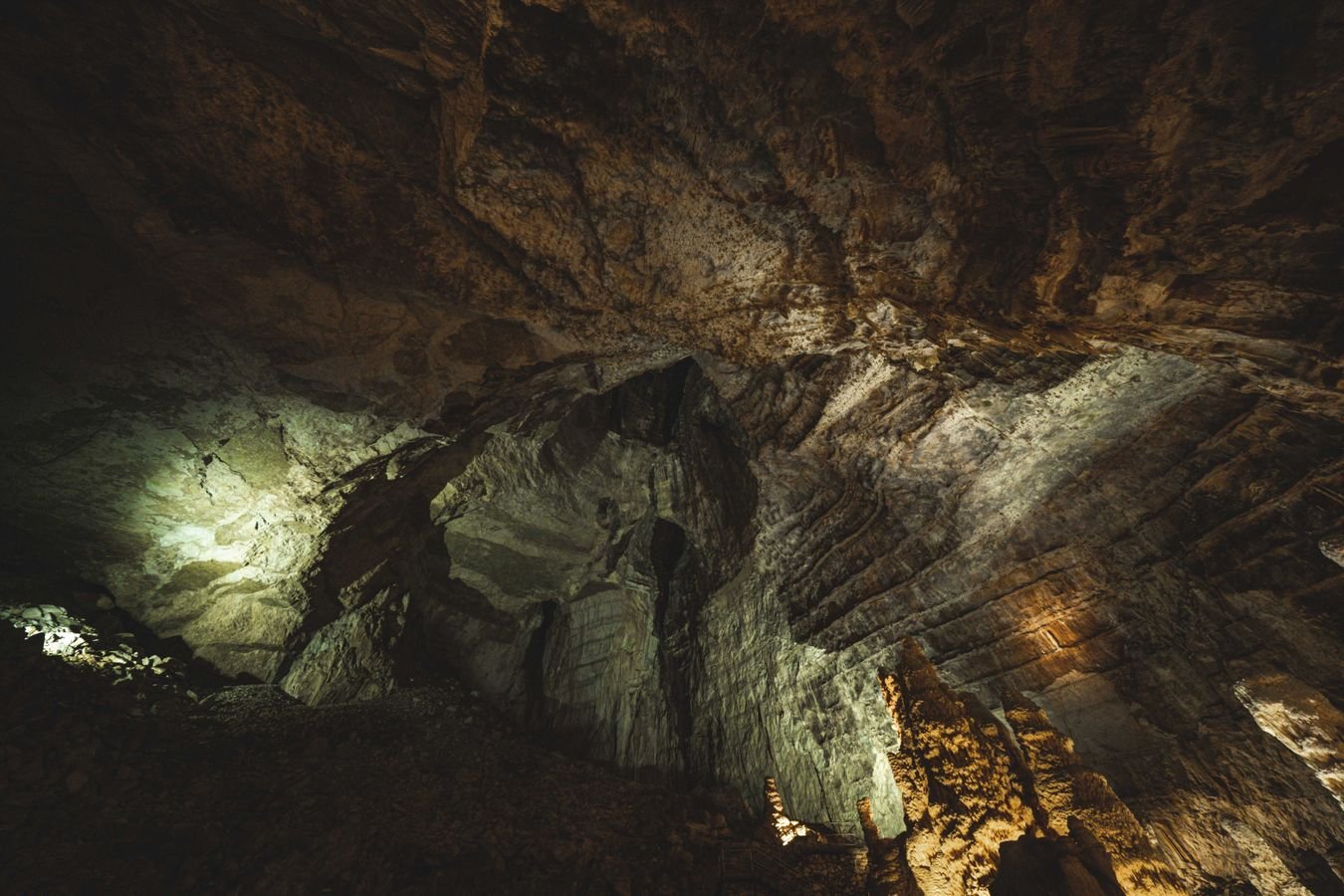
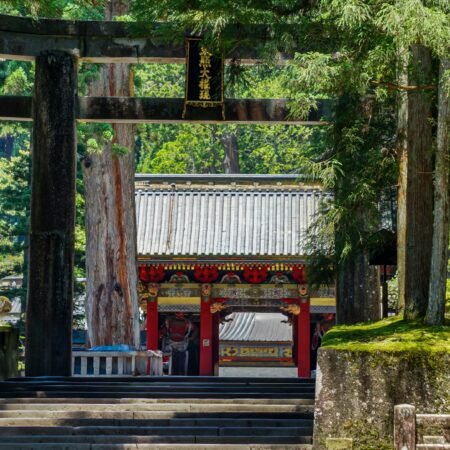
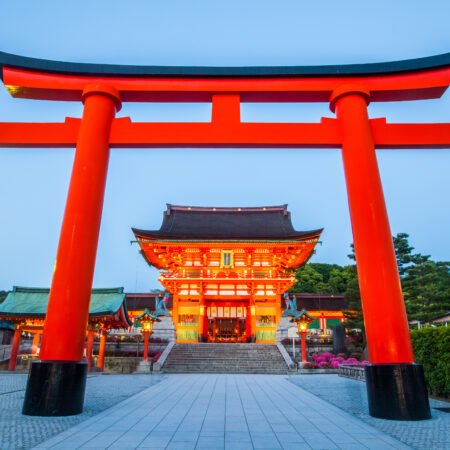
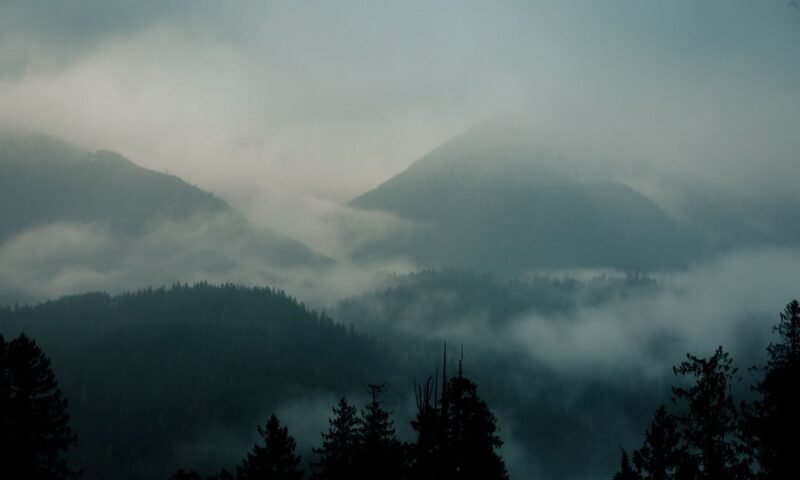
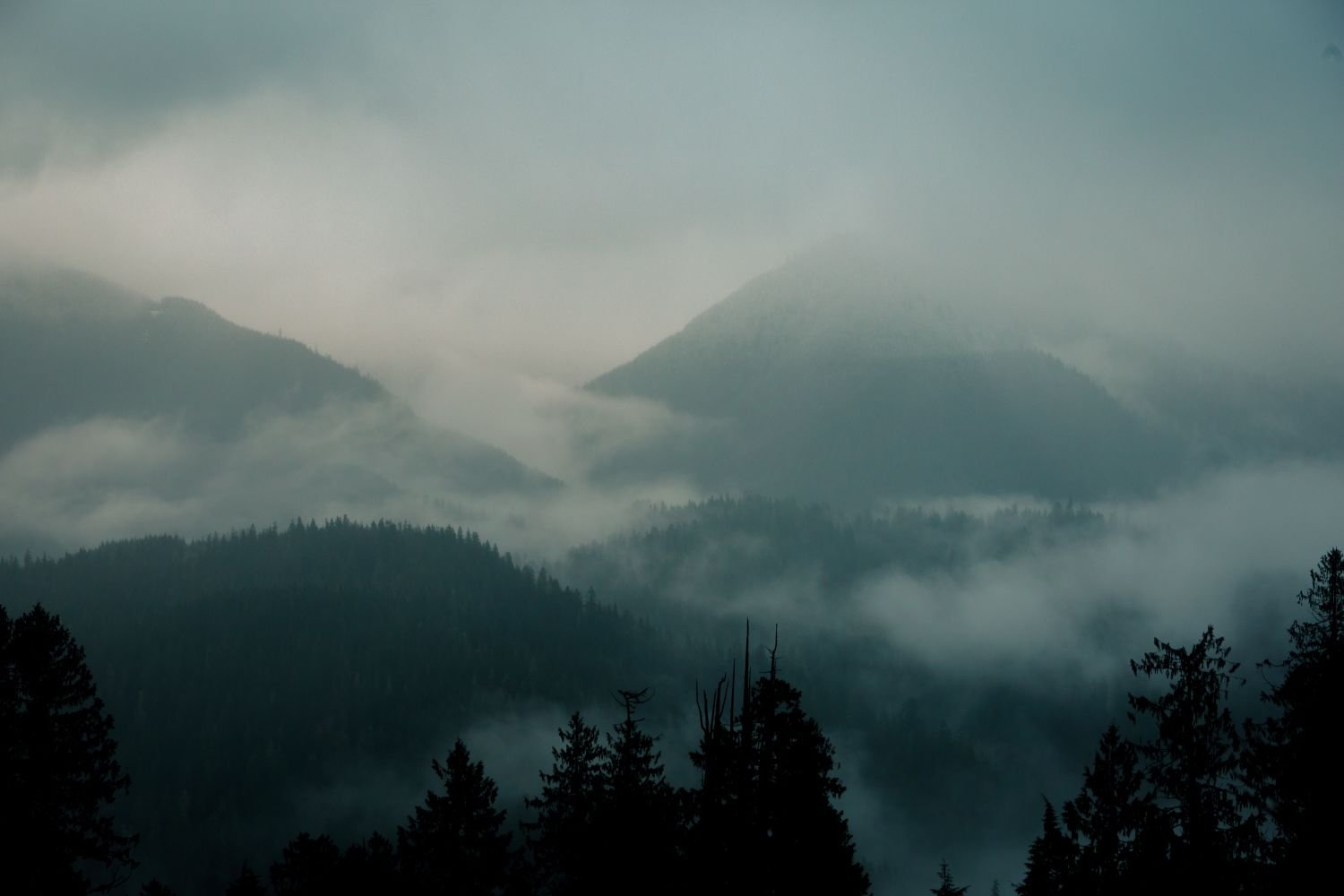
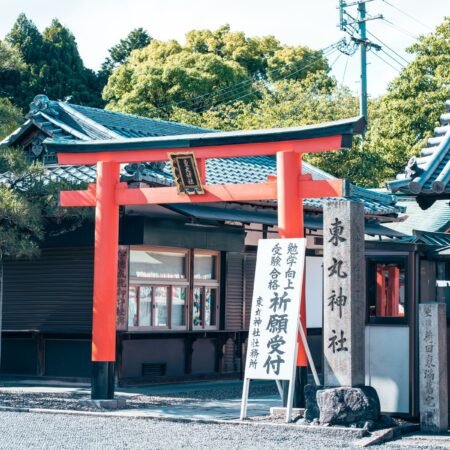
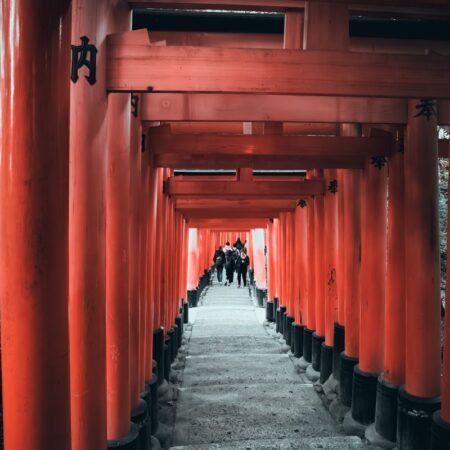
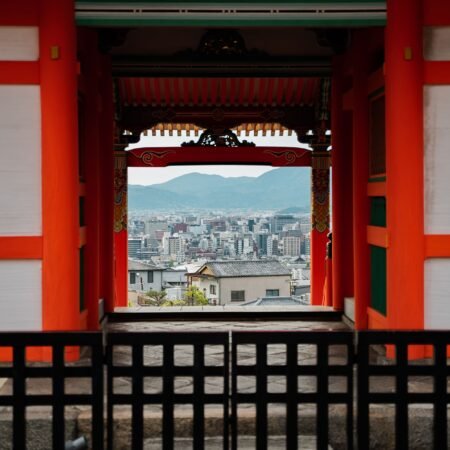
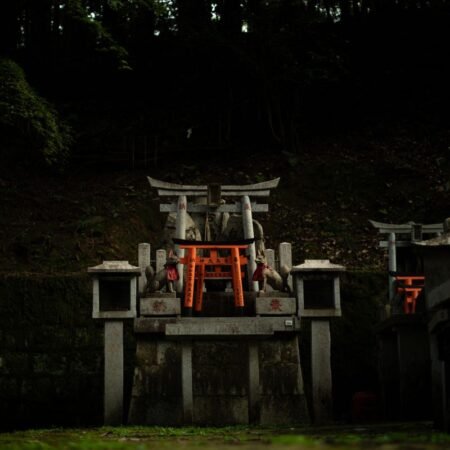
Note: images accompanying this article are illustrative stock photos and do not necessarily show the specific site discussed.
コメント