





I got to Asakusa at nine in the morning thinking I’d beat the crowds. I hadn’t even made it past Kaminarimon Gate before I was wedged between a grandmother with a folding stool and a teenager filming everything on his phone, both of us staring at the same thing: a one-ton wooden shrine bouncing down the street on the shoulders of about forty sweating, shouting men in matching happi coats. That was my introduction to Sanja Matsuri, and three years into living in Japan, it’s still the loudest, most physically overwhelming festival I’ve been to. Kyoto’s processions feel like theater. Sanja Matsuri feels like you’ve wandered into a rugby scrum that someone forgot to tell you was also a religious ceremony.
Three Fishermen, One Statue, and a Festival Born From Luck
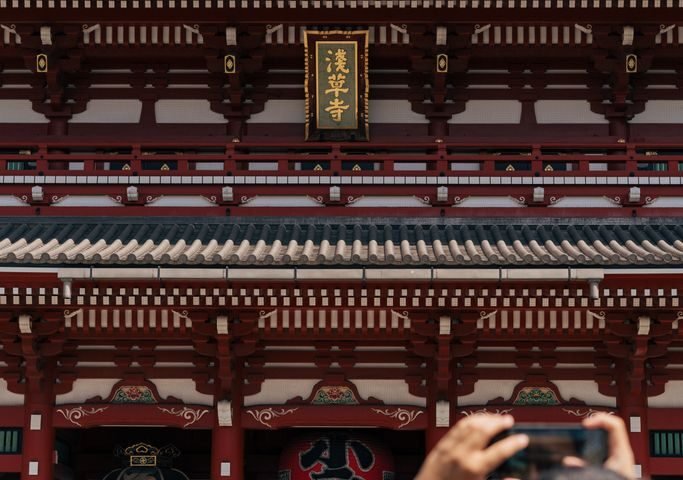
The story behind Sanja Matsuri goes back to the year 628, when two brothers, Hinokuma Hamanari and Hinokuma Takenari, were fishing the Sumida River and pulled up a small golden statue of Kannon, the Buddhist goddess of mercy, instead of a catch. They brought it to the village chief, Hajino Nakatomo, who recognized what they’d found, had himself converted, and enshrined the statue in his own home. That little act of devotion eventually grew into Senso-ji, now Tokyo’s oldest temple, and centuries later a separate shrine, Asakusa Shrine, was built right next door to honor all three men as deities in their own right. “Sanja” literally means “three shrines,” and the festival each May is Asakusa’s way of thanking its three accidental founders all at once.
What I love about this origin story is how unglamorous it is. No dragons, no warring clans, just two brothers having an unexpectedly good day on the river and one guy who happened to take it seriously. The festival that grew out of it, though, is anything but humble.
Friday: The Grand Procession and the Dance Nobody Explains to Tourists
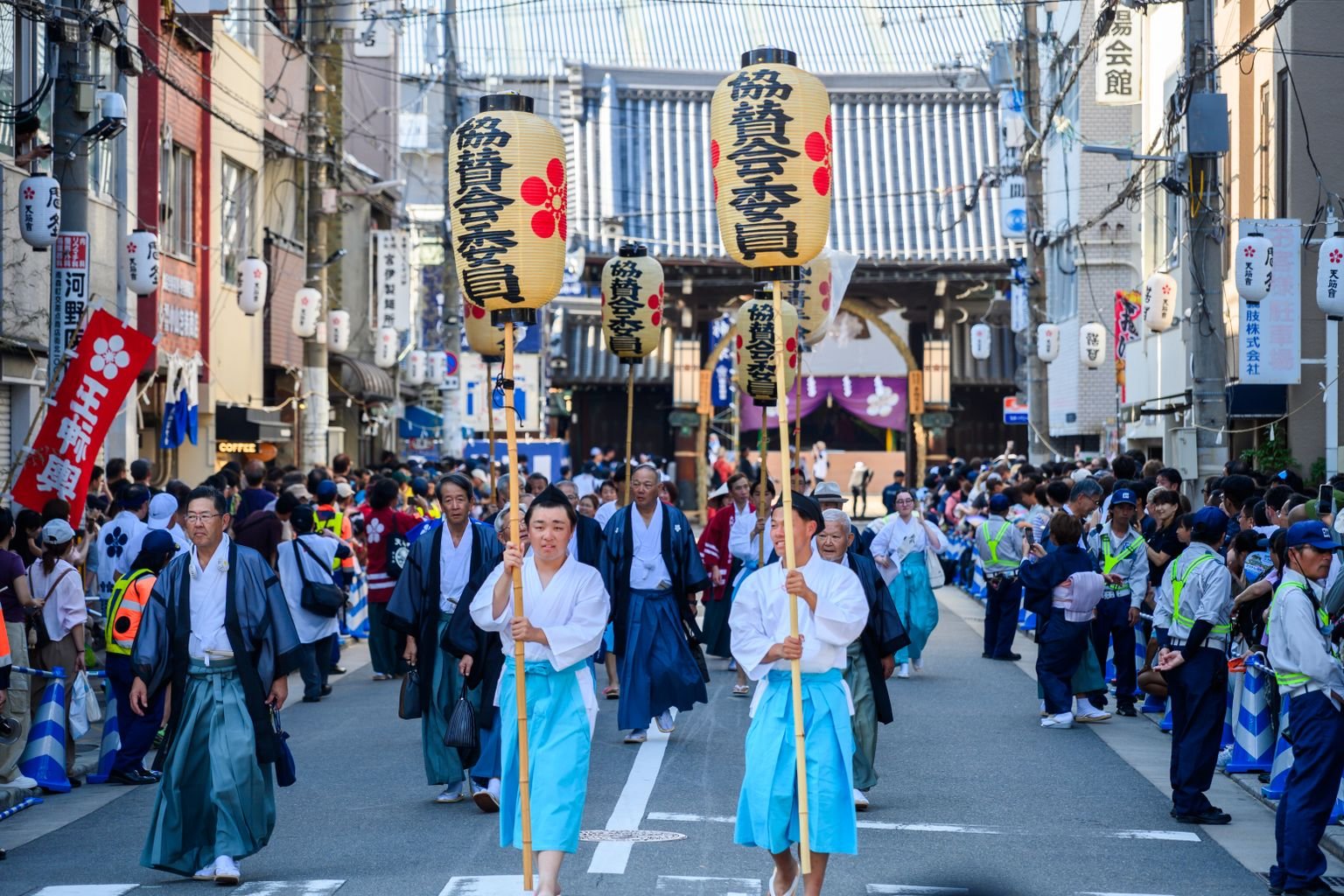
Sanja Matsuri runs for three days every third weekend of May, and each day has a completely different personality. Friday afternoon opens with the daigyoretsu, a long procession of geisha, shrine officials in formal hakama, musicians, and dancers in tall heron-shaped hoods that winds its way down Nakamise-dori, the shopping street leading straight into Senso-ji. I watched it from a gap between two souvenir stalls, close enough to smell the incense drifting out of the temple.
The part I didn’t understand until a shopkeeper explained it to me is the binzasara dance performed that same afternoon at the shrine. Dancers click together wooden slats strung on cords, a sound like dry rain, in a routine meant to pray for a good harvest and ward off misfortune. It’s quiet and strange next to everything else happening that day, and it’s easy to miss if you’re not standing in the right spot around early-to-mid afternoon.
Saturday and Sunday: When the Whole Neighborhood Shows Up on Someone’s Shoulders
Saturday is when the festival really opens up. Around a hundred mikoshi, portable shrines belonging to the roughly forty-four neighborhood associations that make up Asakusa, gather near Kaminarimon Gate, get blessed one by one at Asakusa Shrine, and then get carried back out into their own streets. Every one of them is different, every one has its own group of bearers in matching coats, and by midday the whole district smells like grilled skewers and sounds like a wall of chanting.
Sunday belongs to the three honsha mikoshi, the main shrines carrying the spirits of the three founders themselves. They leave the shrine before dawn and don’t return until well into the evening, paraded through dozens of streets by rotating teams of bearers who deliberately shake, tilt, and jostle them as they go. I asked a woman next to me why they rock the shrine around so roughly instead of just carrying it steady, and she told me it’s meant to wake up and energize the deity inside, which in turn brings luck to whichever street it passes through. It’s also, not coincidentally, a way for the bearers to show off. More than a few of them bare their shoulders and backs as they carry, and it’s not unusual to see tattoos on full display, a detail connected to the festival’s old associations with Edo-period firefighters and tradesmen who wore elaborate ink.
Altogether, something like a million and a half to two million people pass through Asakusa over the three days, which means Sunday afternoon near the shrine is less a festival and more a very good-natured human traffic jam. I got separated from my friend for twenty minutes just trying to cross from one side of the mikoshi’s path to the other.
If You Go
Sanja Matsuri always falls on the third Friday, Saturday, and Sunday of May, so mark that window on your calendar rather than a fixed date. The festival is centered on Asakusa Shrine, right beside Senso-ji at 2-3-1 Asakusa, Taito City, Tokyo, and the easiest way in is Asakusa Station, served by the Tokyo Metro Ginza Line, the Toei Asakusa Line, and the Tsukuba Express.
A few things I wish someone had told me beforehand: go early on Sunday if you want any chance of seeing the honsha mikoshi up close near the shrine itself, because the crowd only gets denser as the day goes on. Wear shoes you can stand in for hours, because once you’re wedged into the crowd along Nakamise-dori or Kaminarimon, you are not moving quickly in any direction. And don’t expect a quiet, contemplative shrine visit that weekend — Asakusa during Sanja Matsuri is Tokyo at its loudest and most physically present, which is exactly the point.
If matsuri season is still ahead of you this year, I’d genuinely put this one near the top of the list. It’s chaotic in the best way, and watching an entire neighborhood show up to carry its own shrine through its own streets taught me more about how Tokyo actually works, block by block, than any guidebook did.
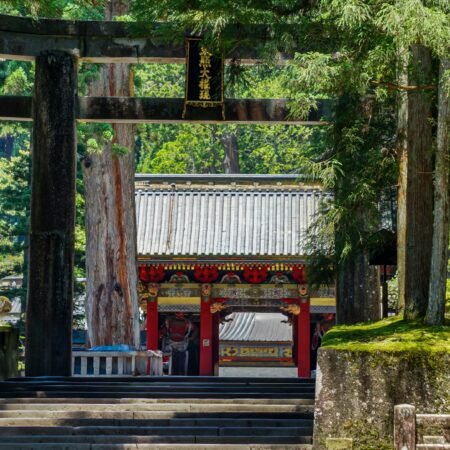
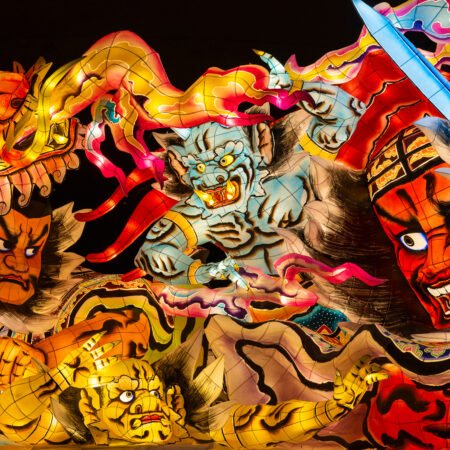
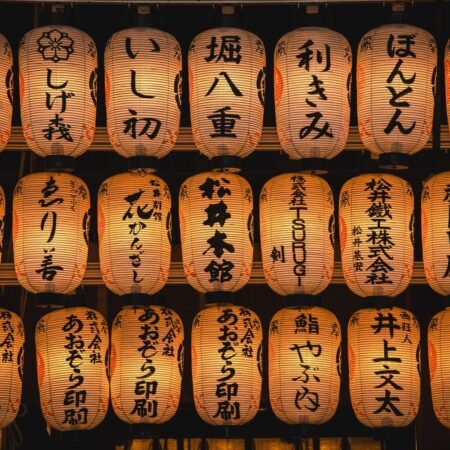
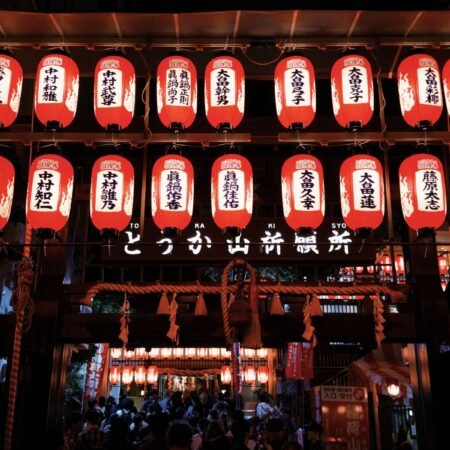
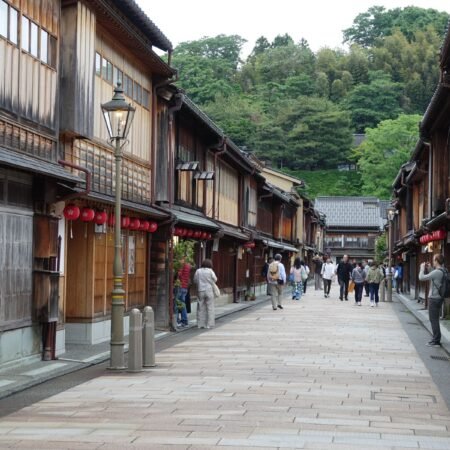
A quick note on photos: some of the images here are stock photos I’ve used to set the mood — they may not be the exact spot or moment I’m describing, just close in spirit.
コメント