




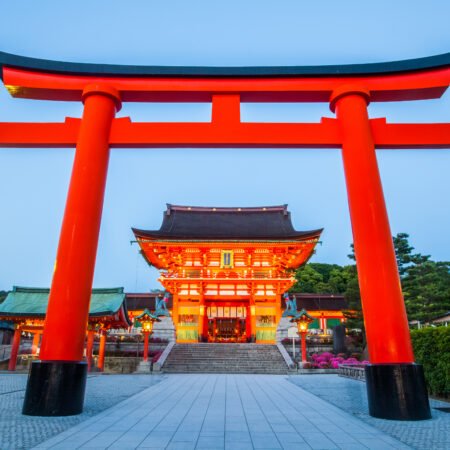

I almost didn’t go. It was late July, the kind of Osaka evening where the humidity sits on your skin like a wet towel, and my first instinct was to stay in my air-conditioned apartment with a cold mugicha. But a friend texted me a single line — “the river’s going to be on fire tonight” — and five years into living in Japan, I’ve learned that sentences like that are never worth ignoring. So I grabbed a uchiwa fan, put on the lightest cotton dress I owned, and headed for Osaka Tenmangu Shrine to see the Tenjin Matsuri for myself.
I knew, vaguely, that it was supposed to be a big deal. I didn’t know it was going to be one of the most overwhelming, beautiful nights I’ve had in five years here.
A Shrine for the God of Lightning and Exams
Tenjin Matsuri is held every year on July 24th and 25th at Osaka Tenmangu Shrine, and it honors Sugawara no Michizane, a Heian-era scholar and court official who was exiled to Kyushu in the early 900s and died there in 903. Within a few decades he’d been deified as Tenjin, the god of thunder and, somewhat more gently, of scholarship — which is why students across Japan still come to Tenmangu shrines before exam season to pray for good grades. Osaka’s shrine itself was founded in 949, and the festival’s roots stretch back to 951, when a sacred spear was floated down the Okawa River in a purification ritual to decide where that year’s temporary shrine should sit.
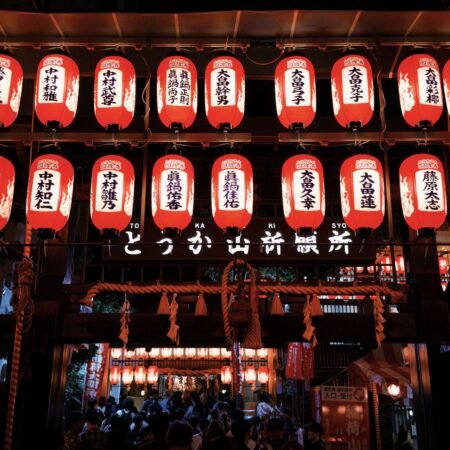
What struck me, standing at the shrine gates that evening, was how little of that ancient weight it felt like. Yes, there were priests in formal robes and a mikoshi (portable shrine) being prepared with real ceremony. But mostly there were families fanning themselves with festival fans, teenagers in yukata taking selfies, and old men setting up camp stools along the riverbank like they’d done this every July of their lives — because, I realized, a lot of them probably had.
Two Processions, One River
The festival actually starts the day before I arrived, with a quiet morning ritual where a sacred spear is floated on the Okawa. But the part everyone comes for is the 25th, which unfolds in two acts. First comes the Rikuto Gyoretsu, a land procession of several thousand people — mikoshi bearers, drummers, dancers, and performers in historical costume — that winds for hours through the streets near the shrine before arriving at the riverbank.
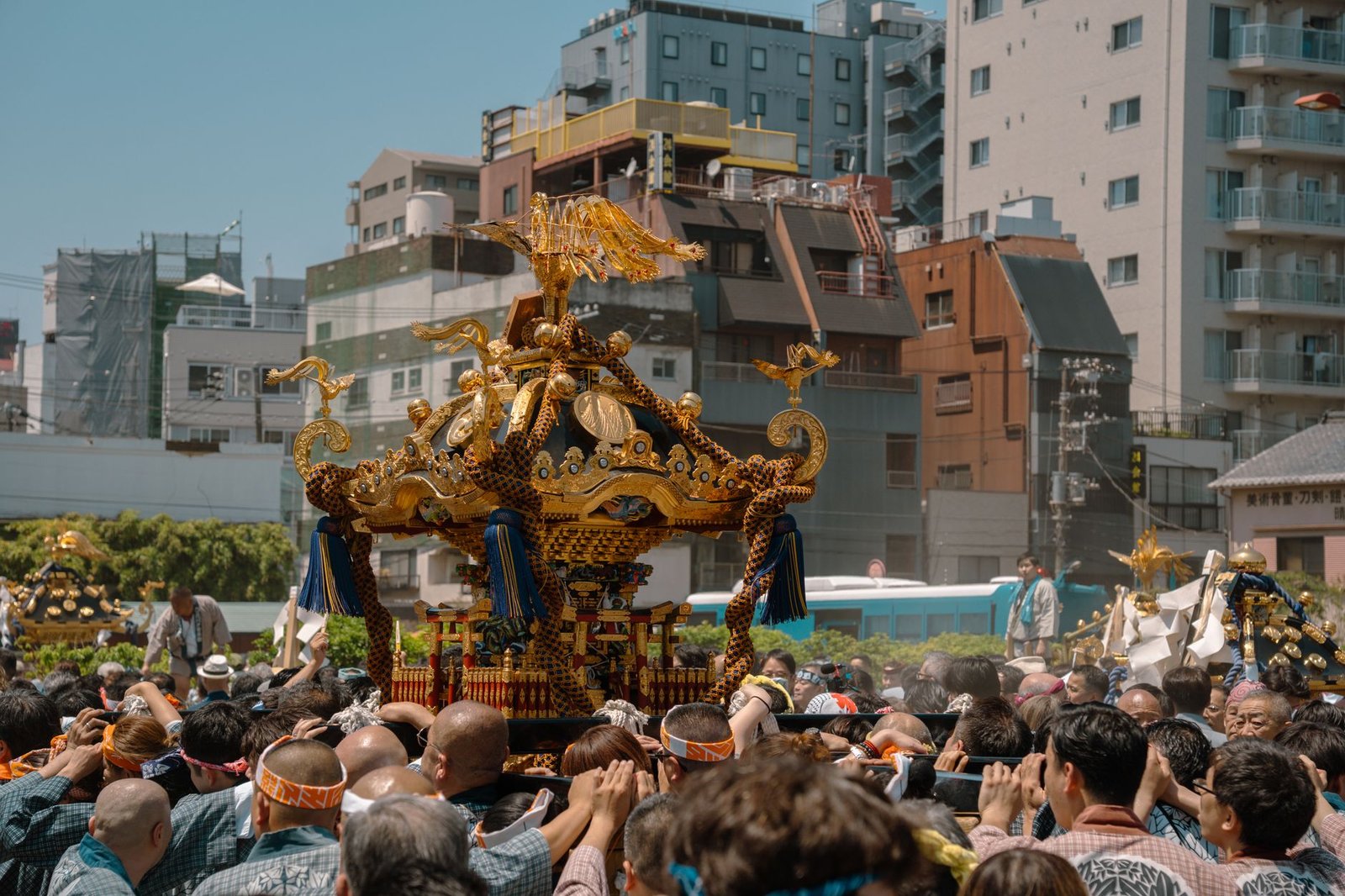
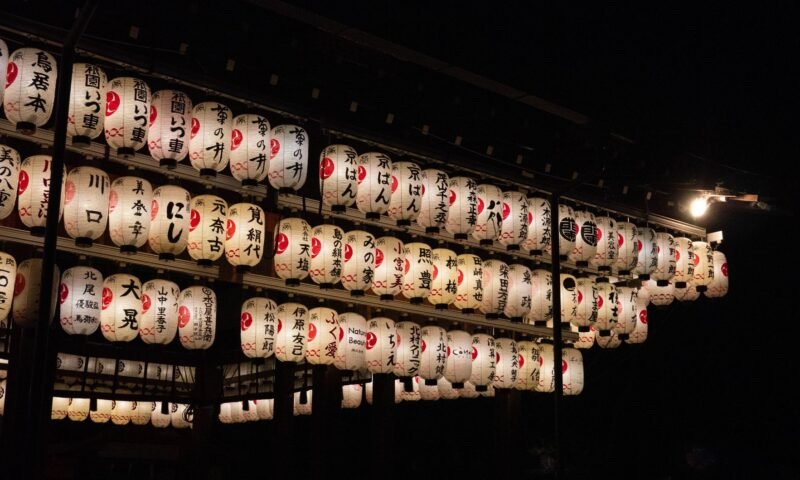
Then the real spectacle begins: the Funatogyo, or boat procession. Around a hundred boats, carrying everything from musicians and dancers to the sacred mikoshi itself, set off down the Okawa River in a slow, glowing line. I found a spot on Tenjinbashi bridge just as the first boats came into view, lanterns strung along their hulls, taiko drums echoing off the water, and I understood immediately why people had been saving their spots for hours. It’s not a parade you watch so much as one that drifts past you, unhurried, boat after boat after boat, for the better part of an hour.
The Festival of Fire and Water
Around 7:30pm, right as the boats were still gliding by, the sky over the Okawa lit up. The fireworks display — locals call it Hono Hanabi — runs for about ninety minutes, and it’s launched so close to the river that every burst doubles itself in the water below. Combined with all those lantern-lit boats still floating past, it’s easy to see why this festival has earned the nickname “the Festival of Fire and Water.” I’d seen plenty of hanabi taikai in my five years here, but never one layered on top of a moving boat procession like this, with drumbeats and cheering drifting up from the water in between each firework.
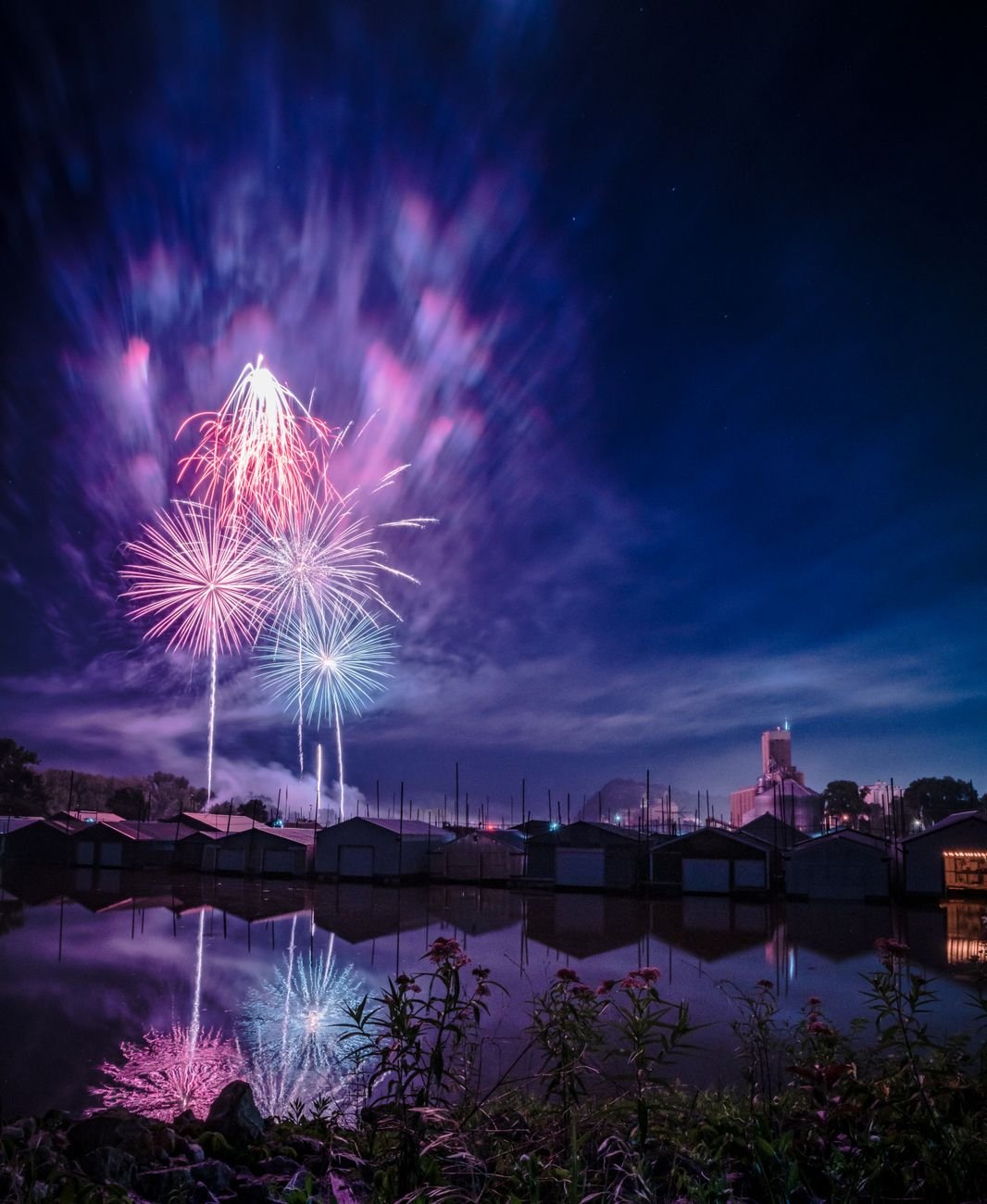
Tenjin Matsuri is usually named as one of Japan’s three great Shinto festivals, alongside Kyoto’s Gion Matsuri and Tokyo’s Kanda Matsuri, and standing on that bridge, shoulder to shoulder with a few thousand strangers, all of us craning our necks at the same sky, I finally got why it belongs in that company. It isn’t flashier than Gion Matsuri’s towering floats, but it has its own, quieter kind of grandeur — the whole thing is built around water, movement, and reflection, literally.
If You’re Going: A Few Practical Notes
If you want to actually see the boats and fireworks rather than just hear them from a side street, get to the Okawa riverbank or Tenjinbashi bridge area by early afternoon on the 25th — by evening, the best free viewing spots near Sakuranomiya Park and the river are shoulder-to-shoulder. Osaka Tenmangu Shrine is a short walk from Minami-Morimachi or Osaka Tenmangu stations, but expect train stations to be packed and some to temporarily restrict entry during peak crowd crushes. Paid viewing seats (yukami-sen, literally “viewing boats,” plus riverside bleacher seats) sell out months in advance if you want a guaranteed, comfortable view with less jostling.
Food-wise, look out for festival stalls selling chilled somen noodles and hamo, a seasonal conger eel that’s something of a Tenjin Matsuri specialty — it’s considered an essential taste of Osaka summer. Wear the lightest clothes you own, bring a hand towel for the heat, and expect to be on your feet (or perched on a curb) for several hours. It’s worth every drop of sweat.
Walking home that night, sweaty and slightly sunburned and completely unable to stop talking about it, I kept thinking about how a festival built around death — mourning a man exiled a thousand years ago — had turned into one of the most joyful, chaotic, genuinely communal nights I’ve experienced in Japan. That’s kind of the thing I love most about matsuri season here: history doesn’t stay in museums. It gets put on a boat, lit on fire, and sent floating down a river for everyone to see.
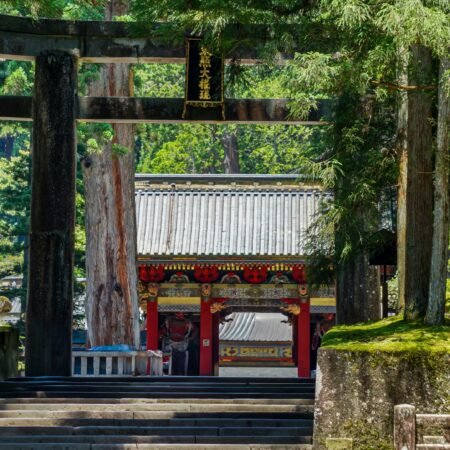
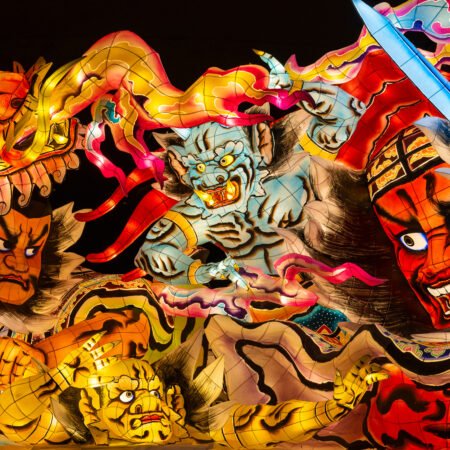
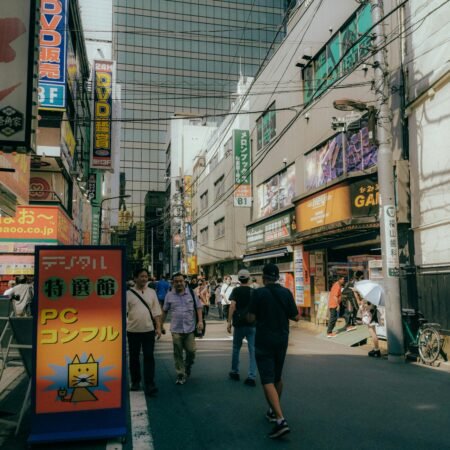
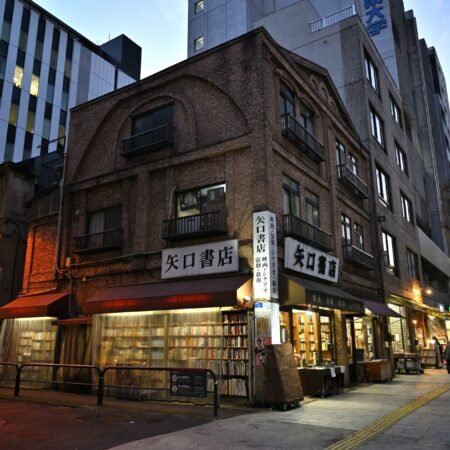
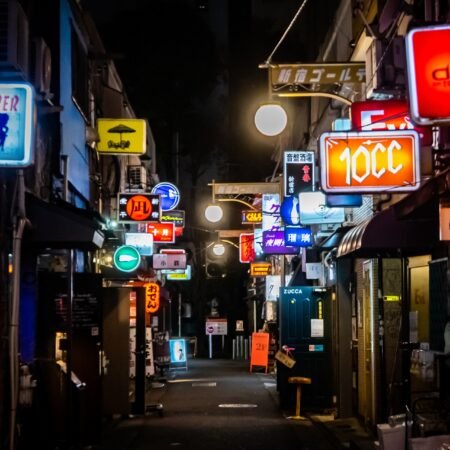
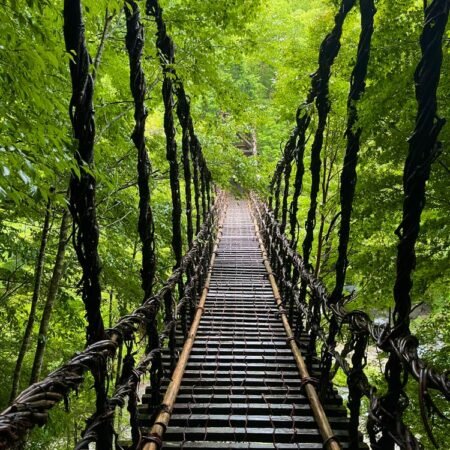
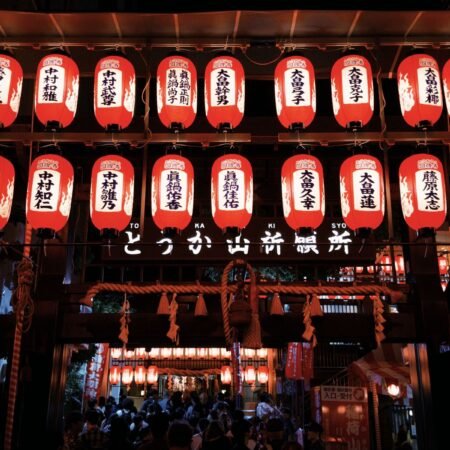
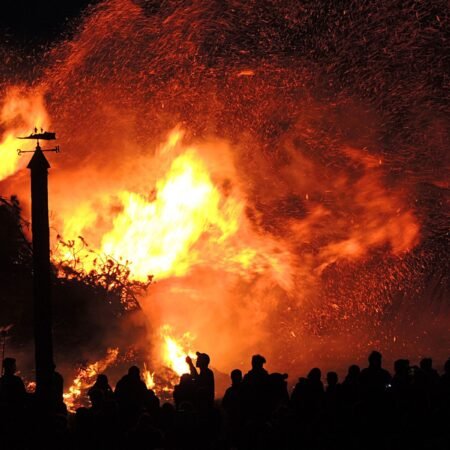
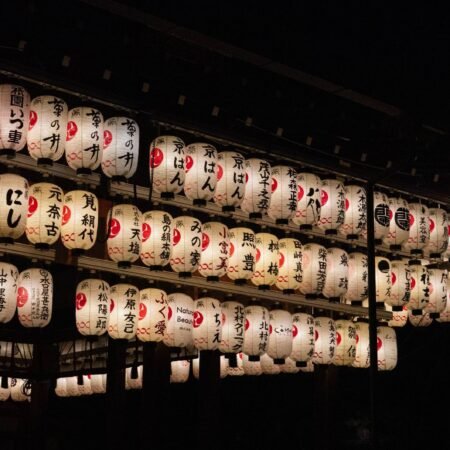
A quick note on photos: some of the images here are stock photos I’ve used to set the mood — they may not be the exact spot or moment I’m describing, just close in spirit.

コメント