






I found the first mystery by accident. I was cutting through a nondescript little park in Koto-bashi, a few minutes’ walk from the east exit of Kinshicho Station, trying to get out of a sudden August downpour, when I noticed a stone marker near the entrance. It was small, easy to miss, and it was telling me that I was standing on the site of a haunted moat.
That moat is long gone, filled in decades ago, but the park that replaced it still carries its name: Kinshibori Park, named for the “Oitekebori” that used to run here. According to the City of Sumida’s own historical notes, this is one of the physical anchors of a loose cycle of Edo-period ghost stories known as the Honjo Nanafushigi, the Seven Mysteries of Honjo, and it is still the most famous of the lot.
The Moat That Wouldn’t Let You Leave
The story, as it has been told for roughly three centuries, goes something like this. A fisherman working the moats and canals that once laced this low-lying district east of the Sumida River has an unusually good evening, his basket heavy with fish as dusk comes on. As he turns to head home, a voice rises out of the water behind him: “Oiteke… oiteke…” Leave it behind. Leave it behind.
If he keeps walking, the story goes, he arrives home to find his basket empty, the fish vanished somewhere along the path. In some tellings he is so unsettled that he drops everything and runs; in others he looks back just once and sees nothing but dark water. Nobody in the old accounts agrees on who, or what, was doing the calling. Later retellings blame a kappa. Others blame a tanuki, or the restless spirit of someone who drowned in the moat. The oldest versions do not bother explaining at all, which is, I think, the more honest choice.
Honjo in the Edo period was reclaimed marshland, a grid of canals, drainage ditches, and footbridges laid out east of the river to house the city’s overflow population as Edo swelled into one of the largest cities on earth. It was darker than the fashionable districts across the water, criss-crossed with water nobody had properly mapped, and it is not hard to see how a story warning people not to linger by the moats after dark might have started as something closer to a safety notice than a ghost story.
A Lantern That Won’t Go Out, a Festival With No Musicians
“Nanafushigi,” seven mysteries, is a bit of a misnomer, and every local history page I have found is careful to say so. Edo-period writers loved tallying up local wonders in sets of seven, and over the decades different essayists, print-sellers, and storytellers in Honjo compiled different lists, so depending on which Edo-era source you trust, the real total runs closer to nine or ten. Oitekebori is the one every list keeps.
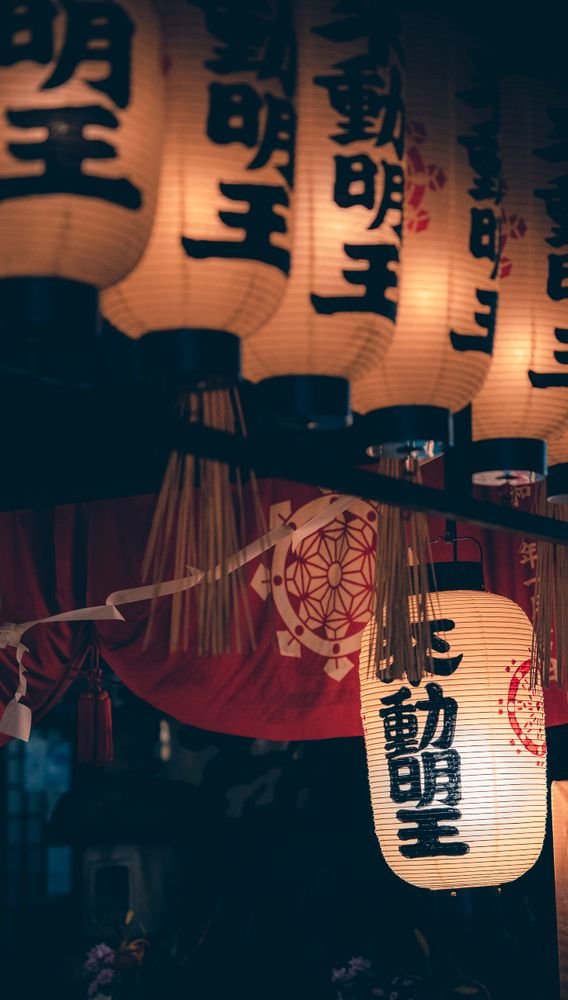
Among the others usually included is the “Kiezu no Andon,” the lantern that never goes dark, said to hang outside a shop or guardhouse in the district and to keep burning through wind and rain that would snuff out any ordinary flame, as though someone, or something, kept trimming the wick. There is also “Tanuki-bayashi,” phantom festival music, drums and flutes drifting through the streets on quiet nights with no procession and no musicians ever found, which folklorists generally read as the district’s tanuki playing one of their traditional pranks on passersby. A few lists add “Kataha no Ashi,” reeds along a certain ditch that supposedly grew leaves on only one side of the stalk, with explanations for why varying by teller and none of them, as far as I can tell, resting on anything you could call a verified historical event.
I want to be careful here, because it is tempting to go hunting for “the true story” behind each of these, and in Honjo’s case there mostly isn’t one on record. These read less like accounts of a single dramatic incident and more like a neighbourhood’s running in-joke about its own strange corners, retold often enough that it hardened into local lore.
Why a Reclaimed Swamp Grew So Many Ghosts
What I find more interesting than any individual tale is what the cluster of them says about the place. Honjo and the neighbouring Fukagawa district were, for much of the Edo period, the practical, working half of the city: warehouses, canal transport, modest housing, and a lot of water nobody had gotten around to taming yet. West of the river, in the shogun’s own quarter, there was less of this kind of story. East of it, where the ground was wetter and the lighting was worse, the ghost stories piled up.
That pattern shows up again and again across Japan’s local ghost lore: the stories cluster where the land itself was genuinely dangerous, drowning hazards, unstable ground, unlit paths, and the folklore does double duty, part entertainment, part a way of telling children and newcomers where not to wander after dark. Sumida’s local history office still fields enough questions about the Nanafushigi, helped along by a 2023 video game that borrowed the name, that they keep an official page explaining what can and can’t be verified about each tale. I appreciate that kind of institutional honesty about its own ghost stories more than I can really say.
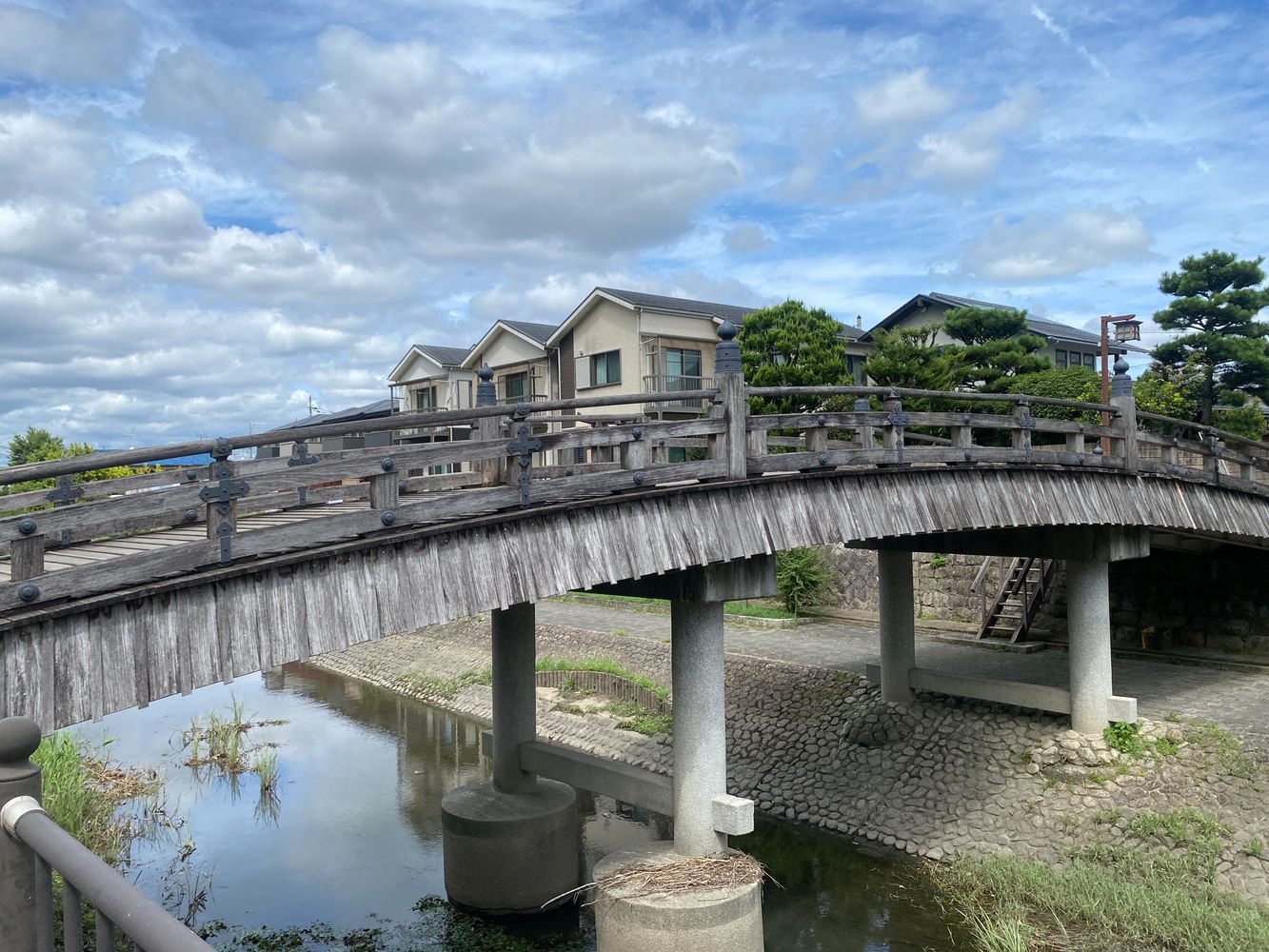
None of Honjo’s moats survive in their original form today. Most were filled in during the twentieth century as the city modernised its drainage and rebuilt after the 1923 earthquake and the wartime bombing that hit this part of Tokyo especially hard. What is left is a scattering of small parks, place names, and the occasional marker, like the one that stopped me in the rain, for anyone willing to slow down and read them.
Visiting Honjo Today
If you want to go looking for the Seven Mysteries yourself, there is good news: every site I have mentioned sits on ordinary public ground. Kinshibori Park is a normal neighbourhood park in a residential pocket of Sumida, a short walk from Kinshicho Station, and it asks nothing more of a visitor than the same courtesy you would show any small park with people living around it: keep the noise down after dark, don’t leave litter, and remember that for the people who live nearby, this is simply their street corner, markers and all.
Honjo is also a fairly ordinary part of modern Tokyo to walk at night, nothing like the sealed-off ruins I have covered elsewhere, but the same basic sense applies as anywhere: stick to lit streets, let someone know your route if you are wandering unfamiliar backstreets alone after dark, and treat the historical markers as what they are, small civic acknowledgements of old stories, rather than props for a dramatic photograph. The ghosts, if there ever were any, have had three hundred years to get used to foot traffic. I doubt one more polite visitor bothers them.
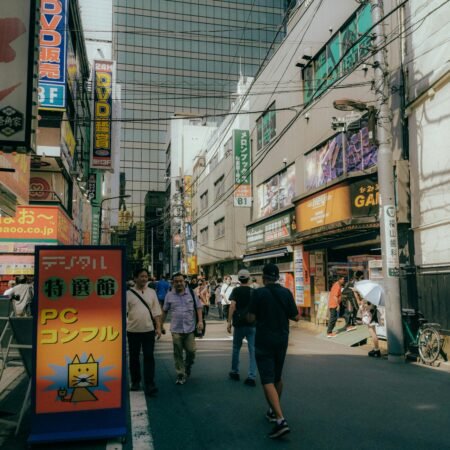
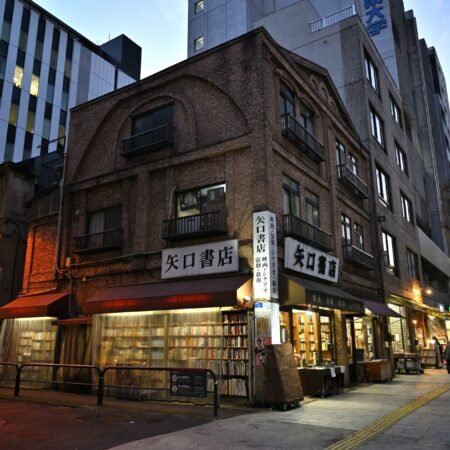
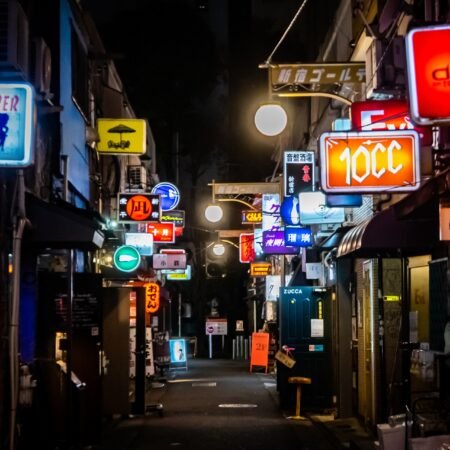
Note: images accompanying this article are illustrative stock photos and do not necessarily show the specific site discussed.


コメント