










Somewhere around hour three of my first day on the Kumano Kodo, calves burning, sweat soaking through my shirt despite the shade, I stopped at a mossy stone marker half-swallowed by ferns and thought: people have been walking exactly this path, up this exact hill, for over a thousand years. Emperors did it. Farmers did it. Pilgrims with far worse shoes than mine did it. That thought got me up the next switchback more than any energy bar did.
I’d lived in Japan for five years before I finally made it to the Kii Peninsula to walk part of the Kumano Kodo, and I don’t know what took me so long. This isn’t a single trail so much as a network of ancient pilgrimage routes threading through the mountains of Wakayama Prefecture, connecting three grand shrines known as the Kumano Sanzan. I only had time for a slice — the Nakahechi route, the old “Imperial Road” court nobles once used — but even that slice rearranged something in my head about what a “trip” in Japan could look like.
What Exactly Is the Kumano Kodo?
Here’s the short version: the Kumano Kodo is a set of pilgrimage trails in continuous use since at least the 10th century, when retired emperors made the arduous journey from Kyoto to worship at the Kumano shrines. In 2004, UNESCO listed the routes as a World Heritage Site under the title “Sacred Sites and Pilgrimage Routes in the Kii Mountain Range.” The Kumano Kodo and Spain’s Camino de Santiago are, as far as I’ve read, the only two pilgrimage routes on earth with UNESCO status — and since 2014, Tanabe City and Santiago de Compostela have run a sister partnership that lets you become a “Dual Pilgrim” if you complete both. Walk one, then the other, and a priest at Kumano Hongu Taisha will hand-letter you a certificate on washi paper. I have not earned mine yet. Someone please hold me to this.
Unlike a lot of famous Japanese hikes, this isn’t about bagging a summit. The Nakahechi trail winds through cedar forest and tiny roadside shrines called oji, through villages where someone’s laundry hangs next to a 400-year-old stone Jizo statue. It’s slow, quiet, and a little humbling.
The Nakahechi Trail: Forests, Oji Shrines, and My Aching Legs
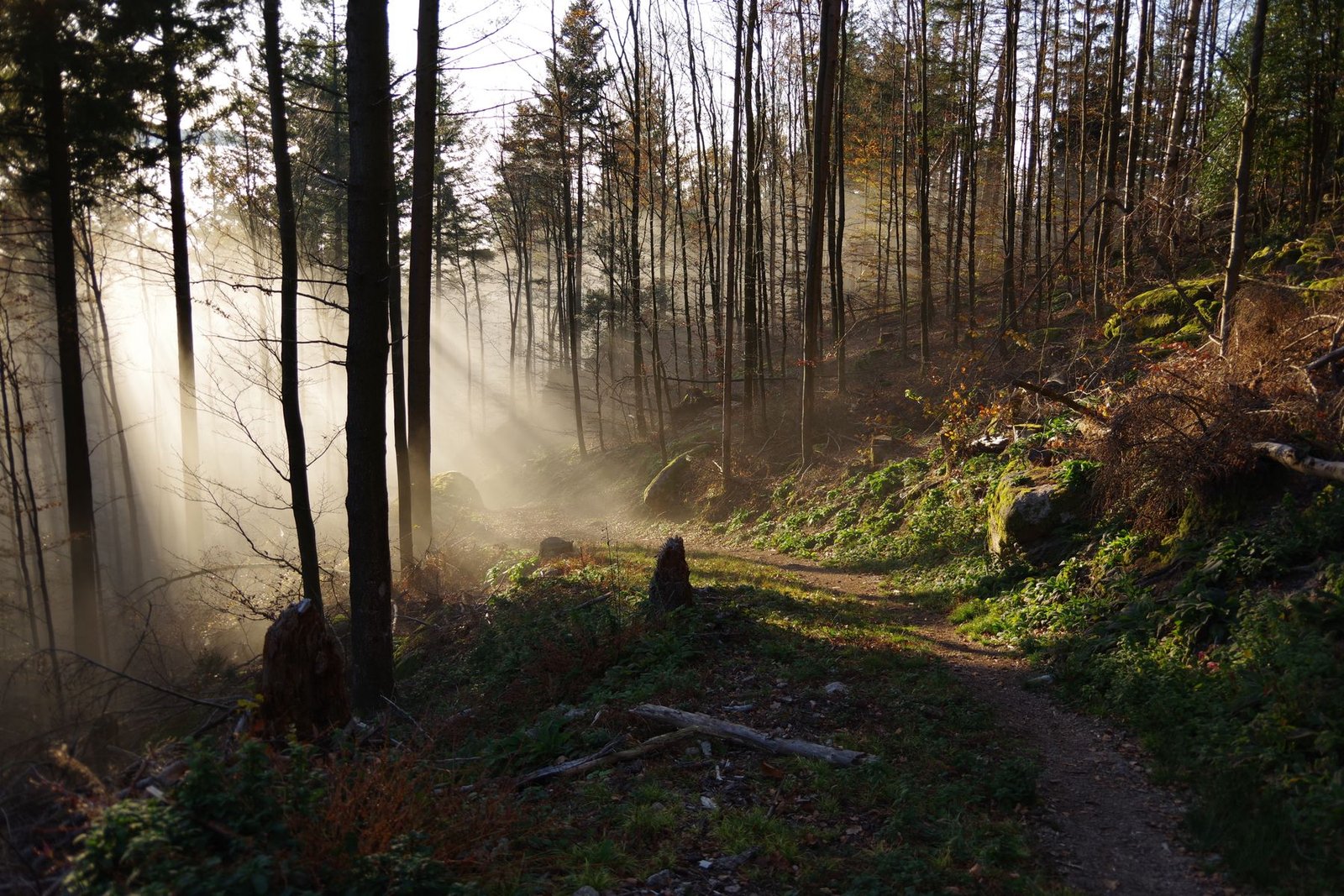
I started at Takijiri-oji, the traditional gateway to the sacred mountains, where there’s a small information center and, more importantly, a last chance to buy snacks before the trail swallows you into forest for hours at a stretch. From there the path climbs almost immediately — no gentle warm-up, just switchbacks through cedar and cypress so dense the light goes green.
What surprised me was how populated the trail felt with history rather than people. Every twenty or thirty minutes I’d pass another oji — a small subsidiary shrine, sometimes just a stone marker with rope and paper streamers, sometimes an actual wooden structure — where pilgrims for centuries have stopped to rest. There are roughly ninety of these along the route, and I started collecting them like subway stamps.
I won’t pretend it isn’t a real hike. Sections are steep, the summer humidity is no joke, and I was grateful for the hiking poles I’d rented in Tanabe. But the trail is well marked, there are small villages with minshuku (family-run guesthouses) spaced out for multi-day itineraries, and you don’t need technical climbing skill — just decent shoes, water, and a willingness to sweat through your shirt for the privilege of standing in a thousand-year-old forest.
Yunomine Onsen: Boiling Eggs in a UNESCO Hot Spring
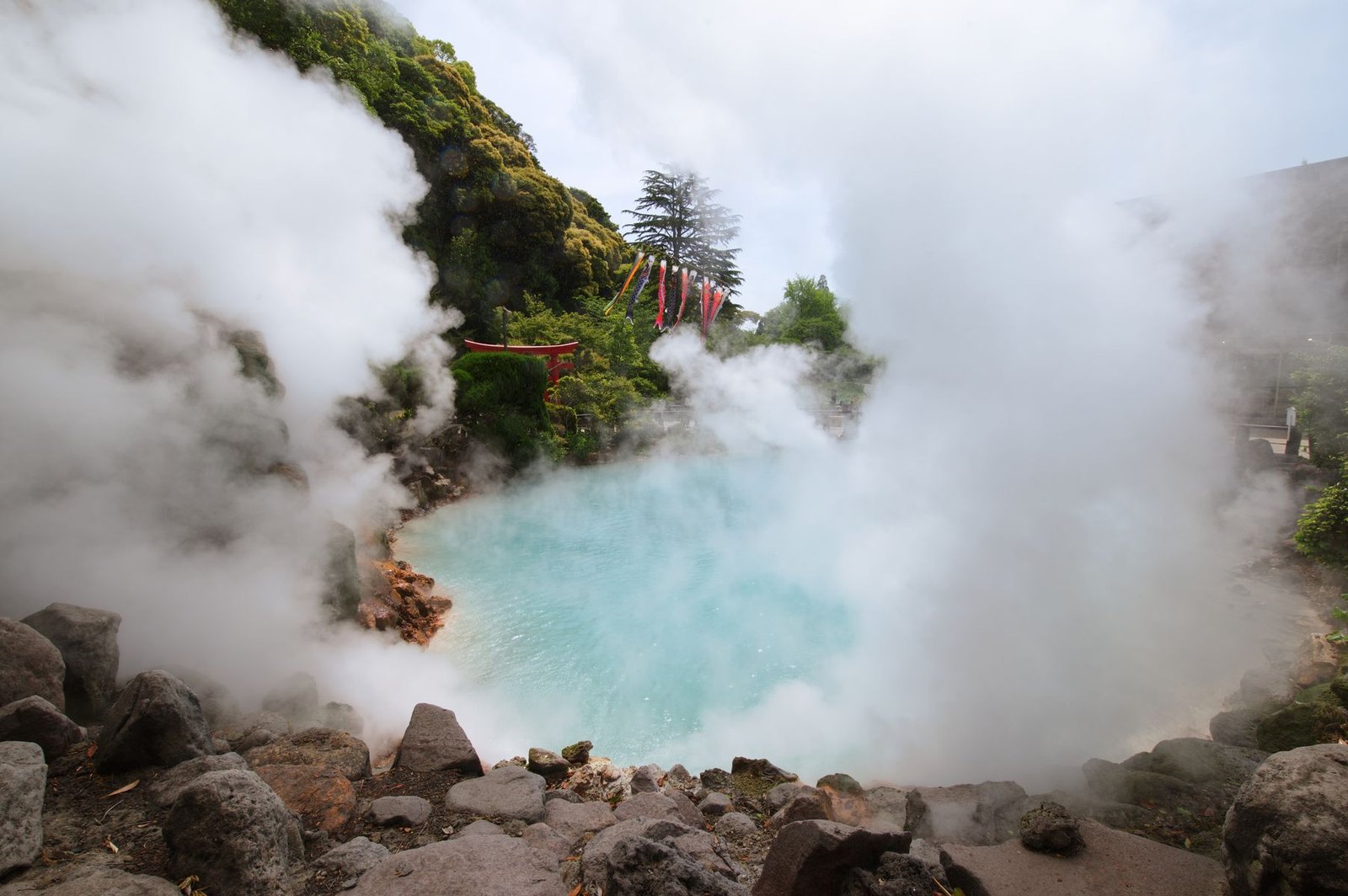
If the trail is the body of the Kumano Kodo experience, Yunomine Onsen is the reward, and possibly my favorite twenty minutes of the whole trip. This tiny hot spring village, tucked in a narrow valley about a twenty-minute bus ride from Hongu, claims roughly 1,800 years of continuous use, and standing in the steam rising off the little river through town, I believed it.
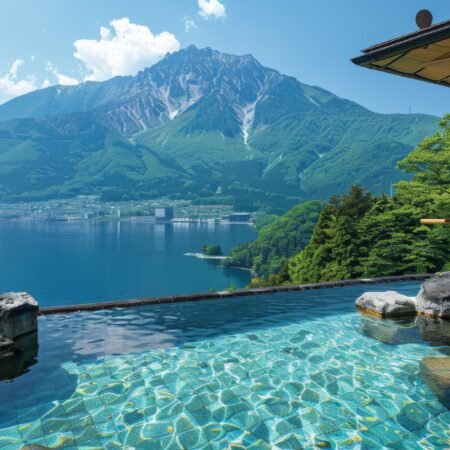
The star attraction is Tsuboyu, a single stone bath inside a small wooden hut built right over the source, big enough for maybe two people. It’s the only individual hot spring in the world registered as a UNESCO World Heritage site in its own right — a strange thing to think about while sitting in murky, mineral-cloudy water that supposedly changes color several times a day. You reserve a slot, get thirty minutes, and lock the door behind you. It felt less like a spa and more like borrowing something sacred for half an hour.
Just as memorable: the Yuzutsu, a public cooking basin in the middle of the village where locals and travelers lower baskets of eggs and vegetables into the naturally boiling water. I bought a basket of eggs, dunked it in alongside a grandmother clearly far more experienced than me, and ate what might be the best onsen tamago of my life on a bench by the river — a method of geothermal cooking that’s apparently been going on here since the Edo period. I contributed nothing to that legacy except enthusiasm.
Kumano Hongu Taisha and the Giant Torii at Oyunohara
The trail’s spiritual endpoint — and mine — is Kumano Hongu Taisha, the head shrine of more than 3,000 Kumano shrines scattered across Japan. Climbing the last stone steps after two days of walking felt genuinely different from just driving up and parking; by that point I’d earned the incense smoke and the quiet.
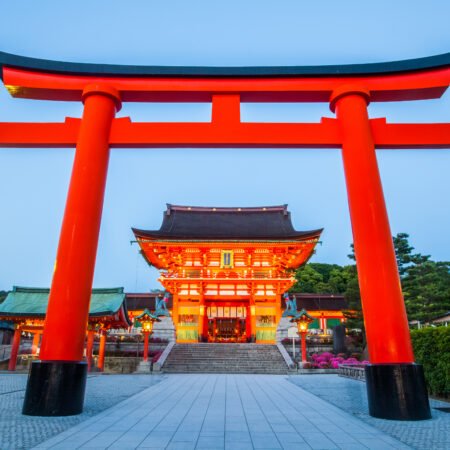
The shrine itself wasn’t always here. It originally stood at Oyunohara, a sandbank where the Kumano and Otonashi Rivers meet, until a catastrophic flood in 1889 destroyed much of it. What survived was rebuilt on higher ground, where you’ll find it today. Down at that original site stands the thing that will stop you in your tracks: the Oyunohara torii gate, 33.9 meters tall and 42 meters wide, the largest torii gate in Japan. It’s steel, erected in 2000, so a modern addition rather than an ancient relic — but scale has its own kind of power. I stood underneath it for a ridiculously long time, feeling appropriately tiny.
If You Go
The Nakahechi trail works as a long day hike in sections, or as a proper two-to-three-day walk with nights in minshuku — I’d recommend the latter, since rushing defeats the point of a pilgrimage. The nearest gateway city is Tanabe, reachable by JR limited express from Osaka in about two and a half hours, with local buses running into the mountains from there. Book accommodation early, especially in autumn foliage season, since options along the route are limited by design. Bring cash — plenty of smaller villages don’t take cards — and pack layers, since temperatures swing between morning fog and afternoon sun.
I went in expecting a hike and came home with something closer to a reset button. There’s a reason people have kept walking this same ground for over a thousand years. I’m already plotting my route to the Camino so I can pick up that Dual Pilgrim certificate — apparently I’m not done collecting stamps after all.
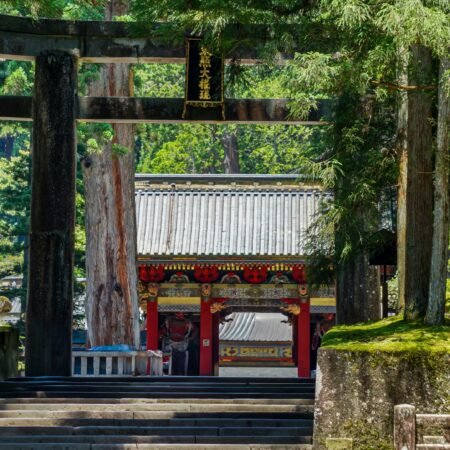
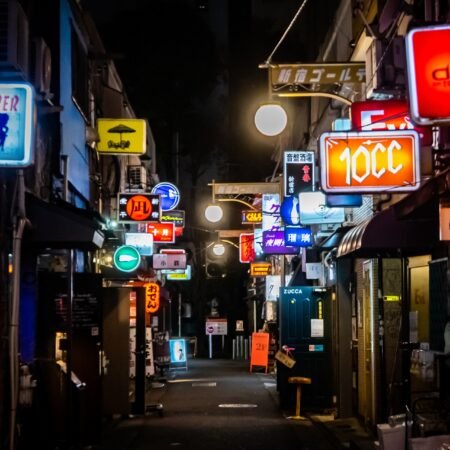
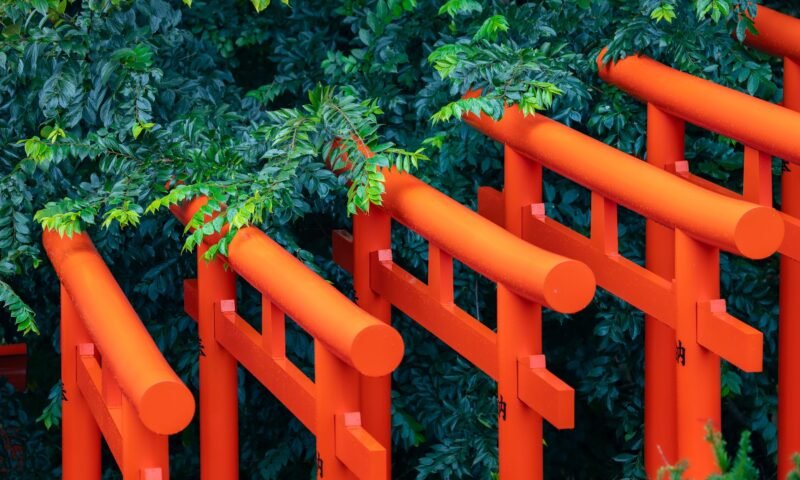
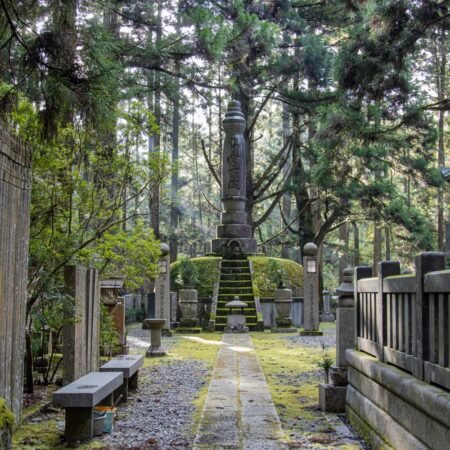
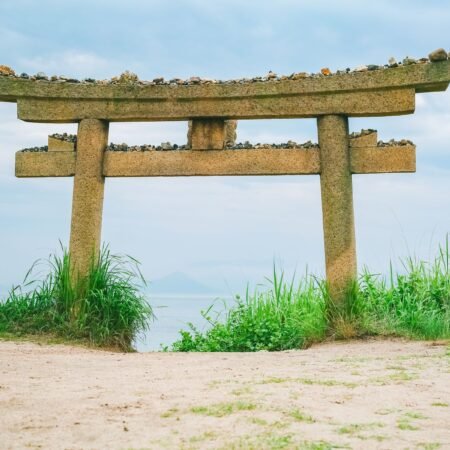
A quick note on photos: some of the images here are stock photos I’ve used to set the mood — they may not be the exact spot or moment I’m describing, just close in spirit.
コメント