





The first time someone in Kyoto told me to go stand in a quiet mountain neighborhood and watch grown men carry burning towers of wood past someone’s front porch, I assumed I’d misheard. I hadn’t. That’s more or less the entire premise of the Kurama Fire Festival, and once a year, on the evening of October 22nd, a sleepy village about thirty minutes north of central Kyoto turns into something that looks like it wandered out of a woodblock print and simply refused to go back in.
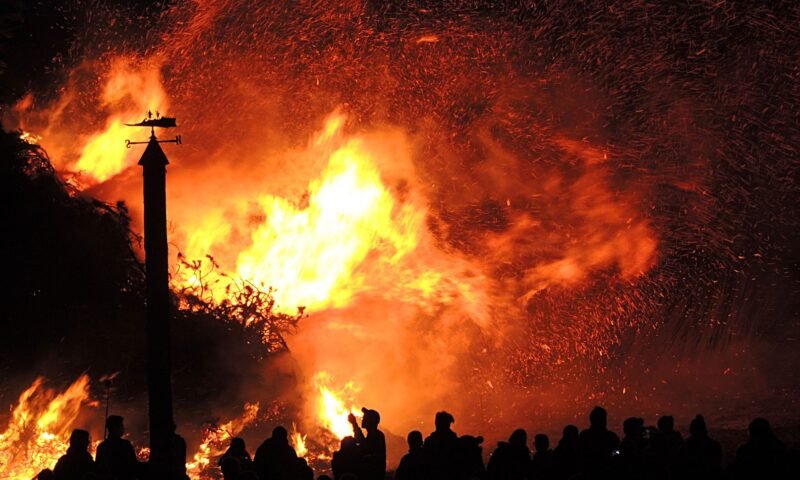
I’d lived in Japan for a couple of years by the time I finally made it up to Kurama for the festival, and I still wasn’t prepared for how close you actually get to the fire. There’s no barrier keeping you three streets back. You’re standing on the same narrow lane the torches are moving through, close enough to feel the heat on your face and to smell the pine pitch burning. It’s one of those nights that reminds you Japan has a much wilder, older side than the neat train platforms and convenience store onigiri would have you believe.
A Village That Remembers Why It’s Doing This
The story behind the festival goes back to the Heian period, when the deity of Yuki Shrine was relocated to Kurama during a stretch of unrest in the capital, for safekeeping. According to local tradition, the villagers who received the shrine lit torches along the road to guide and welcome the spirit into its new home. The fire festival, or Kurama no Hi Matsuri, is essentially a re-enactment of that welcome, repeated every single year for over a thousand years, give or take some historical fuzziness that I think is honestly part of the charm.
What struck me most wasn’t the scale, though the scale is real — it’s the specificity. This isn’t a festival that happens “in Kyoto.” It happens on the actual street where actual families live, and the torches stop in front of actual houses along the route, chanting the rhythmic call of “sai-rei, sai-ryo” as they go. Some of those houses still keep a small shrine altar, and the flame is presented to it directly. You’re not watching a performance staged for visitors. You’re watching a neighborhood do something it has always done, and tourists are just quietly allowed to stand nearby.
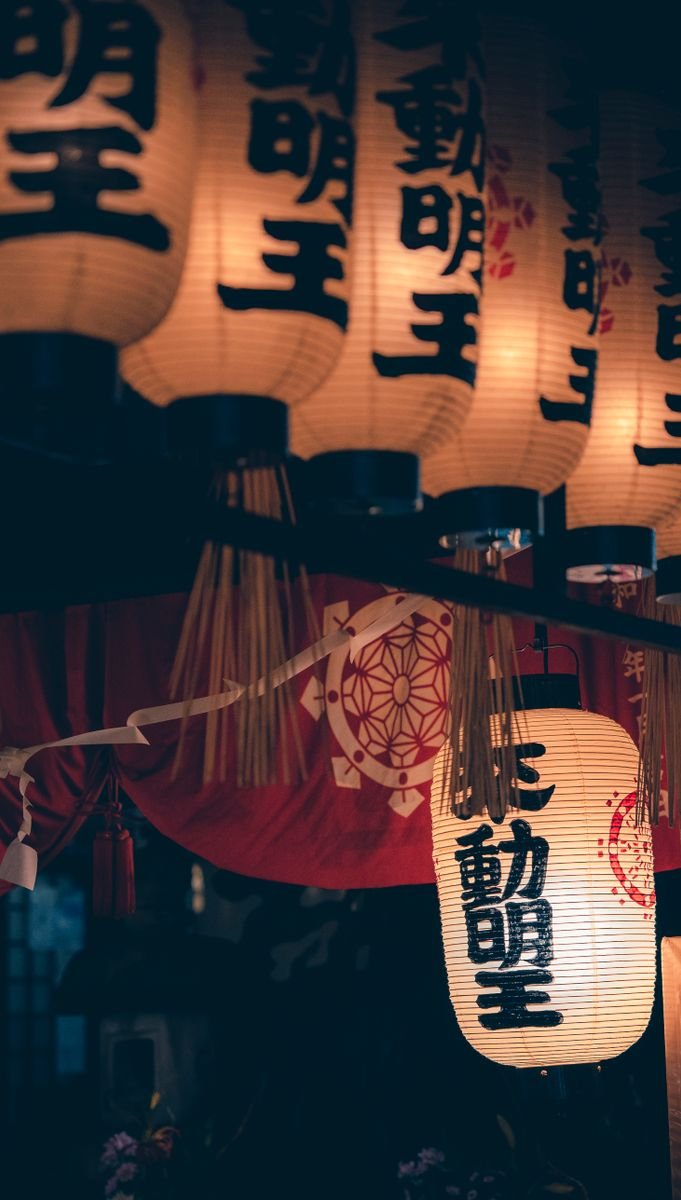
From Toddlers to Two-Hundred-Pound Torches
The procession itself builds in stages, and I loved that about it. It starts around six in the evening, when smaller bonfires called kagaribi are lit along the length of the village streets. Then the torch-bearers start moving, organized roughly by age: small children carry pine torches barely bigger than a broom handle, trailed by teenagers with slightly bigger ones, and finally the village’s grown men hauling torches that can weigh close to a hundred kilograms, resting on padded shoulder cloths because there’s no other way to carry something that heavy and that hot for any distance. Everyone is dressed the same way regardless of age — loincloths, straw sandals, ropes — which somehow makes the whole procession feel less like a parade and more like a ritual you’ve been let in on.
By the time the largest torches reach the base of Yuki Shrine, the street is basically one long corridor of fire, and the chanting gets louder and more insistent. I remember a woman next to me, a longtime Kyoto resident who came every year, telling me that carrying one of the big torches is considered a genuine rite of passage for the village’s young men — something you grow into, quite literally shoulder by shoulder, as you get older.
The Stairs, the Shrine Gate, and the Loudest Moment of the Night
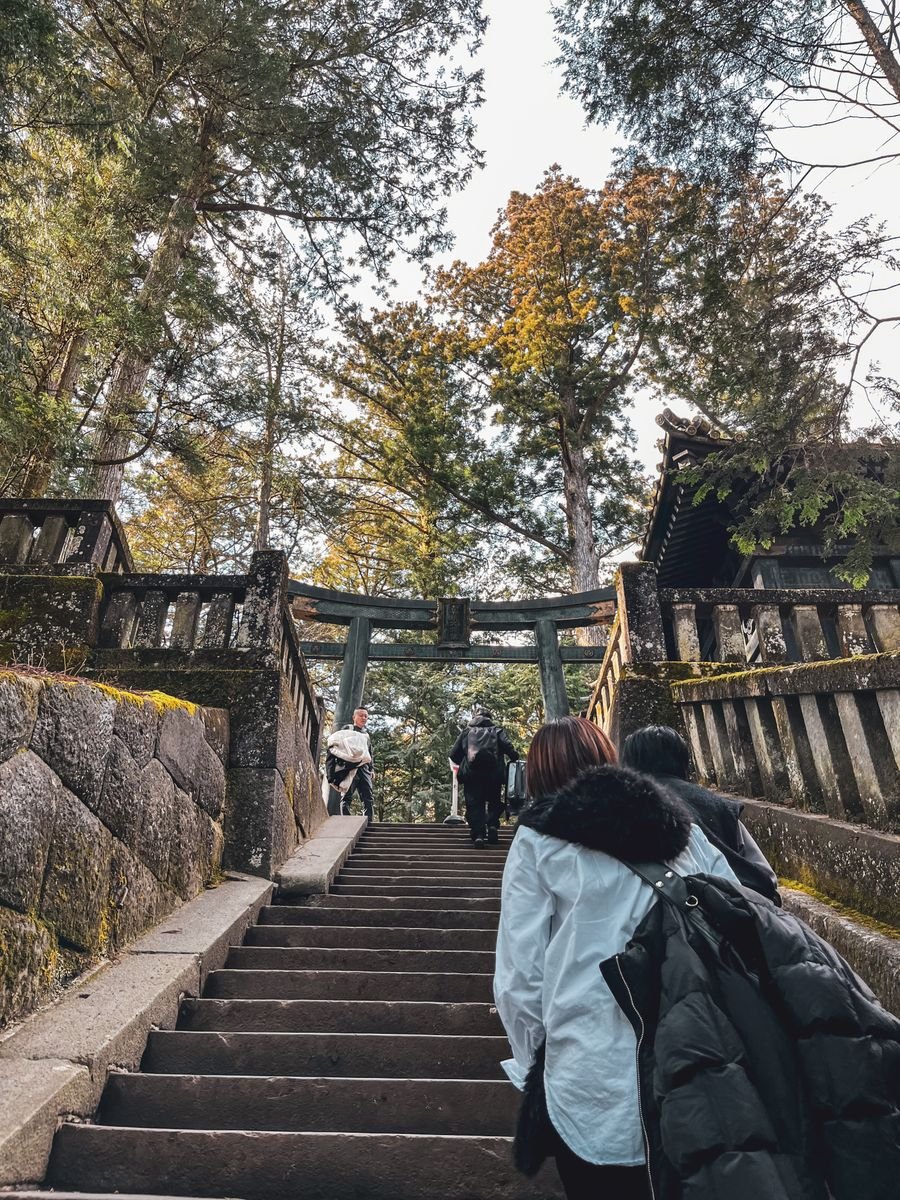
The real climax, for me, happened at the shrine gate itself. Two mikoshi, the portable shrines that carry the local deities, are brought down the steep stone stairway leading from Yuki Shrine — and “brought down” undersells it. Groups of young men half-carry, half-controlled-slide these heavy shrines down the stairs while the crowd below roars, torches still blazing on either side. It’s chaotic and loud and a little bit dangerous-looking in the best way, and it’s the moment even people who’ve seen the festival a dozen times still push forward to watch. Eventually, the torches converge and are piled together near the shrine, and the whole street glows orange until well past midnight.
If You’re Planning to Go in 2026
The festival always falls on October 22nd, which happens to be the same day as Kyoto’s much more formal Jidai Matsuri procession downtown — so it’s entirely possible to catch a stately costume parade in the morning and a village on fire by nightfall, if you don’t mind a long day. To reach Kurama, take the Eizan Railway’s Kurama Line from Demachiyanagi Station; the ride is only about half an hour, but on festival night both the train and the village itself get seriously crowded, so I’d recommend heading up in the early-to-mid afternoon rather than trying to arrive right at six.
Admission is free, and there’s no formal viewing area — you just find a spot along the street and hold onto it. Wear shoes you don’t mind standing in for hours, bring cash (card payment is rare at the yatai food stalls), and remember that Kurama is somebody’s actual neighborhood for 364 other days of the year, so keeping noise and crowding to a reasonable level matters more here than at a lot of bigger festivals. Trains back to central Kyoto also thin out late, so it’s worth checking the last departure before you get swept up in the moment — which, fair warning, you probably will.
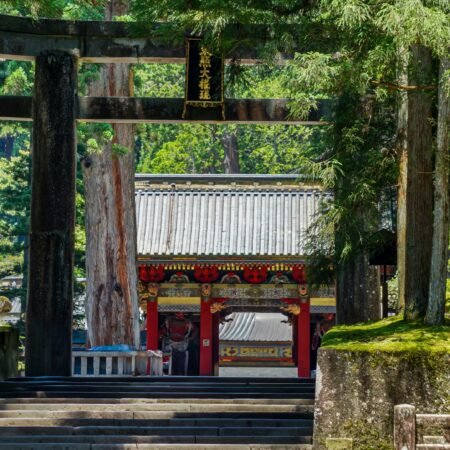
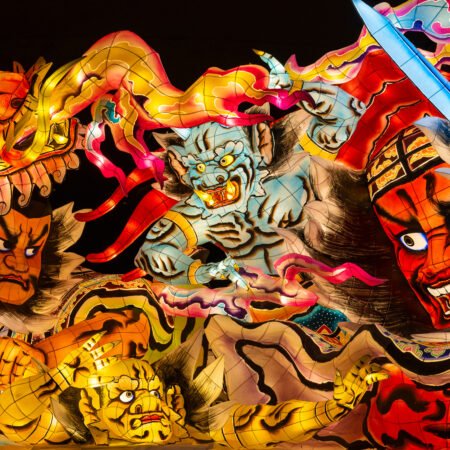
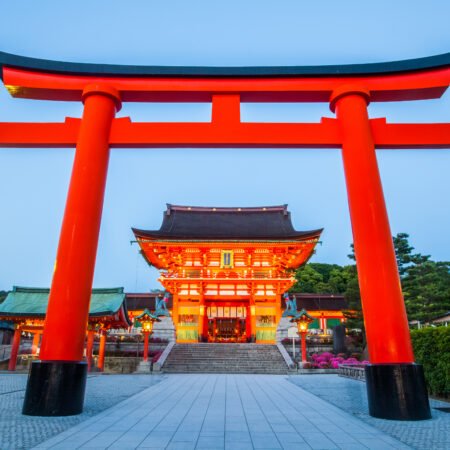
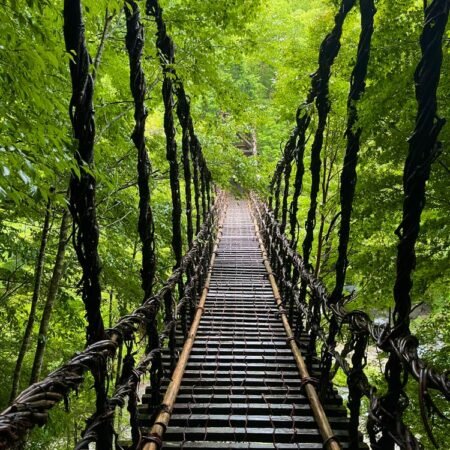
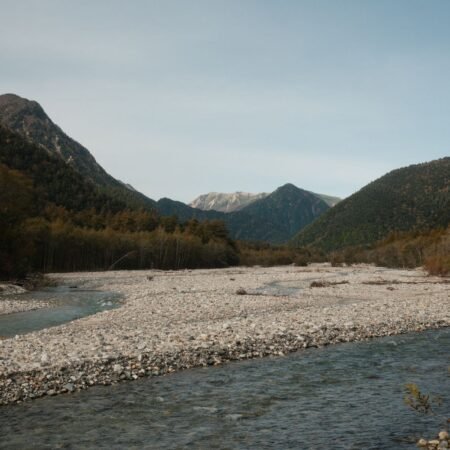
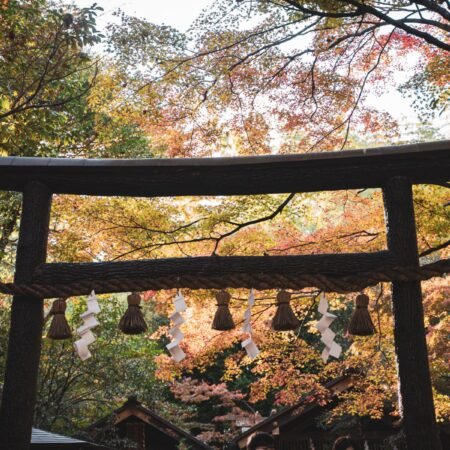
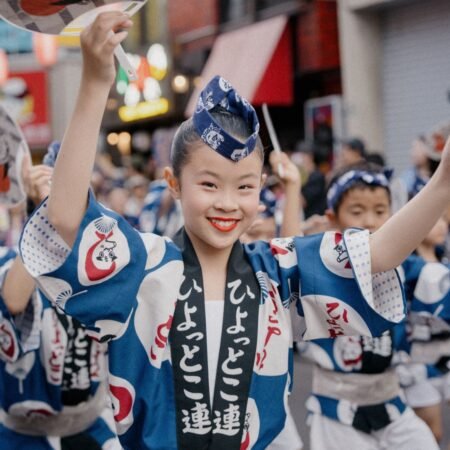
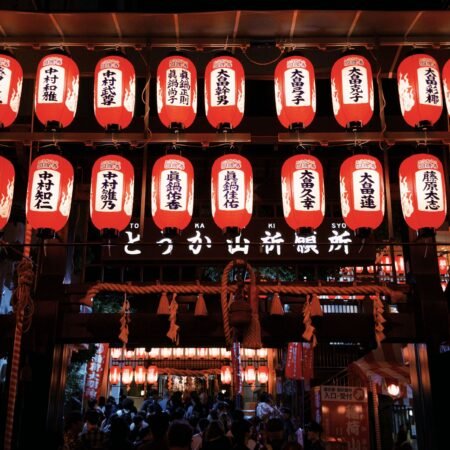
A quick note on photos: some of the images here are stock photos I’ve used to set the mood — they may not be the exact spot or moment I’m describing, just close in spirit.

コメント