





I was standing in the basement food court of Sunshine City in Ikebukuro, waiting for a friend, when an elevator a few metres away opened onto an empty car, closed again, and went back up without anyone stepping in or out. Probably a sensor fault. Tokyo malls are full of them. But a member of staff nearby caught my eye, gave a small shrug, and said, “It does that here.” Not annoyed. Almost resigned. That was the first time anyone had ever suggested to me, unprompted, that a shopping centre might have a history worth asking about.
It turns out Sunshine City does. Underneath the escalators, the aquarium, and the observation deck of Sunshine 60 – once the tallest building in Asia – sits the former site of Sugamo Prison, a place where, in the years right after the Second World War, dozens of convicted war criminals were executed by hanging. It is one of the more unusual entries in Tokyo’s roster of reportedly haunted places, precisely because the building on top of it is so aggressively ordinary: a mall, an office tower, a discount toy shop, a Ferris wheel on the roof of a neighbouring building. I went back a few times to look properly, and to try to separate what is documented history from what is, by the site’s own admission, just a story people tell.
A Prison Long Before It Was a Postcode
Sugamo Prison was built in 1895, modelled on European penal architecture, and for its first few decades functioned as a fairly conventional Tokyo detention facility. In the 1930s and early 1940s it became known for holding political prisoners and dissidents under Japan’s wartime government, including, briefly, foreign nationals – the Soviet intelligence officer Richard Sorge was executed there in November 1944, well before the events the site is best known for today.
The prison’s more consequential chapter began after Japan’s surrender. From December 1945, Sugamo was taken over by the Allied occupation authorities and used to hold suspects awaiting trial before the International Military Tribunal for the Far East – the Tokyo war crimes tribunal. According to the tribunal’s own findings, on 23 December 1948, seven men convicted of Class-A war crimes, including former Prime Minister Hideki Tojo and former Foreign Minister Koki Hirota, were hanged inside the prison. Further executions followed over the next two years connected to the separate Yokohama trials, with the last reportedly carried out in 1950. Sugamo continued operating as an ordinary correctional facility afterward, before finally closing in the early 1970s. The buildings were demolished in 1971, and by 1978 Sunshine 60 rose on the site – a very literal case of a city building straight over its own difficult history rather than around it.
Door Thirteen and the Thirteen Steps
I want to be careful here, because this is where documented record tips into local legend. According to accounts collected by Japanese urban-legend researchers and repeated by mall employees over the years, the gallows within Sugamo Prison were reached through a doorway staff referred to as Door No. 13, and the condemned were said to have climbed thirteen steps to the platform. Whether that number is literal or has simply calcified through repetition, I couldn’t verify with certainty – but it’s the detail that recurs most often when people in Ikebukuro talk about why Sunshine City is supposed to be unlucky.
From there, the stories follow a familiar shape: employees who have worked in the basement levels near the parking area describe cold pockets of air with no obvious source, elevators that behave as mine did that afternoon, and a persistent, low-level sense of being watched in certain stairwells late at night. None of this is the sort of thing you can verify with a thermometer, and I’d gently push back on any site that tells you otherwise. Some accounts even claim the tower’s elevators were designed without a 13th-floor button because of the association – a detail I couldn’t confirm through any primary source, so take it as folklore rather than fact.
The Monument Nobody Notices
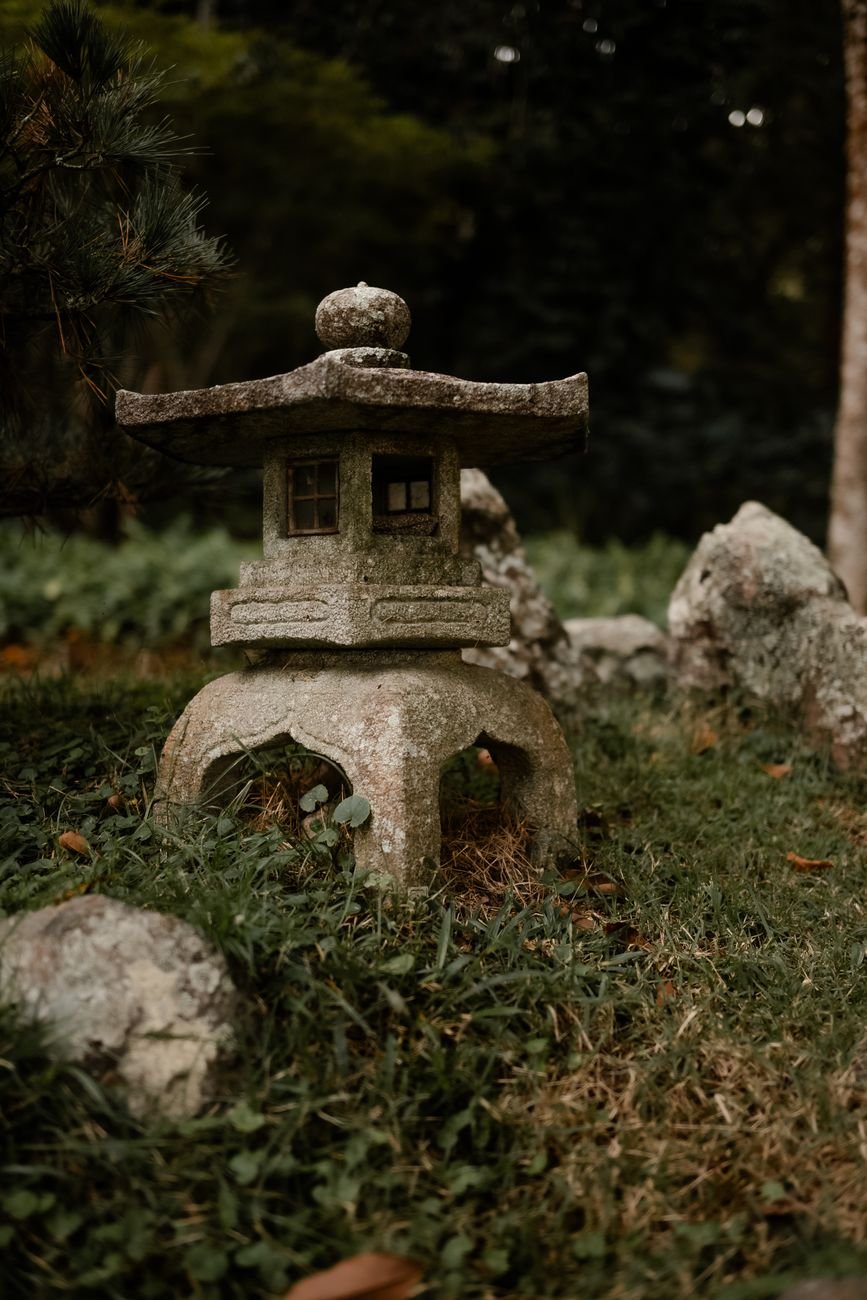
What struck me more than any ghost story, honestly, was how little trace of the prison exists at street level – and how deliberately the one trace that does exist has been kept quiet. A short walk from the base of Sunshine 60, in Higashi-Ikebukuro Central Park, there is a modest stone monument inscribed with the words “eikyu heiwa wo negatte” – wishing for eternal peace. It marks, without spectacle, the approximate site of the executions. There’s no plaque explaining the history in English, no arrow pointing to it from the mall’s directory, nothing that would tell a passing shopper what happened a few hundred metres from the cinema. Families have picnics a stone’s throw away. Children play in the small playground. It is, in its way, one of the more sober memorials I’ve come across in Japan precisely because it doesn’t ask anything of the people around it – it simply exists, for anyone who already knows to look.
I don’t think the ghost stories and the monument are unrelated. Japan has a long tradition of treating sites of sudden or violent death with ritual care, whether or not anyone involved believes literally in vengeful spirits – and ordinary Tokyoites I’ve spoken to about Sunshine City tend to hold both ideas at once without much friction: that the mall is just a mall, and that some places carry weight regardless. A researcher I once translated for on an unrelated project put it to me this way – that a ghost story is often just a culture’s way of insisting a place shouldn’t be forgotten, dressed up in a form people will actually repeat to each other at a bar.
Visiting With Some Care
If you want to see this for yourself, there is nothing remotely clandestine about it. Sunshine City is a fully open commercial complex with an observation deck, an aquarium, and dozens of ordinary shops – you don’t need to sneak anywhere or go looking for locked doors. Higashi-Ikebukuro Central Park and its monument are likewise open to the public during normal park hours, a five-minute walk from the tower. I’d only ask that if you go looking for the monument specifically, you treat it as what it is: a memorial to people who were executed, in a country and a period whose history is still genuinely contested by historians and by the descendants of everyone involved. It isn’t a prop for a photo of you pulling a spooky face. Read the inscription if you can, sit for a minute if the bench is free, and let the ordinary sounds of the park – the playground, the joggers, the vending machine hum – do the work of reminding you that eighty years is not actually that long ago.
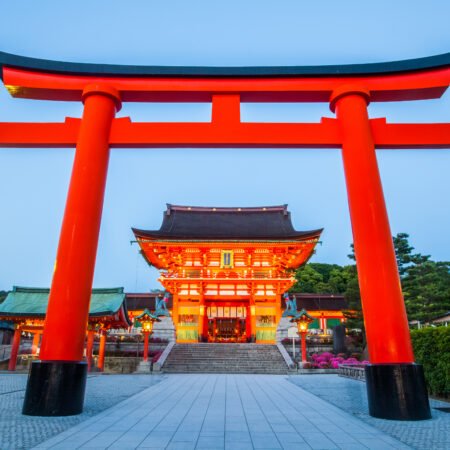
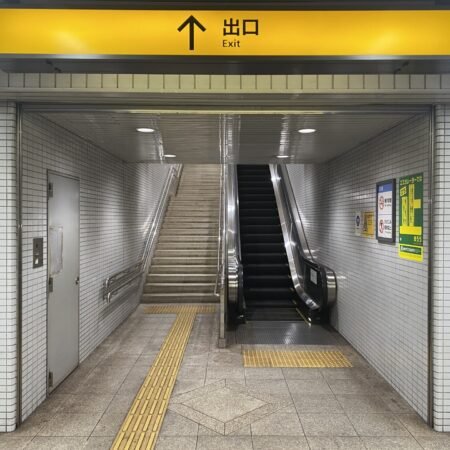
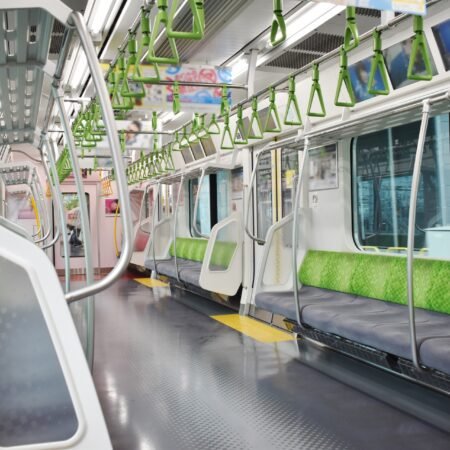
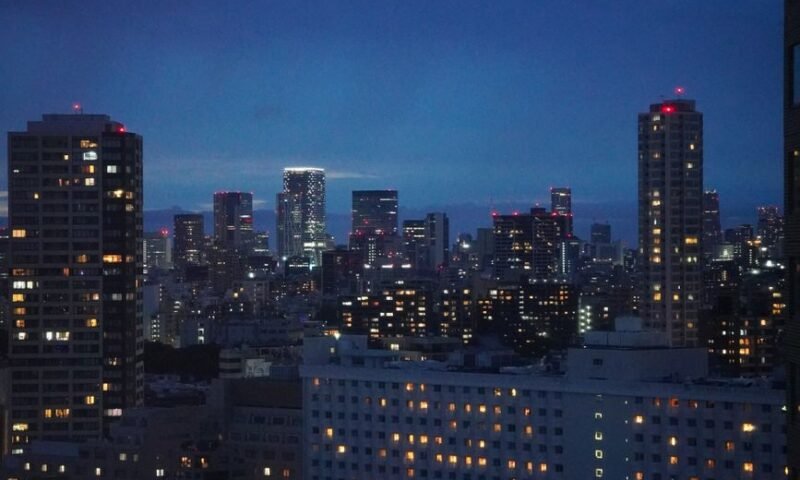
Note: images accompanying this article are illustrative stock photos and do not necessarily show the specific site discussed.

コメント